AI’s shared opt-out still leaves publishers with separate bargains
A proposed common training preference could cut publishers’ administrative work. Google and Microsoft’s different plans show why the commercial choices remain separate.
37 stories · current Editor’s Pick, then previous editions

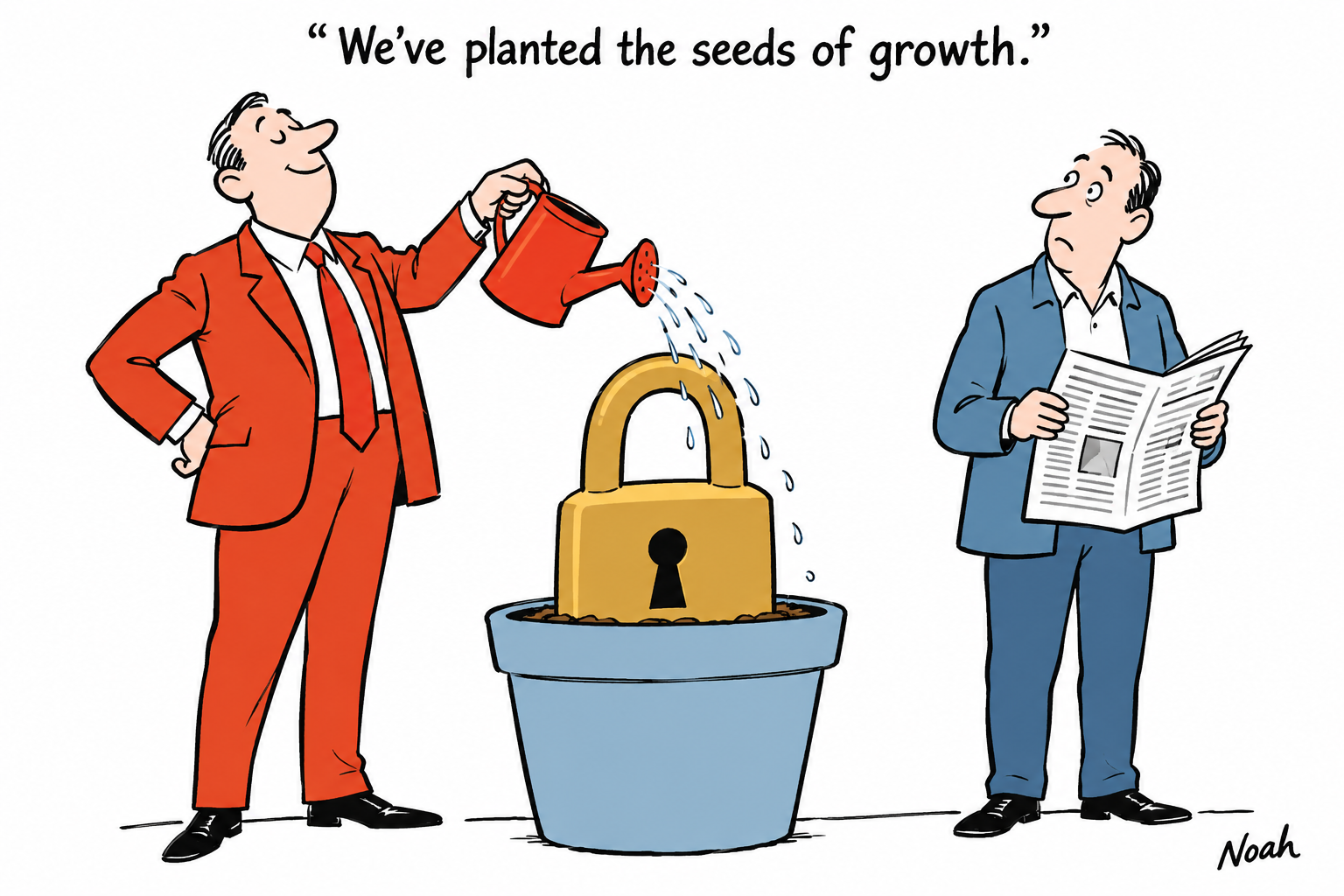
From Harrogate to Hampshire, publishers are investing public money in the business behind their journalism. The real test comes when the development funding stops.

A new UK study links richer book records with stronger sales. Publishers need to turn that association into a test of what readers can find and buy.

Ten ways publishers can turn AI to their advantage: the other half of David Buttle's story

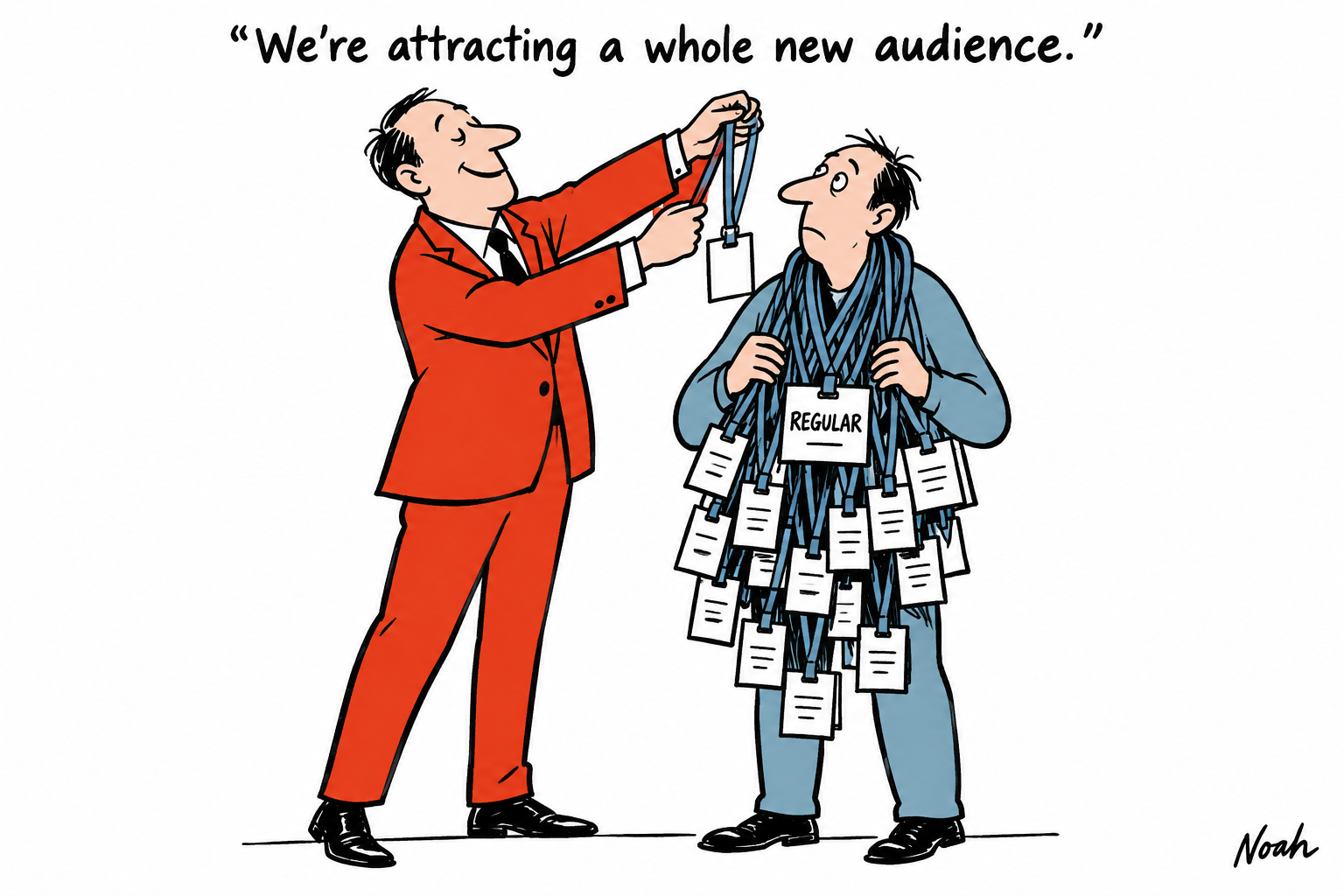
Display advertising grew in the latest UK publisher survey, while total revenue fell. The commercial challenge is to reach new budgets without rebuilding the same dependencies.

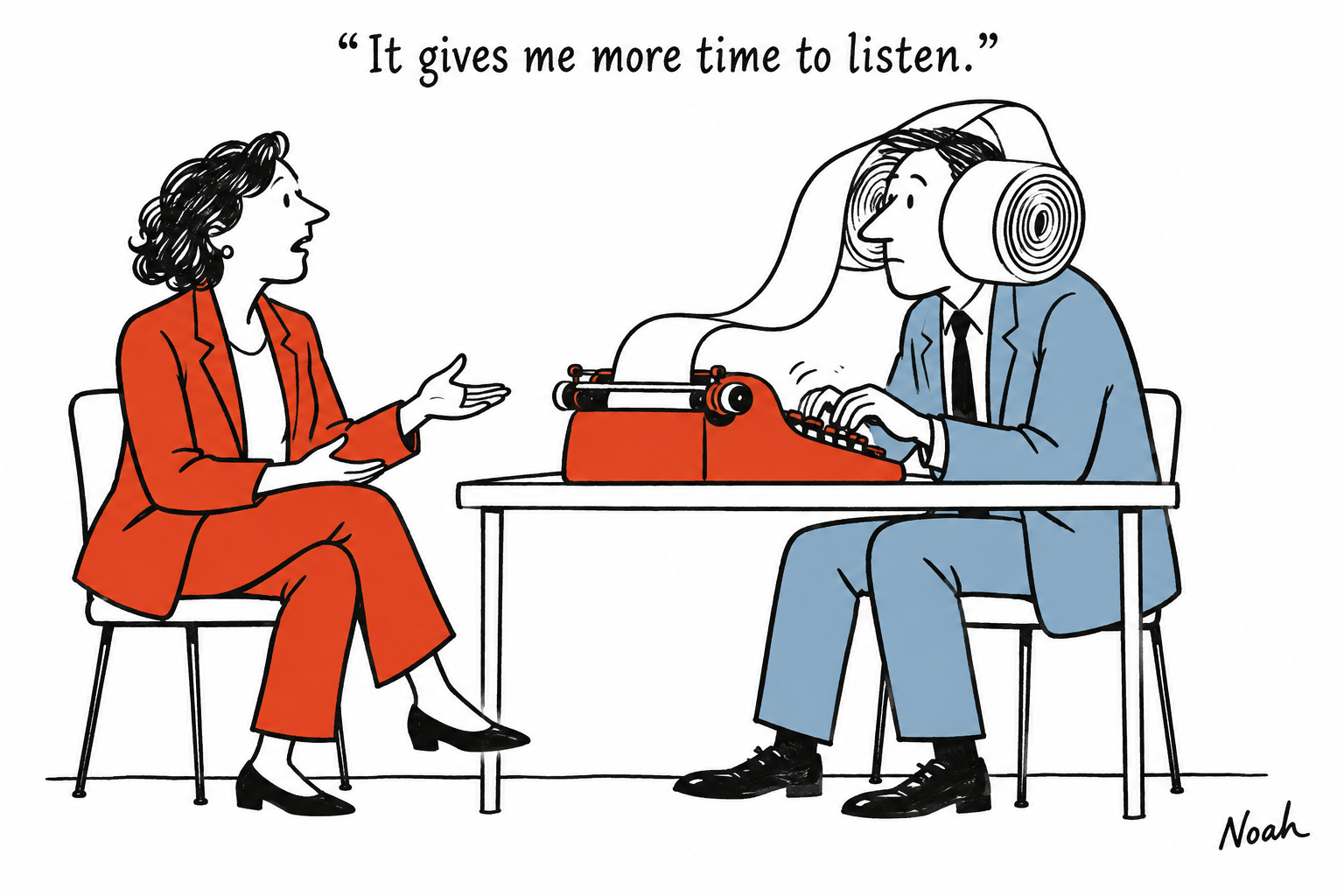
Generated concepts are changing what publishers commission and what illustrators get paid to do. A smaller freelance invoice is only the start of the value calculation.

Digital subscriber growth at The Times sits alongside falling earnings in its wider division. The figures demand a closer look at what customers pay and what it costs to keep them.

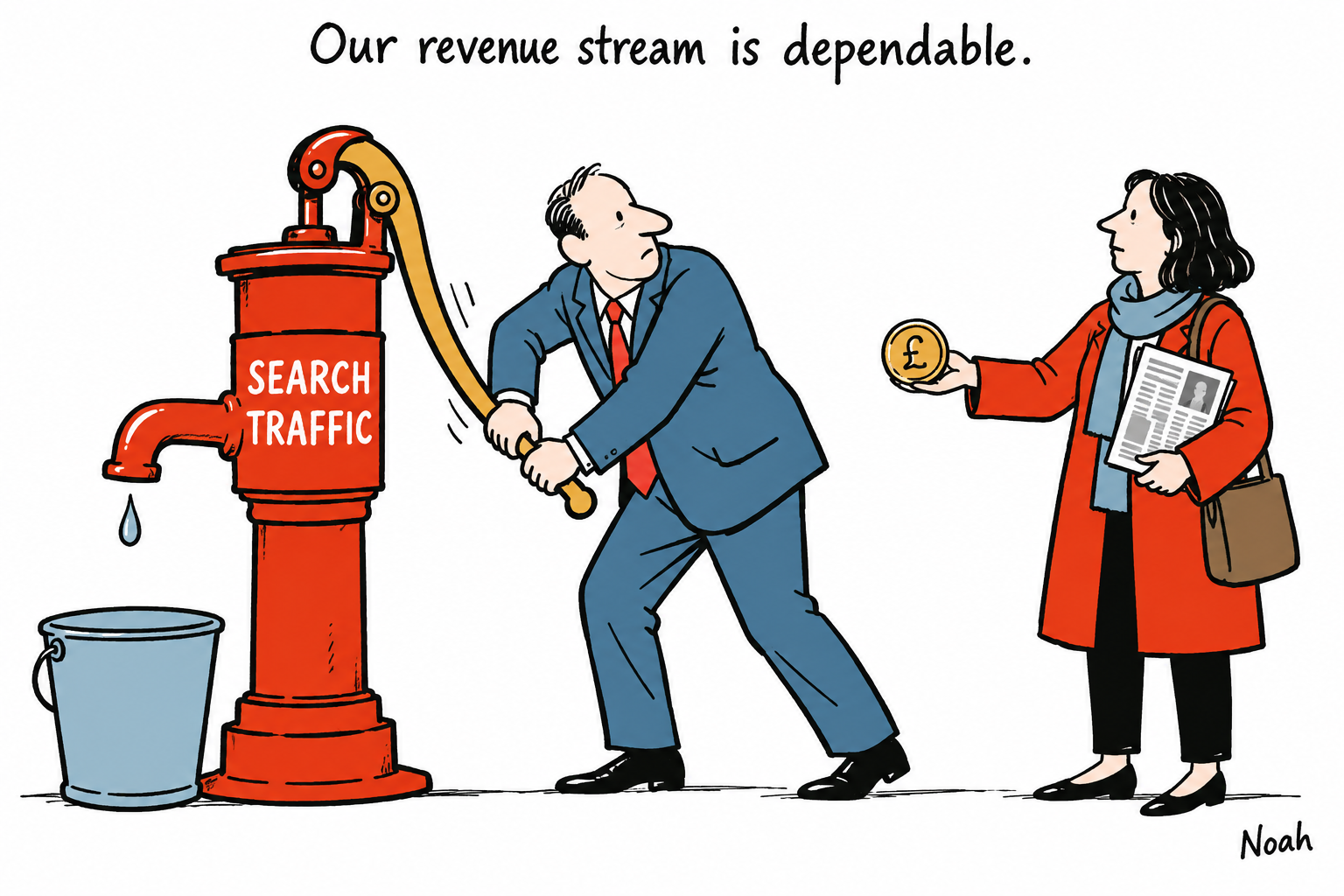
Subscription acquisition and advertising can matter more than referral traffic. Publishers need to show what replacing those services would cost.

Sky News plans a new app and website with Arc XP. A better interface may help, but the company still has to show what will make people return and what they will pay for.

Standalone social campaigns are bringing in money. Publishers copying the model should look past viewing figures to production costs, spare capacity and repeat orders.

Planned one-off guide sales could turn occasional usefulness into revenue. The opportunity is worth testing—provided the product earns its price and the subscription keeps its value.

Focused reader research gives the British publisher a commercial product. The lesson for others is to solve a recurring buyer problem, reward participation and charge for the work.

StoryFlow gives one brand the mobile page. Publishers should test the value of that exclusivity, price the creative work properly and protect the reading experience that makes the page worth buying.

Publishers warned that Google’s AI answers were eroding the economics of the open web. Now lower earnings from AI Mode are weighing on Google’s own search growth—and investors have delivered a brutal verdict.

Future already sells AI visibility services. New research on ChatGPT’s partner summaries shows why publishers also need reliable measures of what their expertise earns—and reasons for readers to return.

The Royal Society, Taylor & Francis and Rockefeller University Press show how shared screening is becoming publishing infrastructure. The next investment is in the people who turn warnings into sound editorial decisions.

The FT’s discussion experiment points to a useful reader product. As Discourse makes conversations easier for AI to consume, publishers need a stronger invitation for people—and a business case that goes beyond comment counts.

Axel Springer’s restructuring opens a route to selling specialist intelligence. The costs are becoming clearer; the new customer proposition still needs to be built.

The postponed business terms give UK publishers breathing space. A meaningful choice over additional uses of journalism remains the prize—and the forecasts suggest a practical opt-out is far from assured.

The money is real. Its reliability is a different question. Publishers should pursue licensing while keeping windfalls separate from the income that pays lasting bills.

Paid partnerships already exist. The next opportunity is to turn readers’ expertise into a product they return to, with income from participation, sponsorship and useful intelligence.

The commercial danger is mistaking a better-looking advertising rate for a better business. Prepare contracts and comparable figures before the likely February switch.

The Guardian has made subscription sharing a premium benefit. Noah’s forecast favours wider UK availability; the harder question is whether invited readers create habits, retention and new payments.

Publishers are turning to AI agents to find original stories their readers cannot get anywhere else.

Noah puts the chance of Informa TechTarget reporting FY2026 Brand to Demand revenue growth in results available on 31 March 2027 at 55%. Computer Weekly shows why the model matters—and why growth is far from automatic.

Noah gives a 25% chance of a paid UK local-news campaign completed across two unaffiliated publisher groups, with Raid planning publicly confirmed in an NMA/RAM case study or named participant’s report, by 1 October 2027.

Noah’s four automatic forecasts point towards national print-distribution handovers for major British publishers. The next test is turning contracts into reliable retailer access, with clear costs and responsibility at the shop counter.

New WAN-IFRA research exposes a gap between AI adoption and evidence of its value. The Mail’s newsroom experiments show why UK publishers need to follow a task all the way from the first draft to the reader.

SPUR now has more than 80 members, including The Economist and The Observer. Its AI usage standard could strengthen licensing if publishers can verify what happens after their journalism leaves the server.

Digital revenue fell 20.3% in the third quarter. Reach is right to pursue paying readers, but its latest cuts expose the hardest part of the transition: preserving the reporting that makes a subscription worth renewing.

B2B publishers excel in redefining their value propositions and embracing change Bold pivots, like Euromoney’s shift from journalism to intelligence services, highlight adaptability AI is viewed as an asset rather than a threat, used to enh

News organisations are shifting focus towards community-building to reconnect with audiences Success varies: B2B publishers excel while general news outlets face challenges Building genuine communities requires patience, specialised focus,

Reach announces strategic move towards digital subscriptions and original content Revenue drop highlights need for a new publishing approach Content strategy based on exclusivity, expertise, and emotive storytelling The surest catalyst for

Highlights the importance of integrating AI in newsrooms to foster meaningful change Emphasises the need for journalists and managers to view AI as a tool for value creation Warns of cultural hurdles and stress on verifying information in t

Expert warns news industry is still writing as if it’s 1957 Discussions highlight challenges of mobile storytelling and atomisation of news Questions remain about verification, funding, and brands in an AI-driven news future “We are still w

Bezos defends the profitability of journalism as a measure of relevance Changes in Google search algorithms threaten traditional news revenue To succeed, news organisations must focus on delivering value and distinctive reporting Jeff Bezos

News organisations are recognising the value of individual journalists as brands Traditional anonymity at outlets like The Economist is giving way to increased visibility Embracing star talent can strengthen publishers’ positions and combat
A weekly briefing for people shaping the future of publishing.
Free. Email requests are handled by our team.