Strategy
Bolting the doors won’t feed the garrison: 10 ways to save your publishing empire
Ten ways publishers can turn AI to their advantage: the other half of David Buttle's story
120 stories · newest first
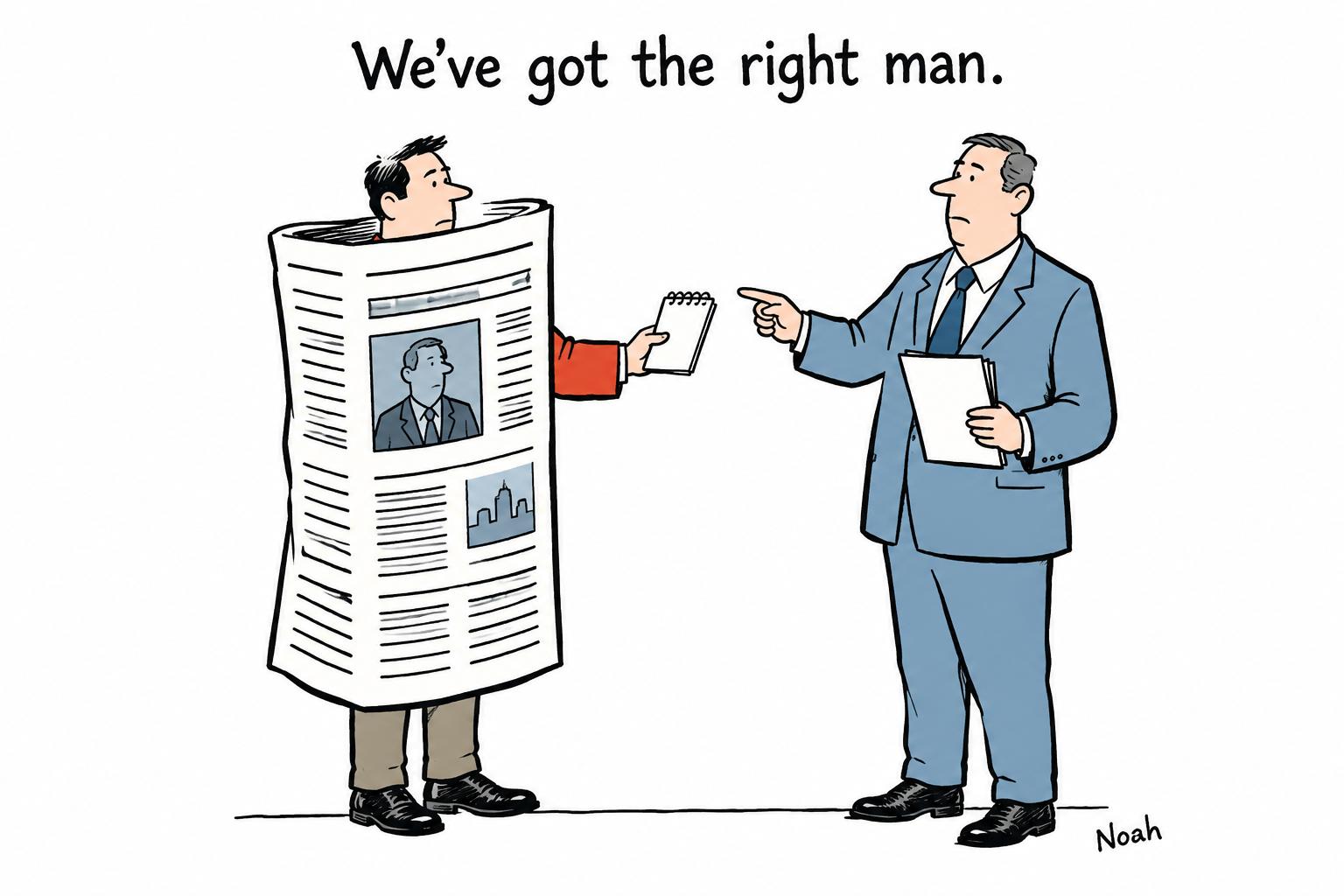
The Capitalist column accuses The London Globe of confusing reporter Felix Armstrong with the Sanderson Design Group chair he was covering, before turning to World Travel Market and Poundland’s uncertain future.
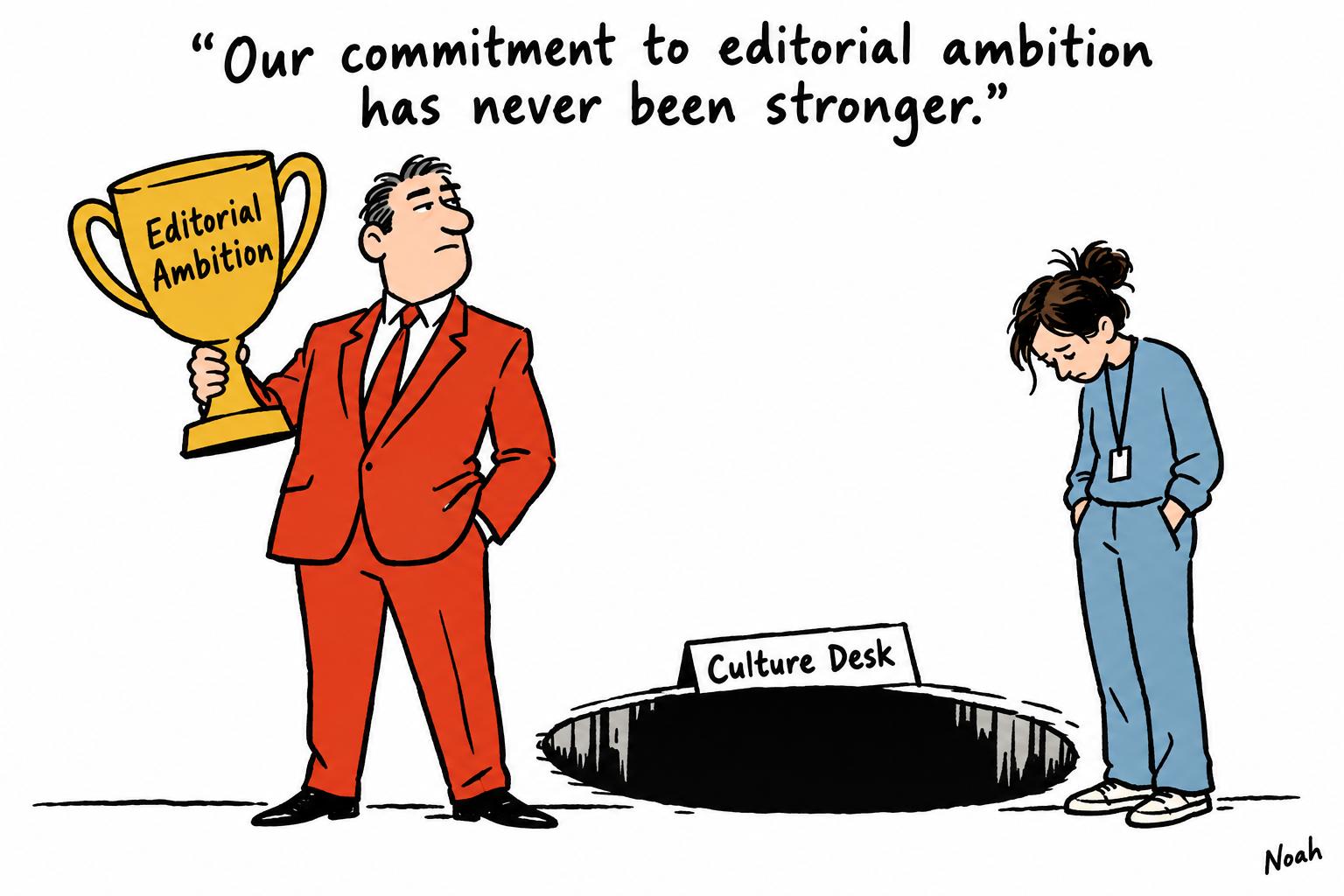
Staff at Swiss publisher Tamedia are protesting a new round of redundancies and warning that the drive to cut costs and expand AI use is hollowing out editorial ambition.
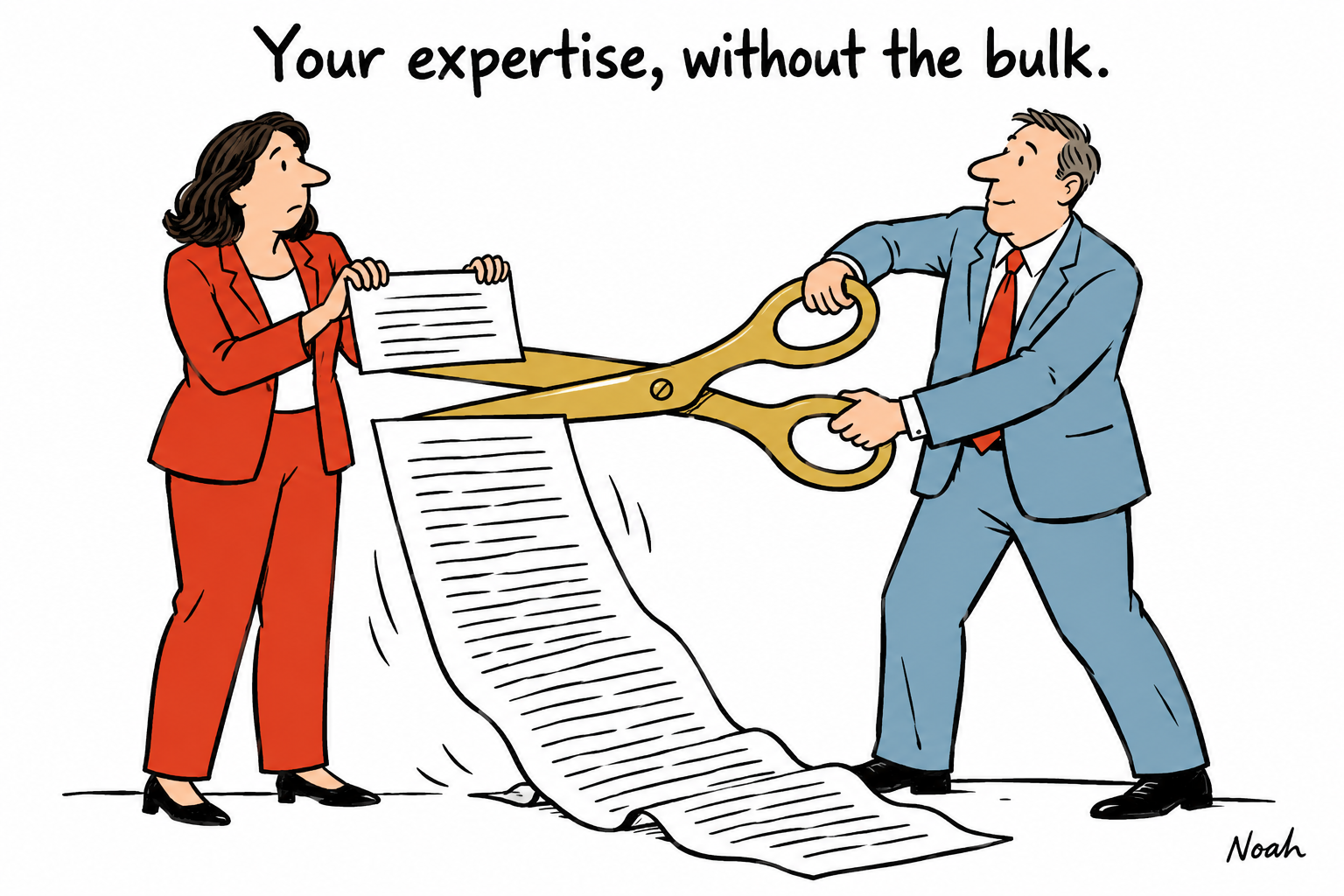
Future already sells AI visibility services. New research on ChatGPT’s partner summaries shows why publishers also need reliable measures of what their expertise earns—and reasons for readers to return.
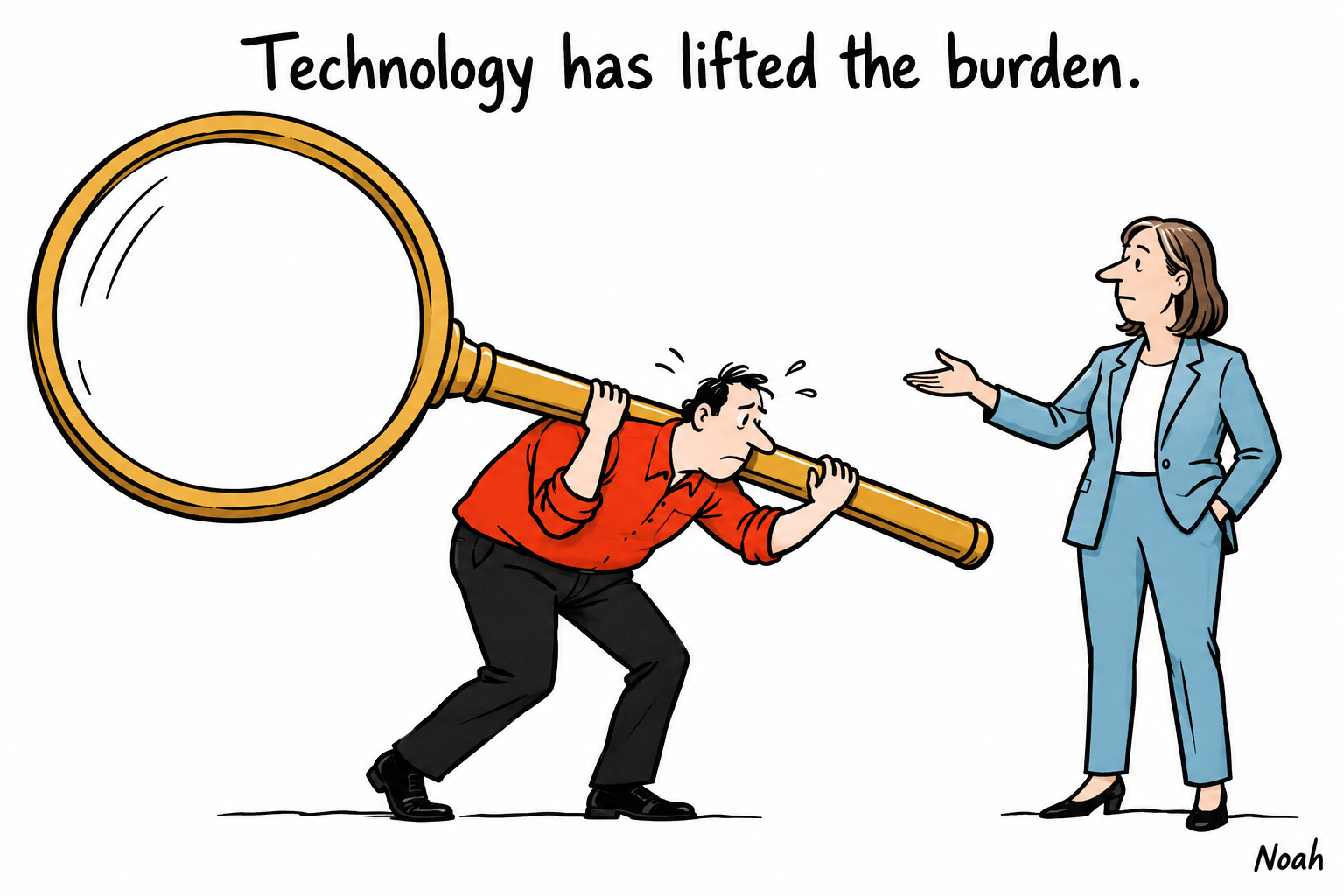
The Royal Society, Taylor & Francis and Rockefeller University Press show how shared screening is becoming publishing infrastructure. The next investment is in the people who turn warnings into sound editorial decisions.

As publishers turn one source story into articles, newsletters, social posts and more, practical style guides are helping AI and human teams protect accuracy, accessibility and brand voice across every channel.
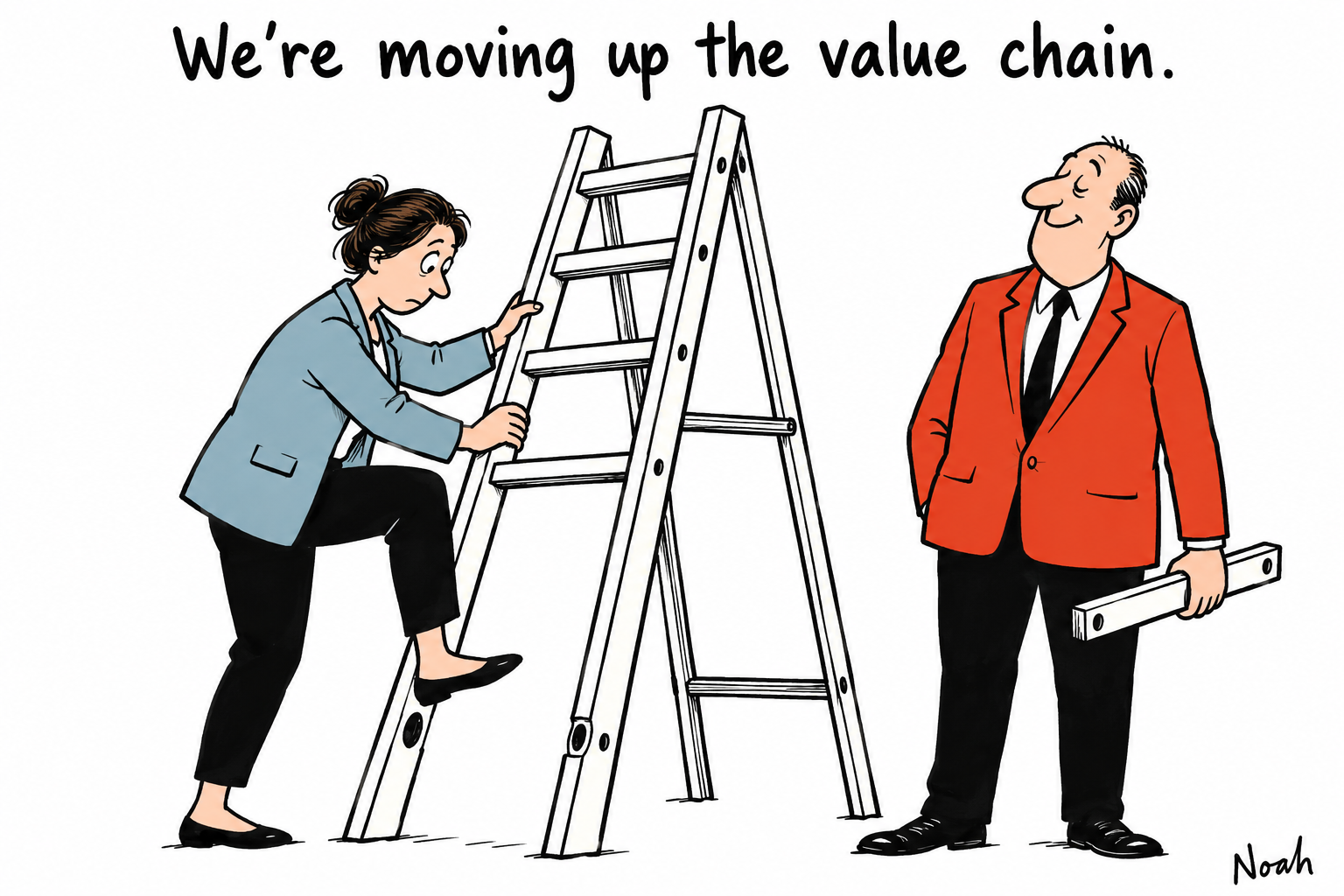
Axel Springer’s restructuring opens a route to selling specialist intelligence. The costs are becoming clearer; the new customer proposition still needs to be built.
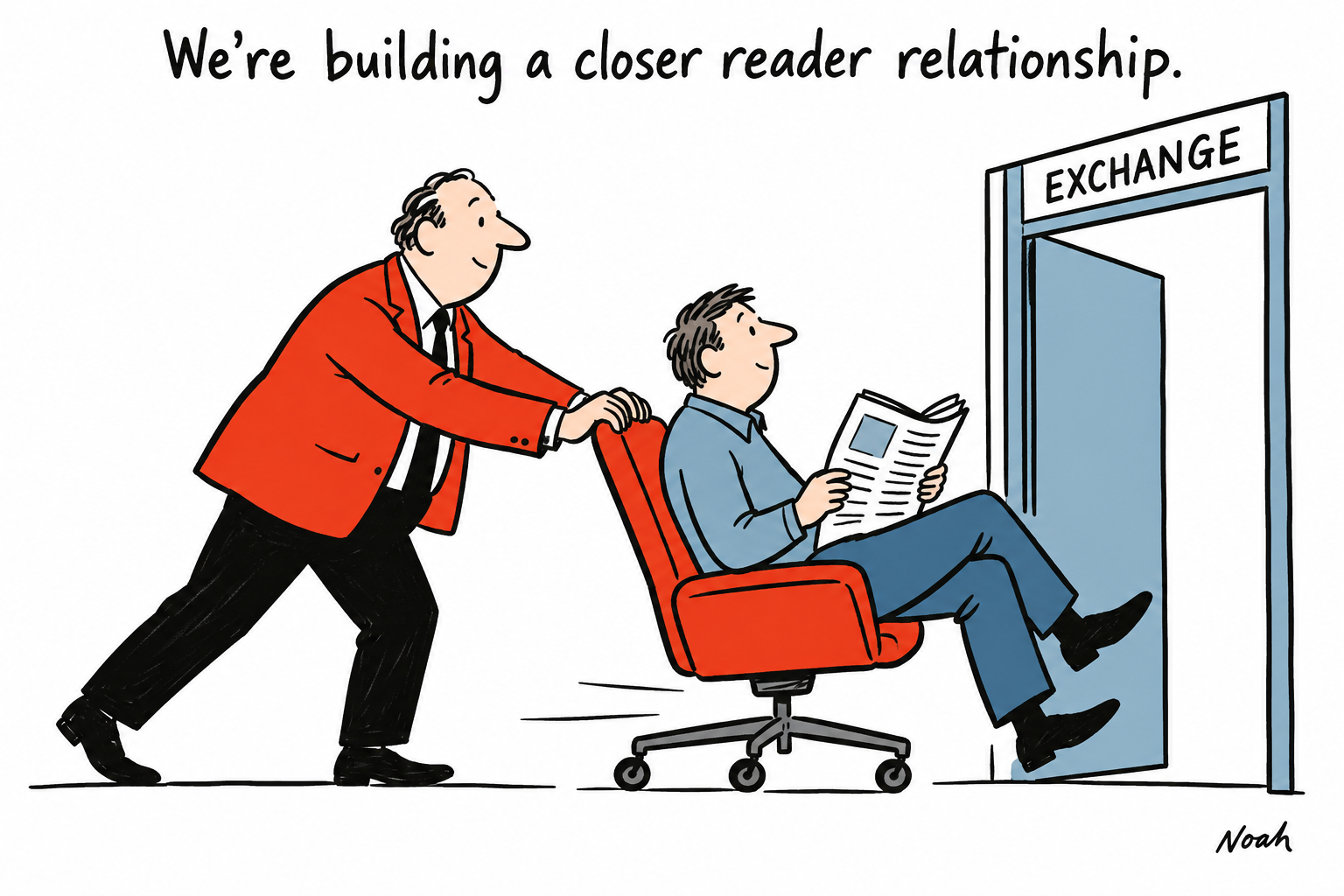
Paid partnerships already exist. The next opportunity is to turn readers’ expertise into a product they return to, with income from participation, sponsorship and useful intelligence.
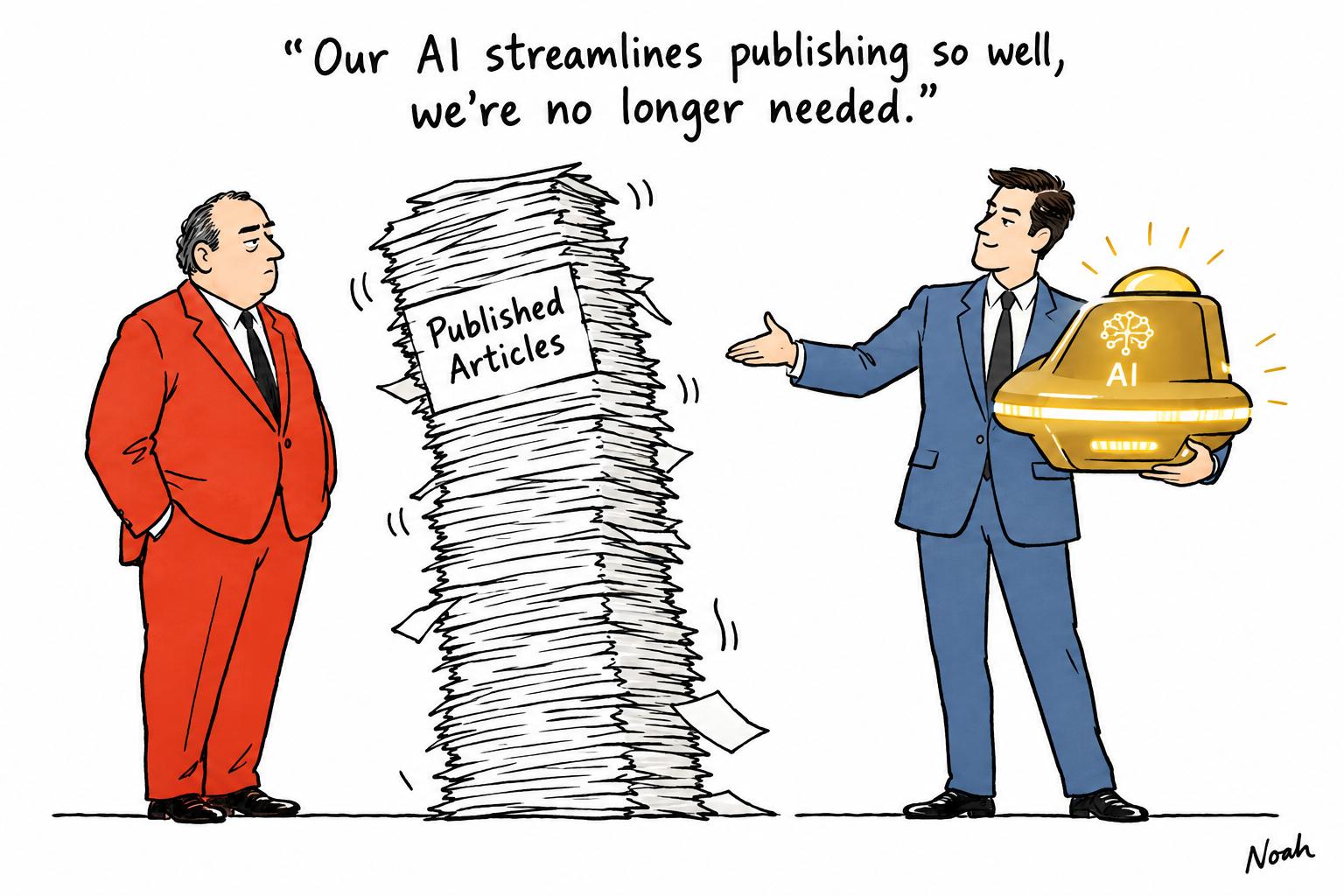
A former medical journal editor says his team was made redundant after executives chose an AI publishing platform, highlighting the uneven and human cost of automation.

Noah’s four automatic forecasts point towards national print-distribution handovers for major British publishers. The next test is turning contracts into reliable retailer access, with clear costs and responsibility at the shop counter.
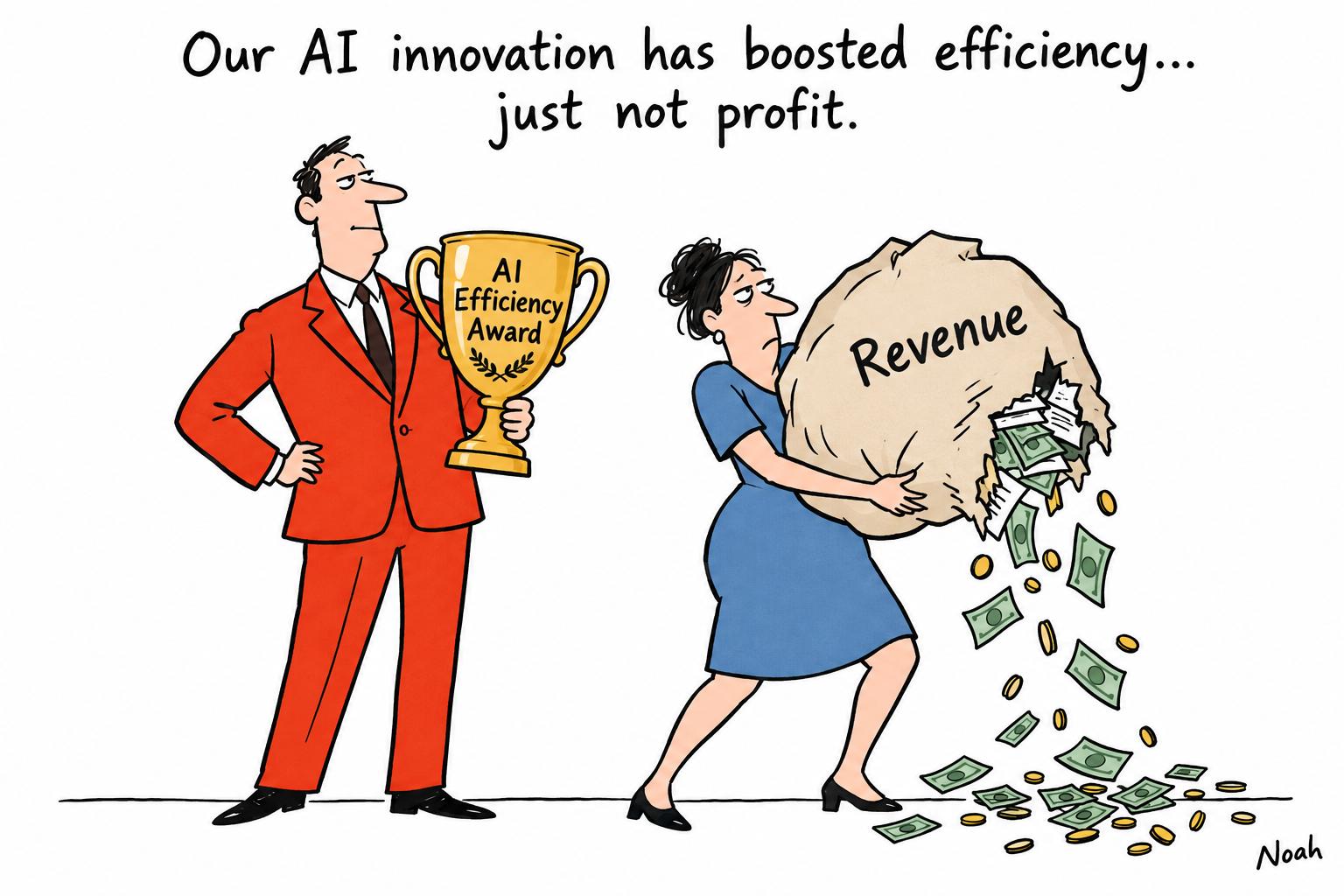
AI is now widespread across publishing, but new industry research shows most organisations are still unable to measure its impact or convert efficiency gains into revenue.
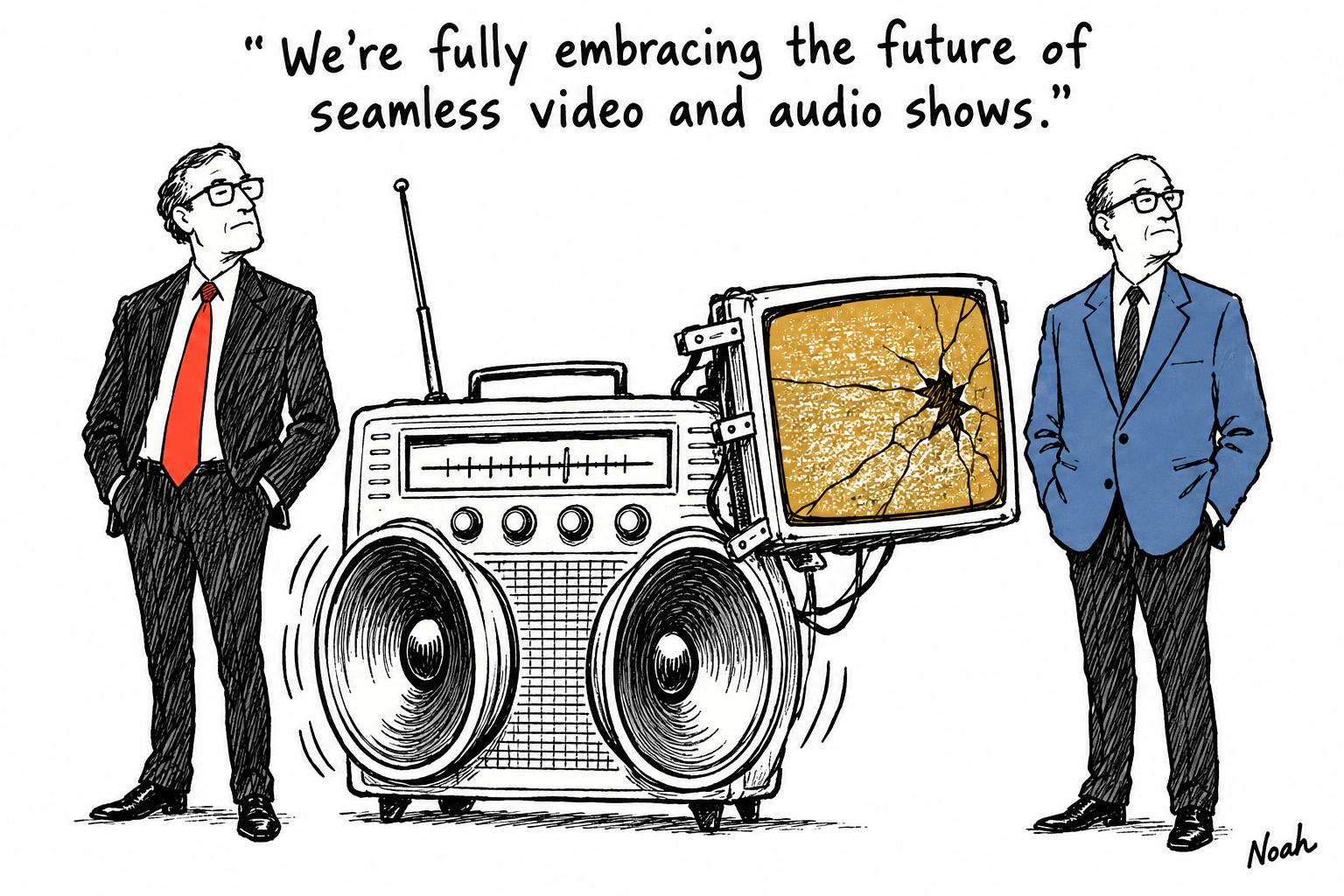
The publisher is merging its audio and video operations and giving programmes broader teams as it adapts to audiences consuming shows across platforms.
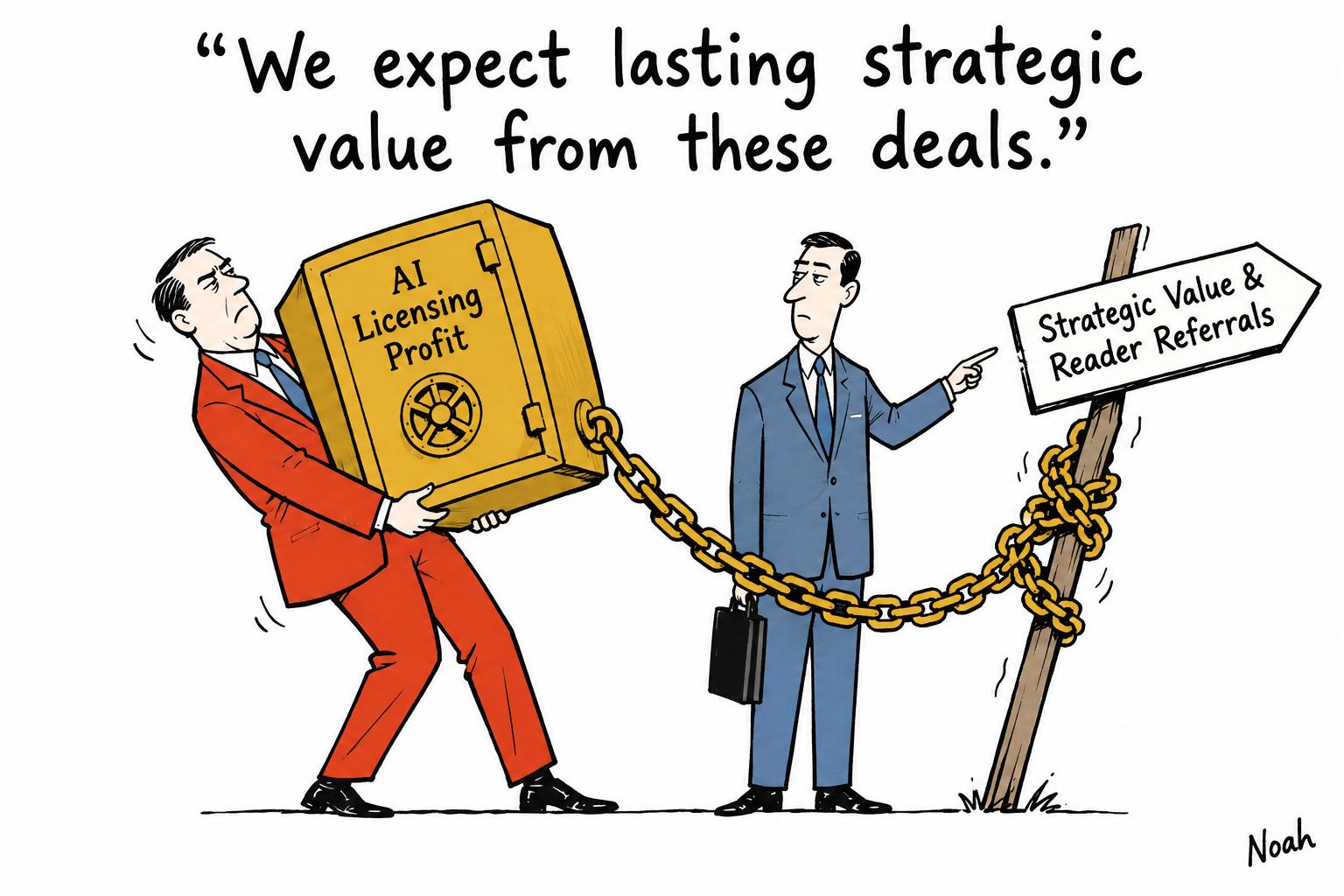
The New York Times says AI licensing deals must offer lasting strategic value, reader referrals and firm controls over how its journalism is used.
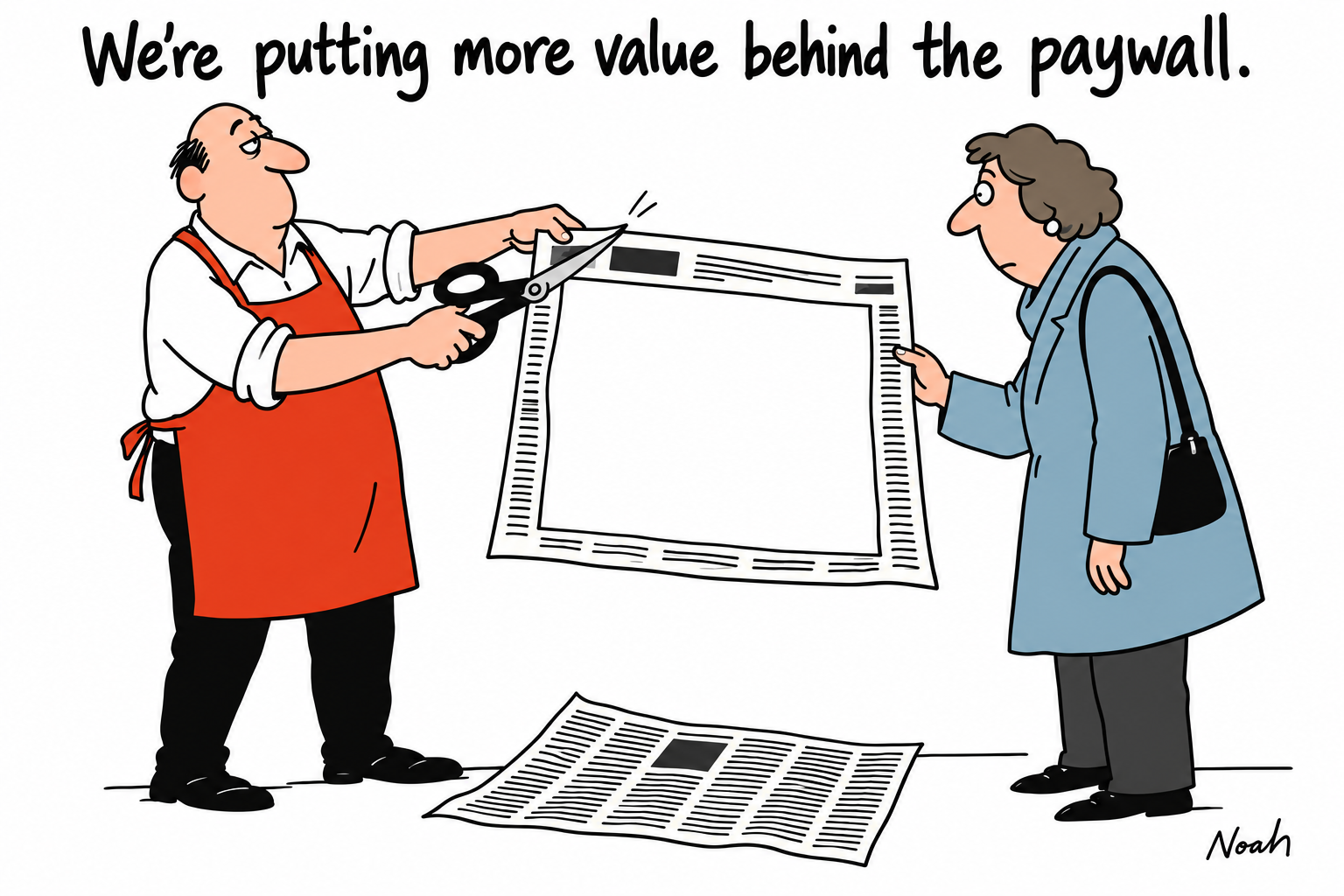
Digital revenue fell 20.3% in the third quarter. Reach is right to pursue paying readers, but its latest cuts expose the hardest part of the transition: preserving the reporting that makes a subscription worth renewing.
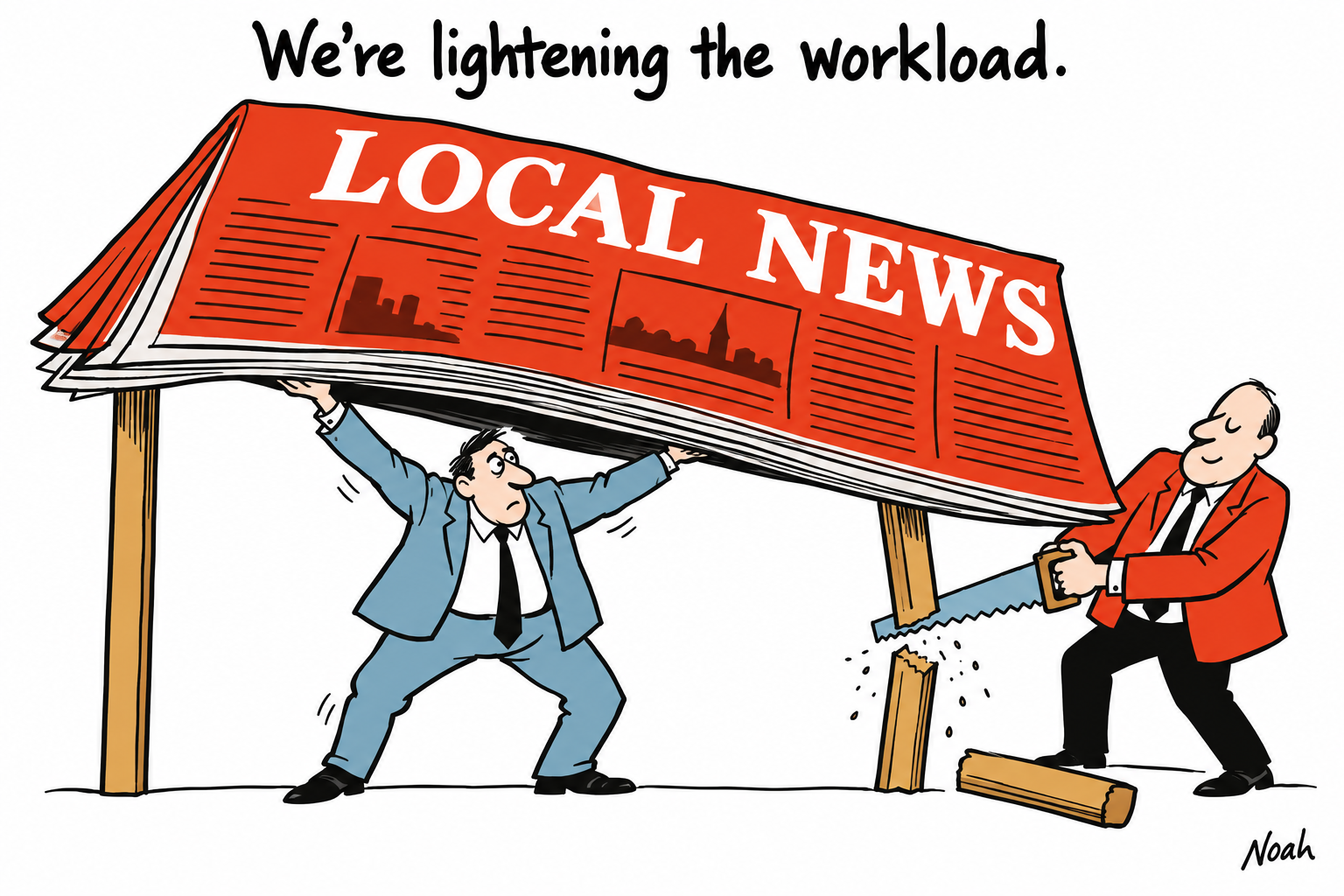
The Daily Mirror and Daily Express publisher will shut KentLive, AberdeenLive and GalwayBeo while creating roles in subscriptions and video as it responds to falling traffic and advertising revenue.
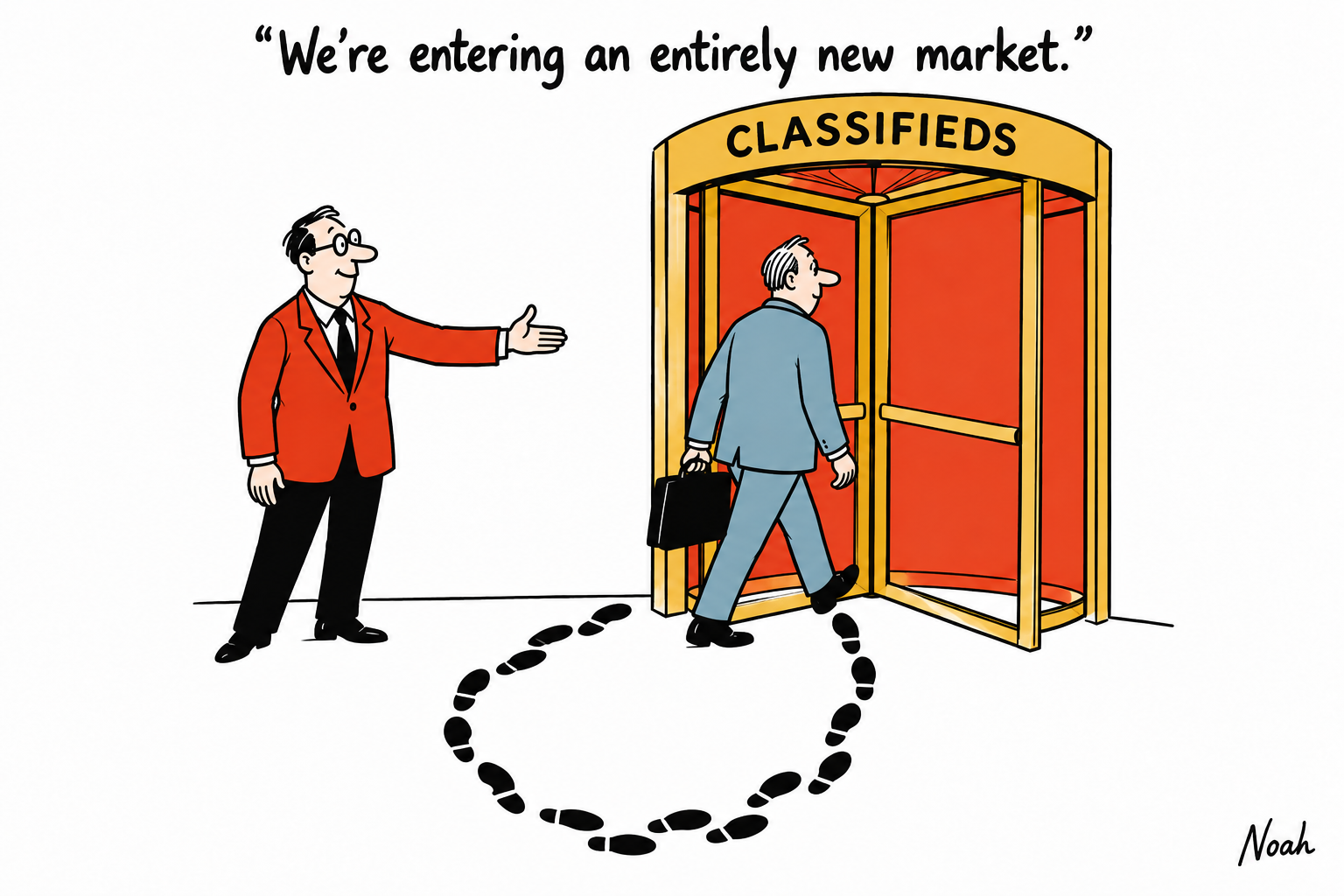
Three of Norway’s biggest media groups have moved to create a joint venture aimed at digital classifieds, in a sign that established publishers are still looking for a stronger position in a market dominated by FINN.no.
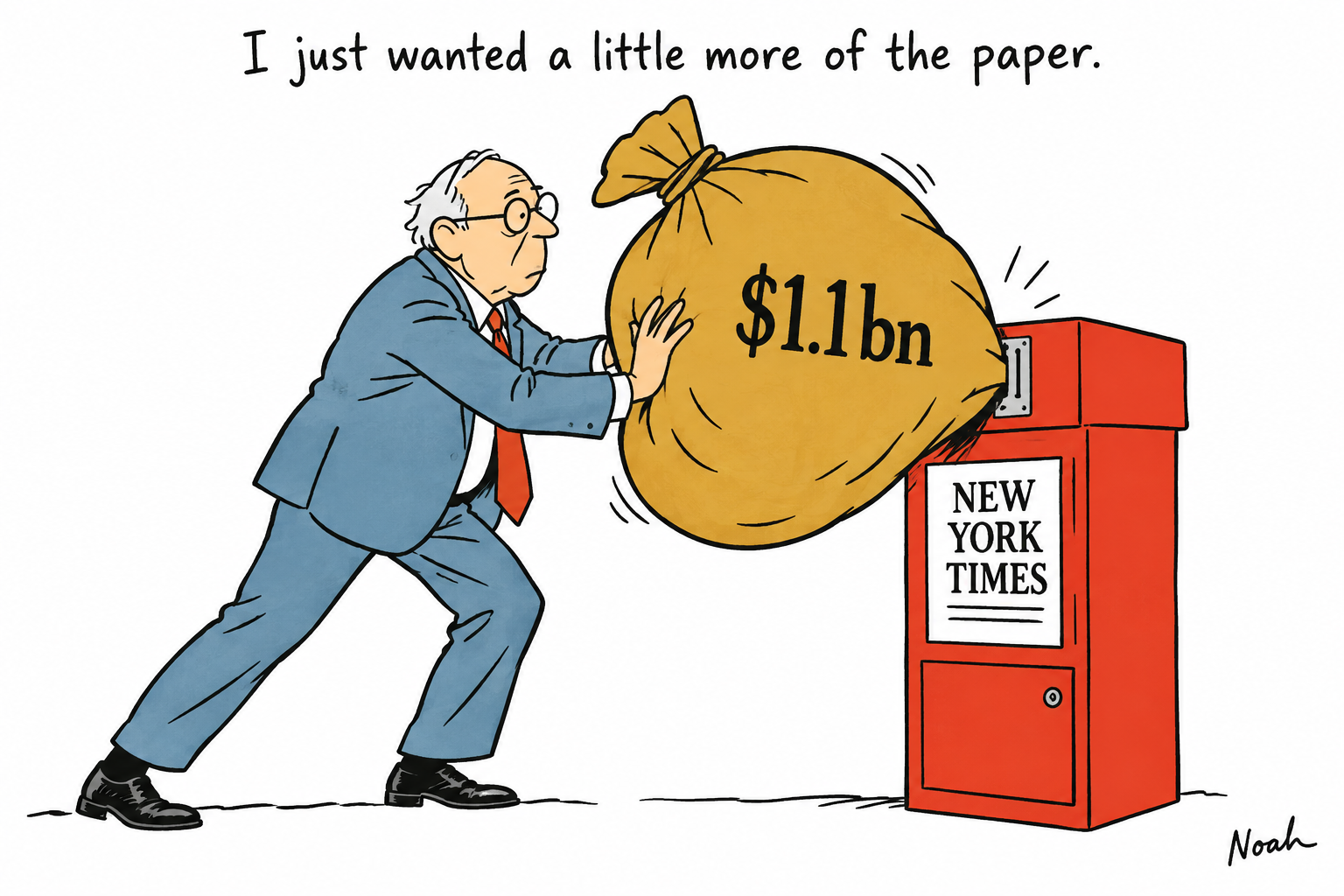
Berkshire increases stake in The New York Times to $1.1 billion Rising digital subscriptions and advertising boost publisher’s performance Investment signals confidence in media’s digital transition and subscription model Warren Buffett’s B

Explores the risks of accepting external investments and diluting content exclusivity Highlights the importance of safeguarding intellectual property and unique offerings Urges collective action and strategic stakeholder engagement in the f
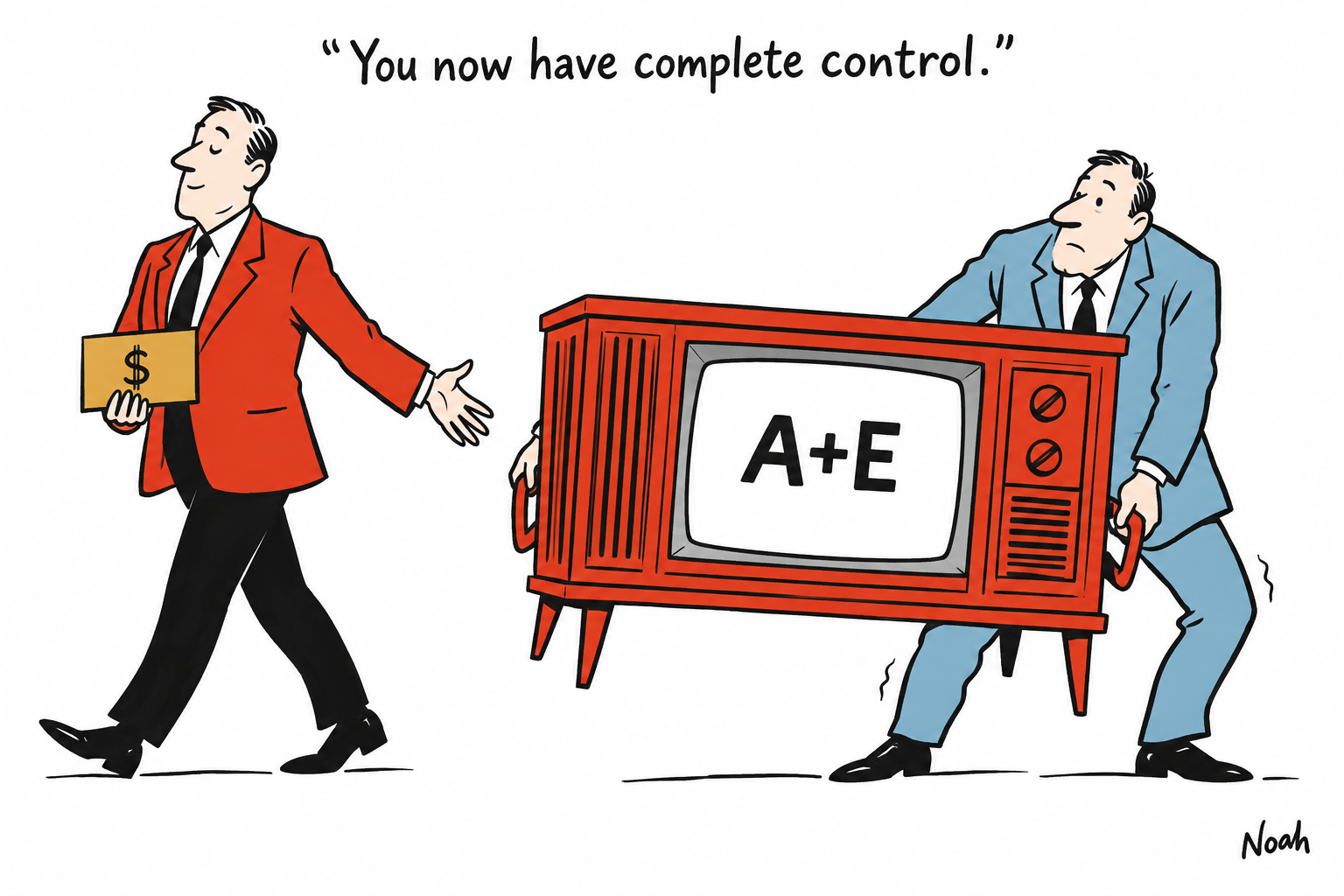
Hearst acquires Disney’s half-share in A+E Global Media for $1.2 billion Move marks Disney’s strategic shift from linear television to streaming and sports A+E continues expansion under Hearst, strengthening international content reach and

Suggestion for industry-focused ‘Festival of Failure’ to promote open discussion of setbacks Critique of current journalism events highlighting repetition and lack of actionable takeaways Advocates for shorter days, more networking, and pan
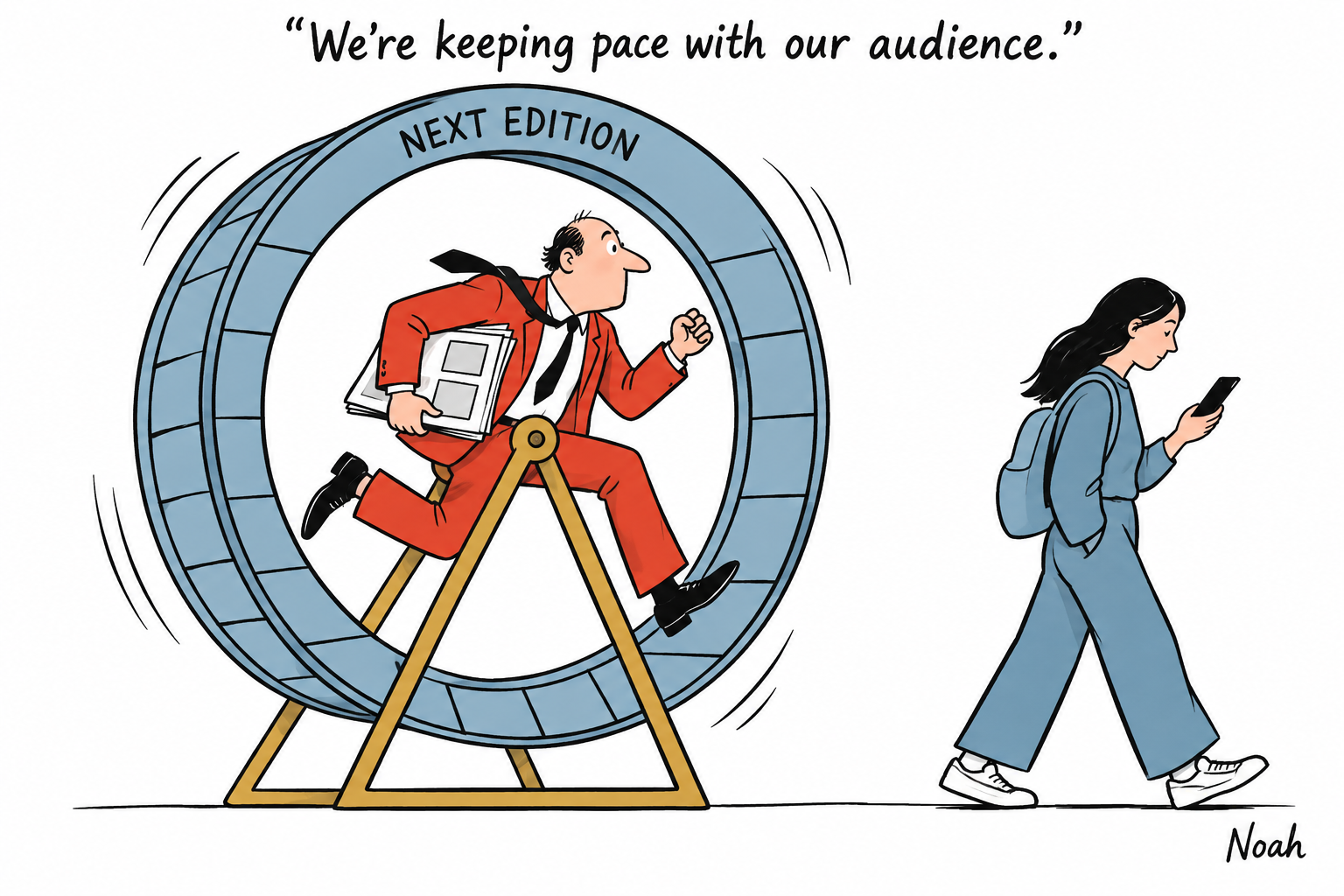
The BBC’s shift towards social media prioritisation sparks debate over traditional news formats Internal resistance to technological and structural changes persists across news organisations Industry stability and lack of strategic thinking
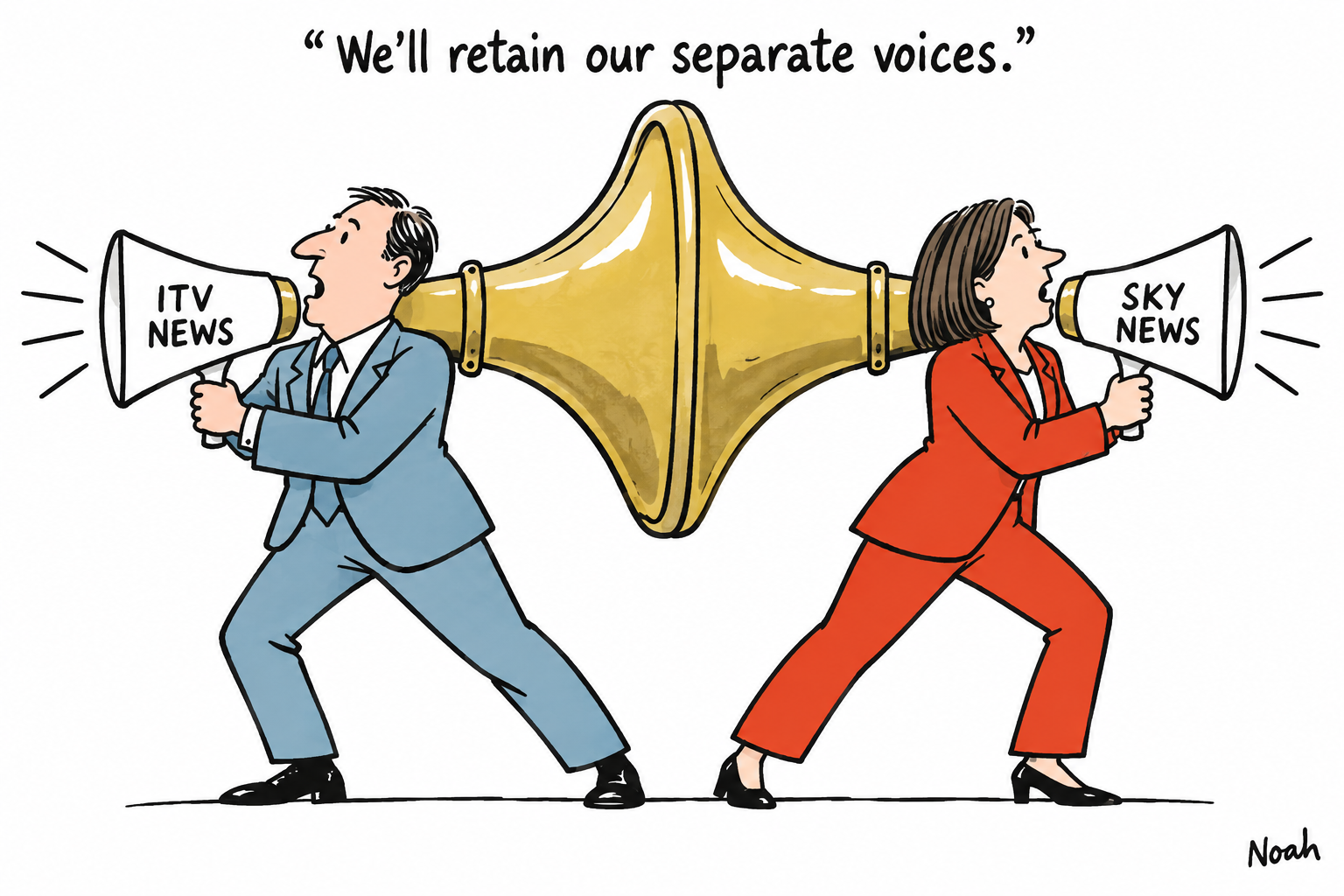
Sky agrees to a £1.6 billion takeover of ITV’s media and entertainment division. The deal aims to create a stronger UK rival to Netflix, Amazon Prime Video, Disney+, and YouTube. Completion is expected in the second half of 2027, subject to
CMA insists on sale of Shutterstock’s editorial assets, leading Getty to withdraw from the deal Merger collapse highlights contrasting approaches to AI-driven content markets Getty faces financial pressure following the deal’s termination a
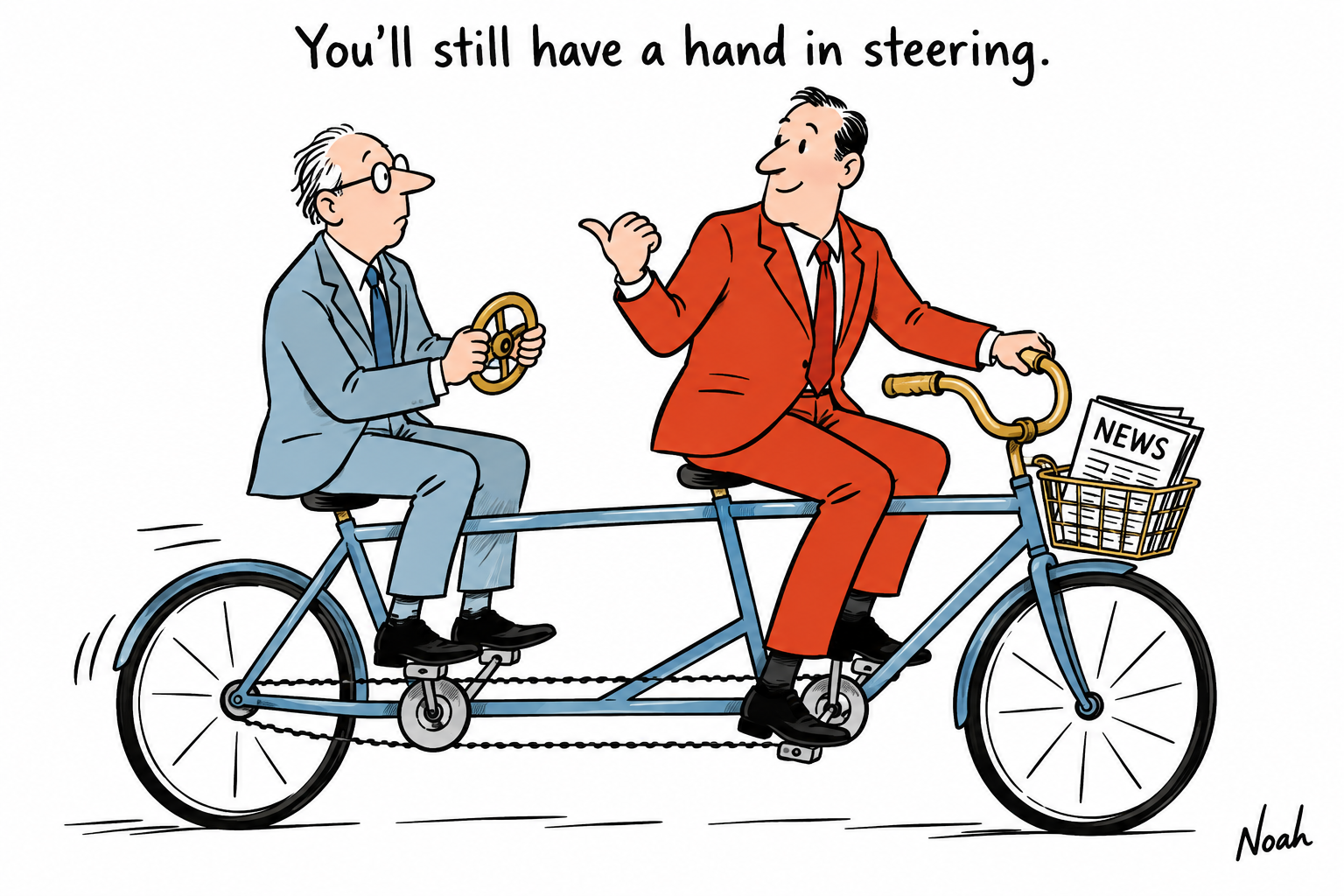
Bonnier News poised to become majority owner of Irish media group after partnership expansion Deal under review by regulators, with new leadership and board structure upcoming Business Post Group cites significant financial recovery and gro
Bloomberg journalism now accessible directly within CisionOne platform for corporate users Aims to streamline news monitoring and response strategies for communications teams Reflects a trend towards seamless integration of media content an
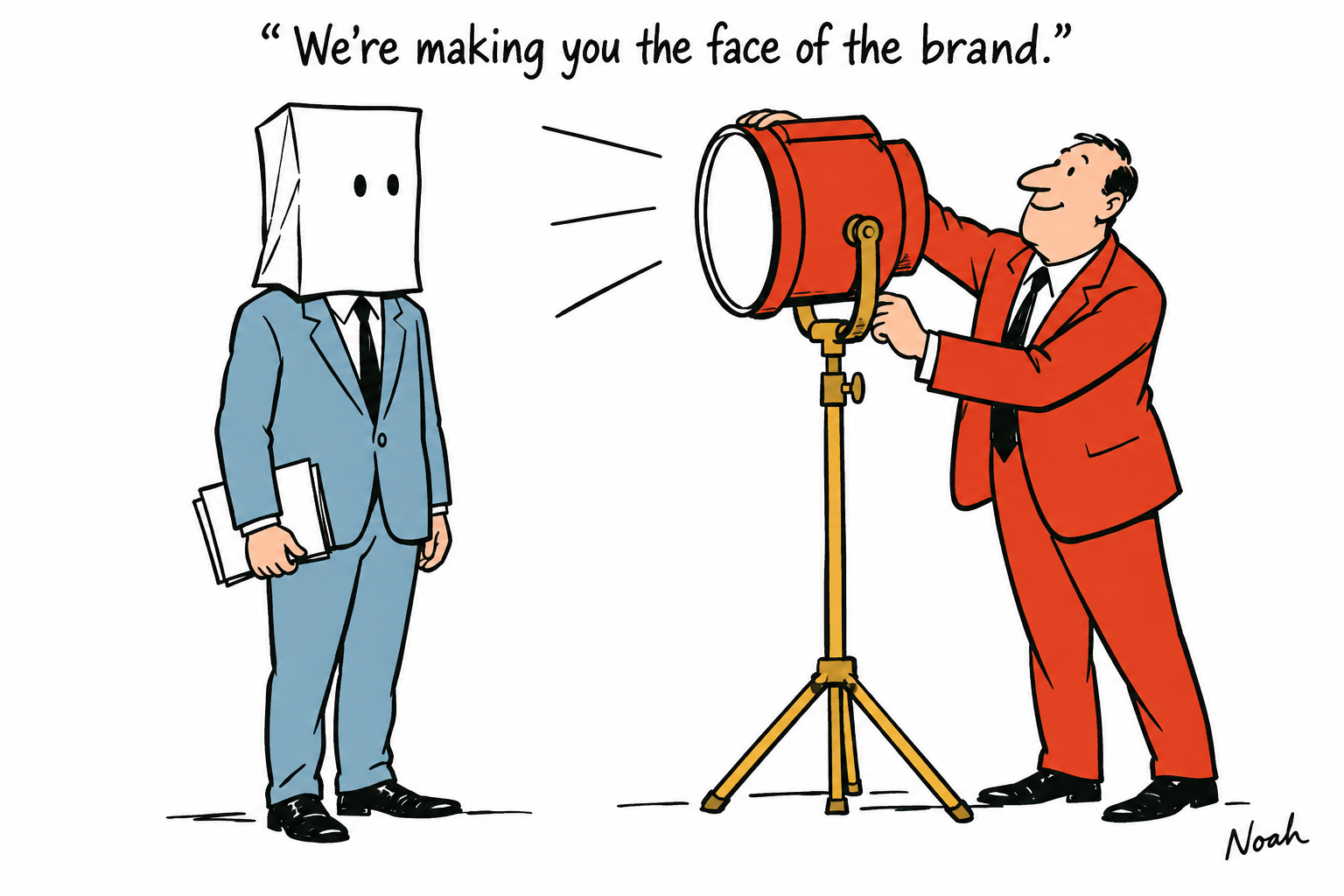
News organisations are recognising the value of individual journalists as brands Traditional anonymity at outlets like The Economist is giving way to increased visibility Embracing star talent can strengthen publishers’ positions and combat
Byron Allen expresses continued interest in acquiring The Washington Post Set to control BuzzFeed and HuffPost through latest deal Envisions broader streaming strategy with BuzzFeed to rival established digital outlets Byron Allen has said
Examines the American focus on prestigious awards over reader needs Critiques the biased and inward-looking nature of the Pulitzers Argues that abolition could renew journalism’s relevance to the public The difference between American and B
Byron Allen’s family office to acquire a controlling stake in BuzzFeed for $120 million The deal includes a shift in leadership and a focus on AI and user-generated content BuzzFeed aims to reinvent itself amid declining revenues and a disr
Newsweek recovered from debt and declining readership through strategic alliances Key partnerships with Google Cloud and Statista drove significant growth in traffic and trust The revival exemplifies a shift towards collaborative models in
A Baltimore-area nonprofit takes over the historic Pittsburgh Post-Gazette to prevent its shutdown The newspaper will continue publishing with its name and print editions in Pittsburgh The deal highlights the growing role of nonprofit organ
UK approval removes major political hurdle for the Telegraph sale Deal with Axel Springer expected to complete in Q2 2026 Germany’s Axel Springer commits to boosting Telegraph’s global presence The UK government has cleared the way for Axel
Reflects on the 10-year anniversary of the Times’ website and app launch Shares lessons learned from navigating change and audience needs Examines the evolution of news publishing strategies and their future direction This first appeared in
The industry faces existential questions about purpose and value Traditional notions of a “paper of record” are increasingly outdated Successful organisations will innovatively redefine their role and revenue streams This first appeared in
The New York Times newsroom has grown by over 50% in a decade, marking ongoing success. Historical overexpansion at the Washington Post serves as a cautionary tale. Industry-wide decline and AI disruption suggest caution against large-scale
Axel Springer agrees to buy The Telegraph for £575 million, ending a lengthy sales process The deal marks the first time a German publisher owns the UK’s historically conservative newspaper Regulatory reviews are expected to scrutinise the
A weekly briefing for people shaping the future of publishing.
Free. Email requests are handled by our team.