The Telegraph’s podcast club runs on YouTube’s terms
The publisher’s Ukraine show charges for extras while keeping its reporting free. The Economist’s latest results show why another British publisher uses video to make a different sale.
223 stories · newest first

Claude suggested the ad placement after examining the publisher’s code. The figure comes from a feature MarketBeat sponsored in SiouxFalls.Business.

The London publisher’s online shop is live in four markets. Its retail partner handles the order. What matters to the publisher is what it earns and learns when readers buy.

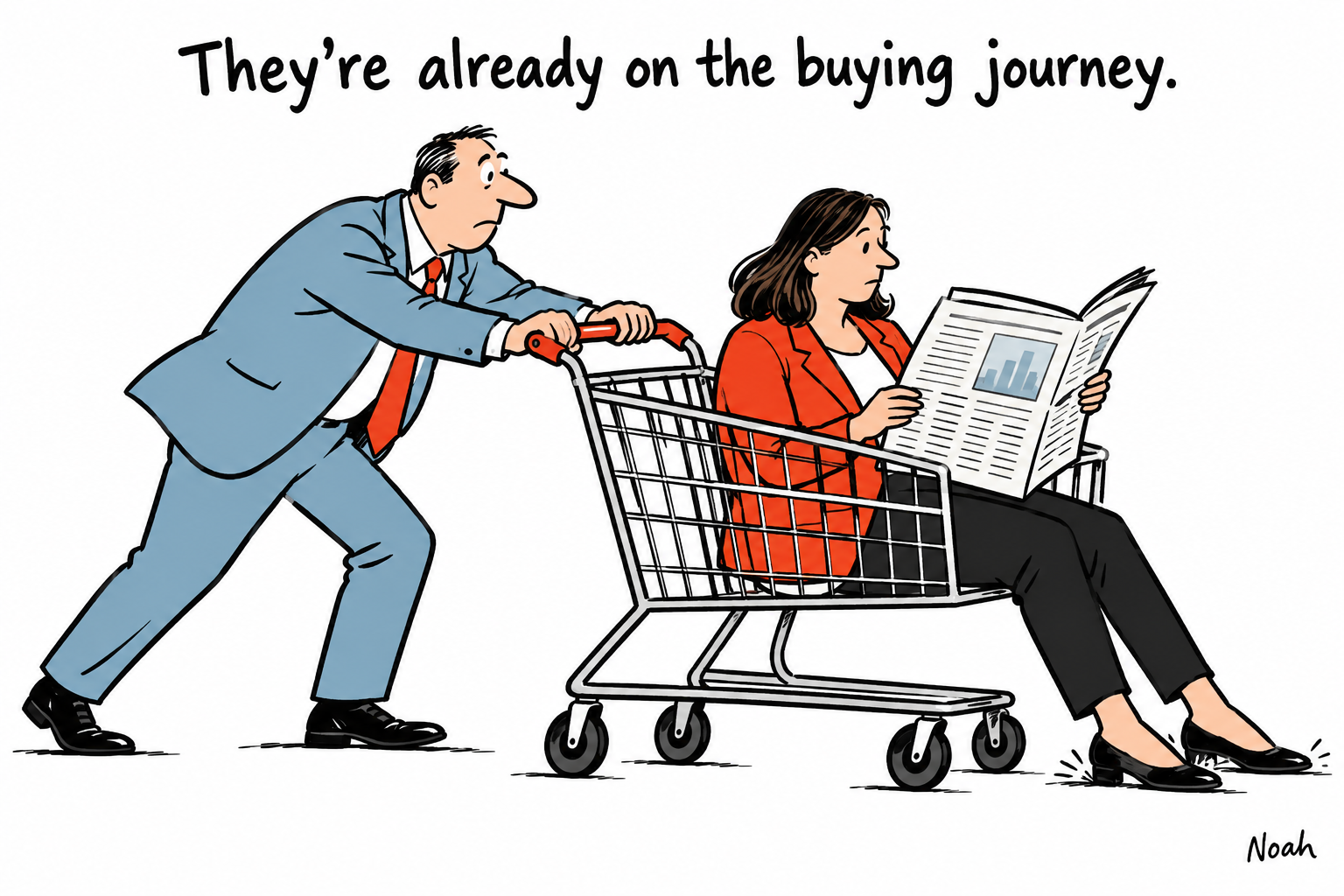
AI could help publishers win more of the business they already pitch. The bigger prize is finding out what customers would pay for next.

Live shopping takes publishers from creating demand to taking orders. HarperCollins’ growth shows the opportunity, but the platform’s report leaves the value of the extra sale unresolved.

A Gemini-powered simulation proposed audience profiles and subscription tactics for the magazine, but its fictional persona and campaign recommendations have not been tested with real readers.

CB+ offers specialist publishers a route to reader revenue while keeping journalism open. Its early tests show why access can sell, and why the cost of delivering it matters.

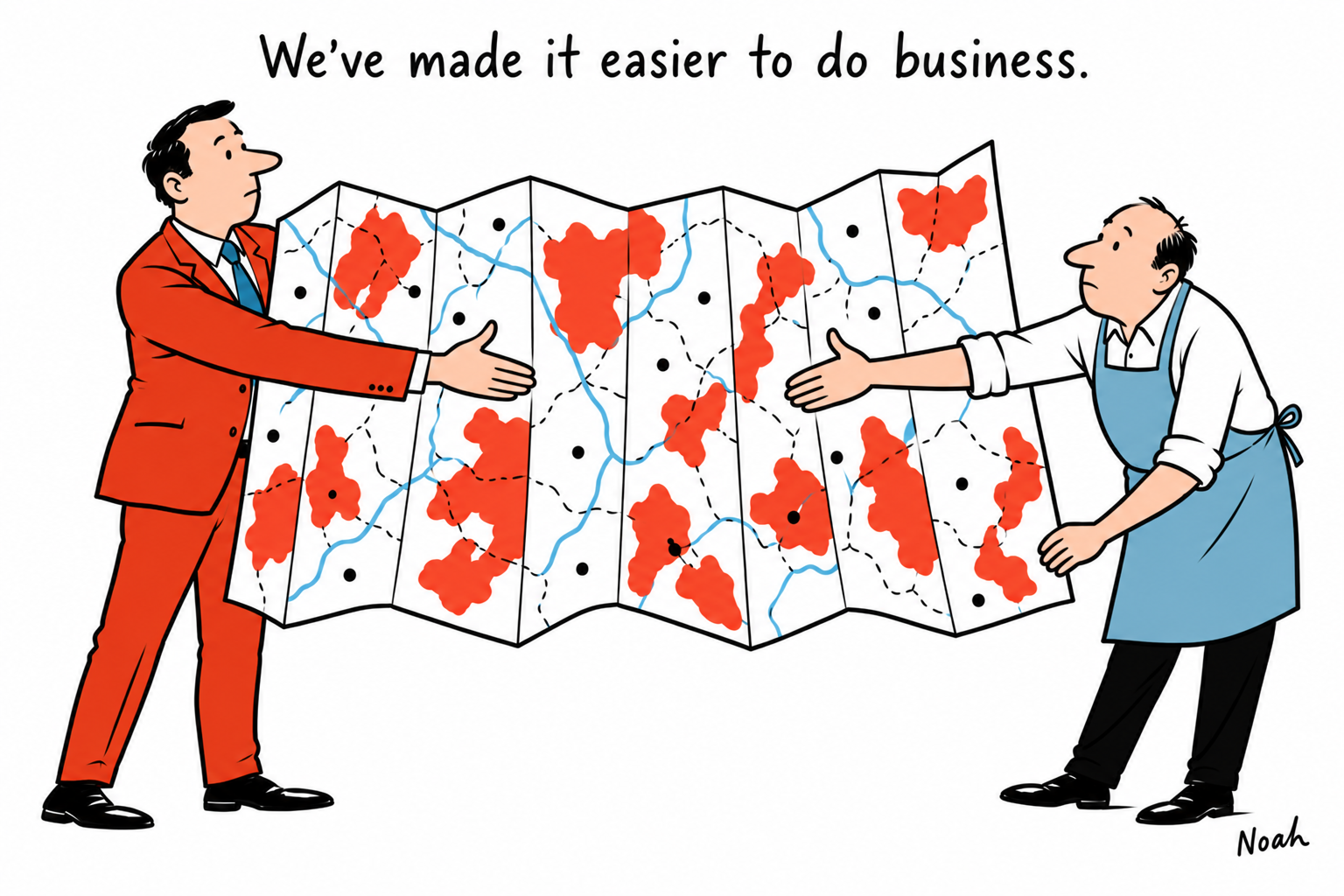
The first commercial deal for the Internet Licensing Collective opens access to a new buyer. Its value to publishers will depend on how reported use becomes a checkable share of revenue.

News groups are rebuilding the machinery that turns readers into advertising revenue. Higher page yields and more clicks are promising, but the commercial prize depends on what publishers retain and what advertisers gain.

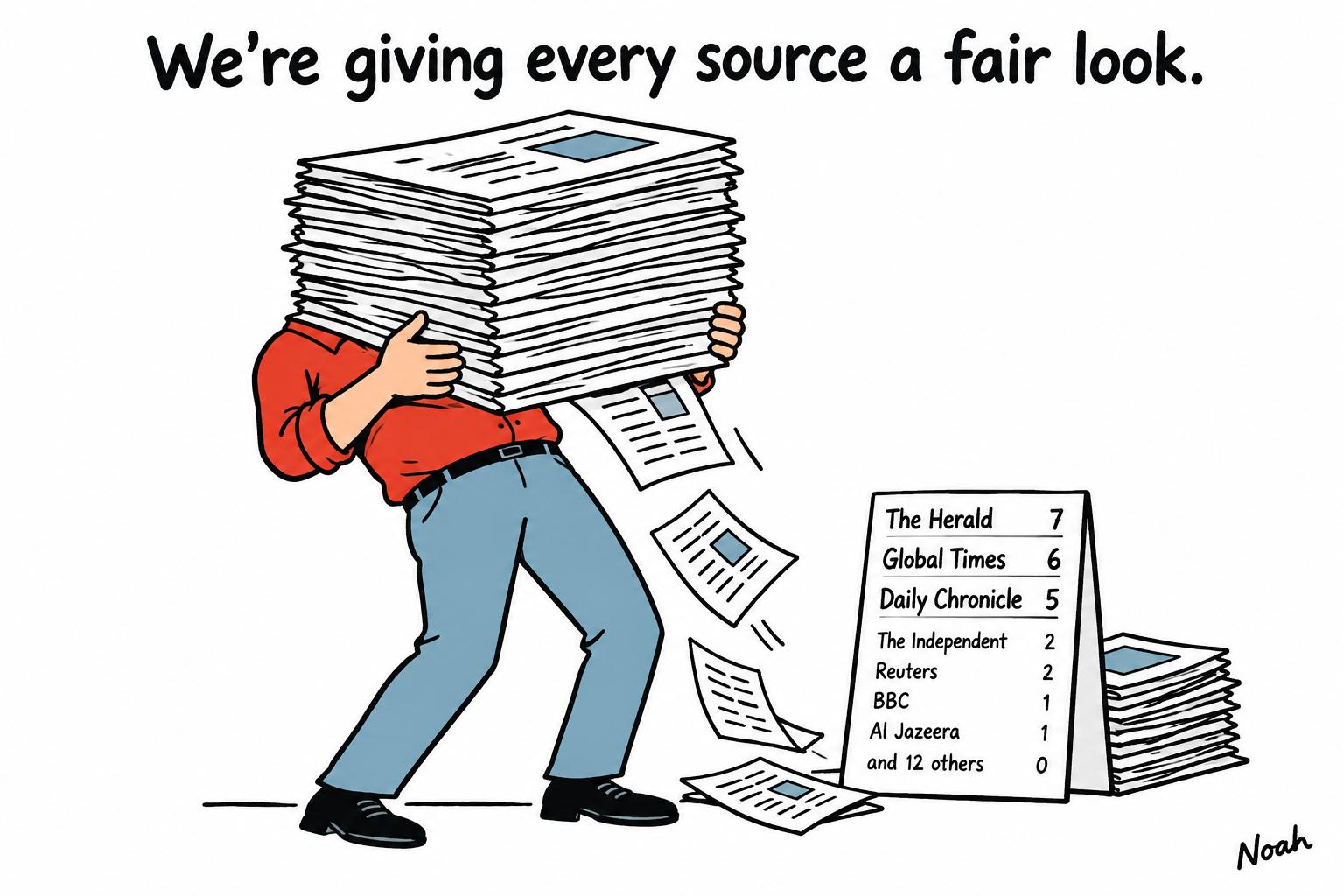
The service combines automated discovery with editorial selection, bringing reporting from multiple publishers together while offering tools to track which sources feature most prominently.

The feasibility trial at two publications will assess whether GPT-NL can suggest accurate, on-brand headlines and flag copy issues, with journalists retaining editorial control.

OpenAI’s new business dashboard puts platform data beside publishers’ AI visibility claims. Future and the Daily Mail have an opportunity, but selling evidence will require more than a rising mention count.

Display advertising grew in the latest UK publisher survey, while total revenue fell. The commercial challenge is to reach new budgets without rebuilding the same dependencies.

Digital subscriber growth at The Times sits alongside falling earnings in its wider division. The figures demand a closer look at what customers pay and what it costs to keep them.

Standalone social campaigns are bringing in money. Publishers copying the model should look past viewing figures to production costs, spare capacity and repeat orders.

Planned one-off guide sales could turn occasional usefulness into revenue. The opportunity is worth testing—provided the product earns its price and the subscription keeps its value.

Focused reader research gives the British publisher a commercial product. The lesson for others is to solve a recurring buyer problem, reward participation and charge for the work.

StoryFlow gives one brand the mobile page. Publishers should test the value of that exclusivity, price the creative work properly and protect the reading experience that makes the page worth buying.

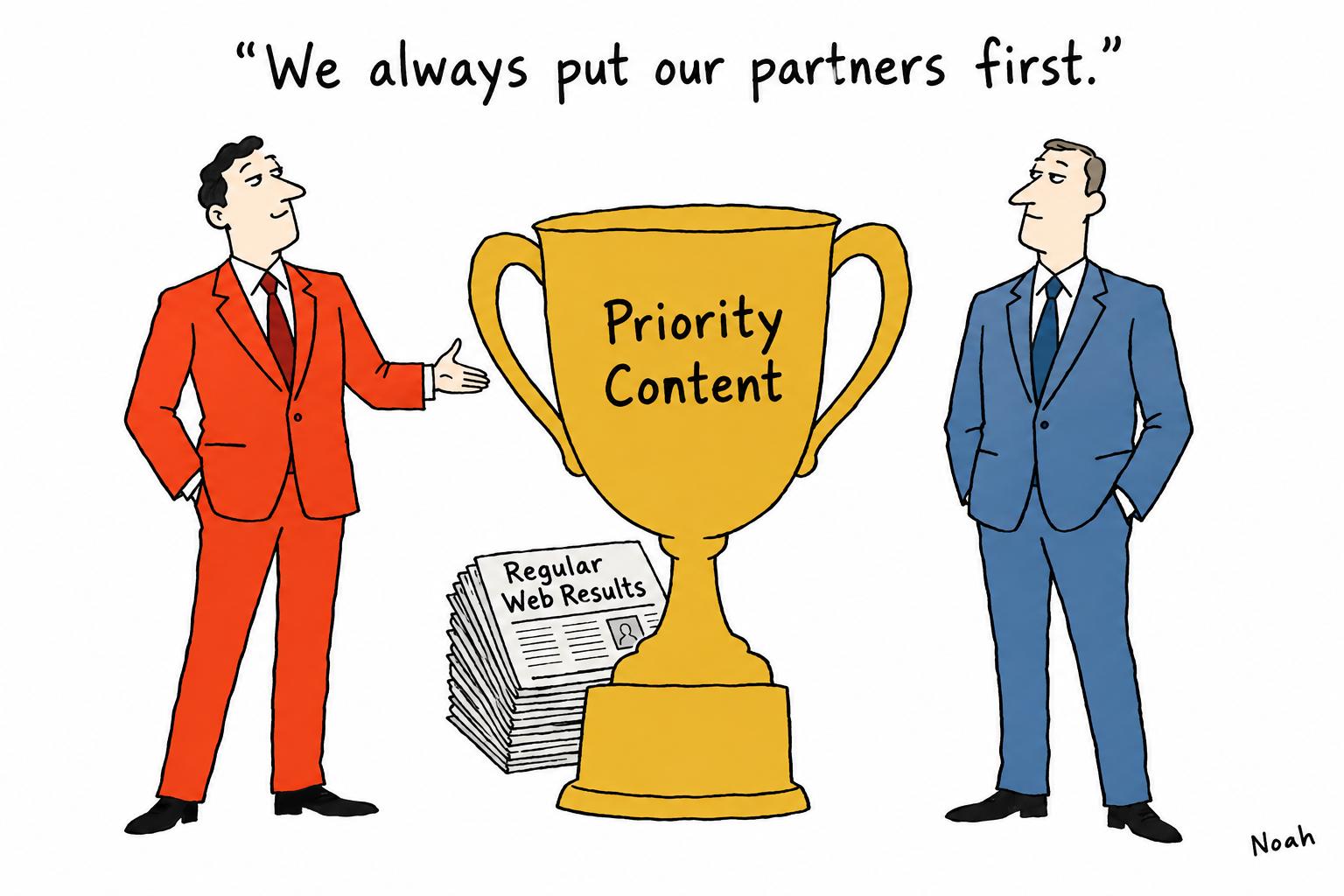
An analysis of ChatGPT's search pipelines suggests content from OpenAI's publishing partners is supplied as pre-written summaries and placed ahead of ordinary web results.

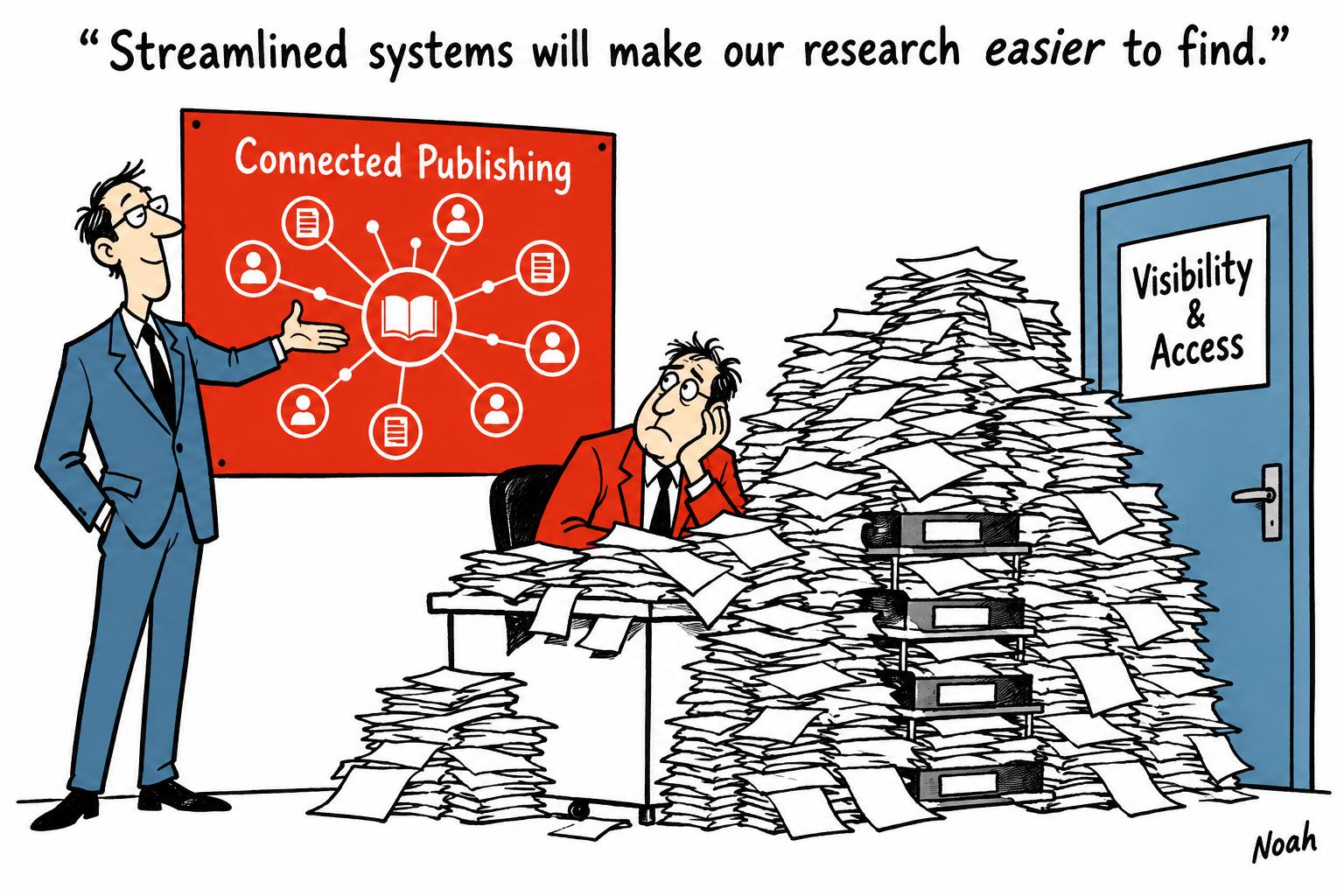
Integrating submission, peer review, production and distribution could ease administrative pressure while making African research more visible, accessible and discoverable.

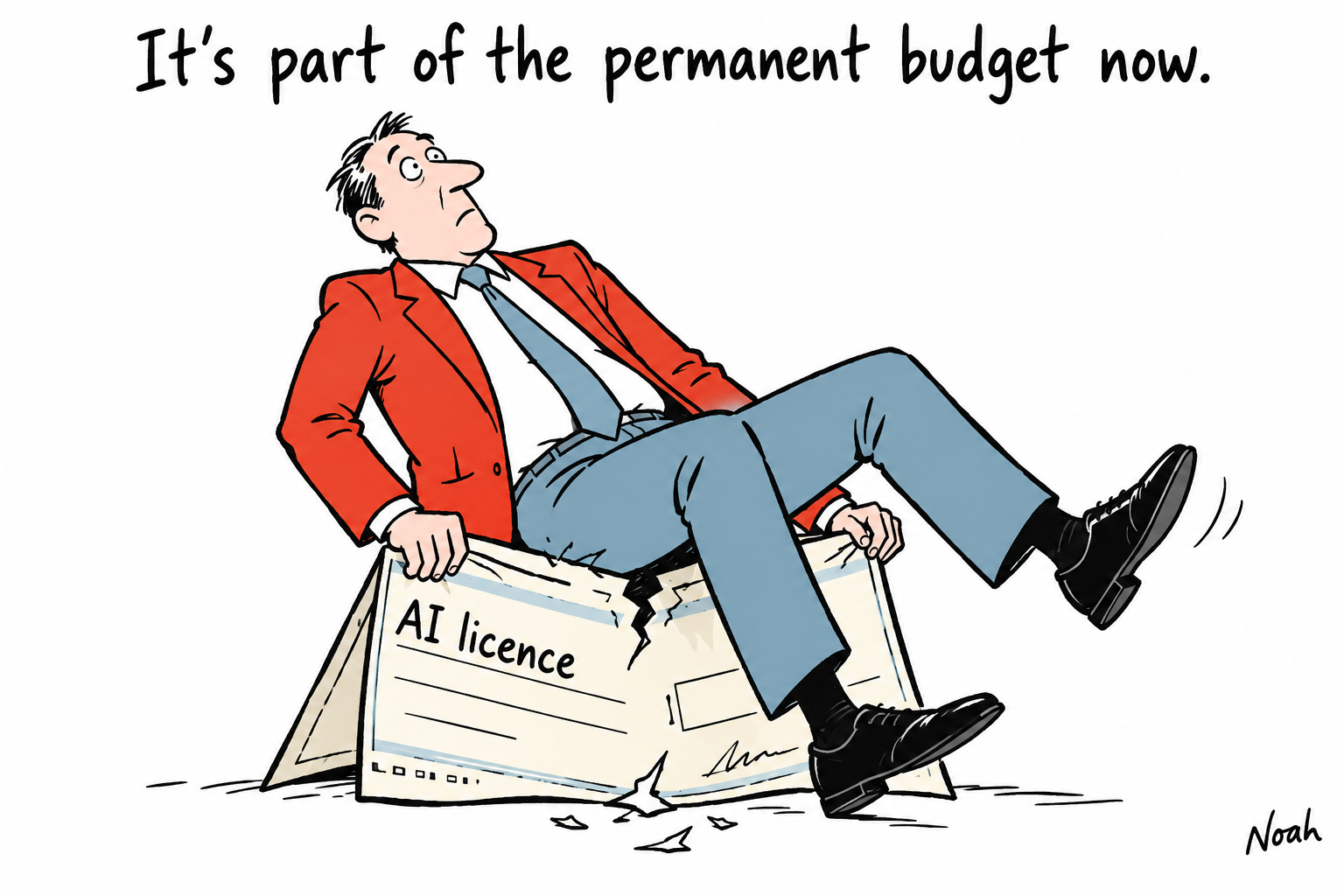
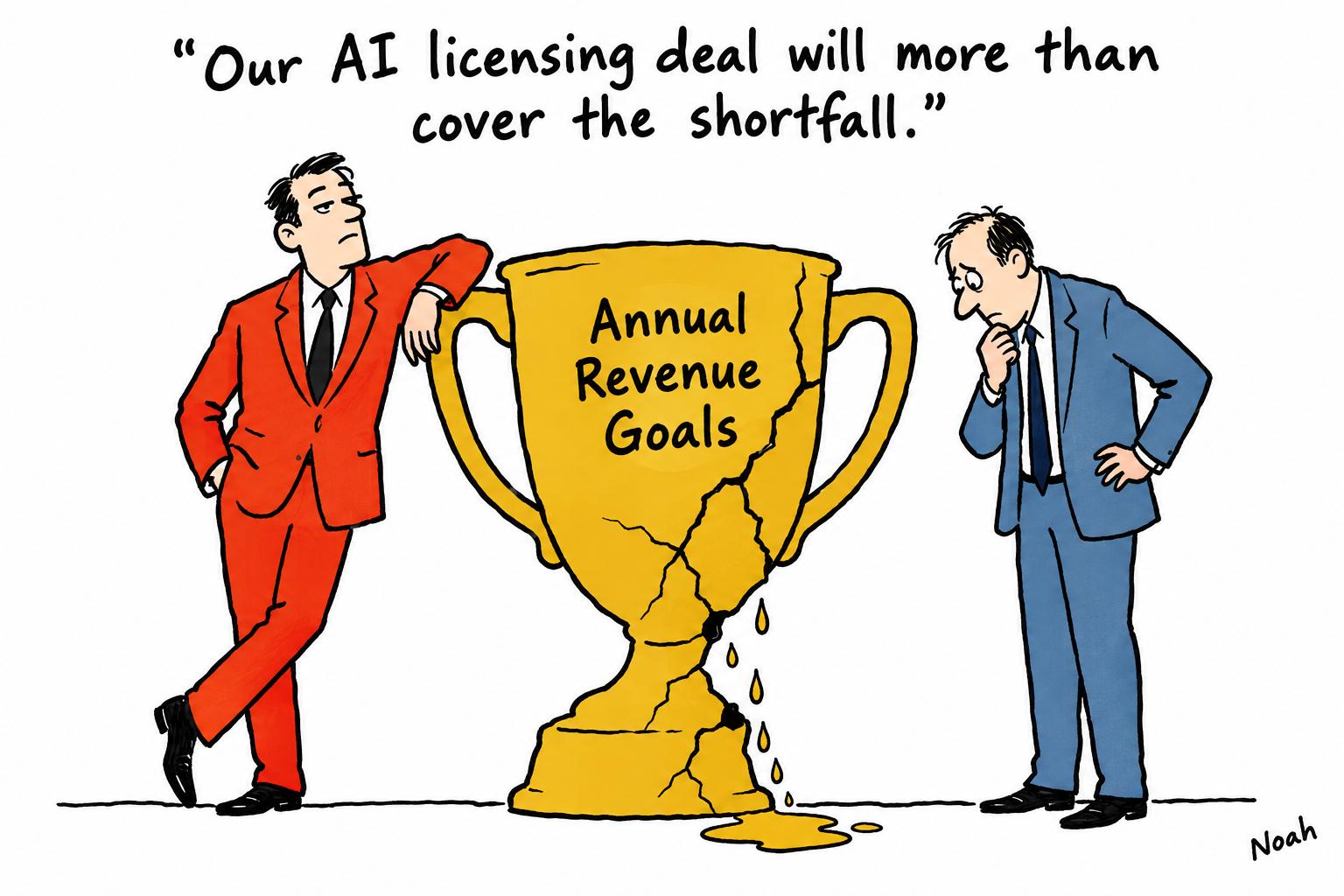
The money is real. Its reliability is a different question. Publishers should pursue licensing while keeping windfalls separate from the income that pays lasting bills.

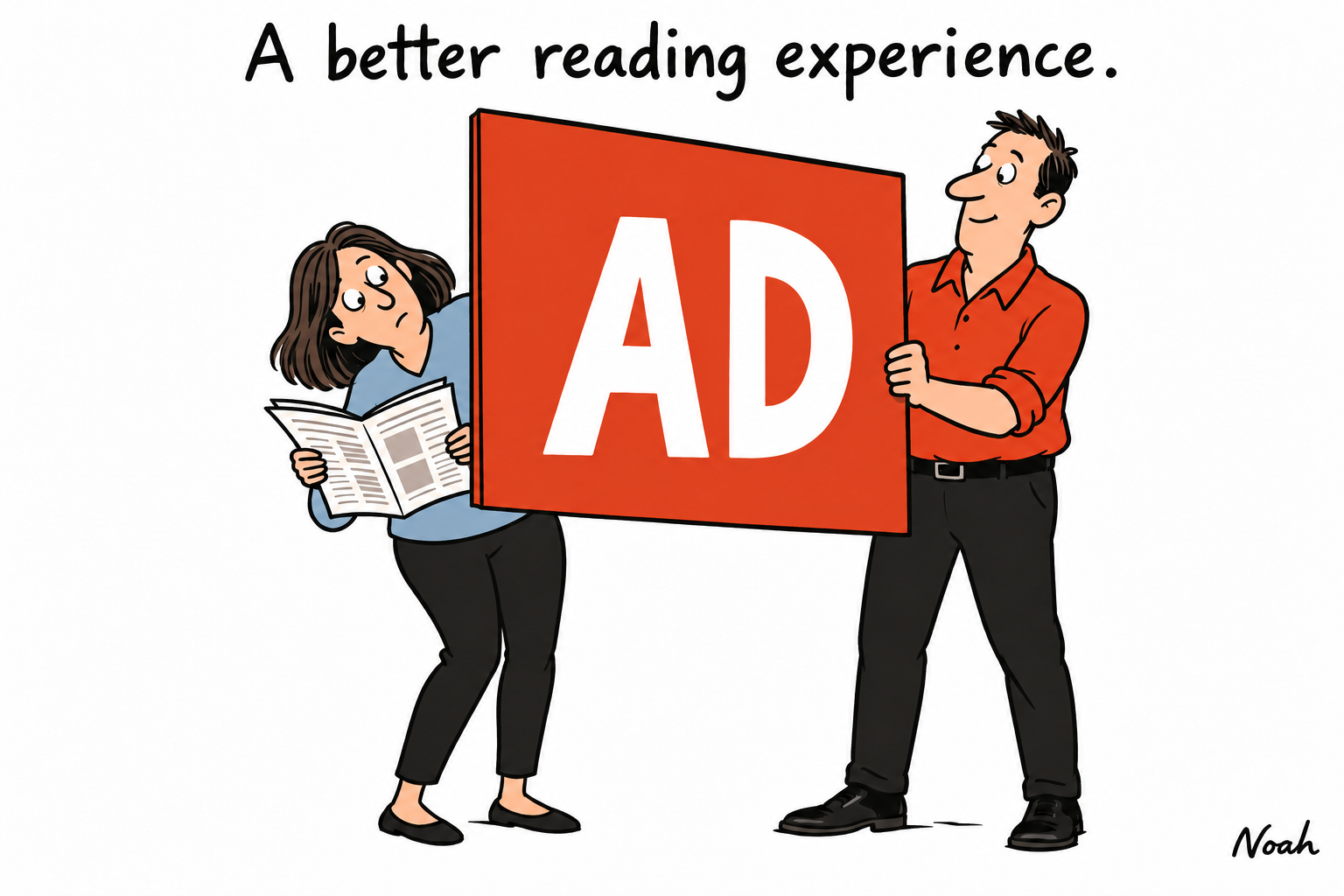
The commercial danger is mistaking a better-looking advertising rate for a better business. Prepare contracts and comparable figures before the likely February switch.

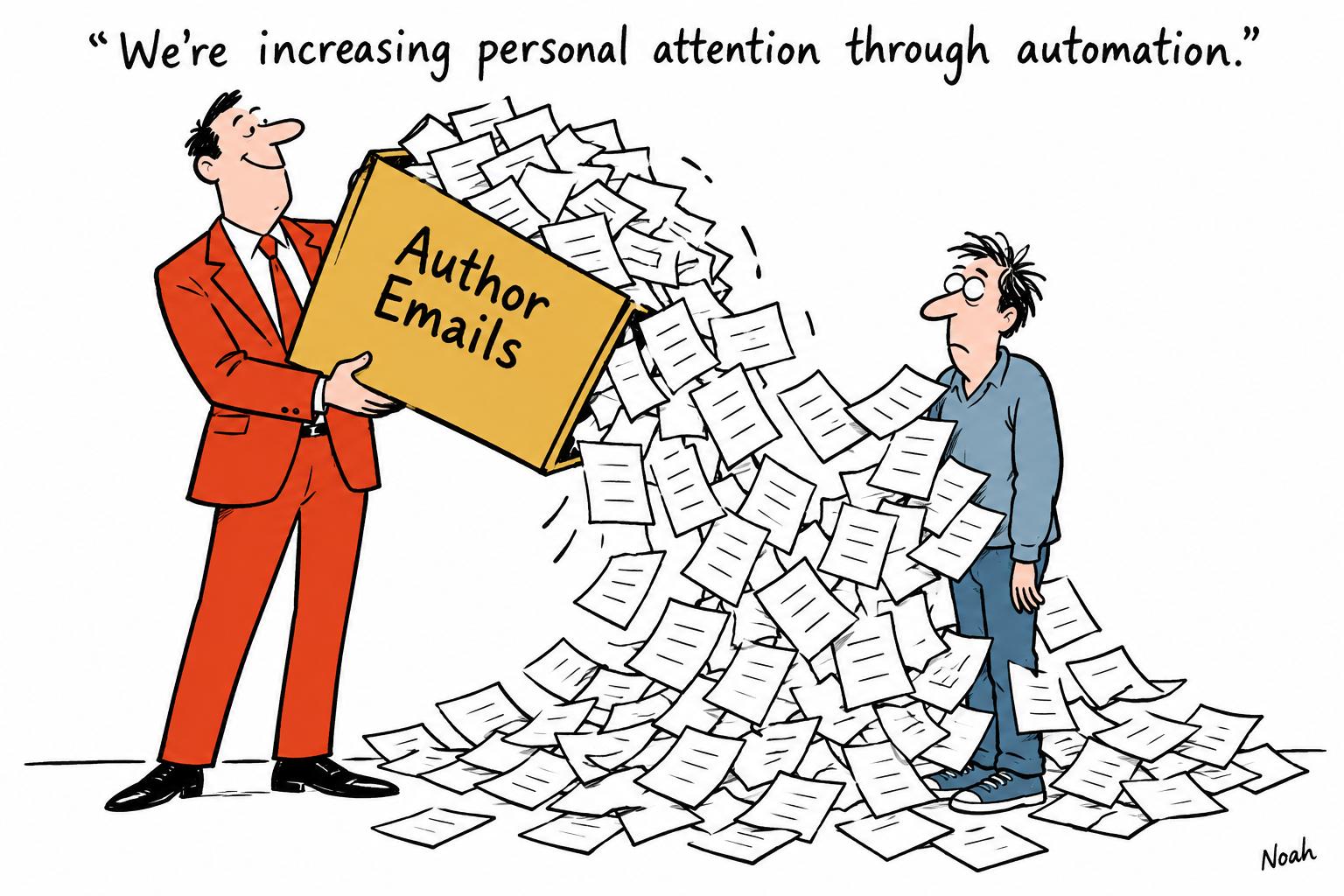
HarperCollins, Simon & Schuster and Hachette are using generative AI for publicity and marketing, fuelling staff and author concerns that automation will replace judgement with more noise.

Noah puts the chance of Informa TechTarget reporting FY2026 Brand to Demand revenue growth in results available on 31 March 2027 at 55%. Computer Weekly shows why the model matters—and why growth is far from automatic.

Noah gives a 25% chance of a paid UK local-news campaign completed across two unaffiliated publisher groups, with Raid planning publicly confirmed in an NMA/RAM case study or named participant’s report, by 1 October 2027.

The Daily Mirror owner remains on track to meet full-year expectations despite a 14.1% third-quarter revenue fall, as search disruption hits digital traffic and restructuring helps protect profits.

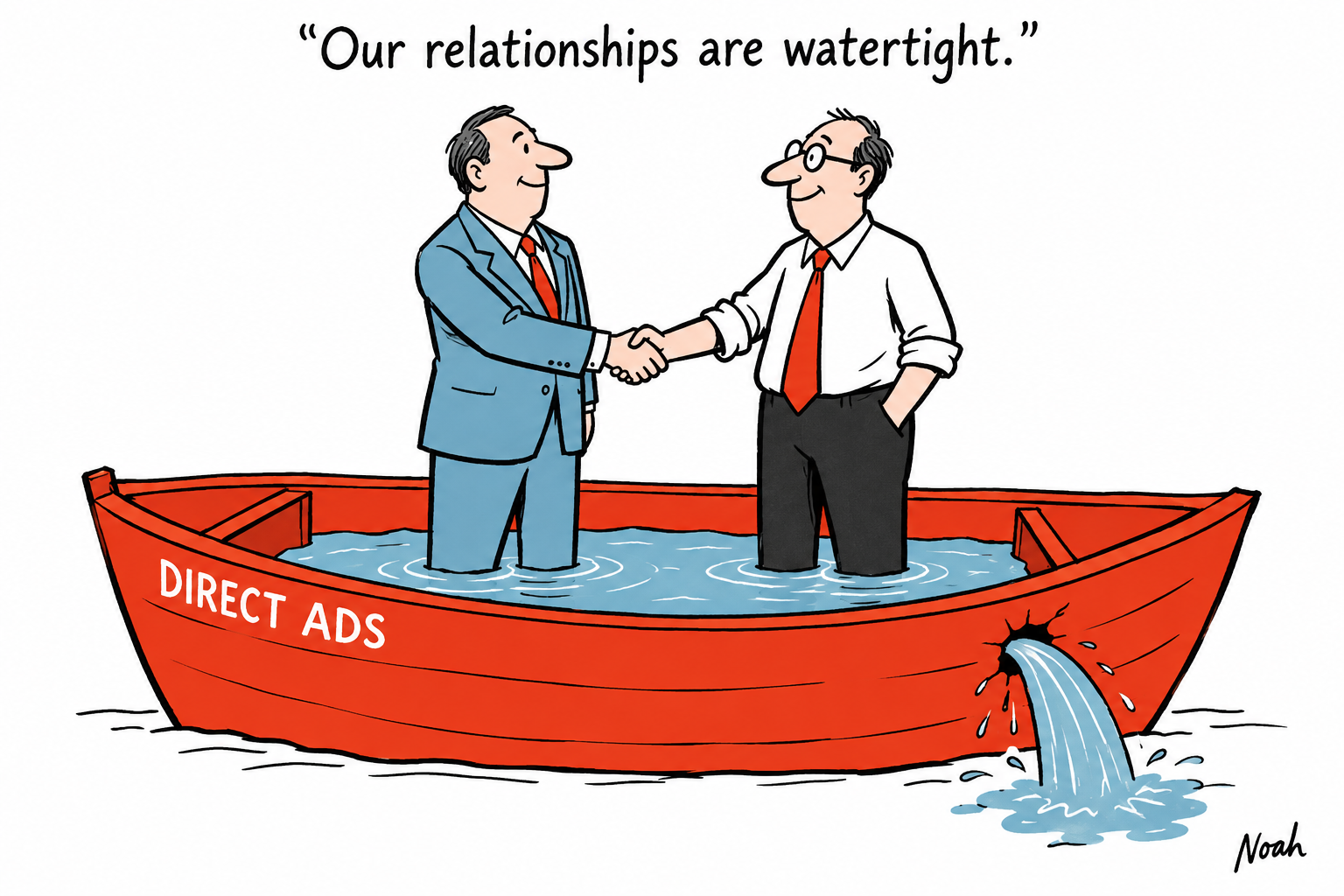
Broker downgrades and sharply lower price targets have revived doubts over whether Future’s shift towards direct advertising can offset falling traffic, weaker programmatic income and AI-driven disruption.

Reach announces strategic move towards digital subscriptions and original content Revenue drop highlights need for a new publishing approach Content strategy based on exclusivity, expertise, and emotive storytelling The surest catalyst for

People Inc reports 11th straight quarter of digital revenue growth, driven by licensing and AI collaborations Company advocates for fair compensation from Google over search content use Transition towards less traffic-dependent revenue stre

Media Concierge Group posts £12.9m EBITDA for first full period post-acquisition Integration of National World (now Iconic Media Group) has gone smoothly, boosting performance Company aims to strengthen local titles while expanding its UK a

Data shows games and interactive content drive deeper user loyalty. Publishers are overestimating the importance of breaking news for app retention. Investment should focus on habit-forming features to reduce churn and build routines. I use

AI now accounts for 10% of revenue, with projections of over 60% growth in AI and Studio divisions The company expands in North America and integrates international brands, reaching half of the UK audience New strategic investments and crea

Goalhanger becomes Britain’s fastest-growing private company with £37.9 million sales in 2025 Founded by Gary Lineker and former TV producers, it has a strong following in sports, politics, and history Secures investment from The Chernin Gr

The Guardian’s international income from outside the UK exceeds 80% for the first time in a decade. Digital reader contributions rose to £125m in the year ending March 2026, with strong growth in the US market. Publisher diversifies support

Goalhanger, launched by Gary Lineker, expands into backing early-stage media companies Moves include investments in Invisible Media and Backyard Cricket to diversify portfolio Company shifts focus from advertising to subscriptions and live

Bezos defends the profitability of journalism as a measure of relevance Changes in Google search algorithms threaten traditional news revenue To succeed, news organisations must focus on delivering value and distinctive reporting Jeff Bezos
A weekly briefing for people shaping the future of publishing.
Free. Email requests are handled by our team.