Local & Specialist Publishing
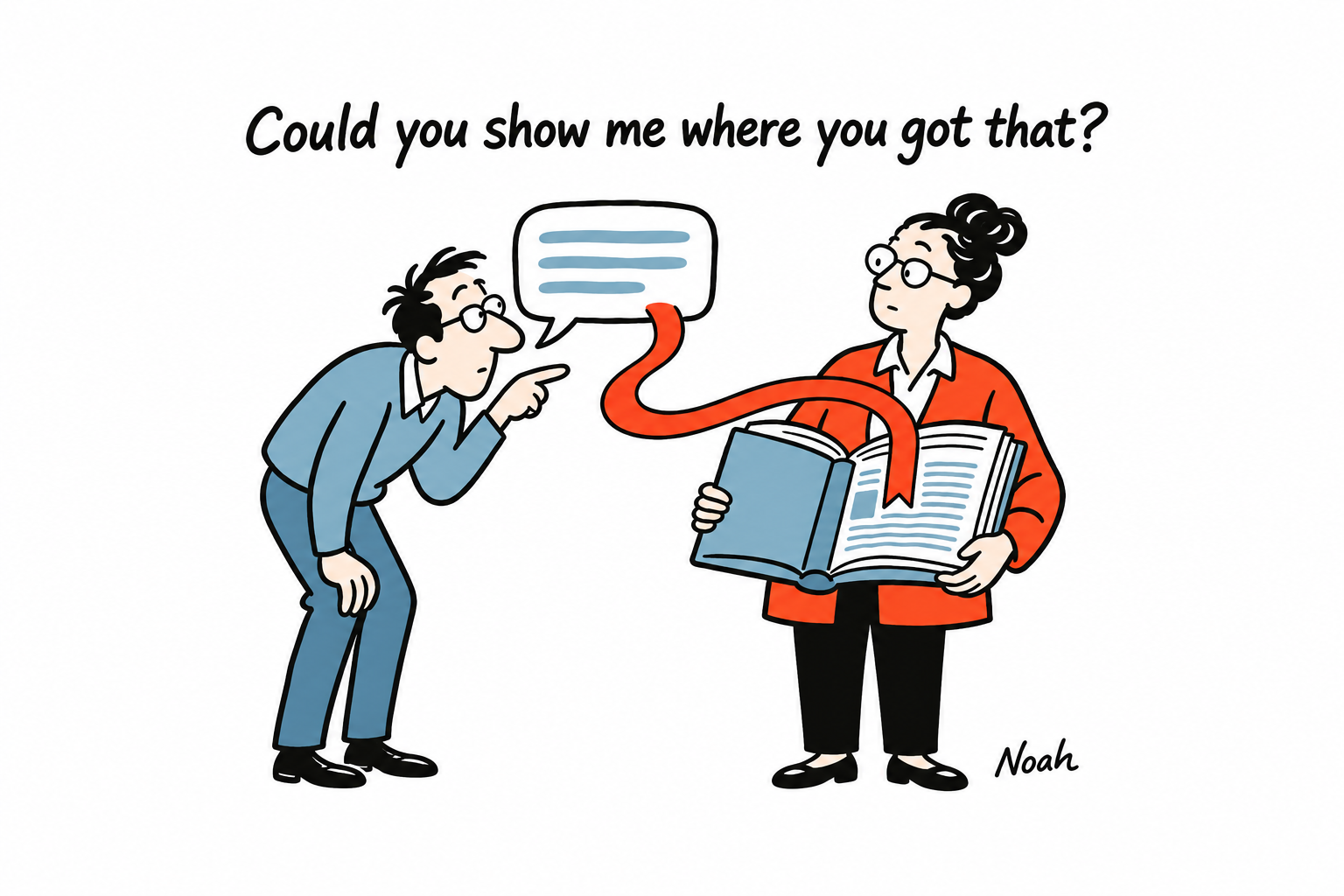
Wisconsin Watch wants AI answers to lead readers back to local news
A $35,000 grant will fund a trial of an open-source connector that gives compatible AI assistants a route into the newsroom’s archive.
1256 stories · newest first
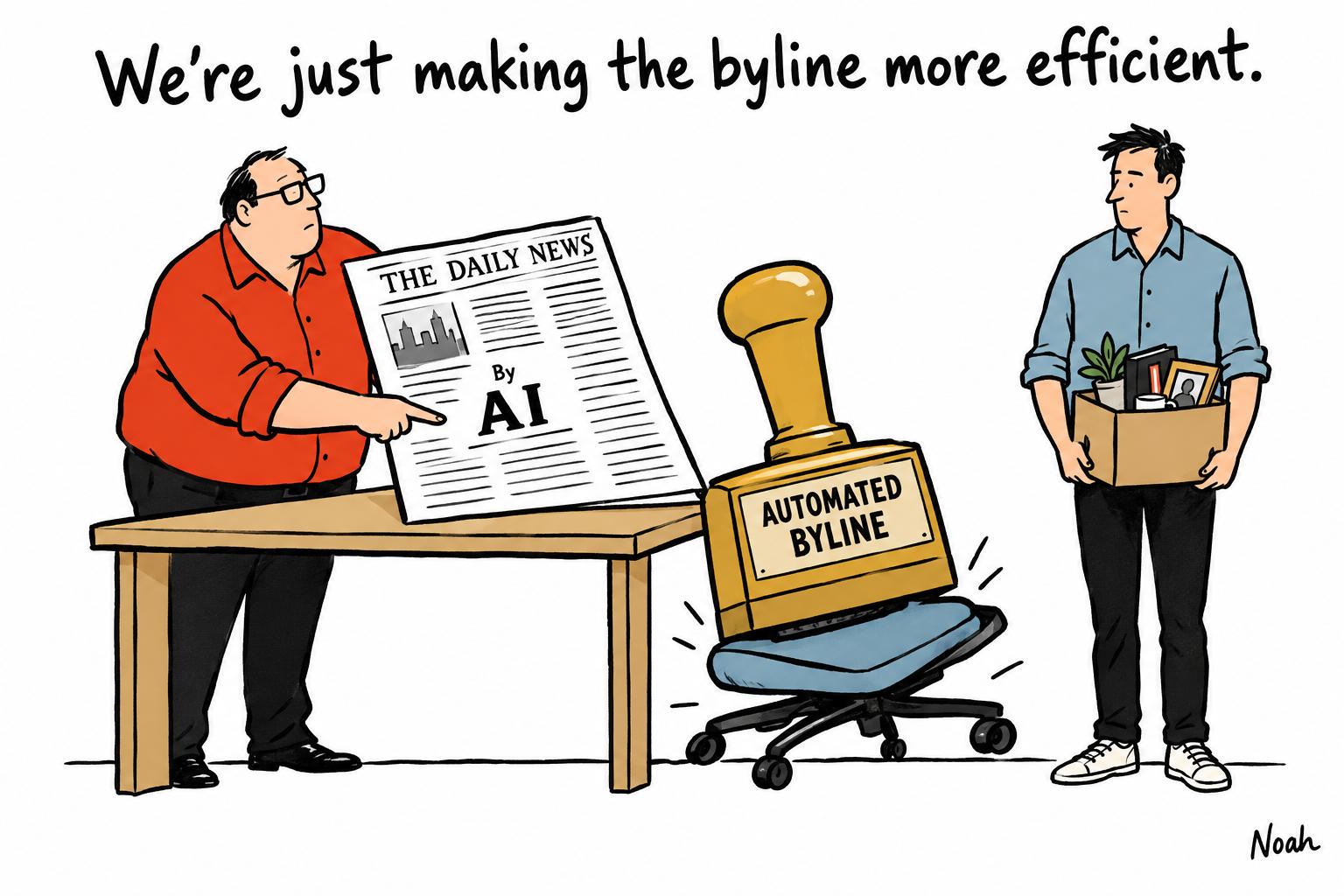
Decrypt and CoinDesk openly label AI-linked content, while reported redundancies across crypto newsrooms raise questions about how automation and staff cuts intersect, without proving one caused the other.
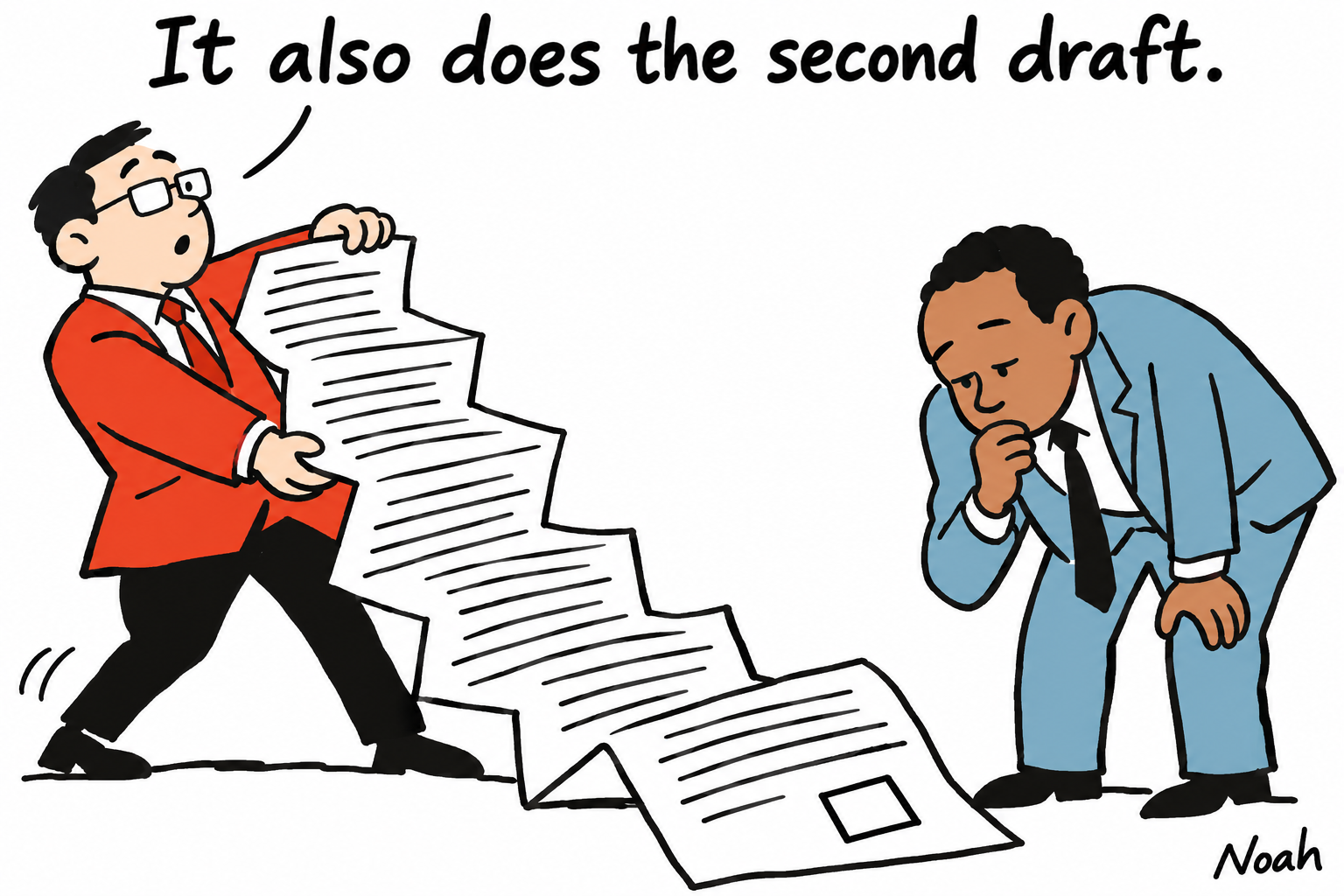
A delegation from nine African countries explored how AI is being used in Chinese newsrooms, while raising concerns about accuracy, misinformation, ethics and the need to preserve human judgement.
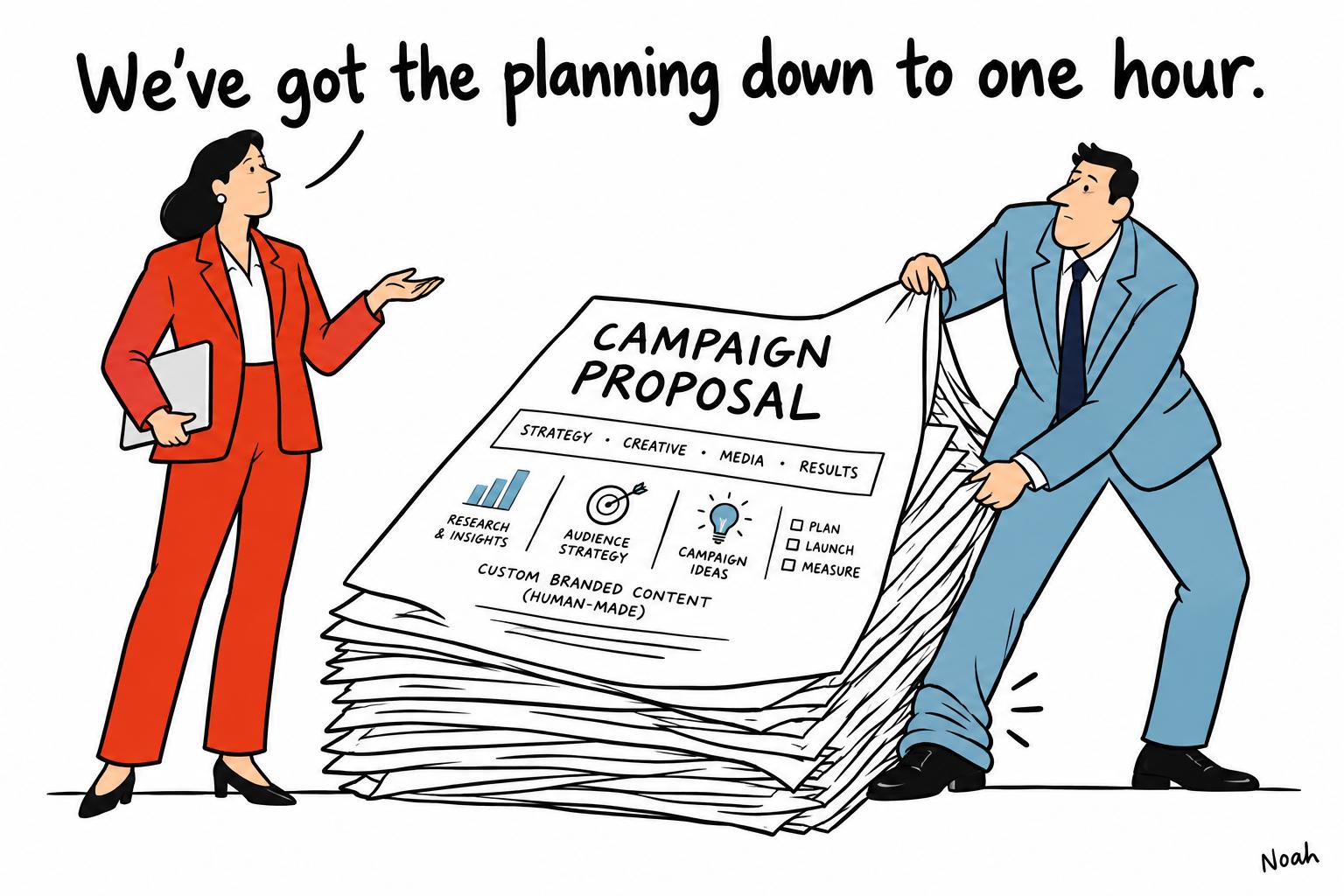
The Journal’s revenue chief says a plan normally takes four or five hours. The tool is still being tested, and the publisher keeps people in charge of branded content.
At the Flashes & Flames AI forum, publishers made the case for controlling who can copy their work. Five forecasts test what that would deliver for the trade.
AI could help publishers win more of the business they already pitch. The bigger prize is finding out what customers would pay for next.
iMore’s plans for AI-assisted drafting put the focus on the work before publication. A useful result will show what editors still need to check and where the reporting came from.
The Record Community News Group alleges North Shore Weekly used its work at least 22 times; the claims have not been tested in court.
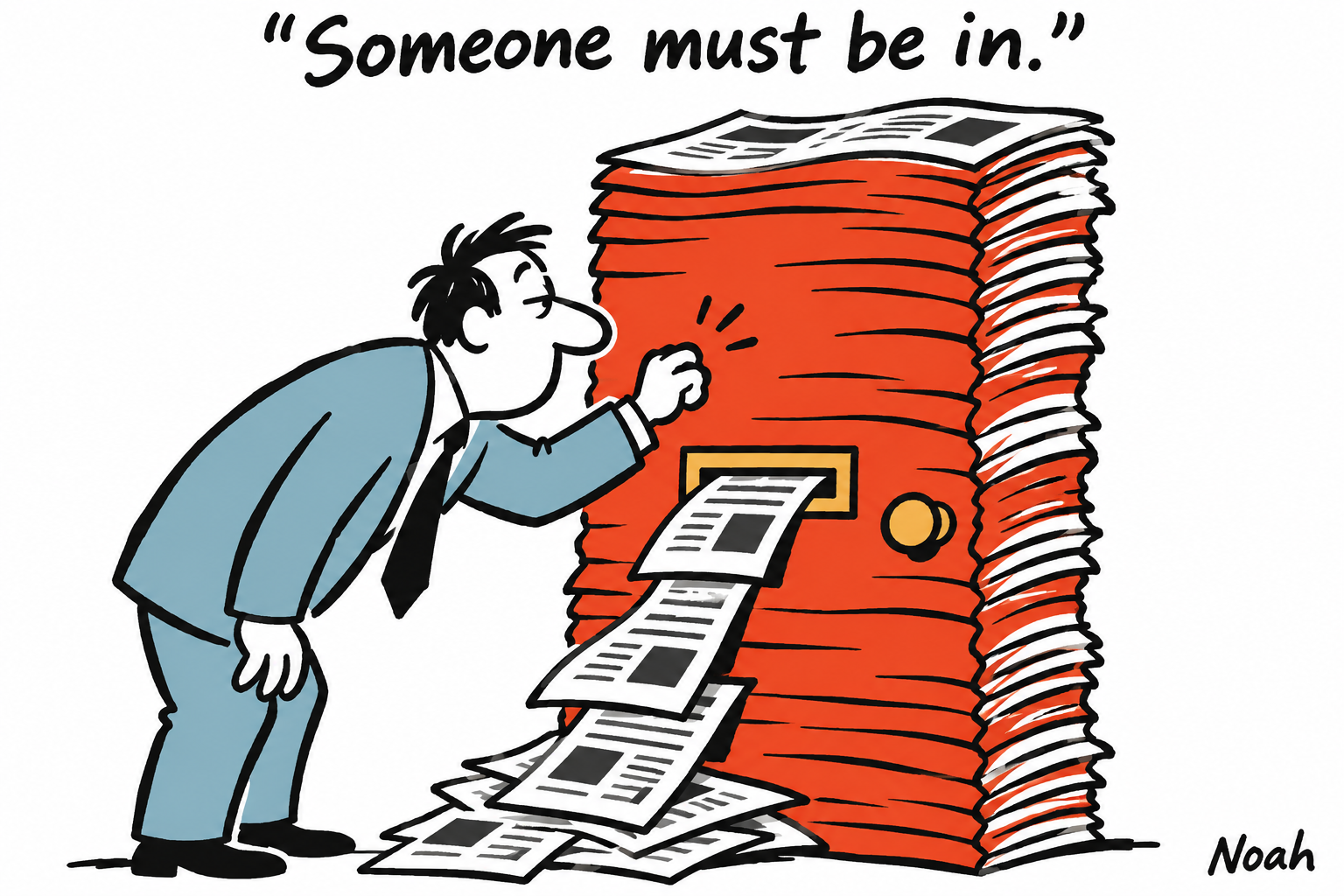
An investigation into the anonymous website found disputed interviews, questions about AI use and unresolved links to a local political figure, as its rapid output drew scrutiny.
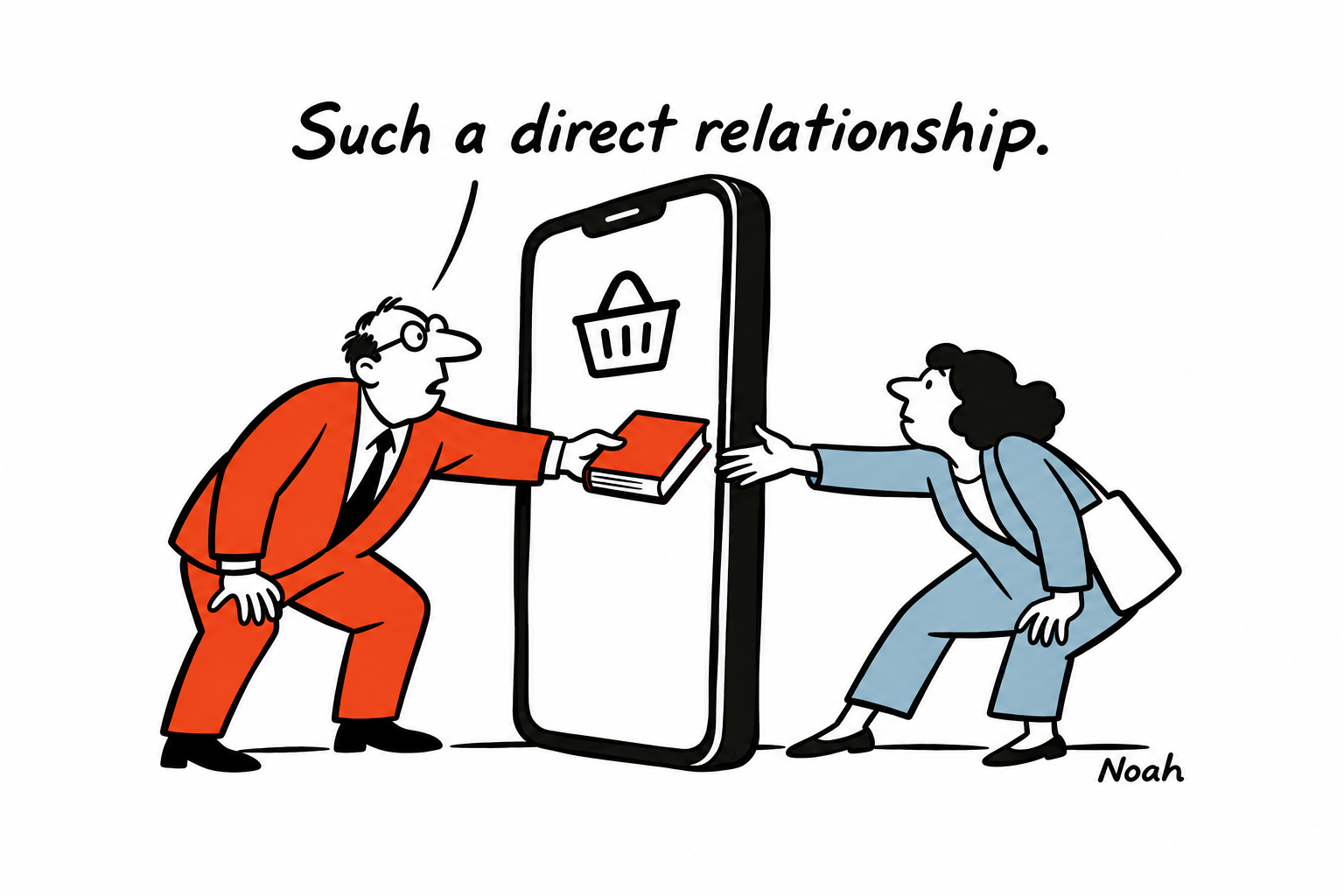
Live shopping takes publishers from creating demand to taking orders. HarperCollins’ growth shows the opportunity, but the platform’s report leaves the value of the extra sale unresolved.
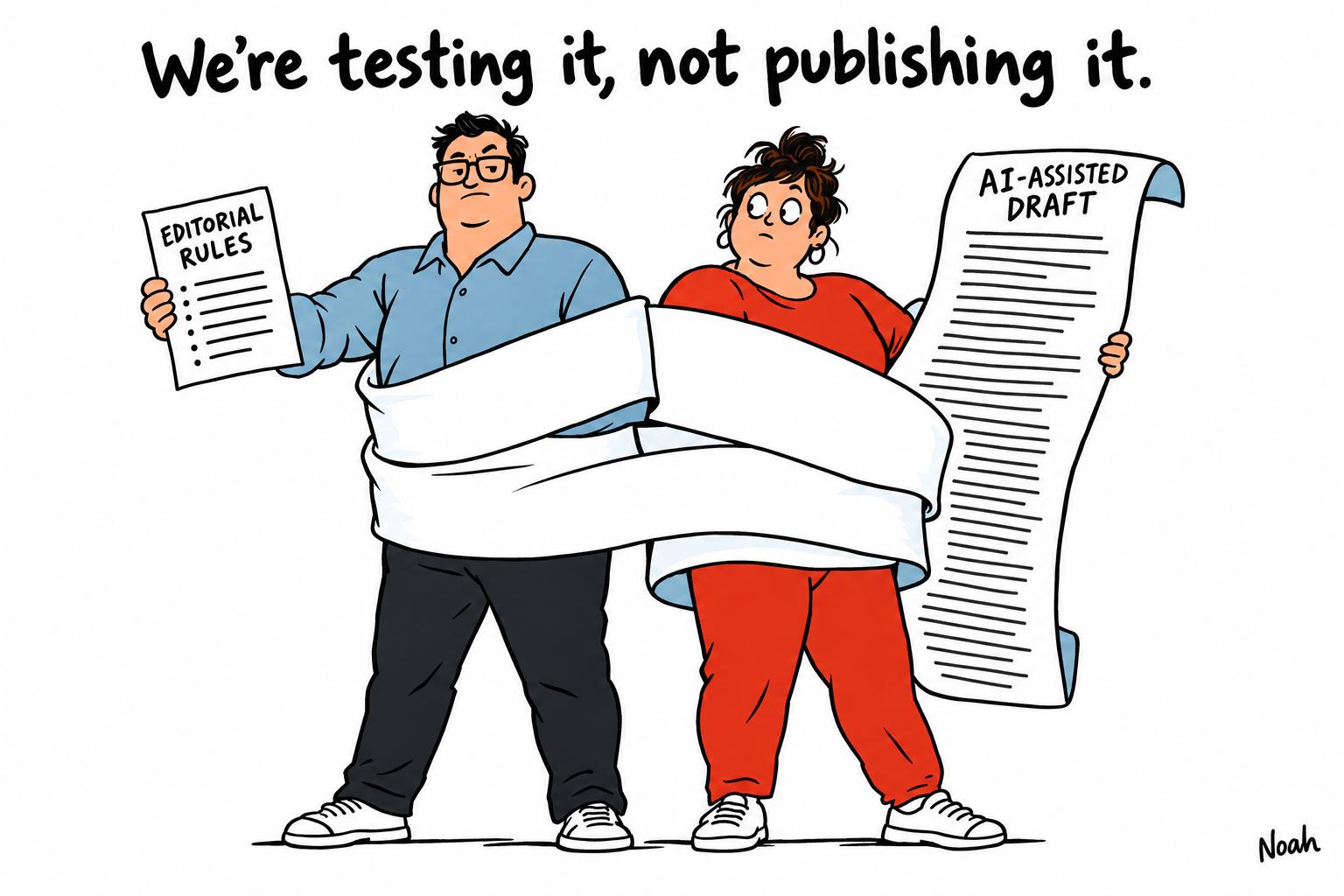
Future’s lab plans experiments in assisted drafting. The publisher’s policy bars generating articles for publication and restricts initial drafting where a human did not do the core reporting.
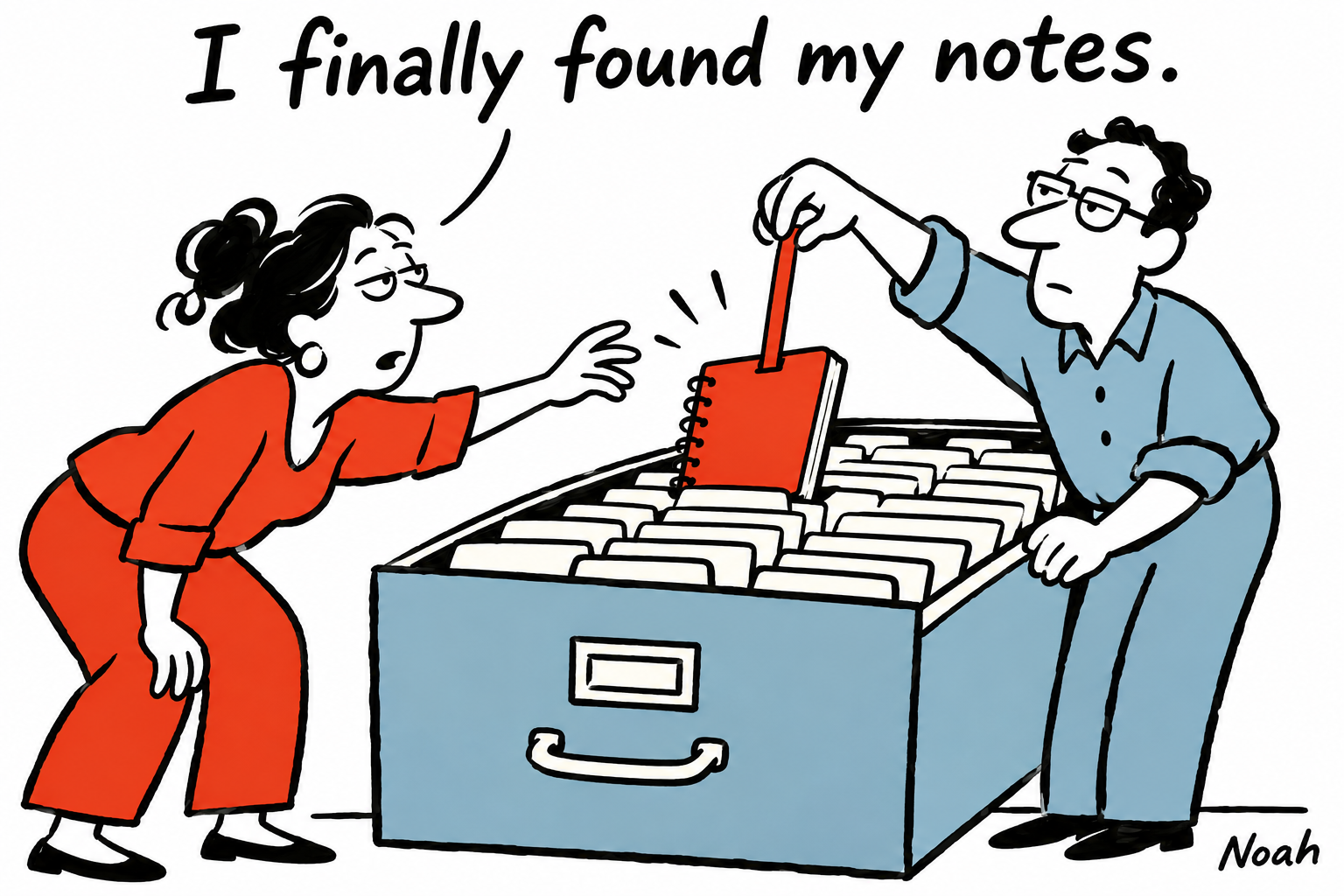
The author says AI has helped streamline website, research and administrative tasks, but argues writers should judge each tool by its usefulness and limits.
A Lagos workshop covered AI prompts and practical newsroom tasks, while stressing that journalists remain responsible for checking information before publication.
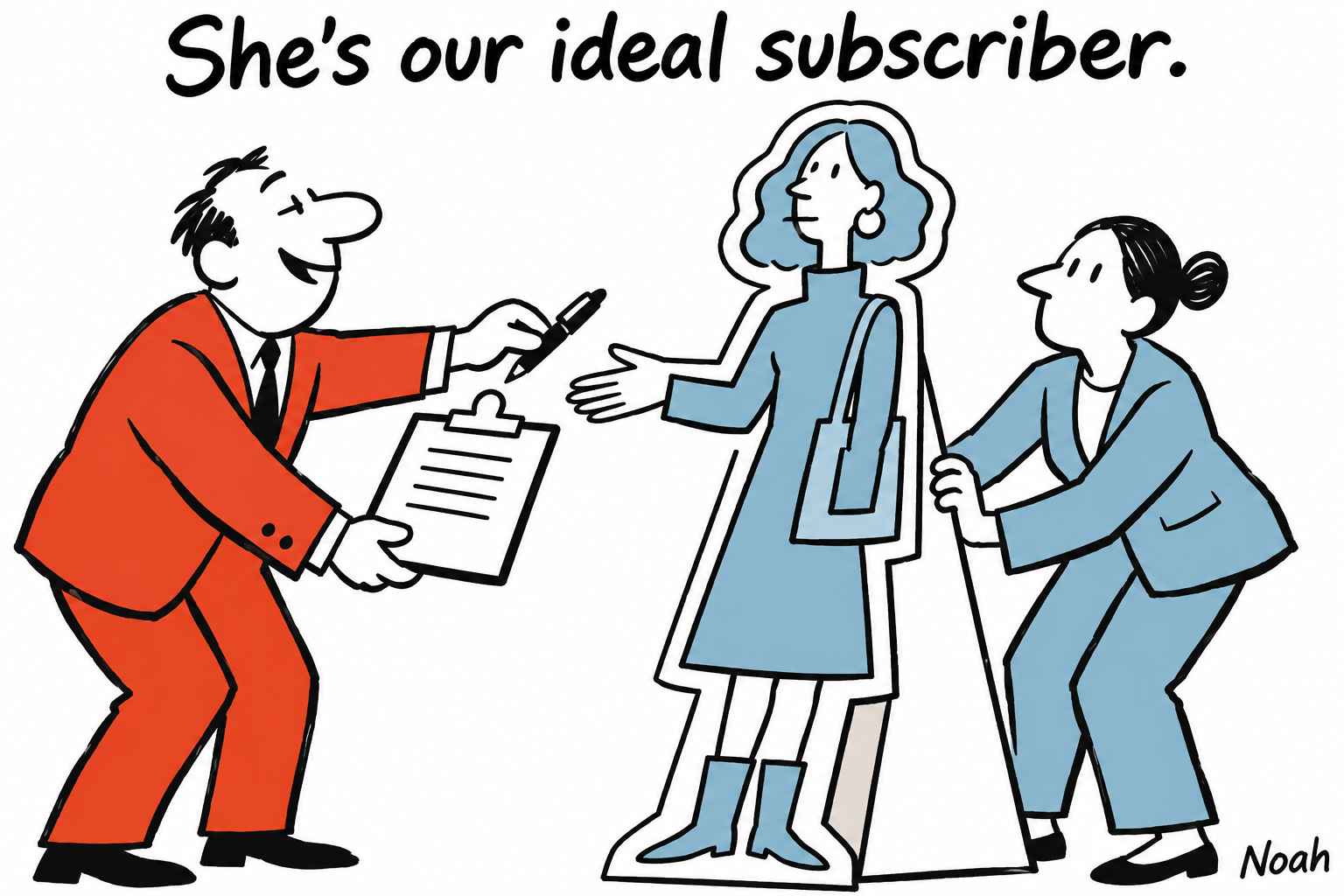
A Gemini-powered simulation proposed audience profiles and subscription tactics for the magazine, but its fictional persona and campaign recommendations have not been tested with real readers.

The deal covers newsroom tools and links from ChatGPT answers to original reporting. The companies disclosed neither the price nor what those links are expected to deliver.

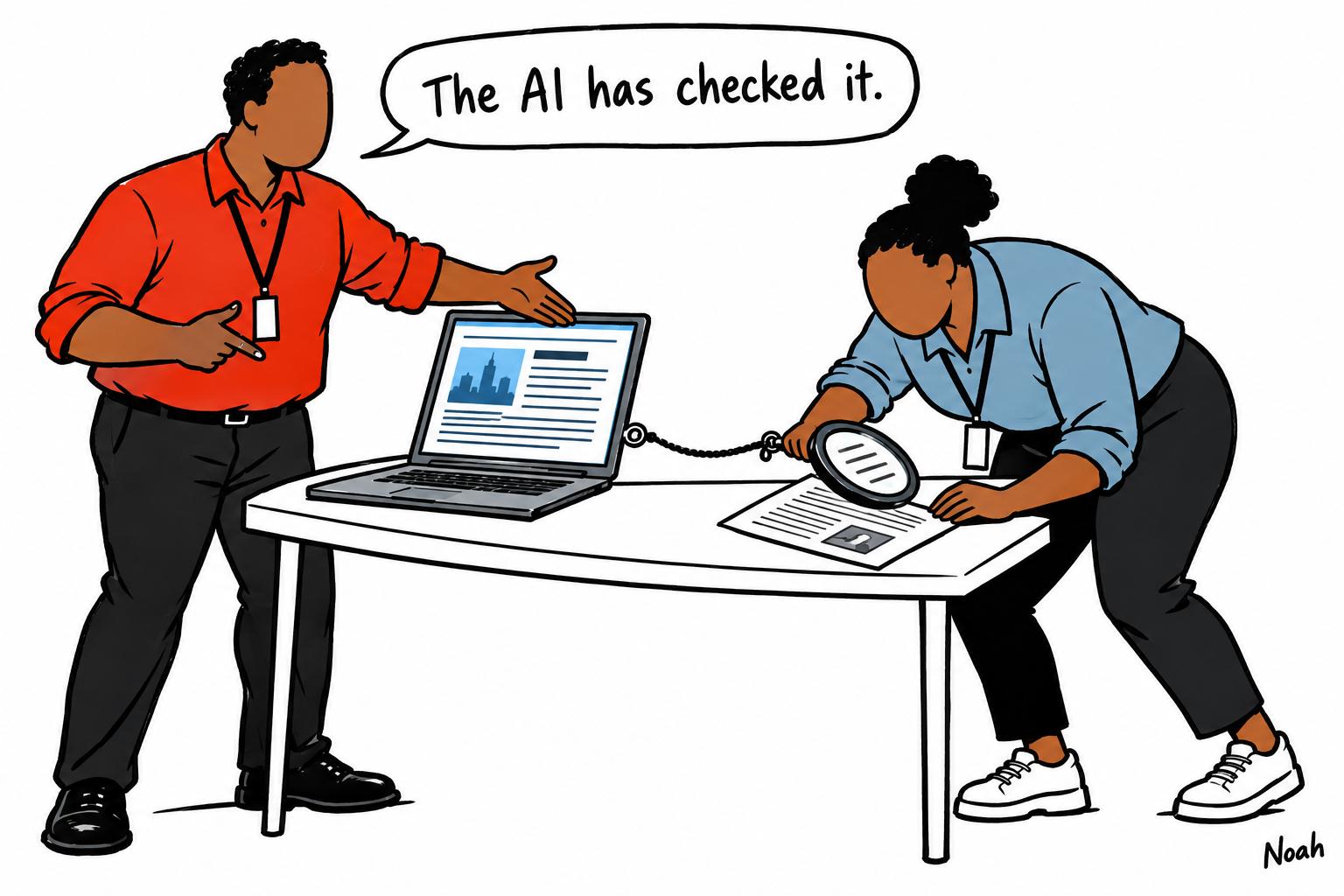
Think Negative challenged us to check the Guardian's reporting from COP31. We found carbon stored in fizzy drinks, a headline number attached to the wrong technology, and a question that applies to every publisher.
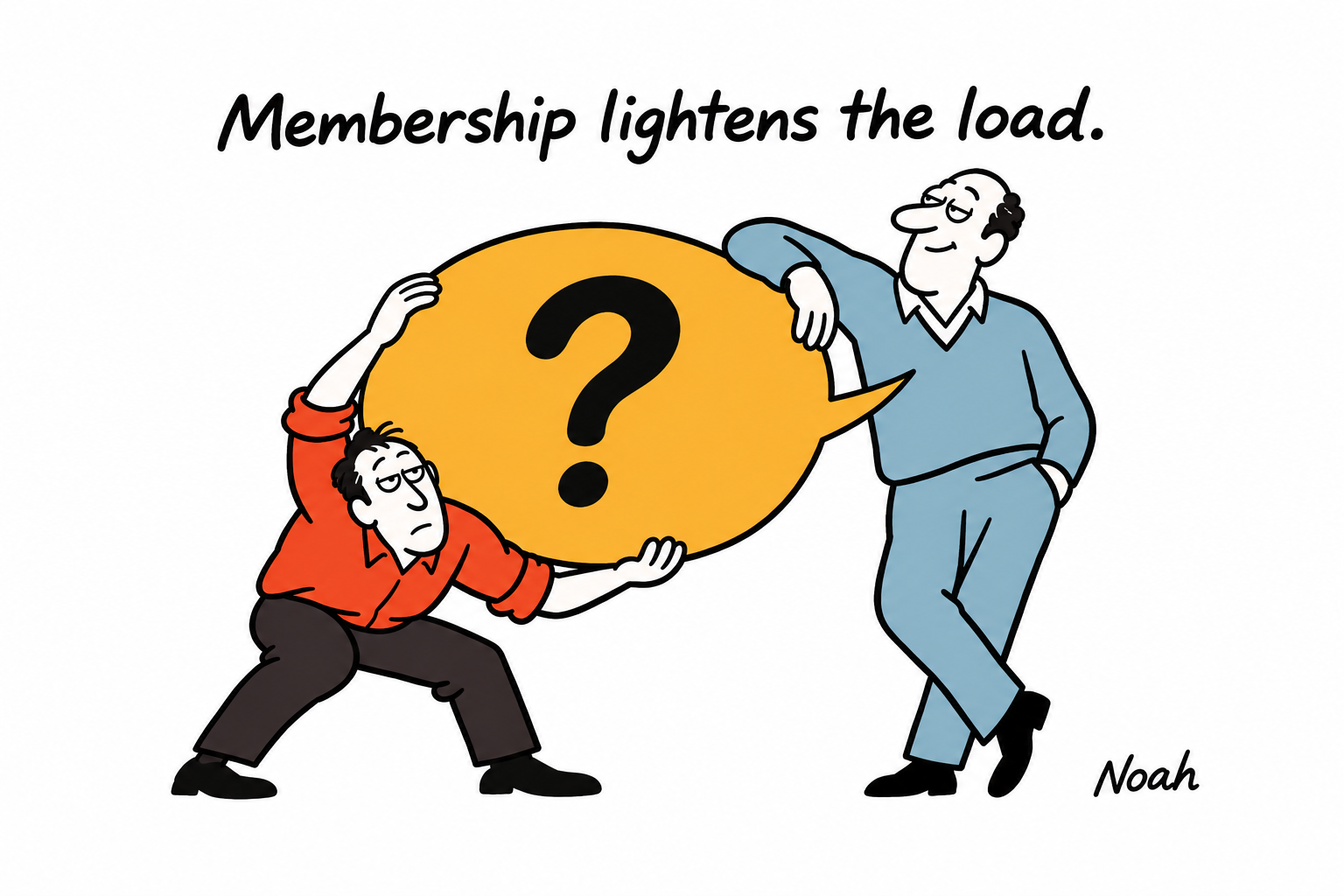
CB+ offers specialist publishers a route to reader revenue while keeping journalism open. Its early tests show why access can sell, and why the cost of delivering it matters.
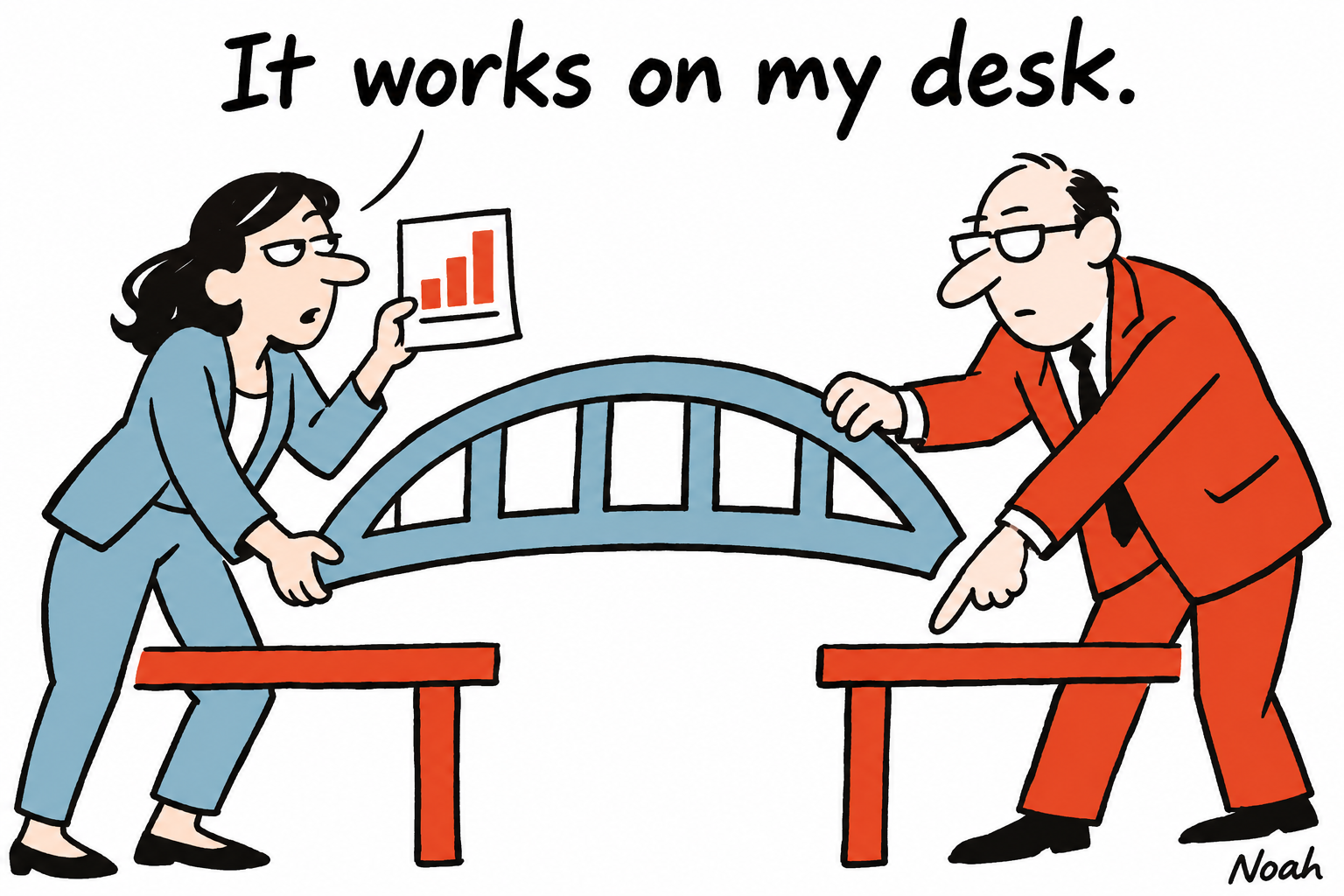
StudioMaker aims to help reporters publish interactive graphics, data tools and live blogs without needing software deployment expertise, while keeping security checks and technical oversight in place.
The new publication says AI will draft and develop stories, but publisher Jason Olbourne will decide what is published. Its safeguards and claims remain to be tested.
At the 2026 APEC Leaders’ Meeting, MediaBuddy links AI tools to authorised media archives and production workflows, capabilities that general-purpose services do not necessarily provide.
UPM and Sappi’s proposed joint venture confronts a real decline in demand. Its remedies must also address the choices available to publishers still earning money from print.
The paper's big weekend read asked whether we will soon cure cancer. An AI-assisted check found three slips that would have made headlines had a machine committed them, and a better story sitting in the public record.
The first commercial deal for the Internet Licensing Collective opens access to a new buyer. Its value to publishers will depend on how reported use becomes a checkable share of revenue.
USA Today Co. says AI will not replace journalists. Union contracts at The New Republic and Politico show what an enforceable promise can do.
The company says its AI tool saves meteorologists three to five hours of preparation a week. Weather teams still have to check the material they put on air and online.
Founder Thorsten Meyer says the workspace records which application changes a draft. At the time of his rollout report, his newsroom’s agents were still waiting for access keys.
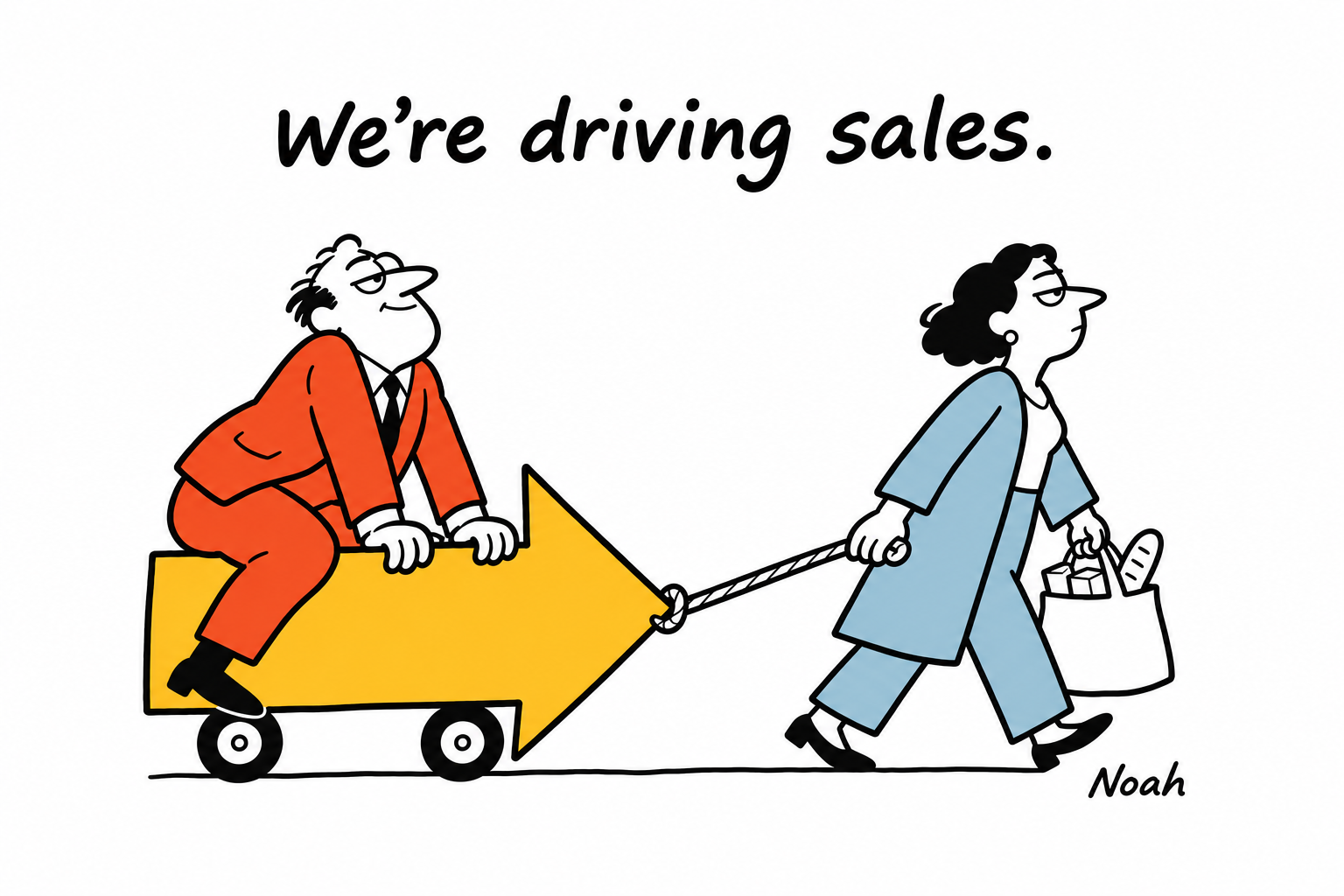
News groups are rebuilding the machinery that turns readers into advertising revenue. Higher page yields and more clicks are promising, but the commercial prize depends on what publishers retain and what advertisers gain.
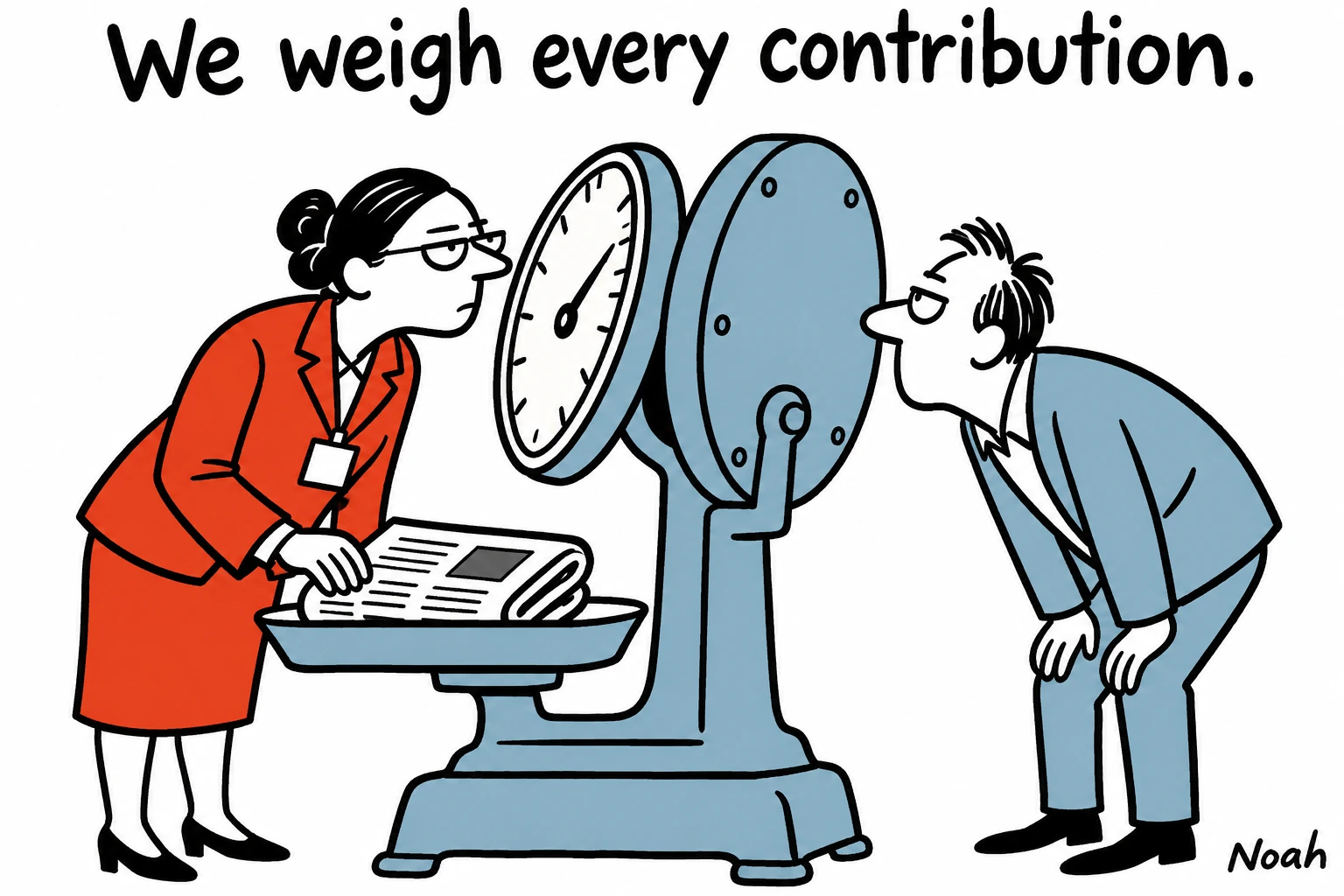
Publishers can opt into the Yahoo deal and still negotiate their own. The collective has explained how it weighs the use of an article, but has kept the fee and the payout formula private.
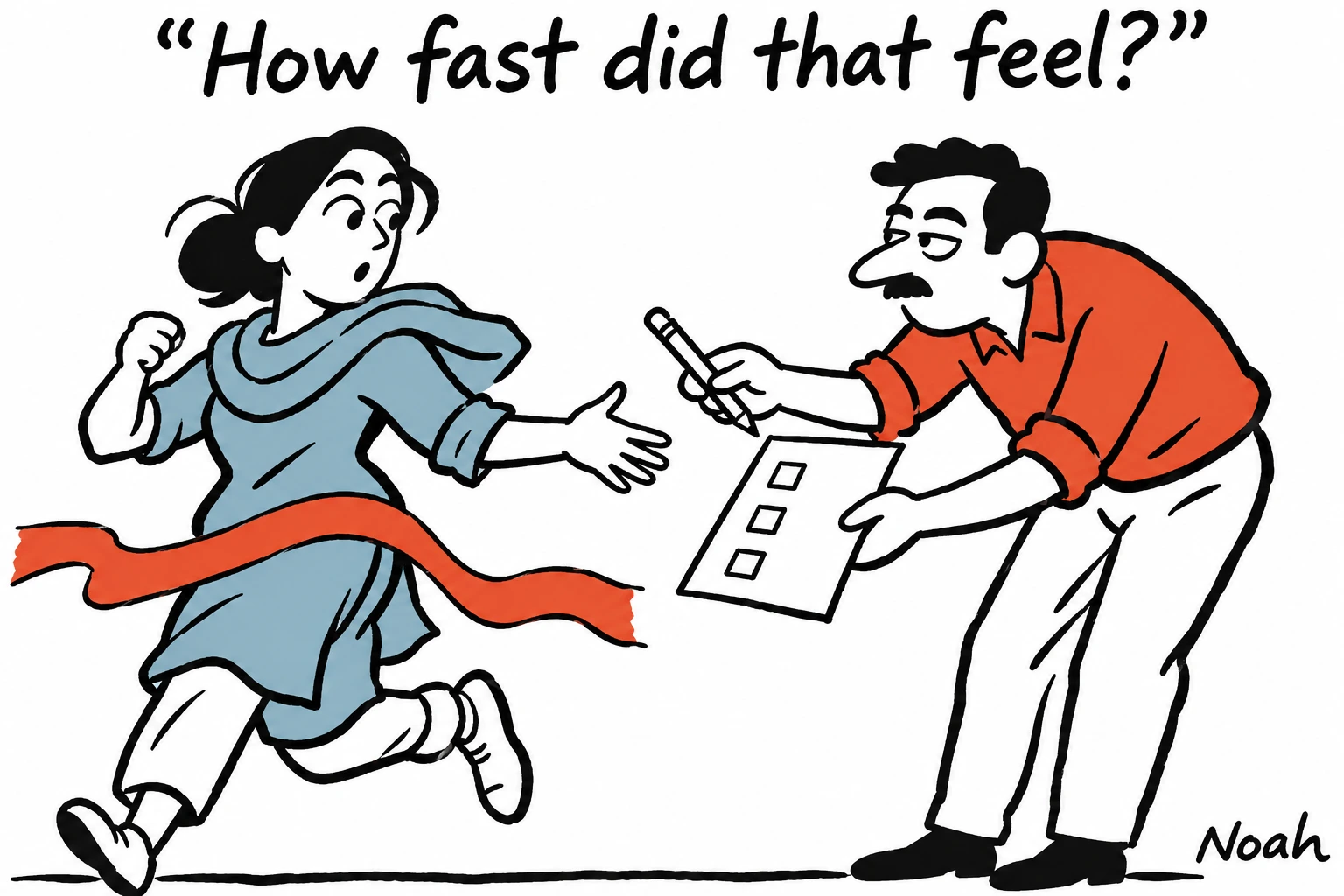
Digital Sahafat teaches reporters to trace images and search documents. Nearly 68% of respondents to its 2025 surveys said they saved more than a quarter of their time on routine research and reporting.
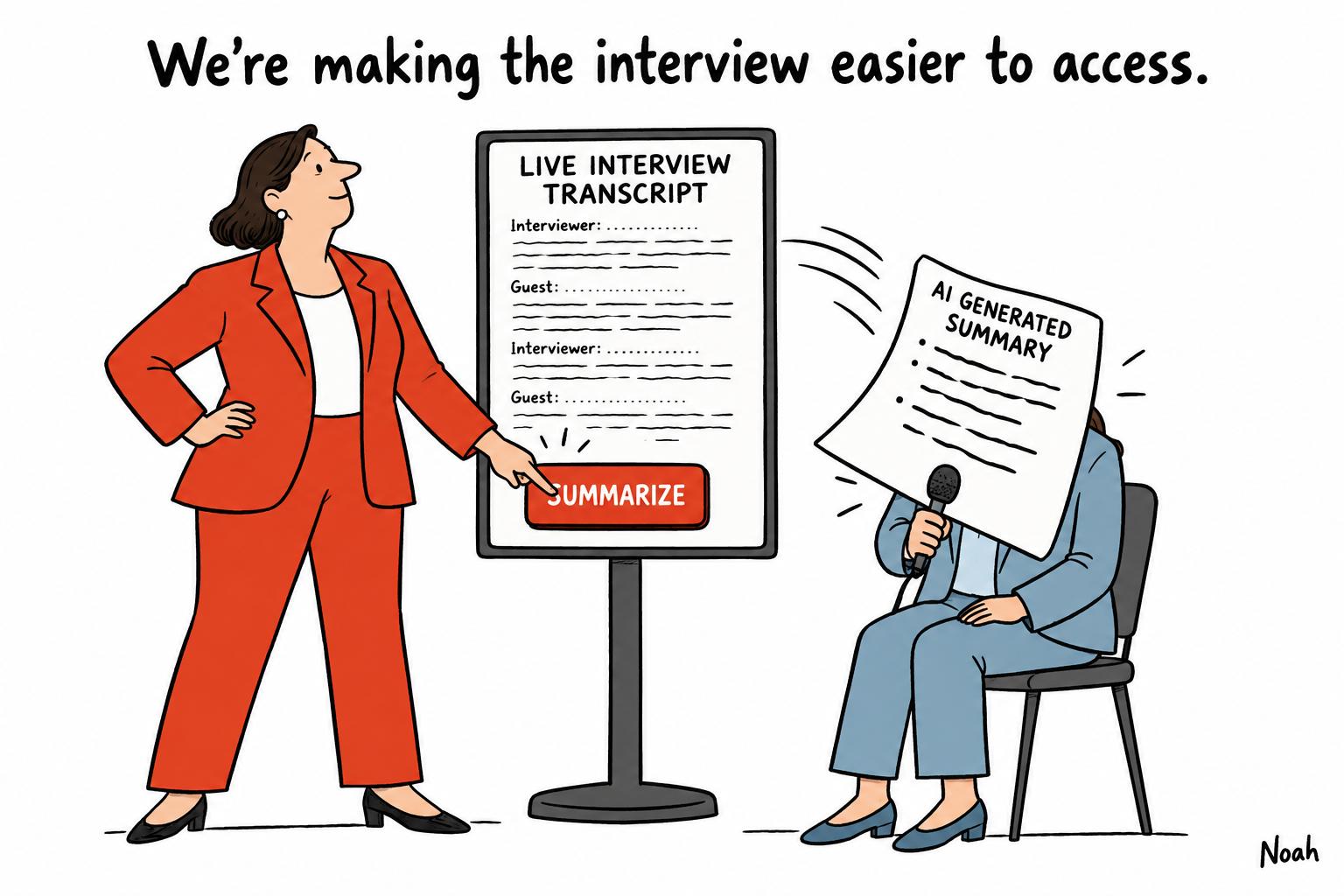
President K.C. Sullivan says the network is exploring ways to make interviews and live coverage easier to search, summarise and tailor, while keeping journalists and original reporting at the heart of its offer.
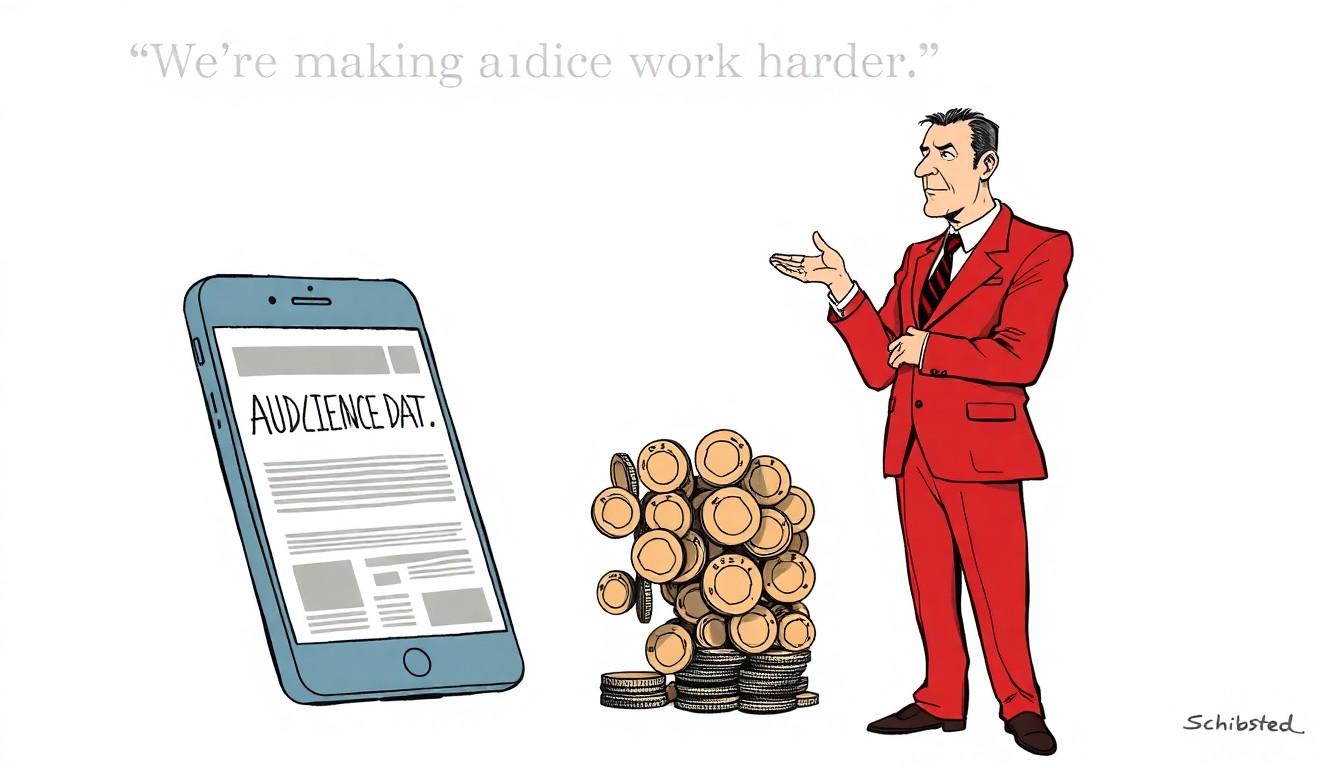
The Nordic publisher is using bespoke algorithms and first-party audience data to target performance-focused campaigns, as some advertisers seek greater transparency beyond the biggest platforms.
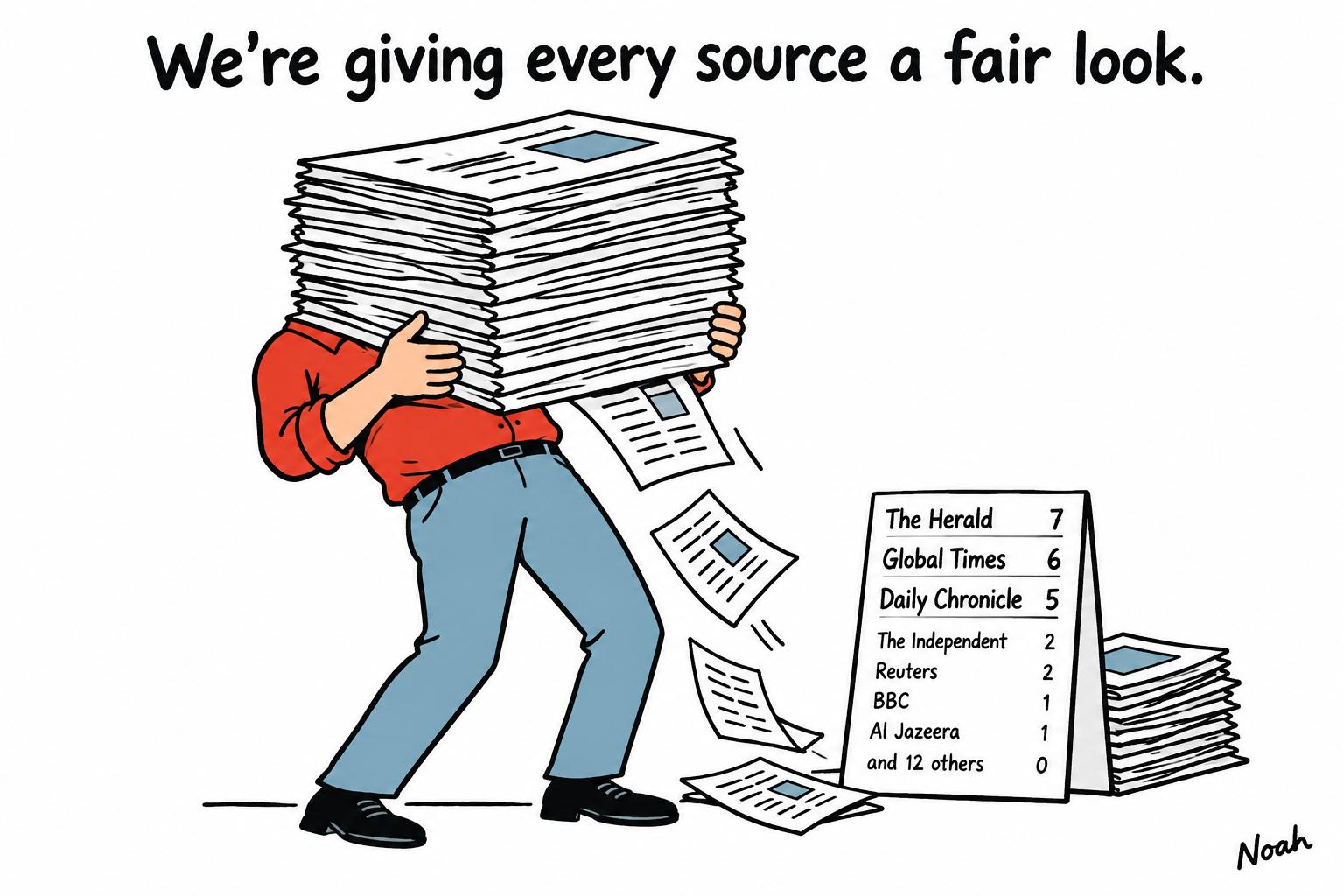
The service combines automated discovery with editorial selection, bringing reporting from multiple publishers together while offering tools to track which sources feature most prominently.
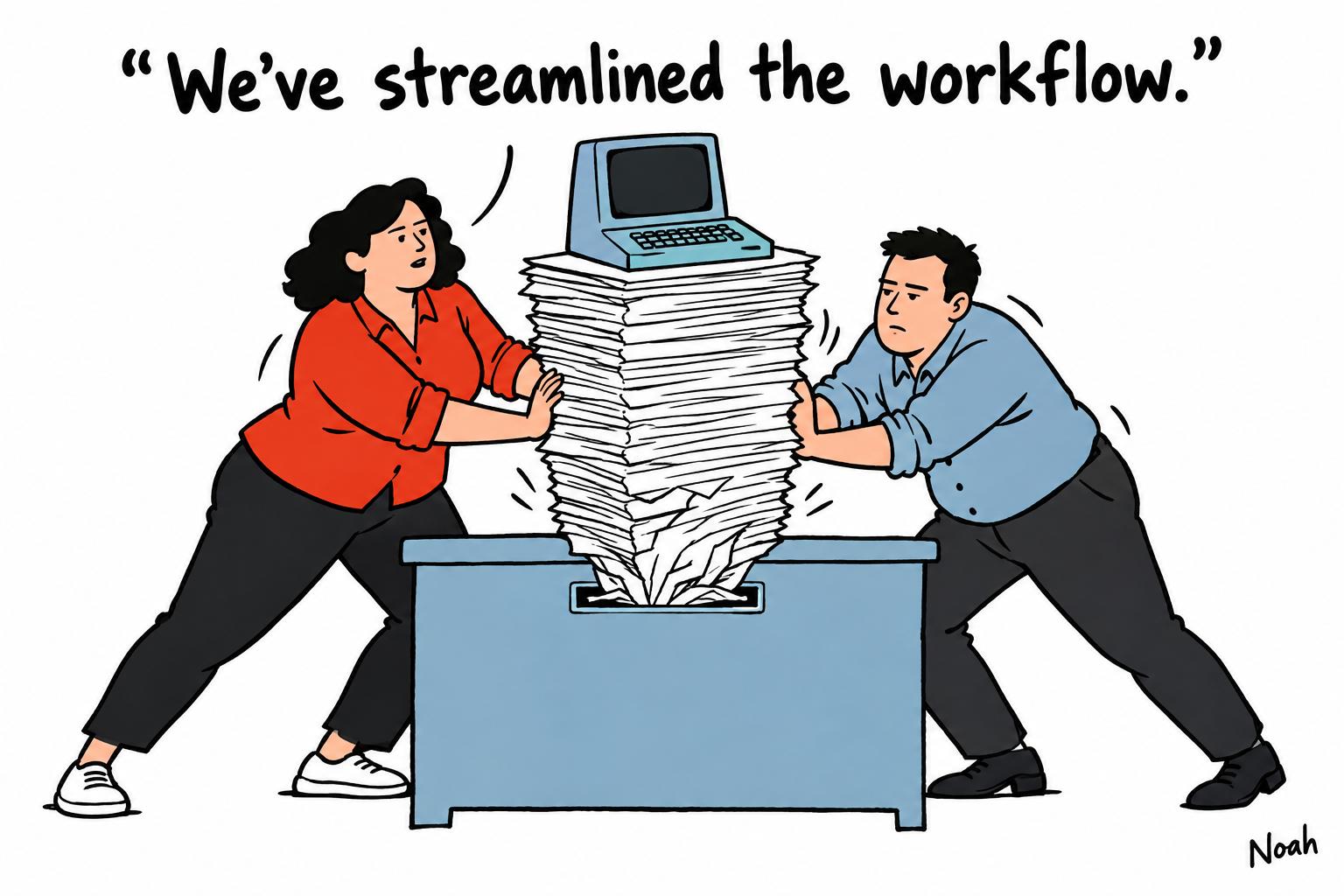
Publishers are rolling out systems to automate routine work, but research suggests few have changed roles or workflows. Adapting to AI will take more than giving journalists new tools.
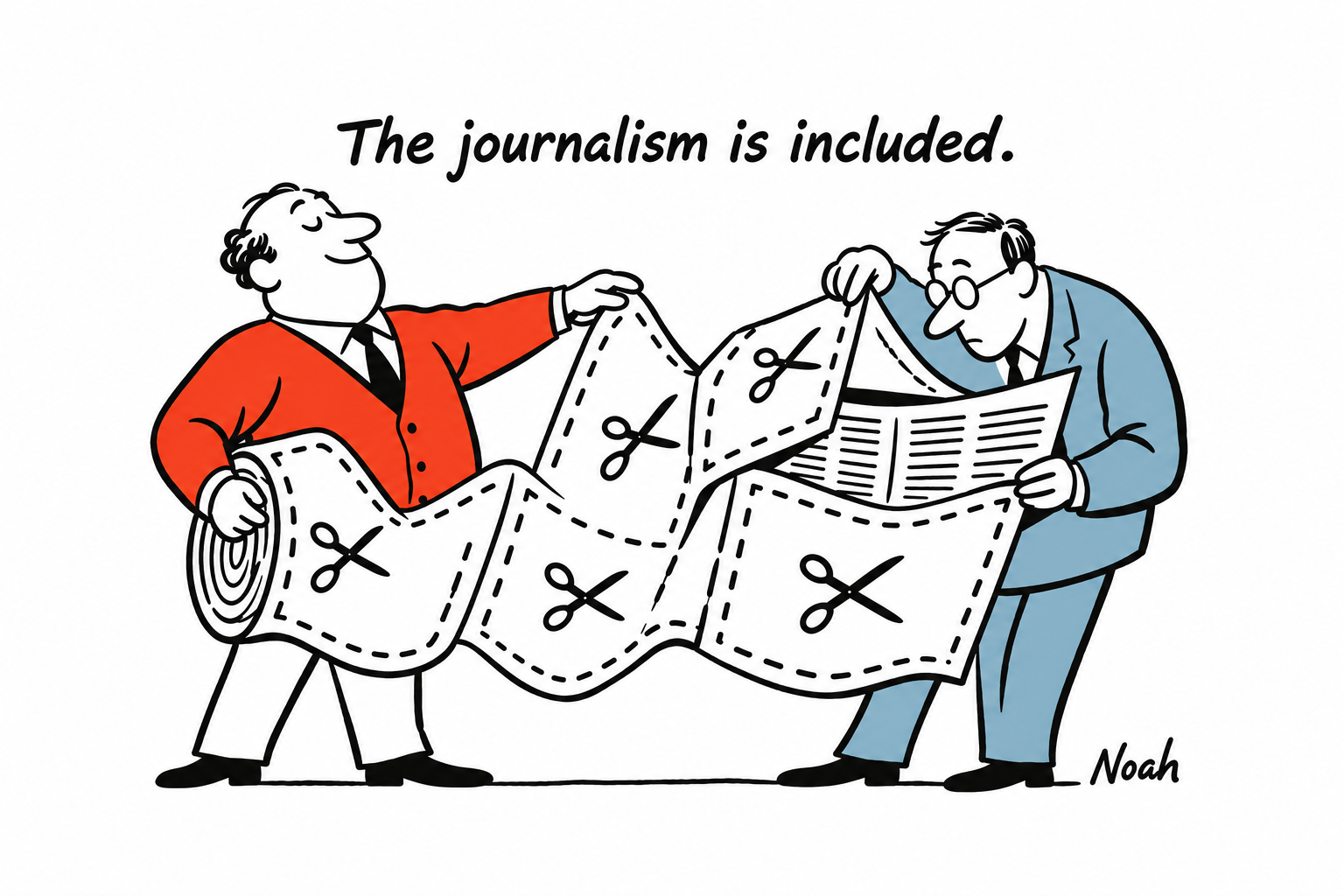
The regional publisher has more paying digital subscriptions and lower reported revenue per user. Across the Mail, Mirror and Sun, the harder question is what makes a reader stay.
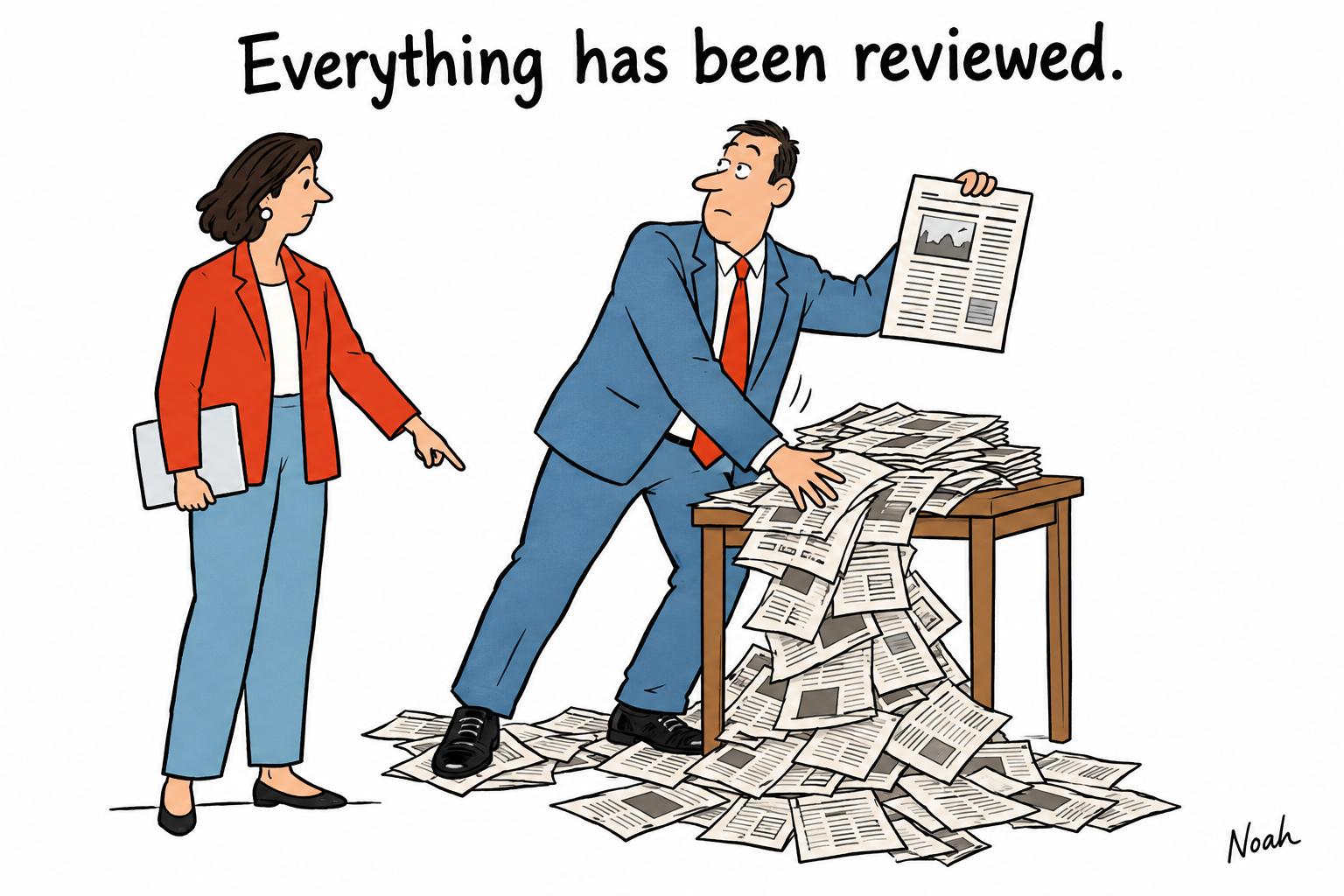
Y says editors review its AI-assisted output, but questions over what automated journalism can deliver have been joined by renewed attention to the conduct and career of the outlet’s editor.

Feedback from four Michigan newsrooms is prompting changes to the free tool, including election resources and mobile-friendly design, as its developers consider how to fund and steward the civic data behind it.
A weekly briefing for people shaping the future of publishing.
Free. Email requests are handled by our team.