AI agents need limits before they get access
Examples from newsrooms and PayPal show how testing, tightly scoped permissions and human approval can make AI assistants more reliable without replacing their underlying models.
1259 stories · newest first

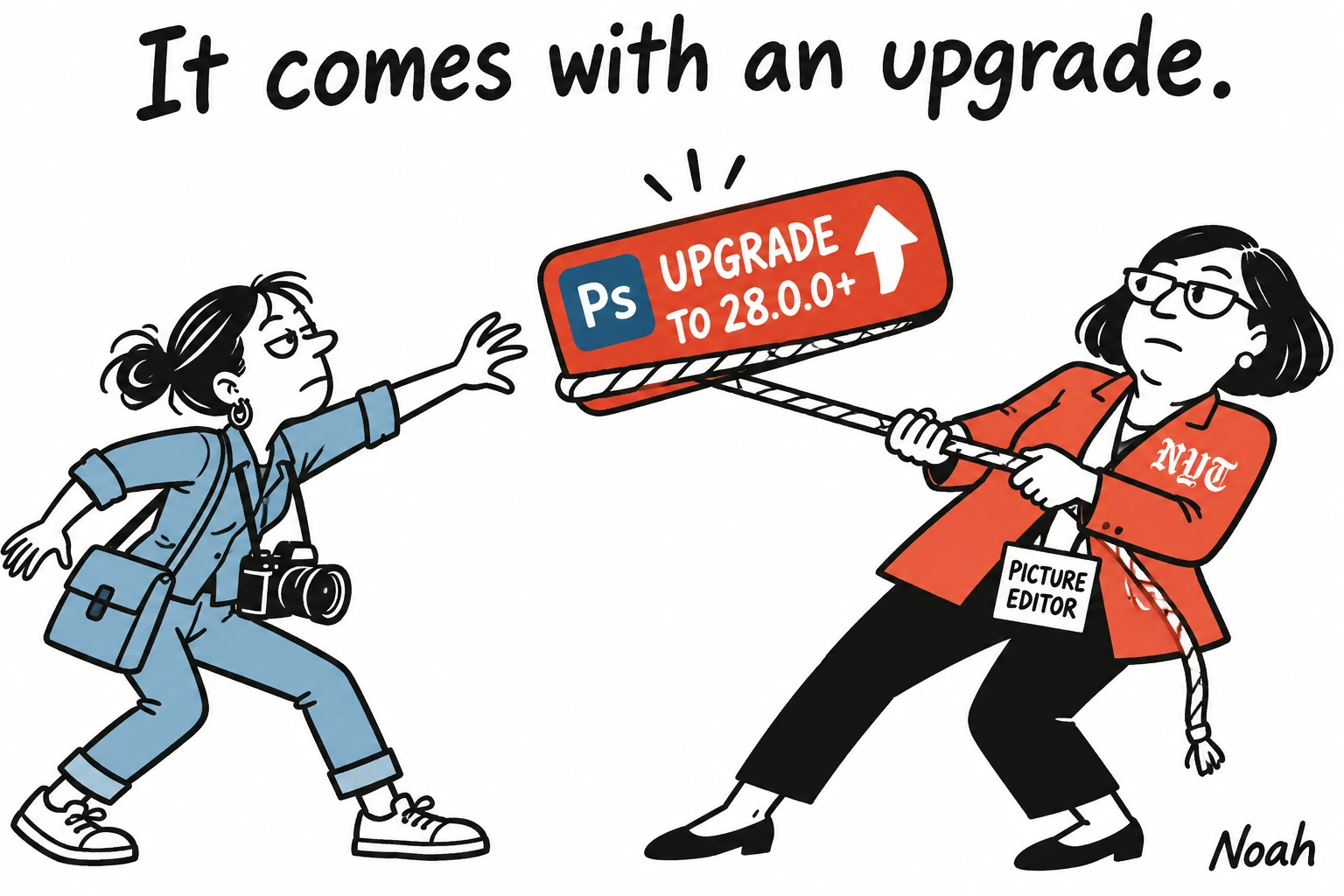
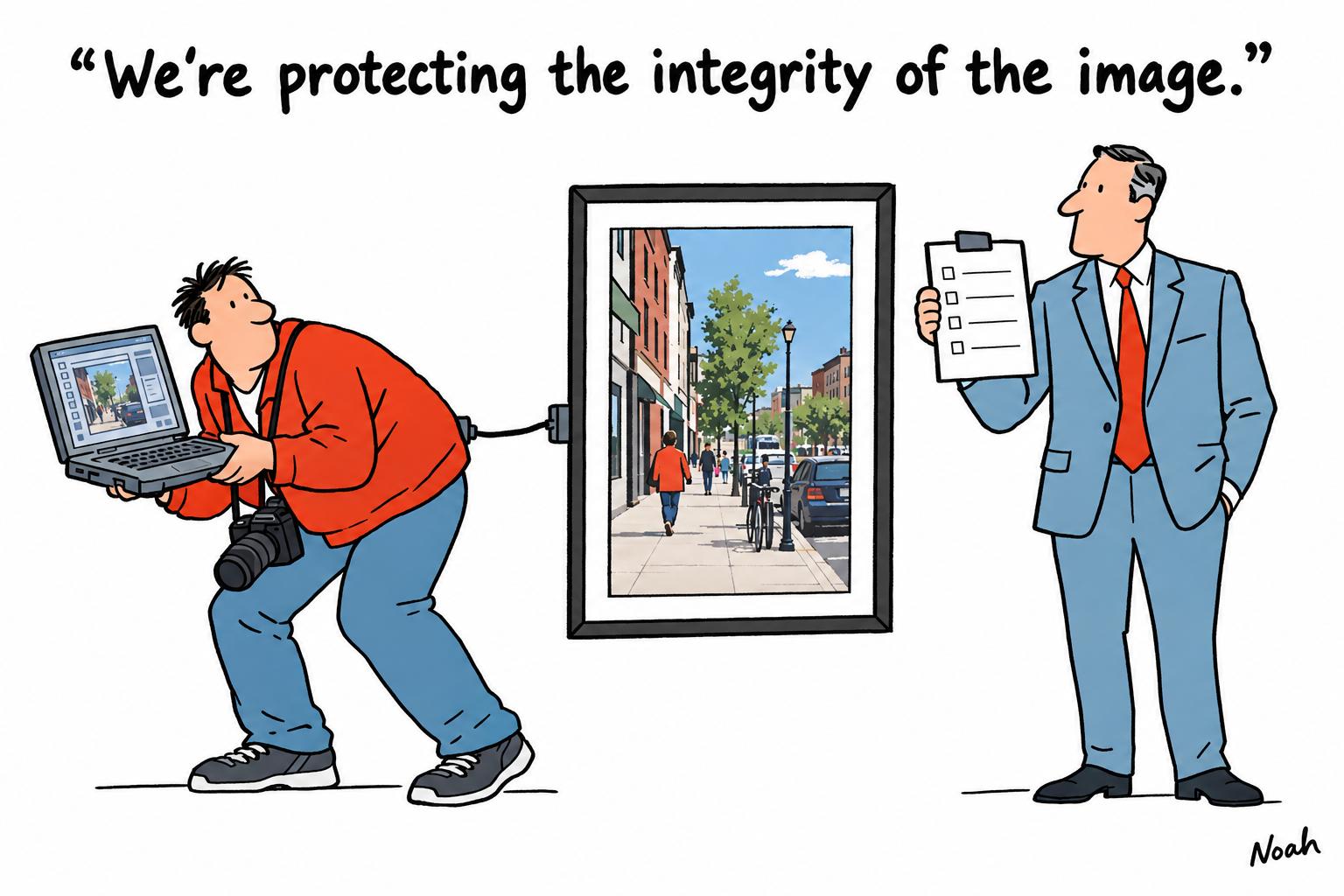
Earlier versions remain available to photographers. The paper says an editing tool could invoke generative AI without the photographer realising it.

The publisher can send a byline, an update date and rights information with each article. Which partners use the feed, and what they pay for access, remain open questions.

The trade is being told, again, to fight back against AI assistants. Tomorrow's Publisher looked at what readers are actually doing with them, who is already charging for it, and how likely the money is to turn up.

Regional editors have challenged a UK plan to give trusted news more space on social media. A better position could help readers find real reporting, depending on whose stories appear and where the links lead.

Reporters had sometimes pursued the same story without knowing it. The Nigerian publisher says staff can now track an assignment from planning to publication, with editors responsible for checking the copy.

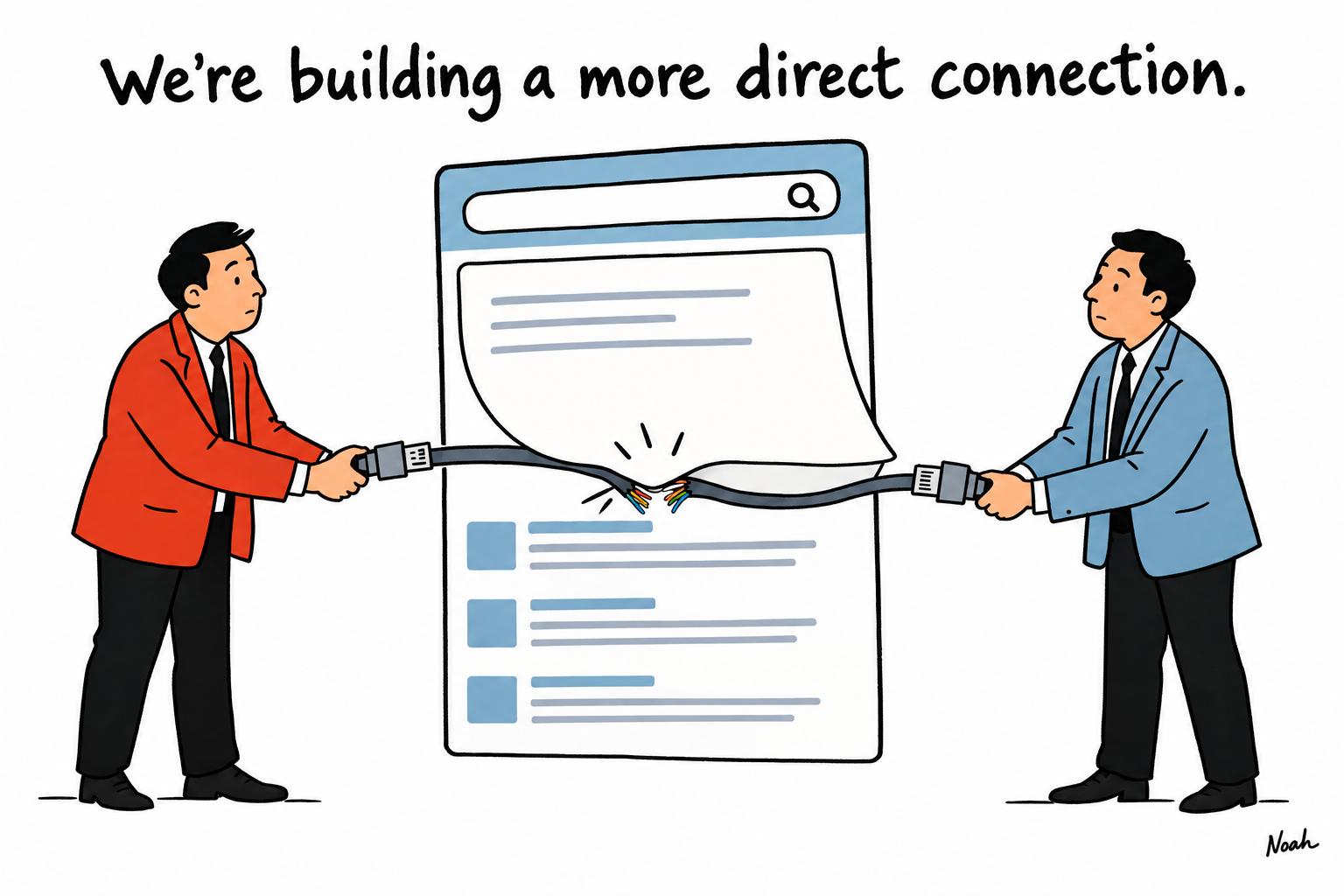
Indonesia’s Tempo Digital says its organic search traffic fell 50% to 70% after AI Overviews appeared. Publishers meeting in Manila want a way to reach readers who no longer click through.

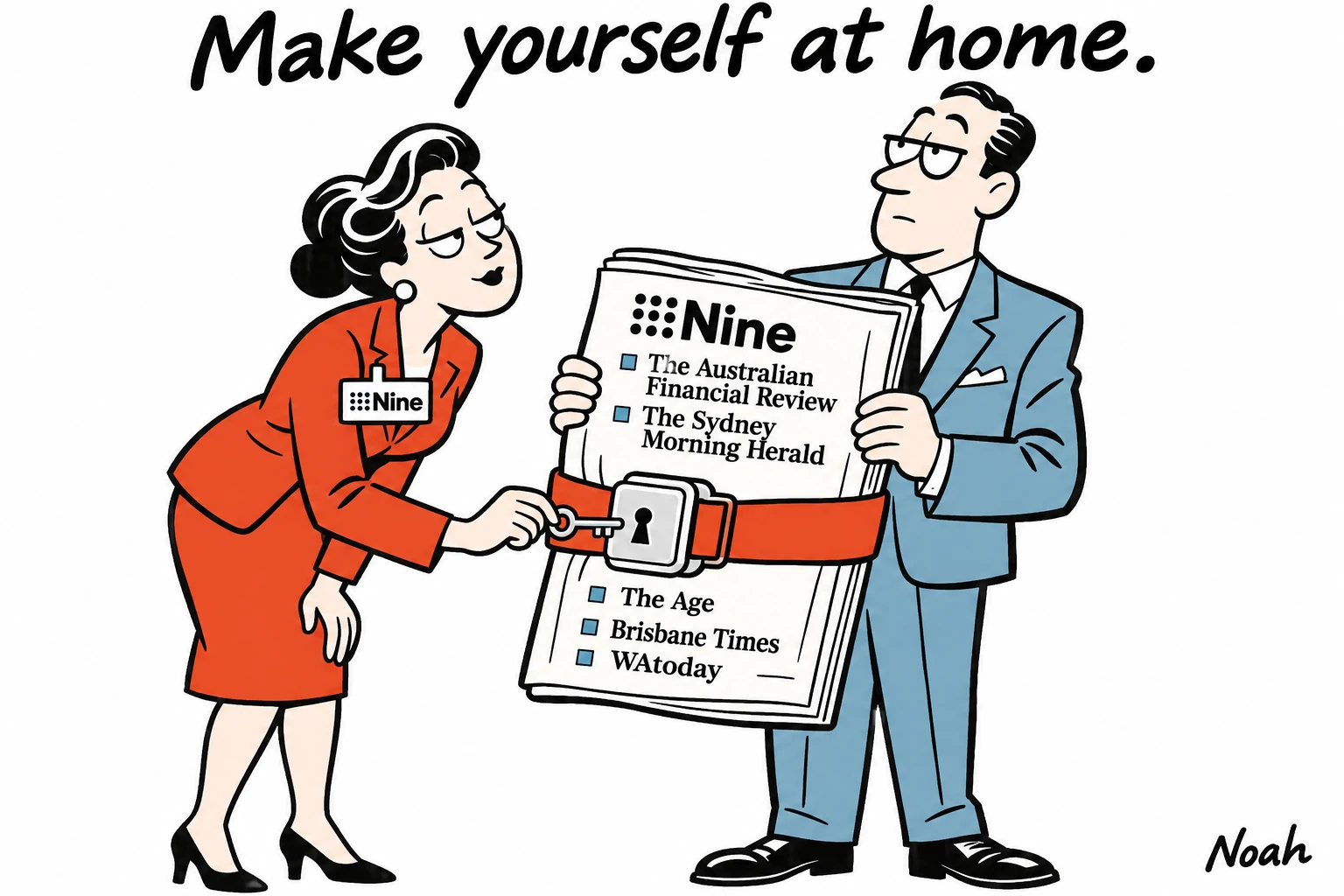
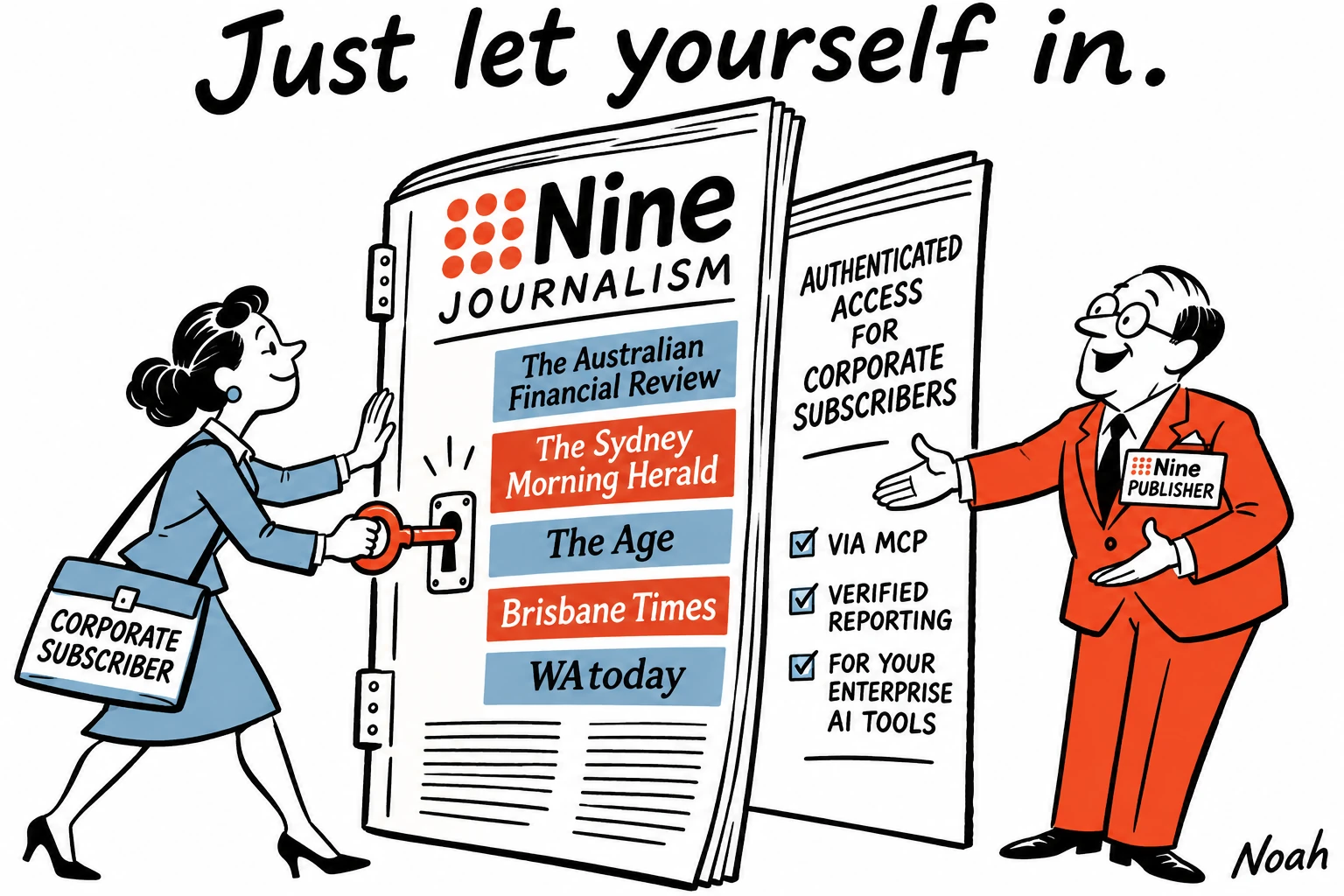
Nine can identify a paying business even when its staff use their own AI tools to read the reporting. The publisher plans a wider rollout in 2027 and has yet to say what it will charge.

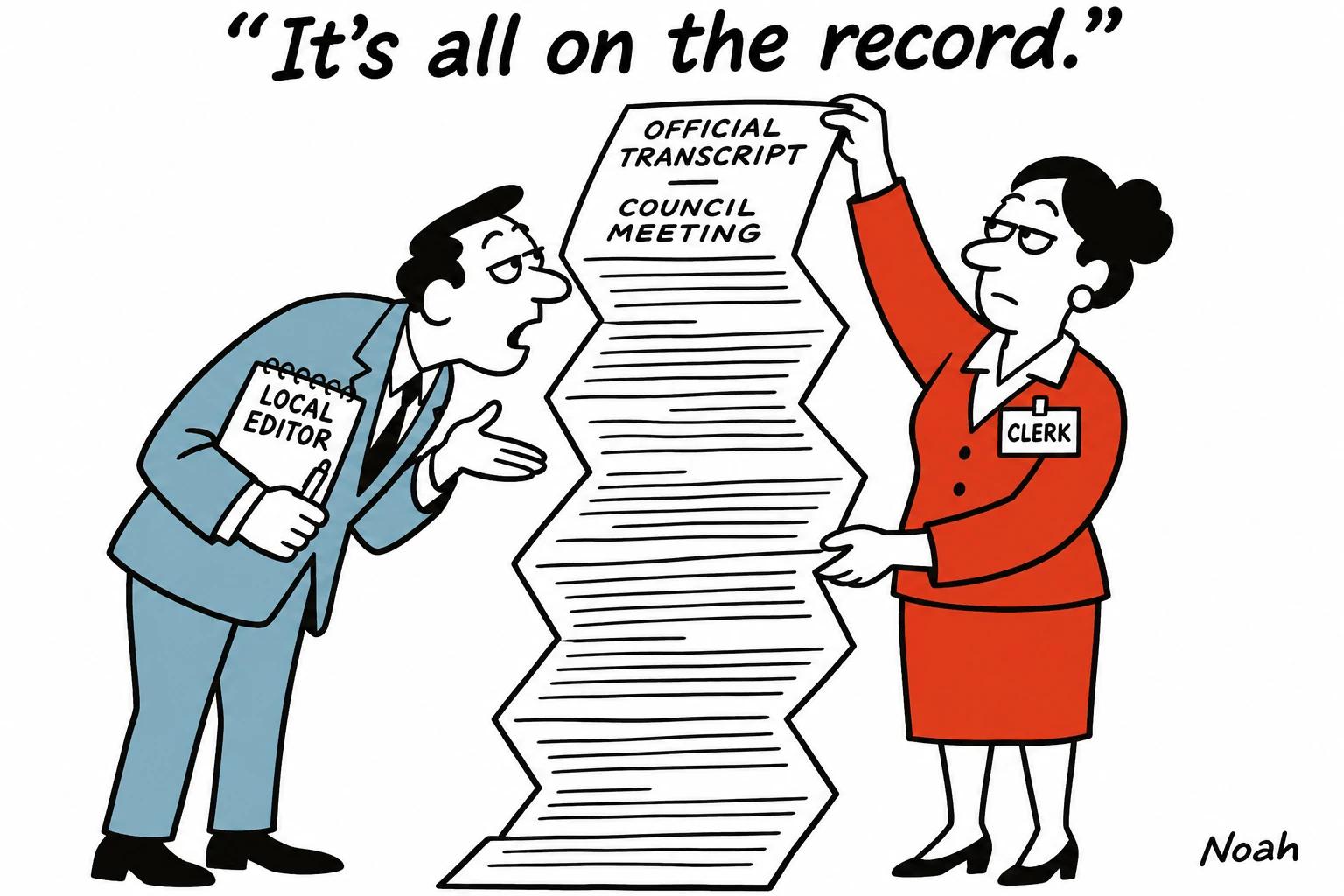
Daily News sells local editors the tools to turn public records into stories. Covering a council meeting is one service. Finding someone who will challenge the council’s account is another.

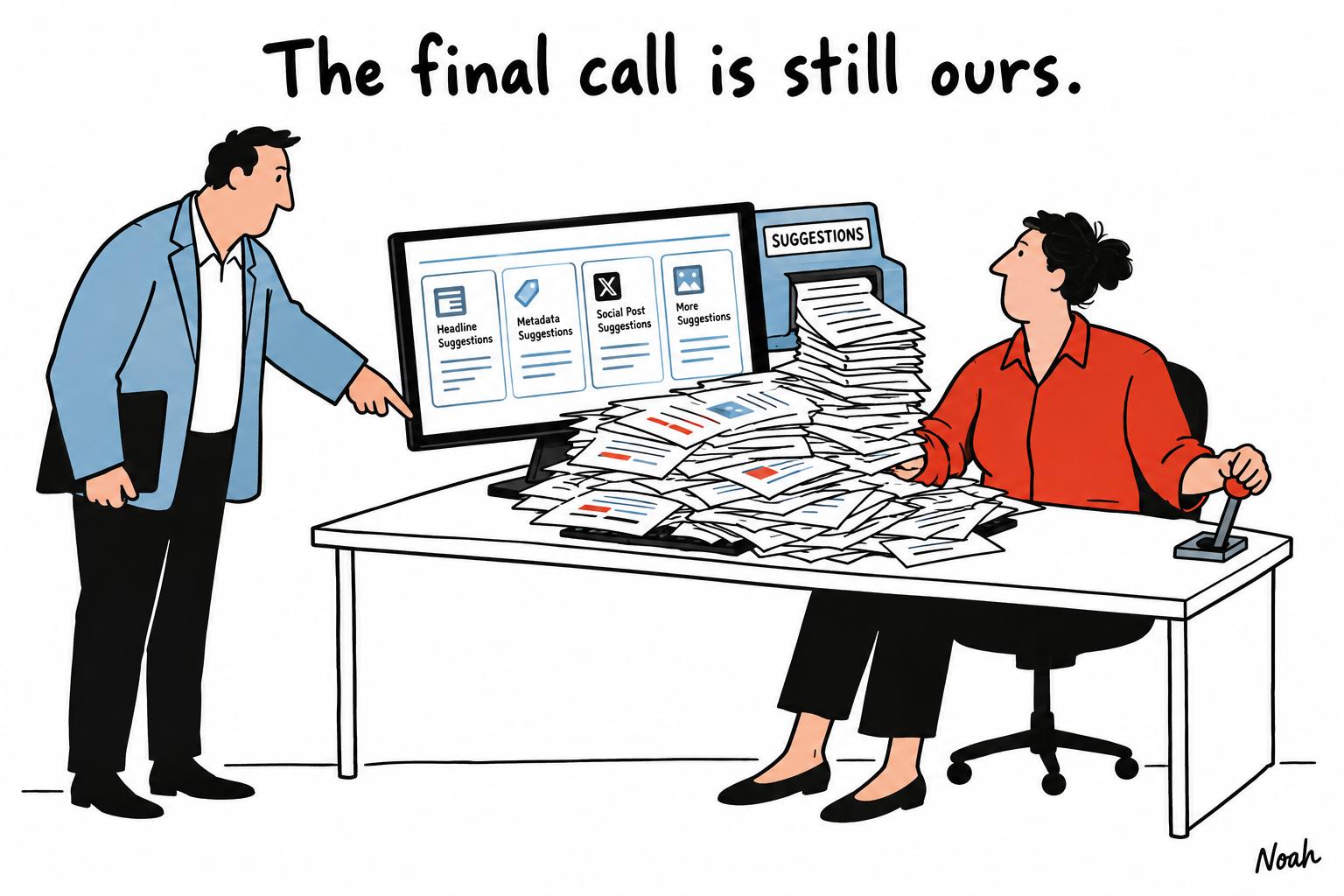
Editors still approve every suggestion. Qubika has also tested a tool for writing social posts, but its case study gives no figure for how much editing time the publisher saves.

The High Court challenge to Oak National Academy comes as England rewrites its curriculum. Publishers face a choice between selling to schools and bidding to supply the free materials.

The tool gave the Australian publisher no explanation for the interruption. Its editor kept the assignment open and received a narrower report that morning.

After a false summary in December 2024, Apple paused the feature for news apps. When it returned in testing, readers could see who had rewritten the alert.

The pilot covers five mastheads. Nine has yet to say whether a client can store and index the reporting its AI assistant retrieves.

Readers liked the idea of hearing the paper’s top five stories. Listening figures told a different story. The newsroom found a second use for the scripts in videos presented by its journalists.

The publisher’s Ukraine show charges for extras while keeping its reporting free. The Economist’s latest results show why another British publisher uses video to make a different sale.

Thomson Reuters put transactional AI licensing revenue at about $19 million for the quarter. The union wants journalists to share in the profit when their work is licensed.

The paper says some editing tools can leave a file marked as AI-generated without the photographer realising.

A pilot will let licensed business subscribers access journalism from five Nine mastheads through the Model Context Protocol, with a broader rollout planned for 2027.

In a test of research on religious restrictions, Google’s NotebookLM could point to the right documents and still miss incidents that mattered to a country’s score.

The publisher also pledges to keep its books out of training deals. At fellow independent press Candlemark & Gleam, authors must certify how they wrote their manuscripts.

Claude suggested the ad placement after examining the publisher’s code. The figure comes from a feature MarketBeat sponsored in SiouxFalls.Business.

The London publisher’s online shop is live in four markets. Its retail partner handles the order. What matters to the publisher is what it earns and learns when readers buy.

The broadcaster is testing AI for transcription, research and data analysis, but says staff will retain control of its reporting, music and programming.

Flourish has added a link that lets assistants retrieve chart data. Publishers with older embeds may need to update their pages.

Digital teams took over five local editions at the end of September. A correction in Siegburg shows what can slip through when nobody calls the school at the centre of the story.

Proper Cardiff News is selling subscriptions to finance original reporting. Expansion depends on how many readers keep paying and what those subscriptions can buy.

The Australian publisher’s free connector lets readers ask about product reviews and buying guides. The business test is whether those answers send people to the original reporting.

Executives outlined an overhaul after cuts affecting more than 90 journalists. In a separate case, a federal appeals court lifted an injunction against Mississippi’s social media law.

The Sun has credited its editorial staff collectively for an AI-generated cartoon. That tells readers how it was made, but leaves a question about who supplied the judgement.

As the Colombian newspaper marks 65 years, its shift from paid print publication to a multi-channel business offers a lesson in adapting technology to journalism, audiences and revenue.

The agency’s Bridge tool drafts English copy from Japanese reports. Its developers say a trial saved time, while Kyodo journalists retain the final say.

The newsroom reported no further requests from two user-triggered bots and steady Google Search clicks during its observation. Partners still carry copies of its stories.

Taylor & Francis retracted a paper after its authors confirmed inserting concealed instructions for an AI reviewer. Experiments suggest such prompts can inflate scores and acceptance recommendations, sharpening calls for safeguards.

The tool shares excerpts across his blogs. In one image caption for screen readers, Sinclair changed “code” to “blurred content” because the image did not establish what was on the screen.

Synthetic voices could help stations test literary series and narrated essays, but success will depend on editorial judgement, rights clearance and listener trust.
A weekly briefing for people shaping the future of publishing.
Free. Email requests are handled by our team.