OpenAI appears to give licensed publishers a hidden head start in ChatGPT
An analysis of ChatGPT's search pipelines suggests content from OpenAI's publishing partners is supplied as pre-written summaries and placed ahead of ordinary web results.

1187 stories · newest first

Hidden metadata in Protégé downloads identifies files as AI-generated and unverified, even when users delete the system’s text and write the document themselves.

The Royal Society, Taylor & Francis and Rockefeller University Press show how shared screening is becoming publishing infrastructure. The next investment is in the people who turn warnings into sound editorial decisions.

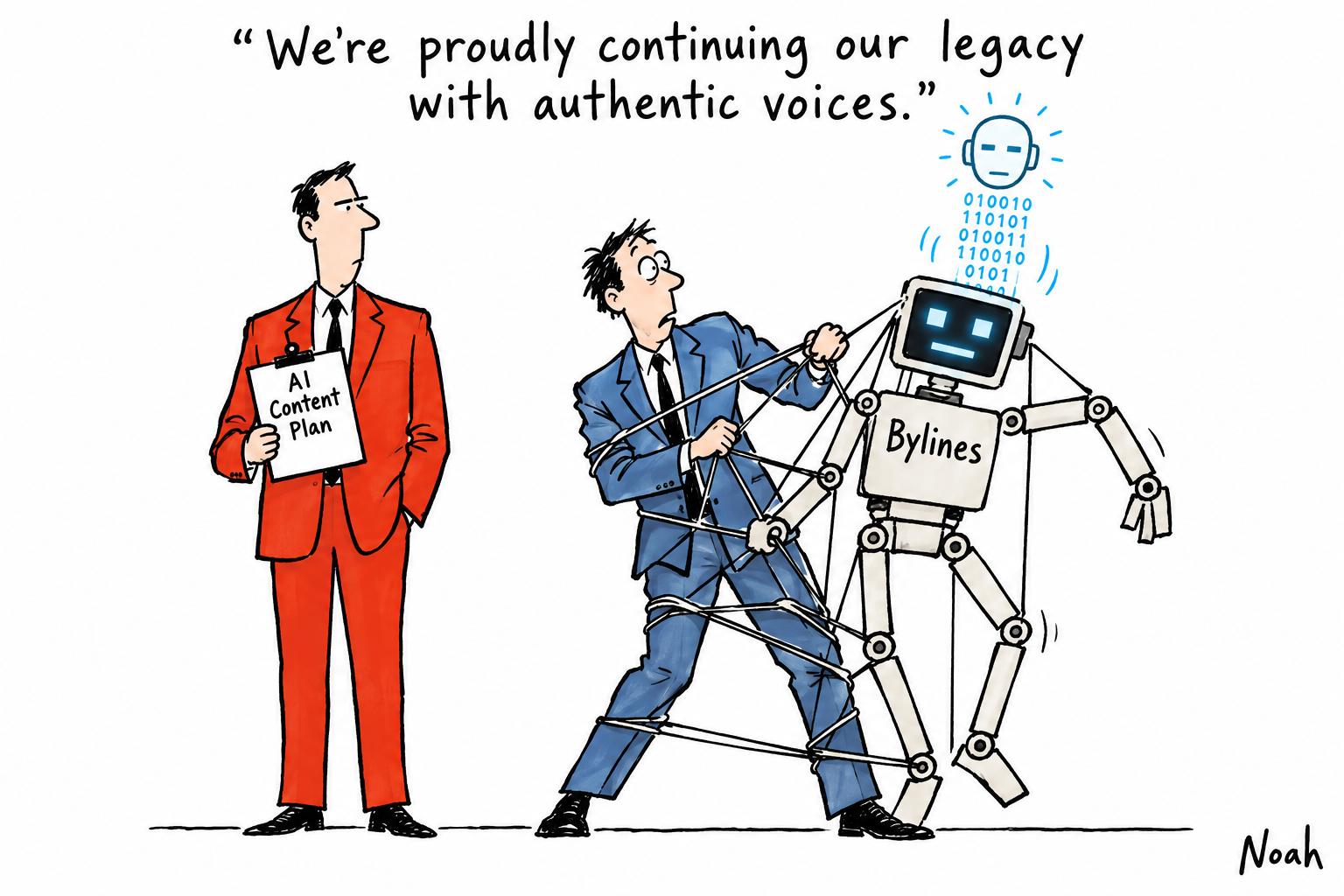
Former staff say gaming and esports sites linked to Clickout Media published AI-generated gambling articles under the names of journalists who had left, after Google penalties triggered editorial cutbacks.

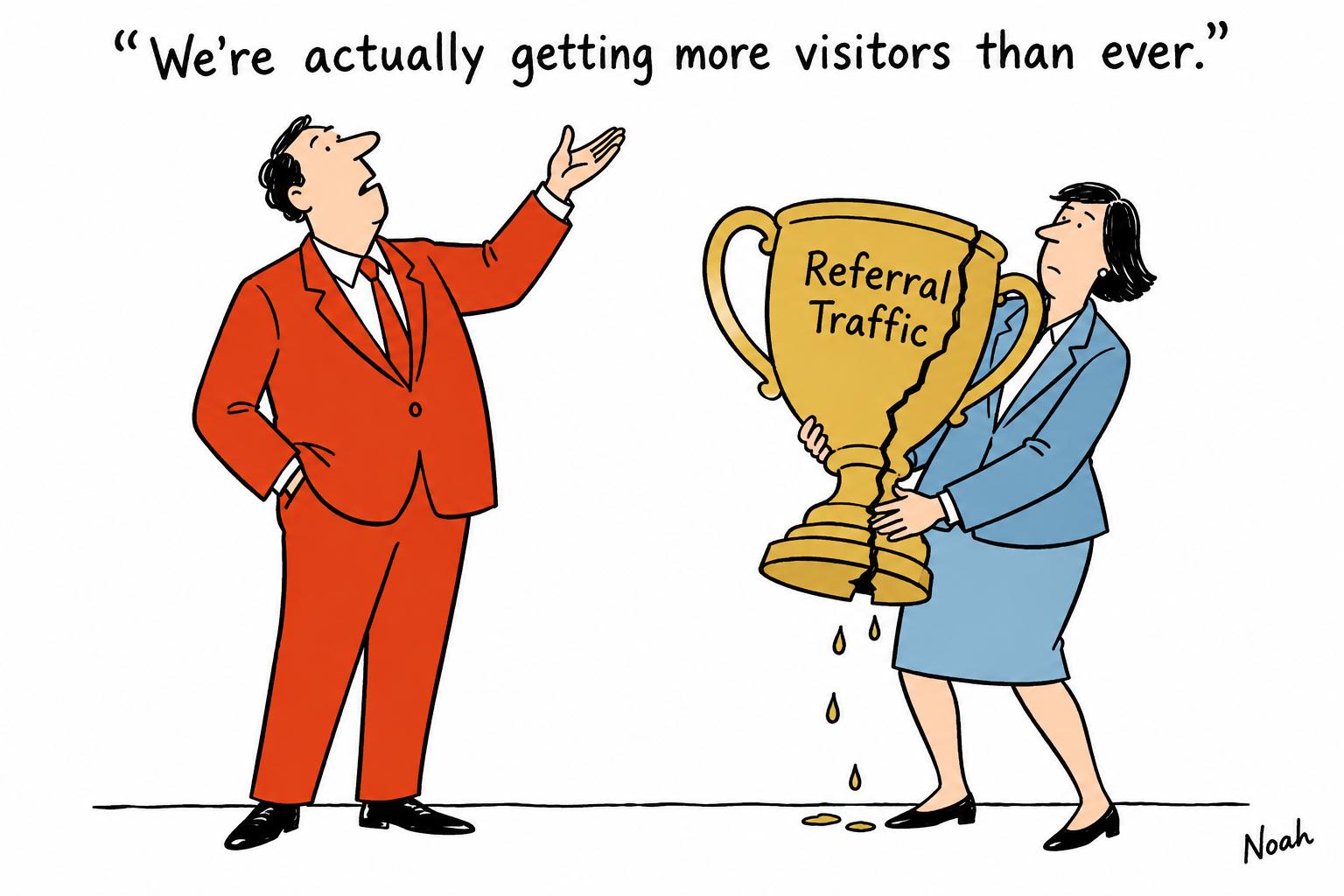
Rest of World’s warning that it may need a new institutional home or shut as a standalone outlet highlights how AI search summaries, platform dominance and falling referrals are forcing publishers to rethink their business models.

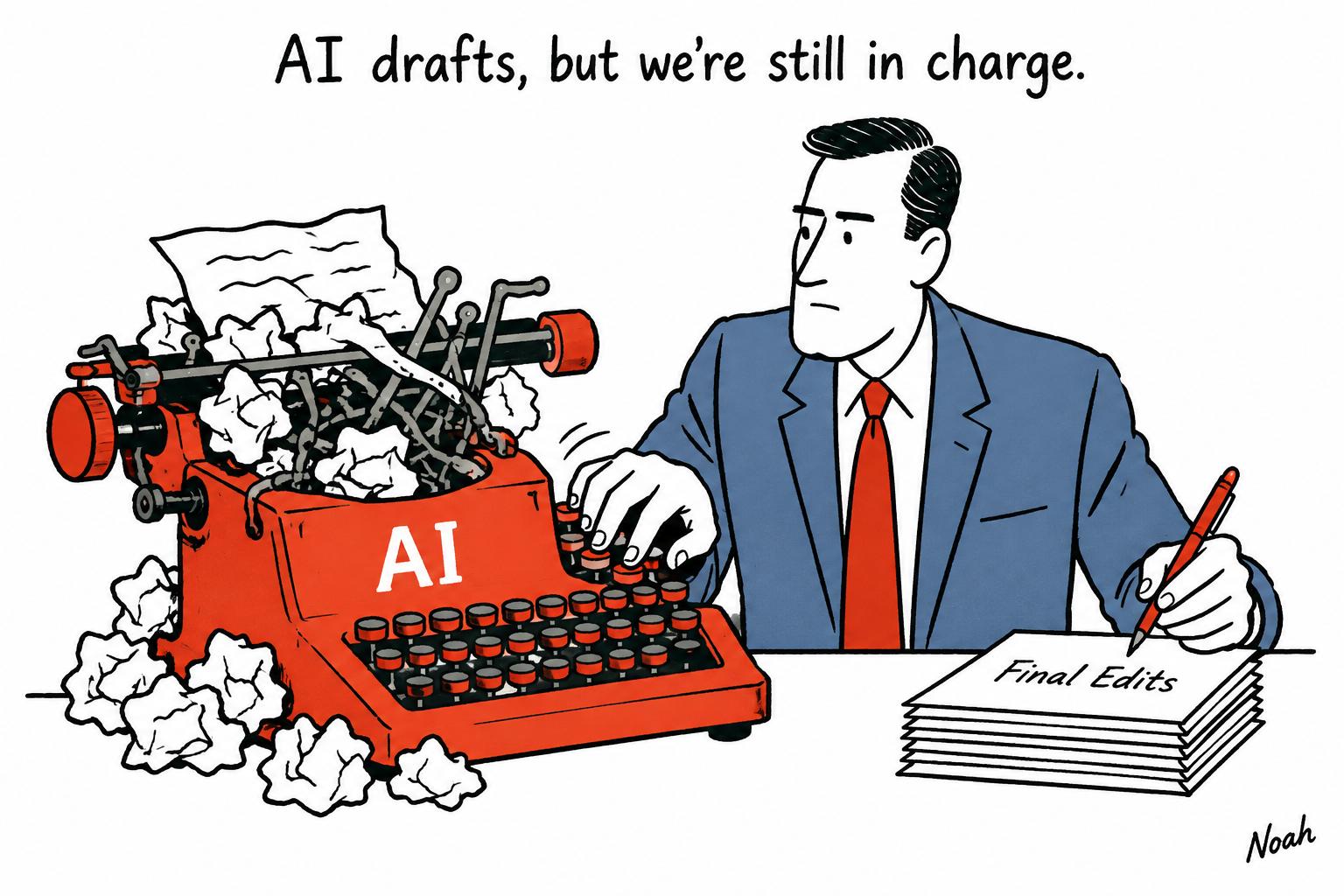
Rockefeller University Press is using AI to detect image manipulation, reshape how readers find research and support manuscript checks, while keeping scholarly judgement at the centre of publication decisions.

The centre-right Danish outlet will use AI to find stories and draft articles, while editors retain control over selection, framing and publication.

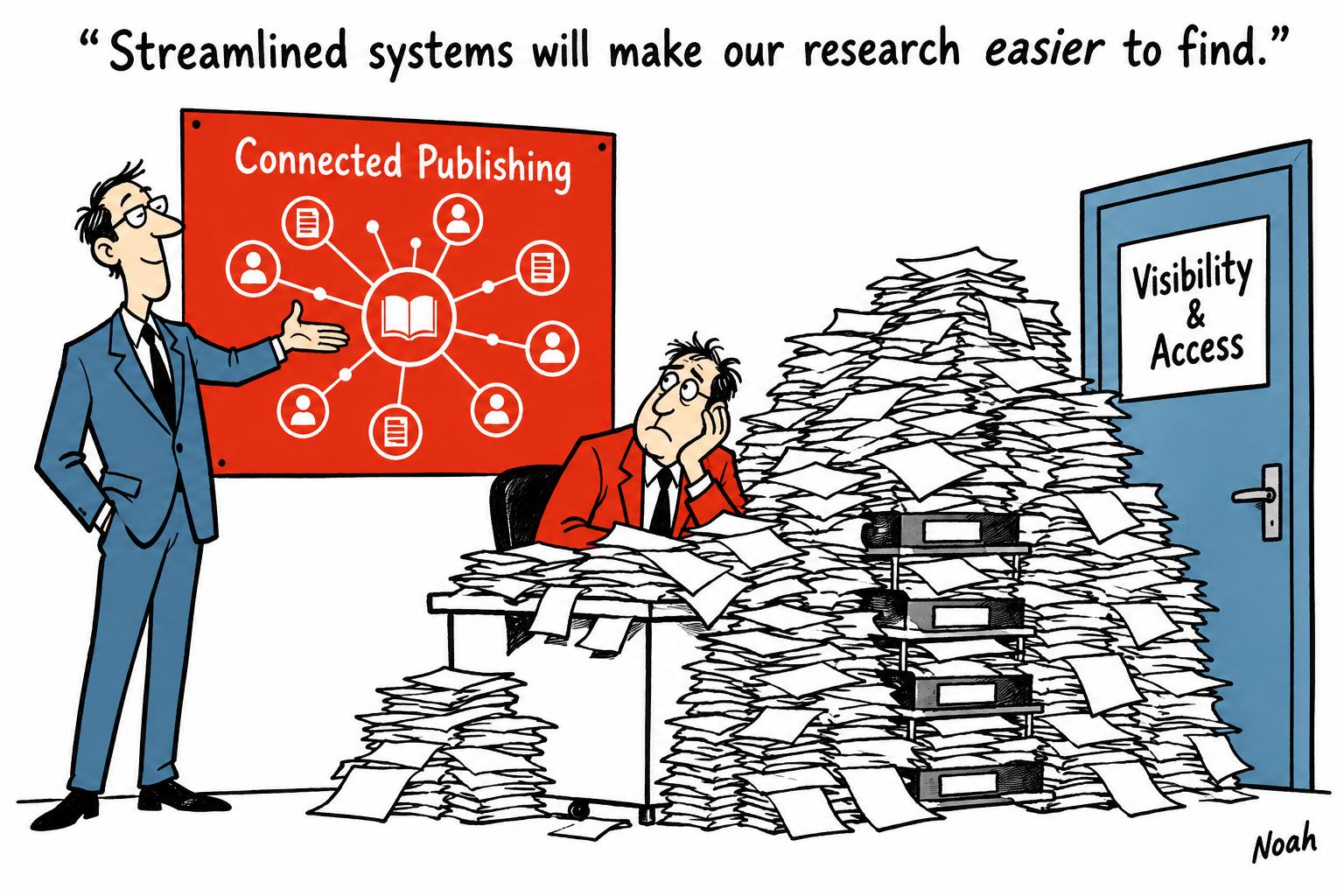
Integrating submission, peer review, production and distribution could ease administrative pressure while making African research more visible, accessible and discoverable.

TV station groups are shifting the AI debate from adoption to execution, weighing in-house control against vendor expertise while targeting measurable gains in workflows, content and advertising.

The FT’s discussion experiment points to a useful reader product. As Discourse makes conversations easier for AI to consume, publishers need a stronger invitation for people—and a business case that goes beyond comment counts.

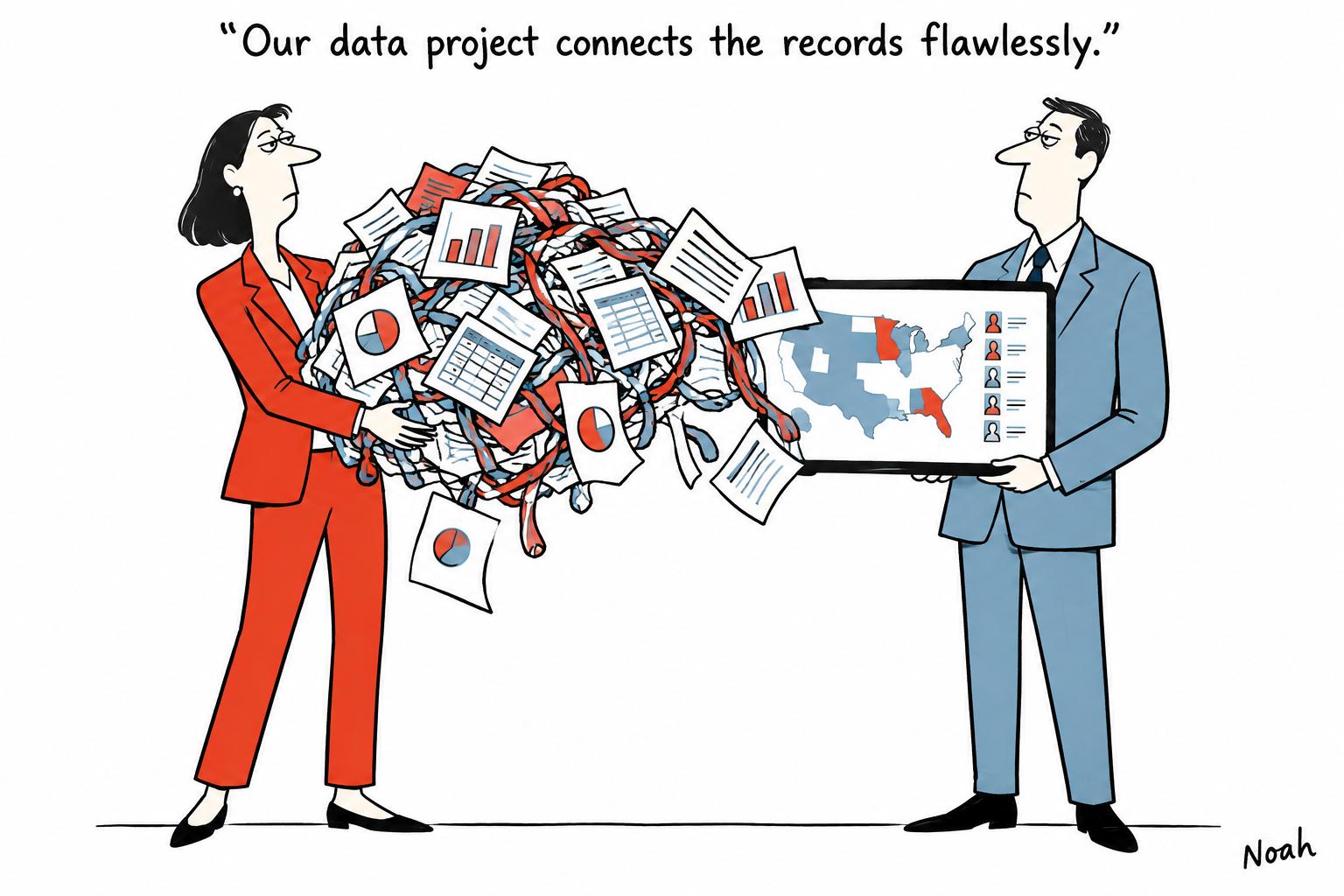
The award-winning interactive project profiles 89 candidates seeking re-election and uses automated workflows to connect fragmented public records.

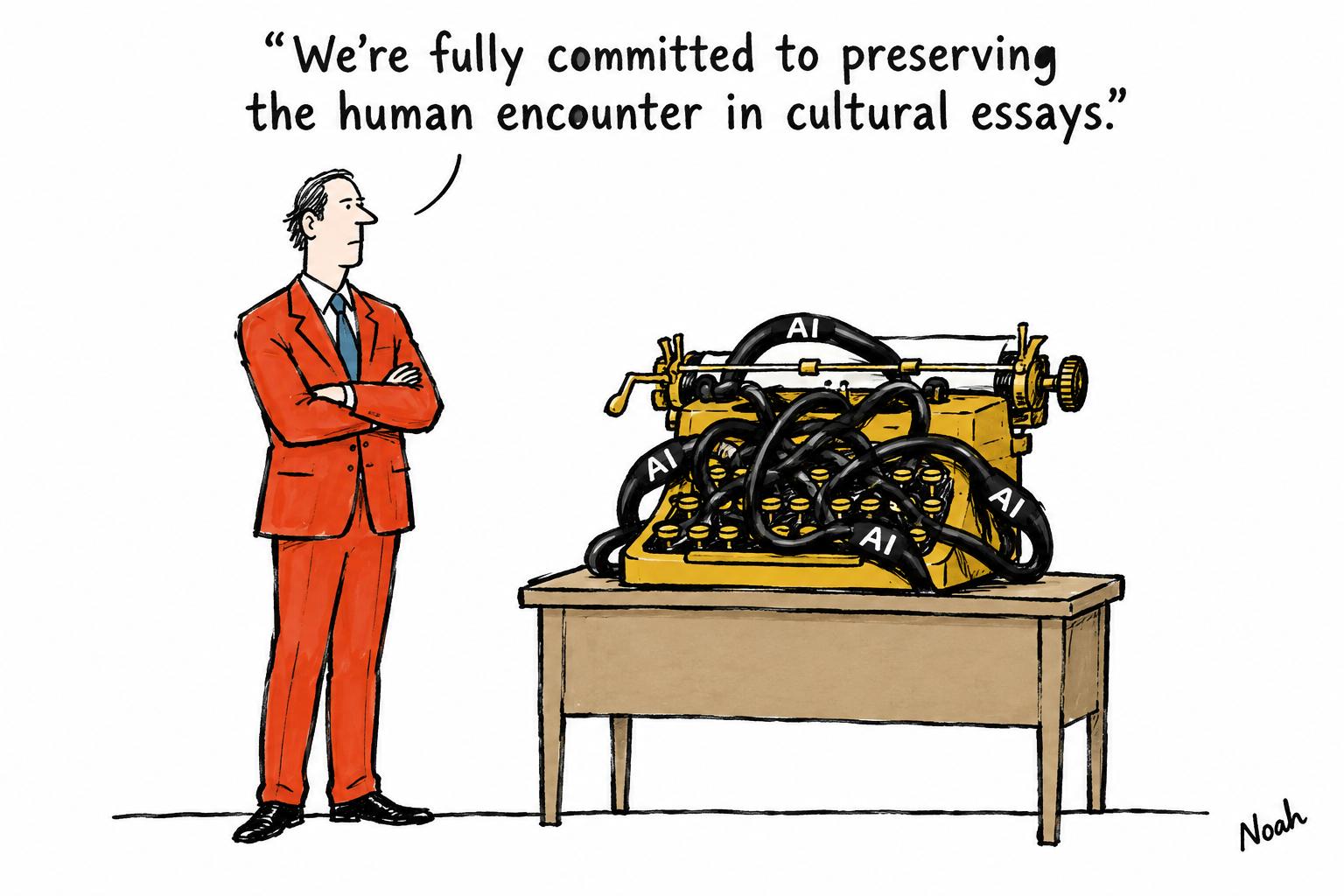
The removal of an Under strecket essay has intensified a wider debate over whether AI-assisted writing can preserve the human encounter readers expect from cultural essays.

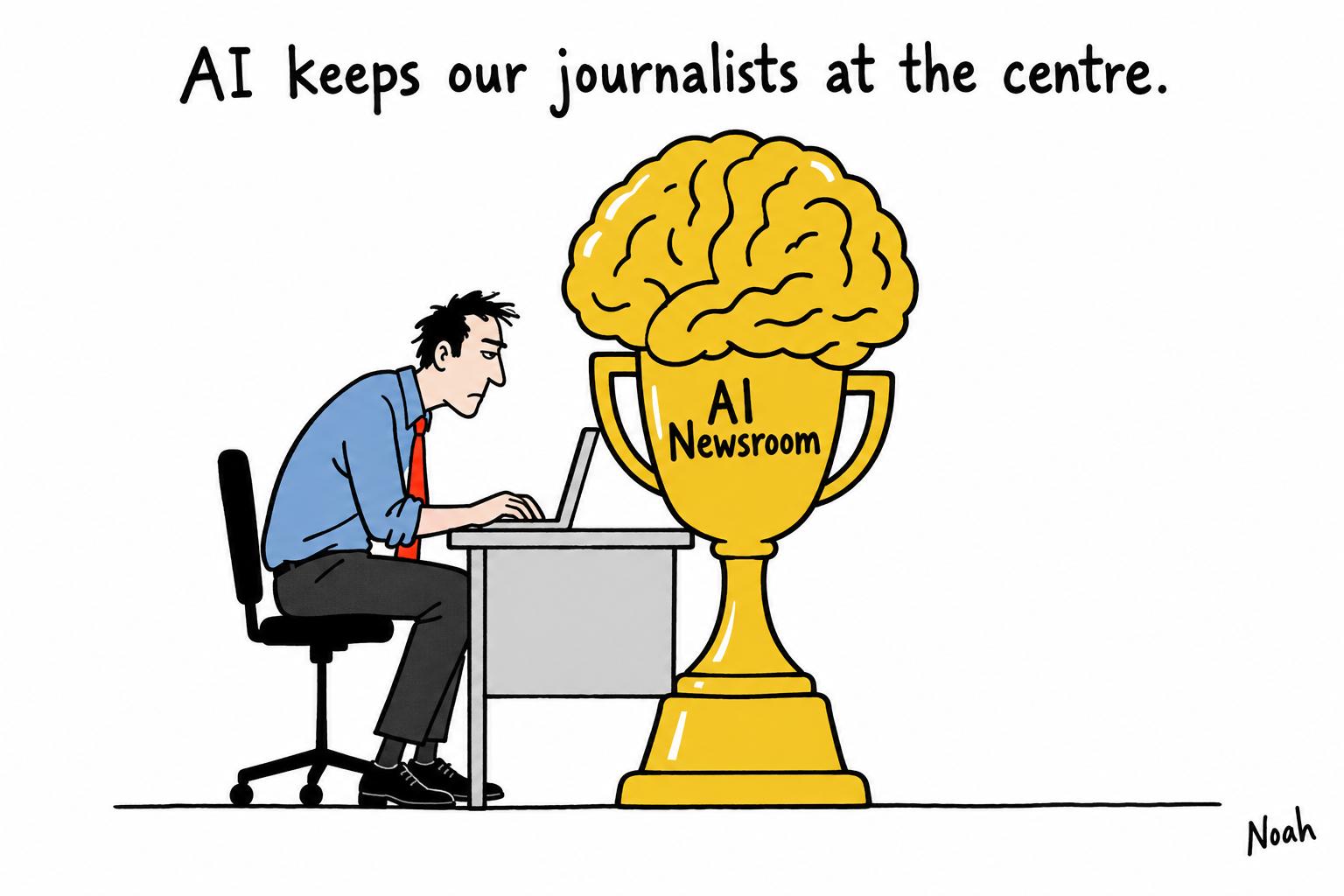
Dimokratiki has rebuilt its website around AI-assisted summaries, Greek-language audio, automated video and a searchable archive, while retaining journalists at the centre of its reporting.

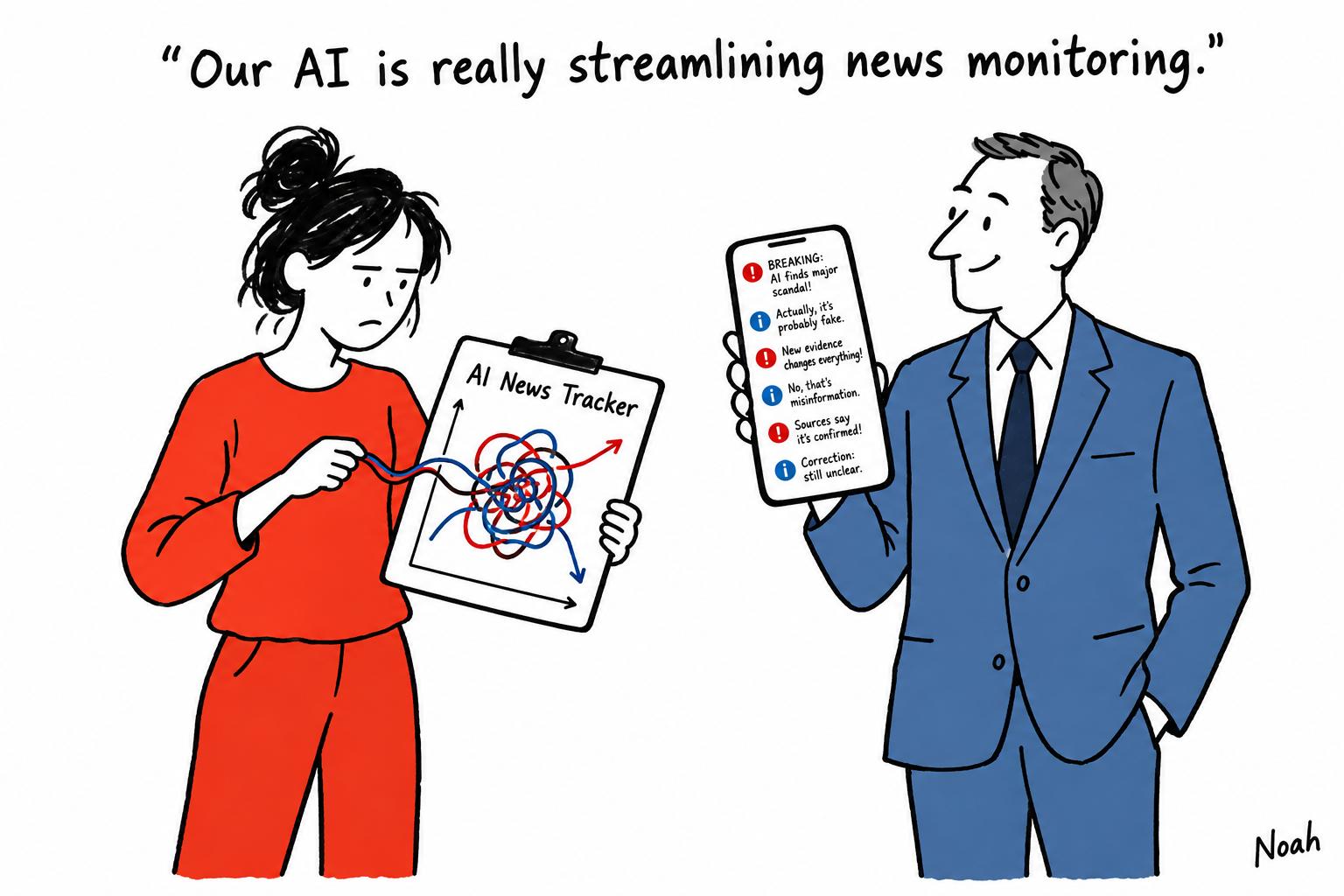
BeatNews is helping two major-market television newsrooms track public records and agency updates, as its student founders prepare to expand the service across the US.

As publishers turn one source story into articles, newsletters, social posts and more, practical style guides are helping AI and human teams protect accuracy, accessibility and brand voice across every channel.

Axel Springer’s restructuring opens a route to selling specialist intelligence. The costs are becoming clearer; the new customer proposition still needs to be built.

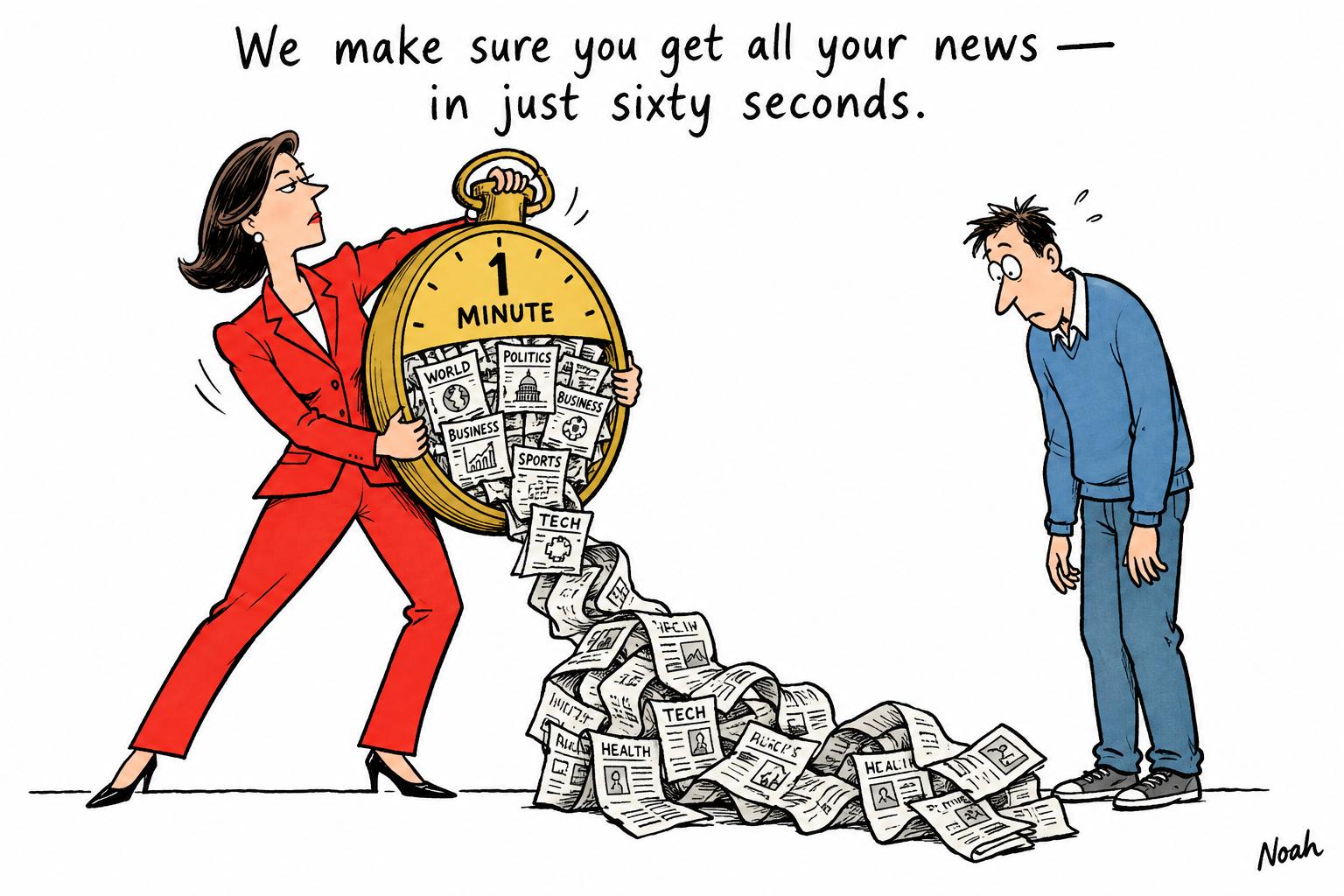
The new weekly roundup gives Rock River-area readers a rapid, structured route through the biggest stories while reflecting the growing use of repeatable recap formats in digital publishing.

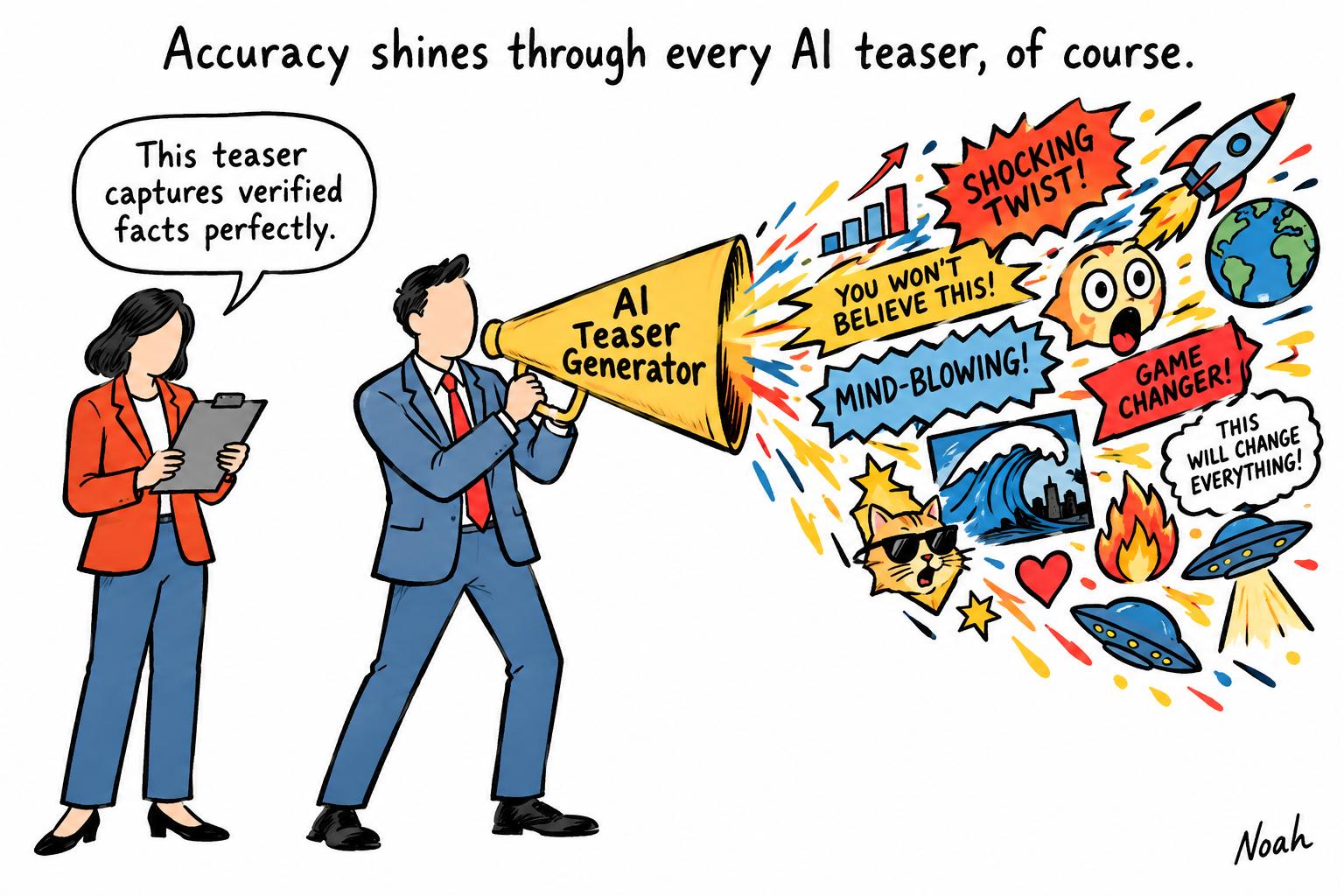
A disciplined workflow can help small newsrooms produce 20- to 30-second event teasers quickly, while keeping facts accurate and generated visuals clearly promotional.

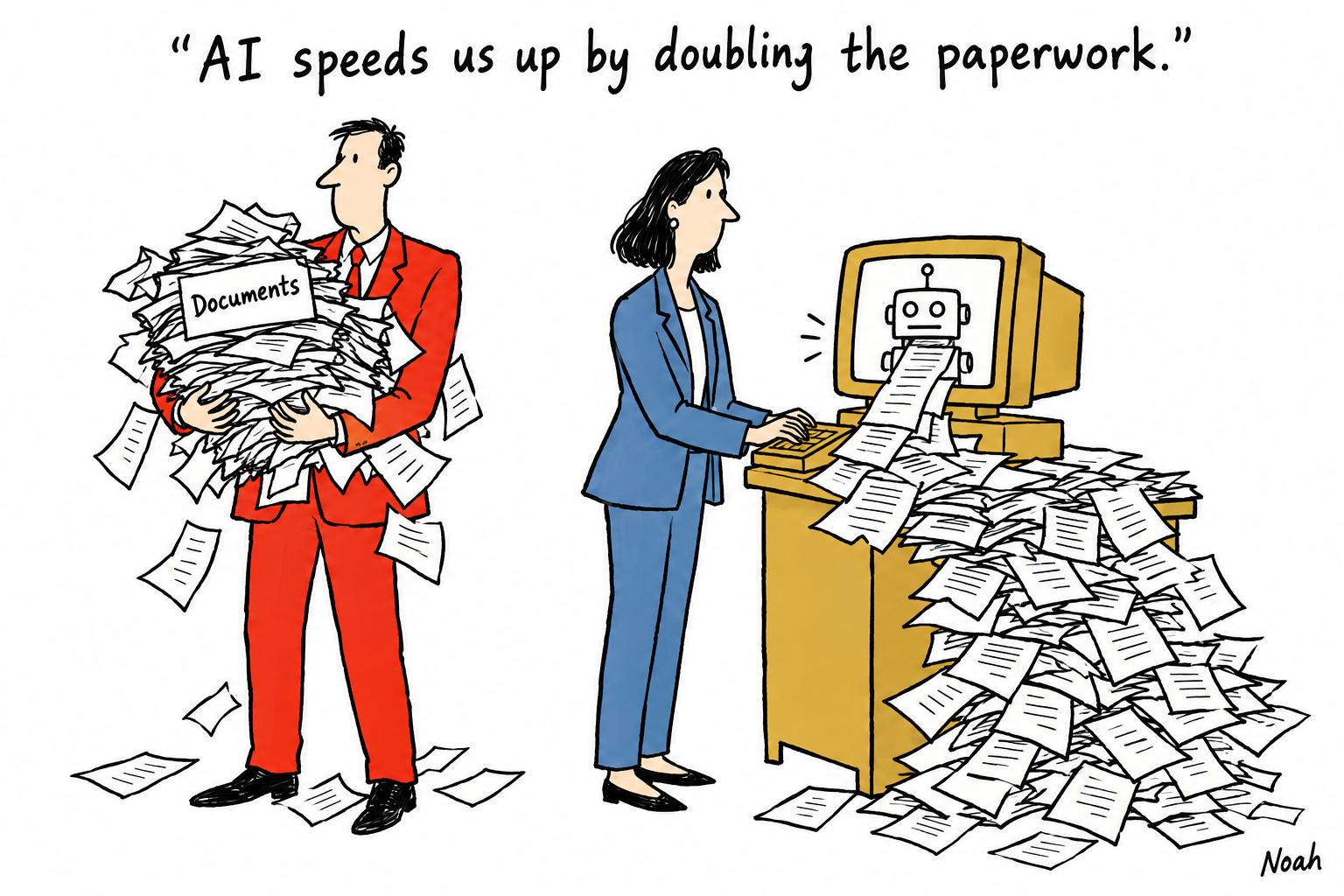
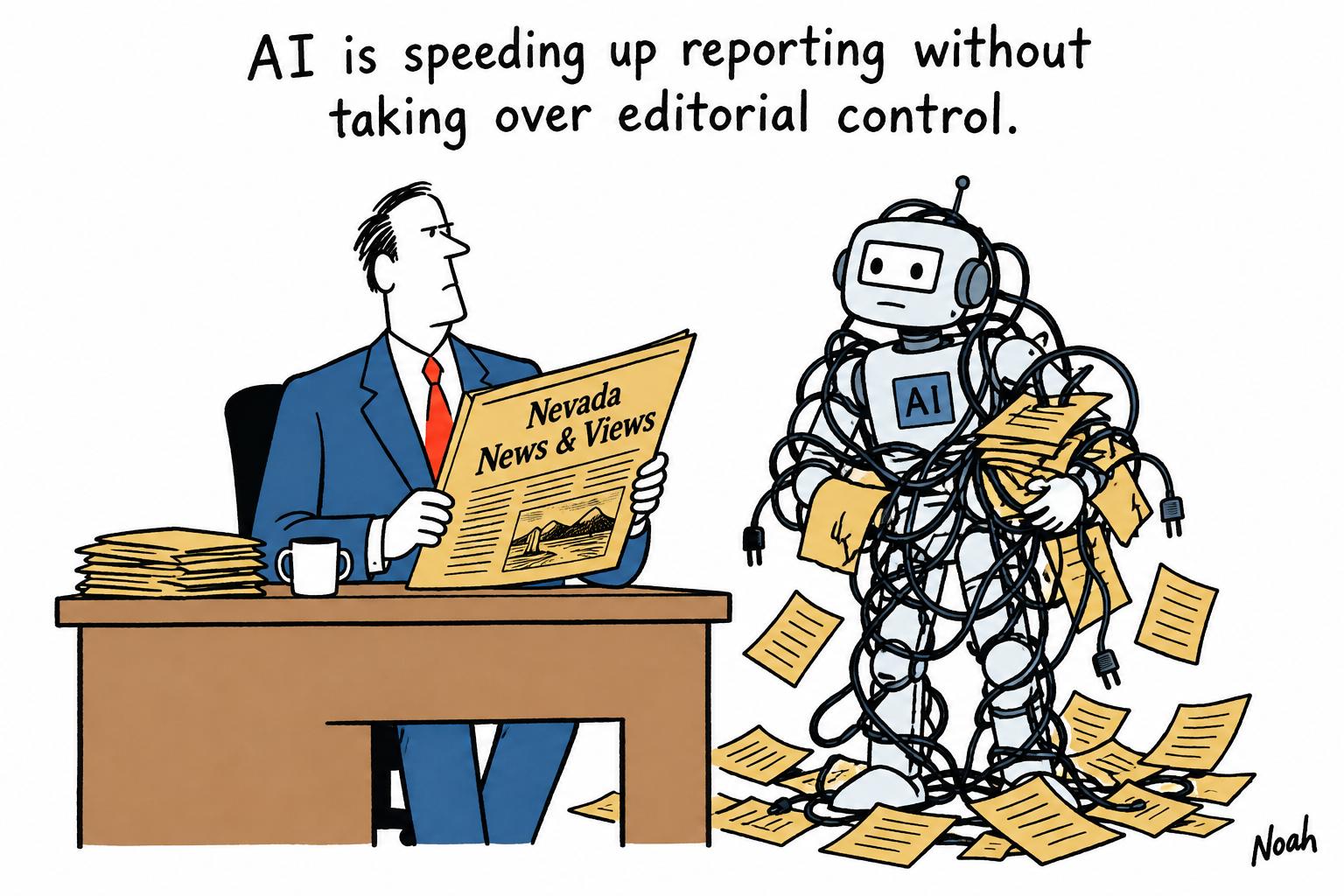
Nevada News & Views is using AI to speed up document-heavy reporting while keeping verification, sourcing and editorial decisions with human journalists as search referrals decline.

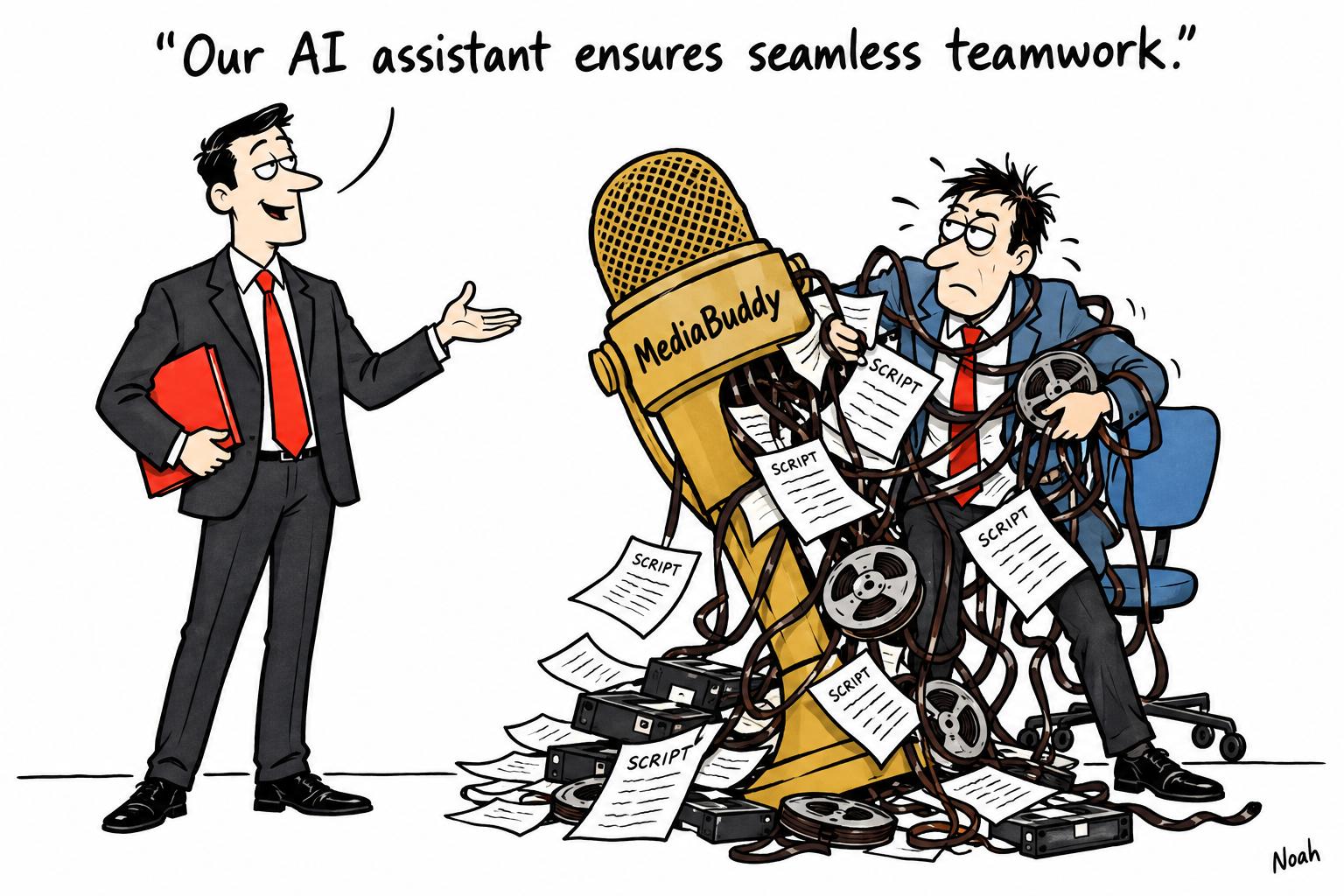
Tencent is partnering with Shenzhen Broadcasting Group to deploy MediaBuddy, a multilingual AI assistant designed to support reporters and editors across the full production cycle of APEC 2026 coverage.

Falling search referrals and direct visits are squeezing major publishers, but Nevada News & Views says AI-assisted reporting can help smaller newsrooms work faster while keeping human journalists in charge.

The postponed business terms give UK publishers breathing space. A meaningful choice over additional uses of journalism remains the prize—and the forecasts suggest a practical opt-out is far from assured.

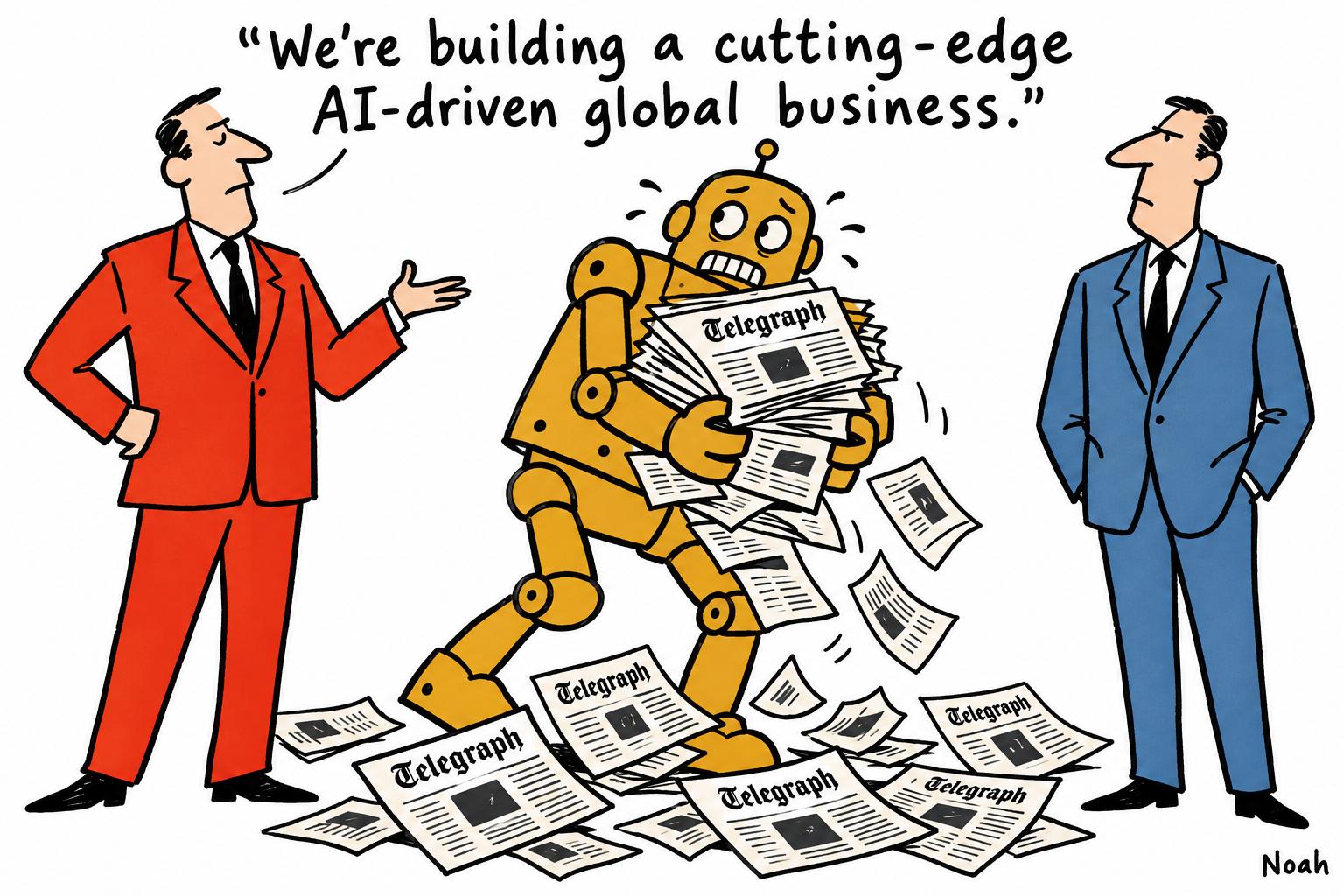
The German publisher has begun consulting staff on about 100 redundancies as it restructures The Telegraph around international expansion, AI and new digital businesses.

The Associated Press’s new style guidance reflects how quickly once-niche AI language has entered public debate, from low-quality machine-made content to software that acts independently and code written through prompts.

Just Eat has suspended a trial of AI-generated food photographs after dishes including jacket potatoes and tiger prawns were depicted as literal, wildly inaccurate images.

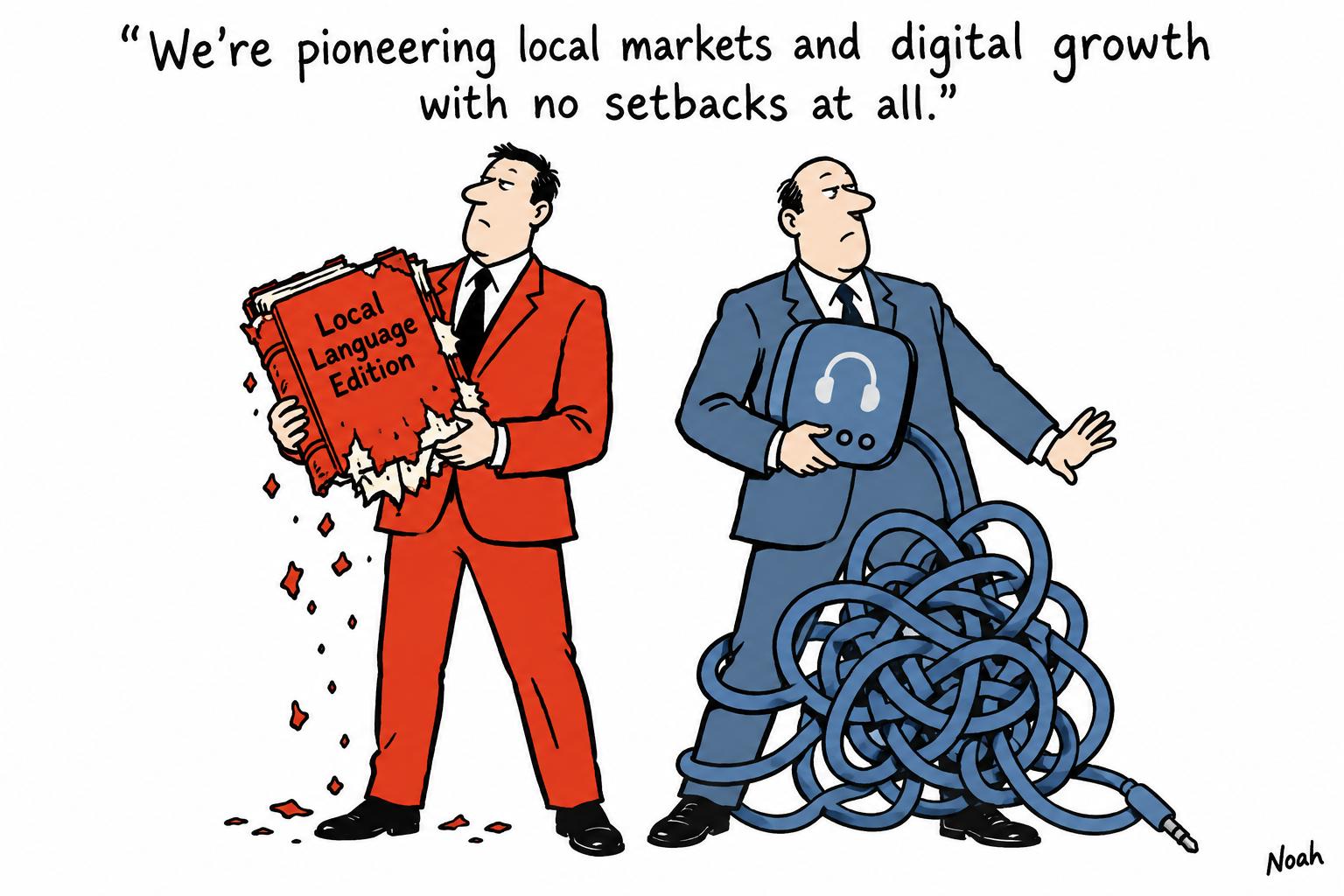
Publishers are racing to exploit audiobook growth and digital platforms while confronting AI-driven job losses, shrinking margins and the erosion of local-language markets.

The money is real. Its reliability is a different question. Publishers should pursue licensing while keeping windfalls separate from the income that pays lasting bills.

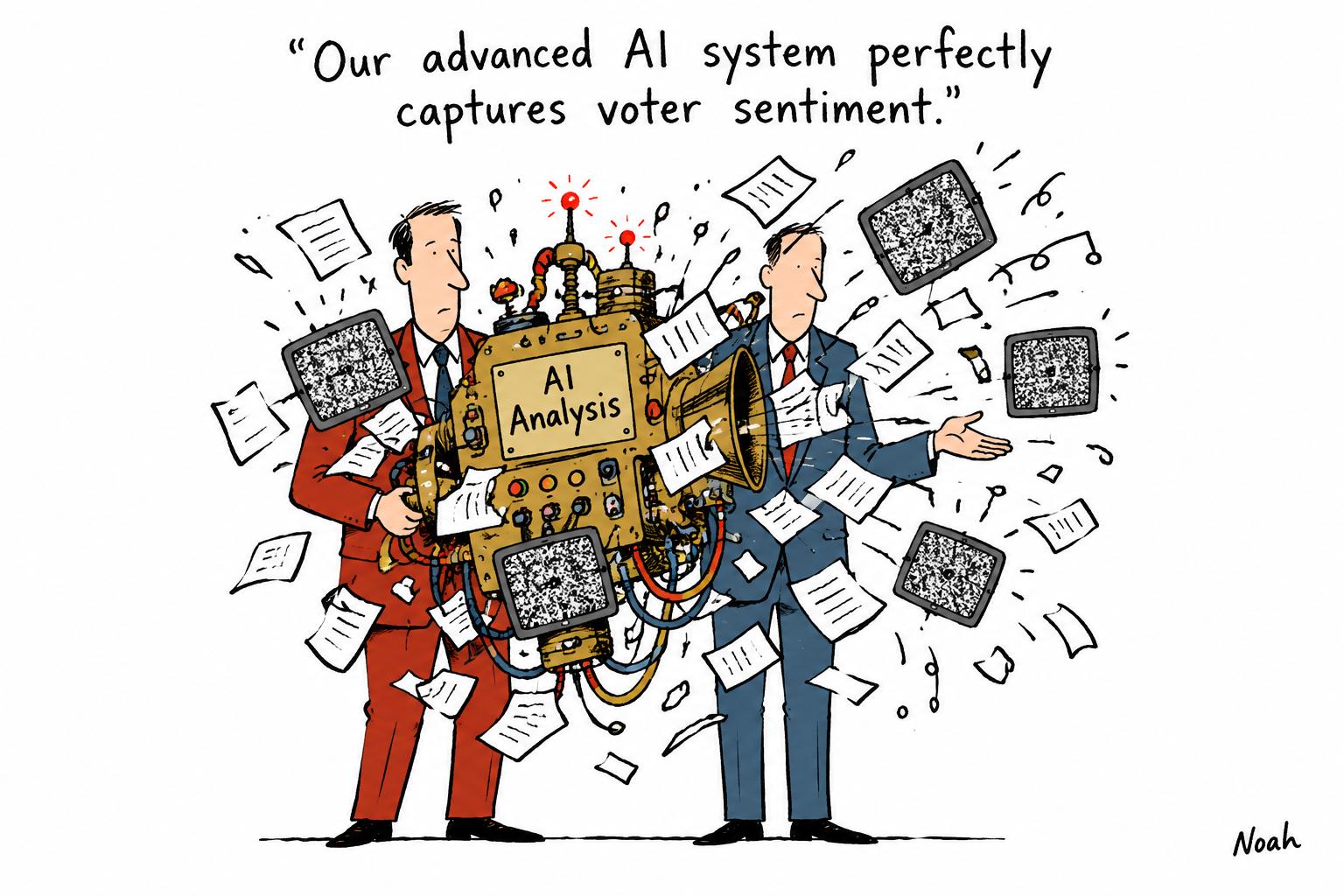
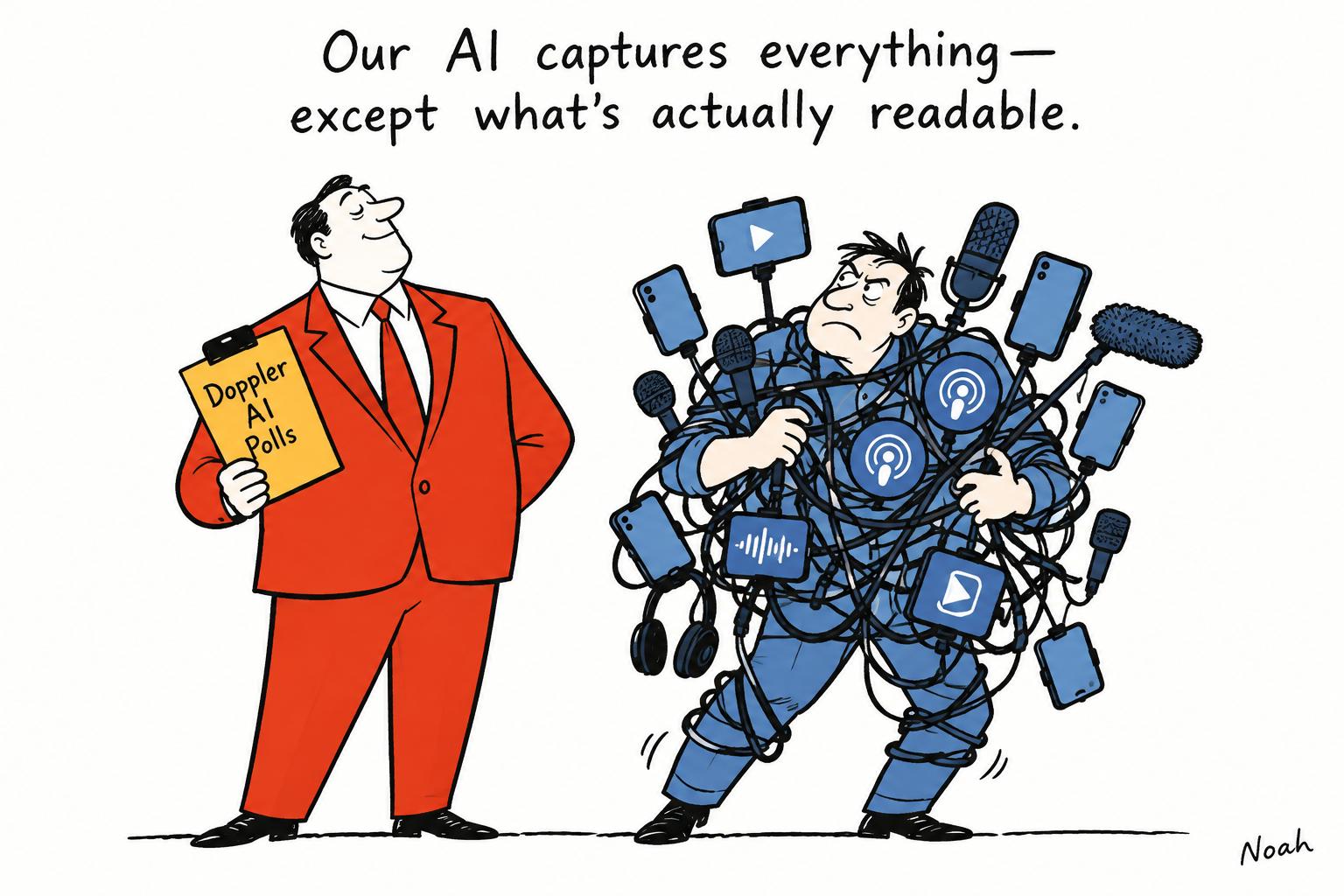
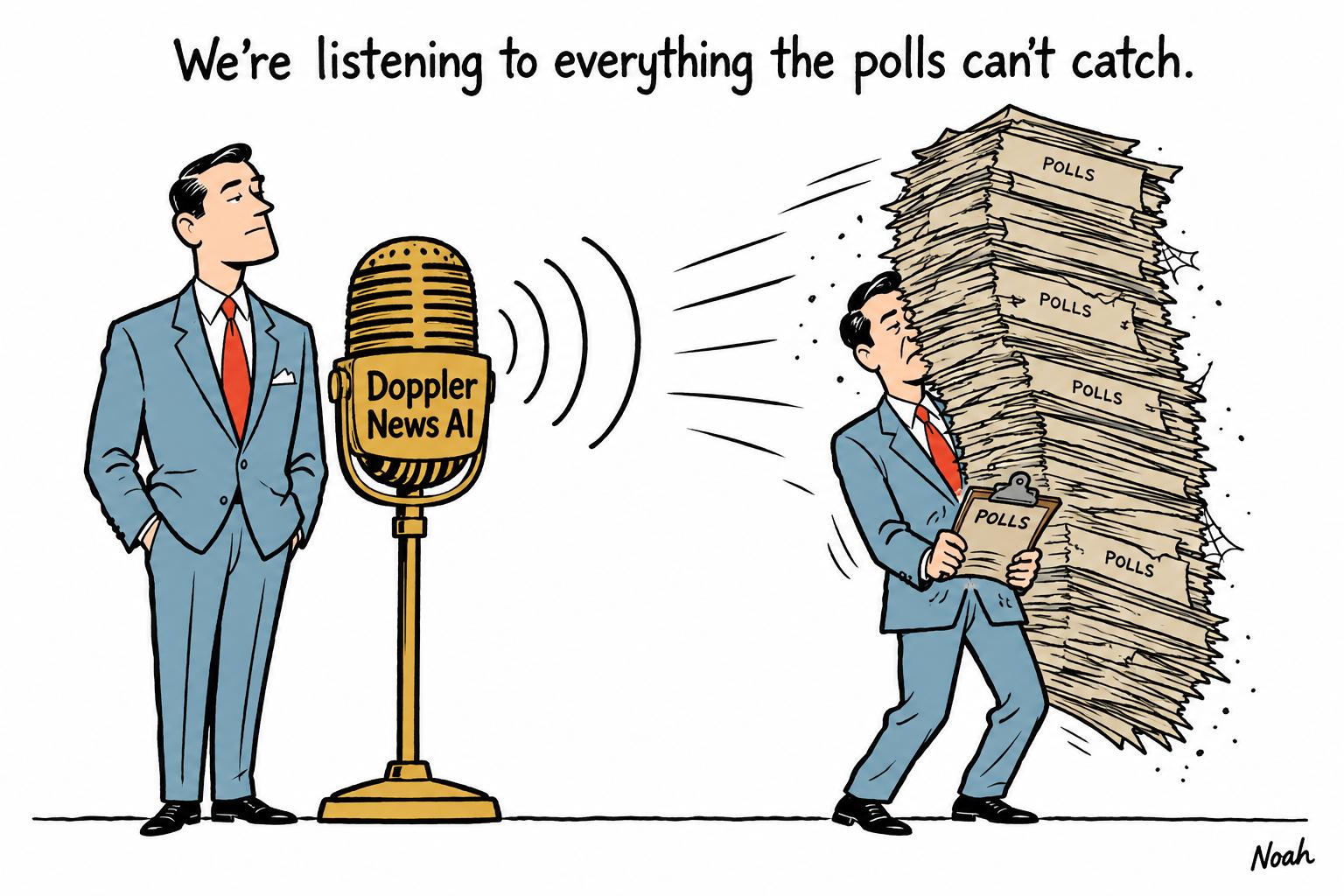
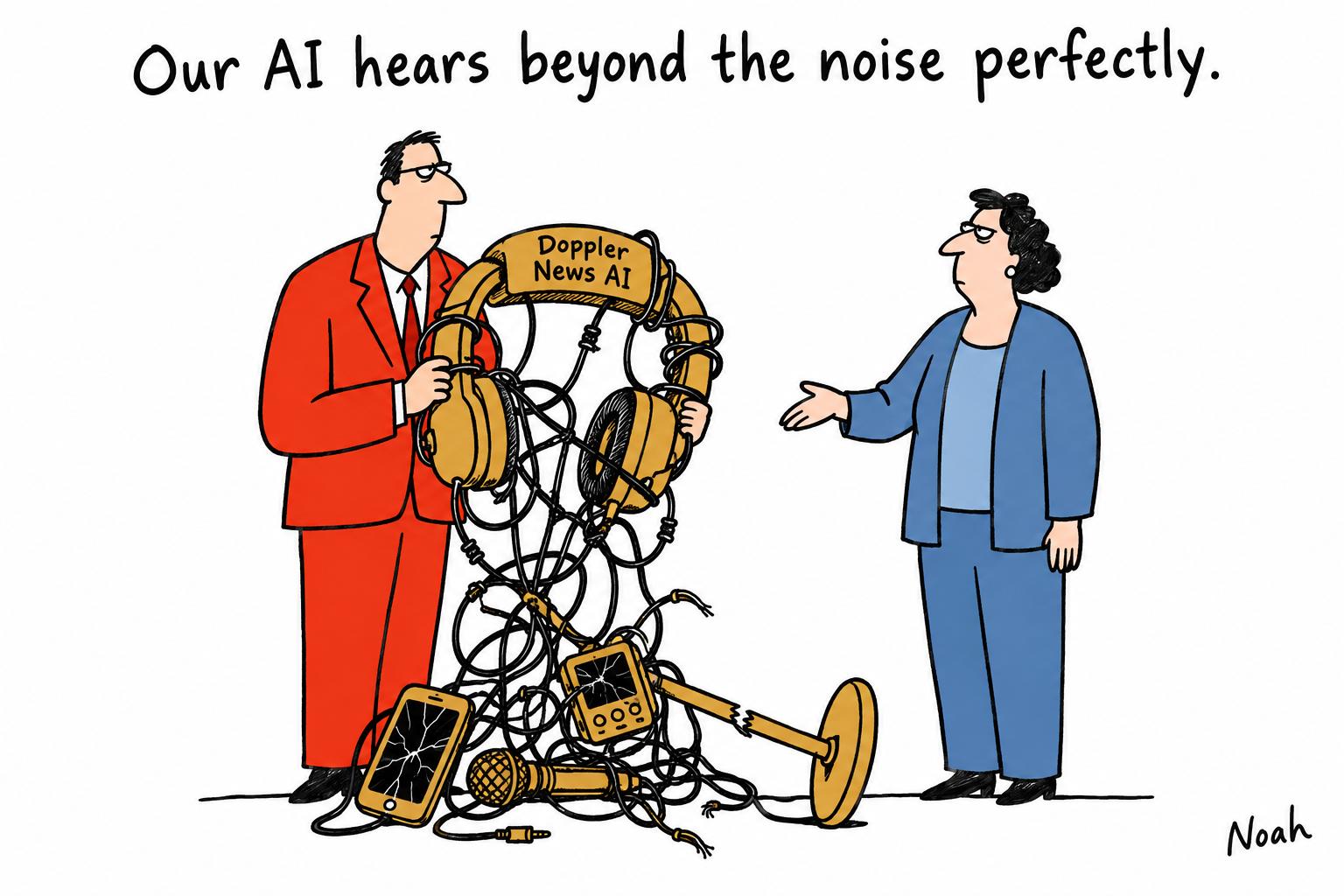
The Journal has begun publishing findings from Doppler News AI, a system that analyses millions of videos, podcasts and news segments to reveal political concerns conventional polling may miss.

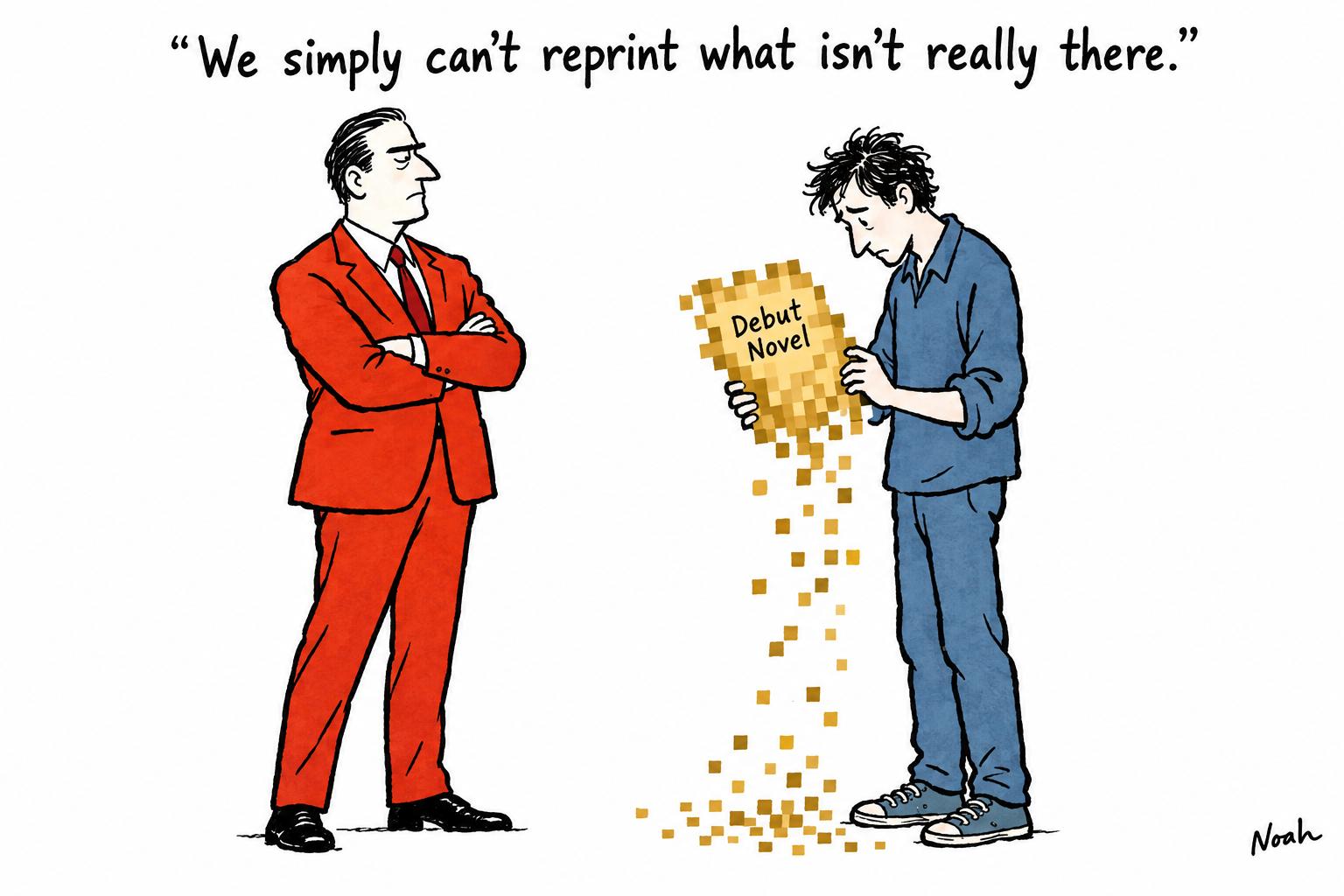
Les Éditions du Boréal will not reprint the novelist’s contested debut or publish further work by him, saying fresh findings about AI use have destroyed trust.

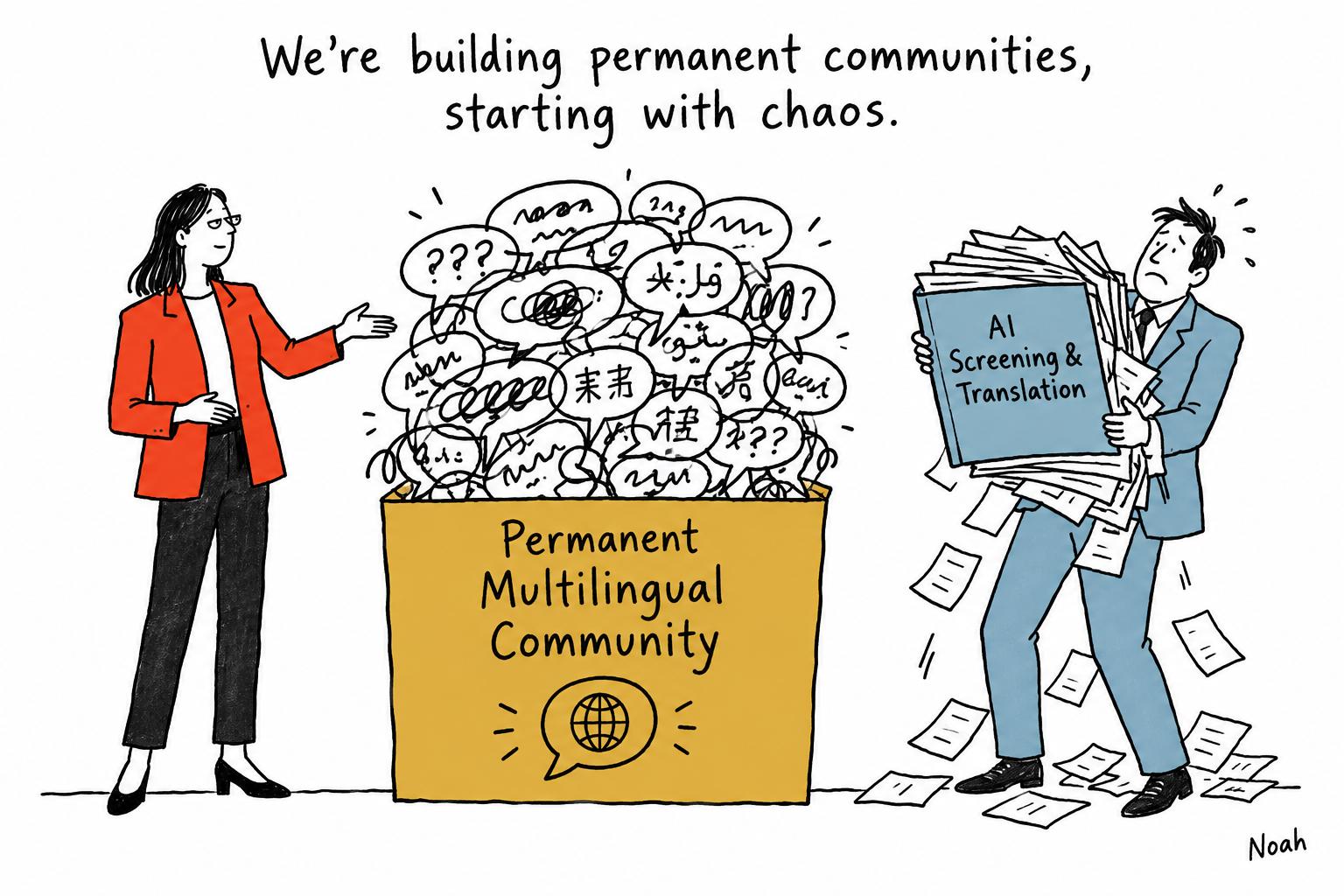
Discourse is pitching AI screening, automatic translation and permanent article-linked discussion threads as a way for publishers to build lasting communities and improve discoverability.

The Wall Street Journal is using its Doppler AI system to analyse more than 25 million TikTok videos, 500,000 podcast episodes and other media for political themes traditional polling may miss.

CNN and Google will develop experimental generative AI features using the broadcaster’s journalism, in a multi-year partnership designed to expand audience discovery while recognising the value of its content.

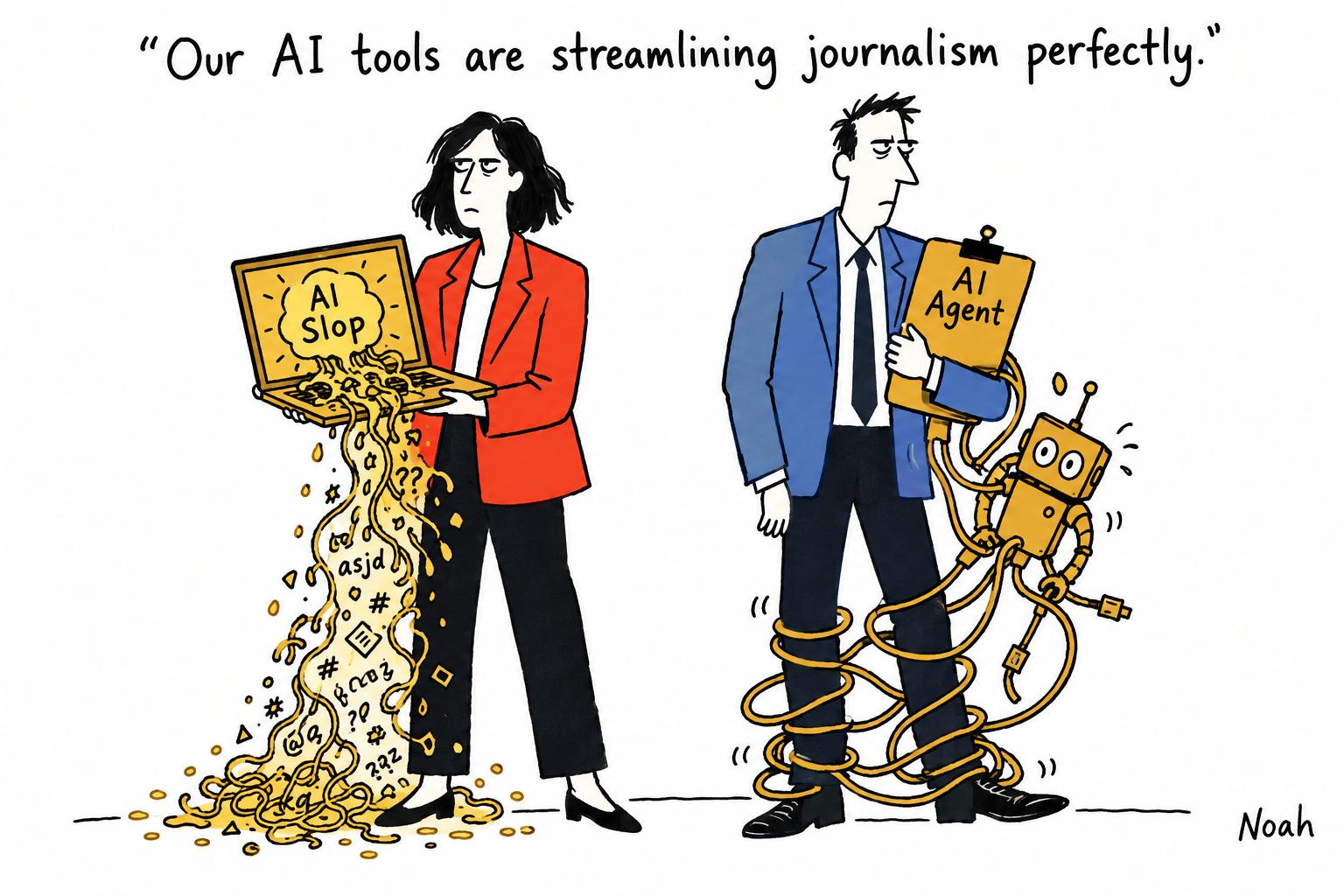
News organisations are using AI agents to speed up research, transcription and drafting, but say human oversight must remain central to editorial decisions.

The Journal’s Doppler News AI analyses millions of videos, podcasts and news segments to identify political concerns that conventional polling may miss.

The Wall Street Journal is using Doppler News AI to analyse millions of videos, podcasts and news clips, seeking political undercurrents that conventional polling may miss.

The Wall Street Journal is analysing millions of TikTok videos and podcast episodes with its Doppler News AI system to uncover the issues and anxieties shaping voters’ conversations ahead of the 2026 midterms.
A weekly briefing for people shaping the future of publishing.
Free. Email requests are handled by our team.