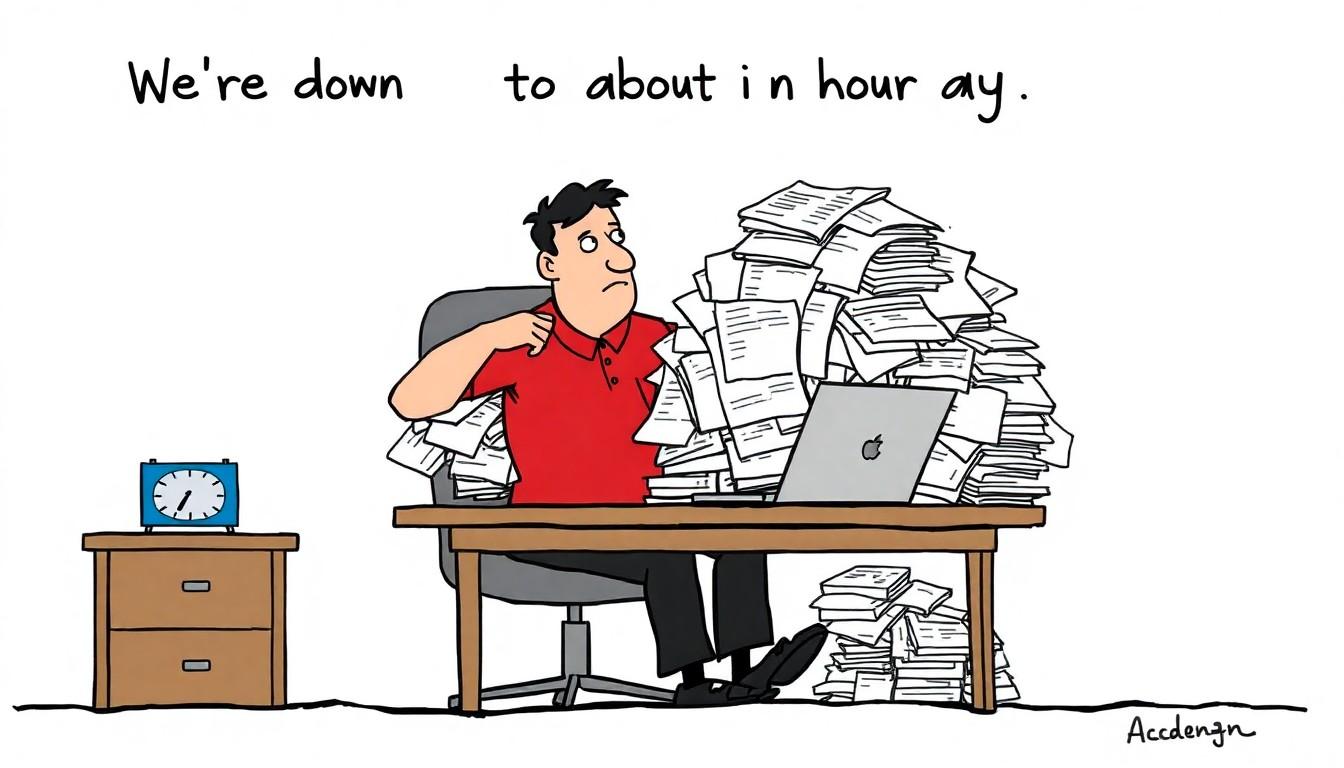
AI moderation gives My Edmonds News a way to reopen comments — with humans still in the loop
The Washington community newsroom says AI has cut comment-moderation work to about an hour a day, but clear rules and staff oversight remain essential.

1242 stories · newest first

Sky News plans a new app and website with Arc XP. A better interface may help, but the company still has to show what will make people return and what they will pay for.

Standalone social campaigns are bringing in money. Publishers copying the model should look past viewing figures to production costs, spare capacity and repeat orders.

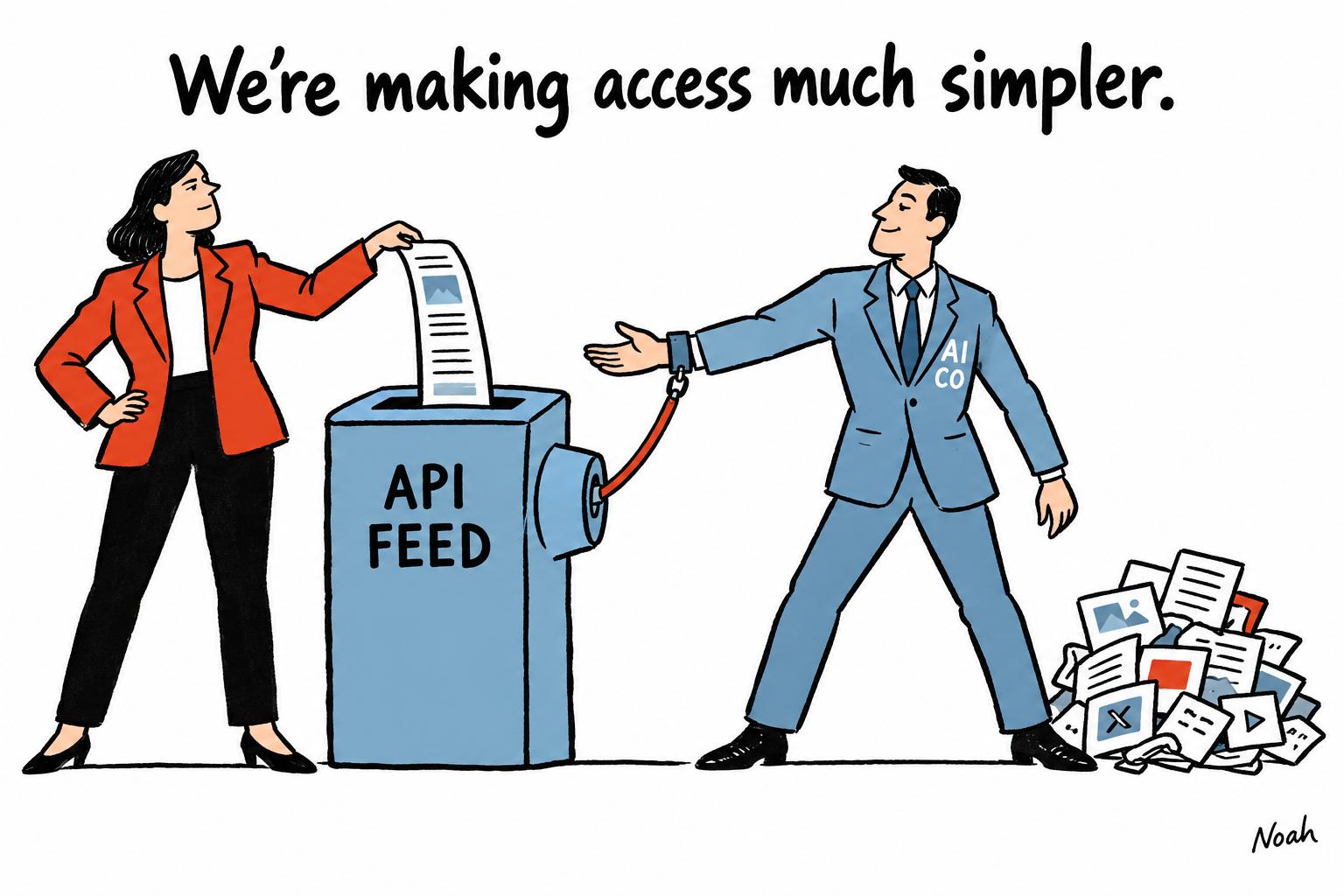
Custom APIs will deliver articles as structured text with trust markers, cutting webpage clutter and giving People Inc. greater control over how AI systems access its journalism.

Planned one-off guide sales could turn occasional usefulness into revenue. The opportunity is worth testing—provided the product earns its price and the subscription keeps its value.

From disputed detection results to stricter submission rules, Nordic newsrooms are grappling with when AI assistance becomes machine-written opinion, and who is accountable for the words readers see.

Focused reader research gives the British publisher a commercial product. The lesson for others is to solve a recurring buyer problem, reward participation and charge for the work.

Editors at LA NACION, Clarín and Infobae say AI can assist reporting and newsroom workflows, but decisions must remain in human hands as publishers confront questions of quality, control and revenue.

StoryFlow gives one brand the mobile page. Publishers should test the value of that exclusivity, price the creative work properly and protect the reading experience that makes the page worth buying.

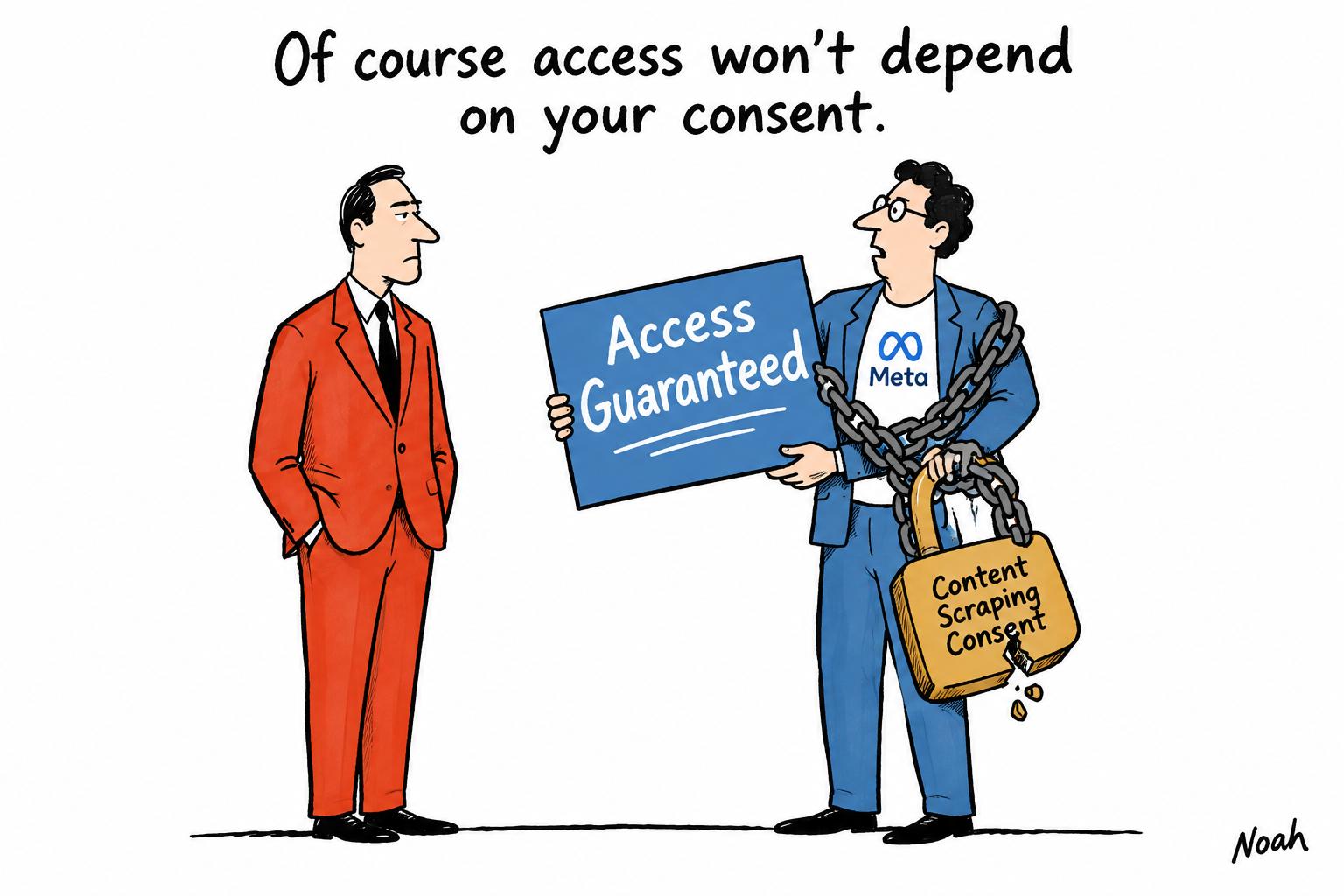
News publishers are calling on Meta to guarantee that rejecting its content-collection terms will not cost them access to Facebook and Instagram, escalating a wider fight over control and payment for journalism in the AI era.

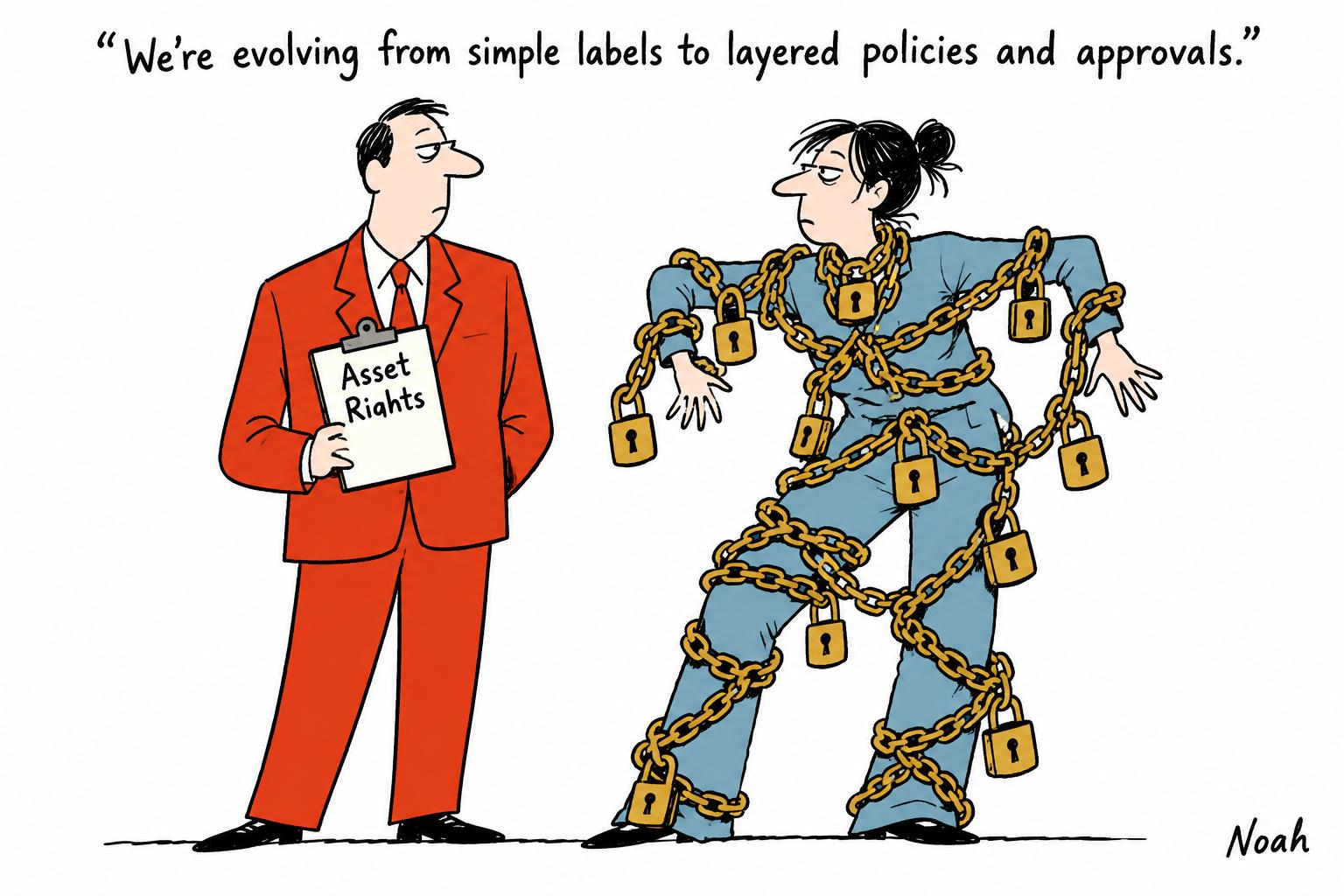
AI-generated and hybrid images are forcing rights teams to replace simple labels with evidence, policy and approval controls that reflect how assets were made and what users can do with them.

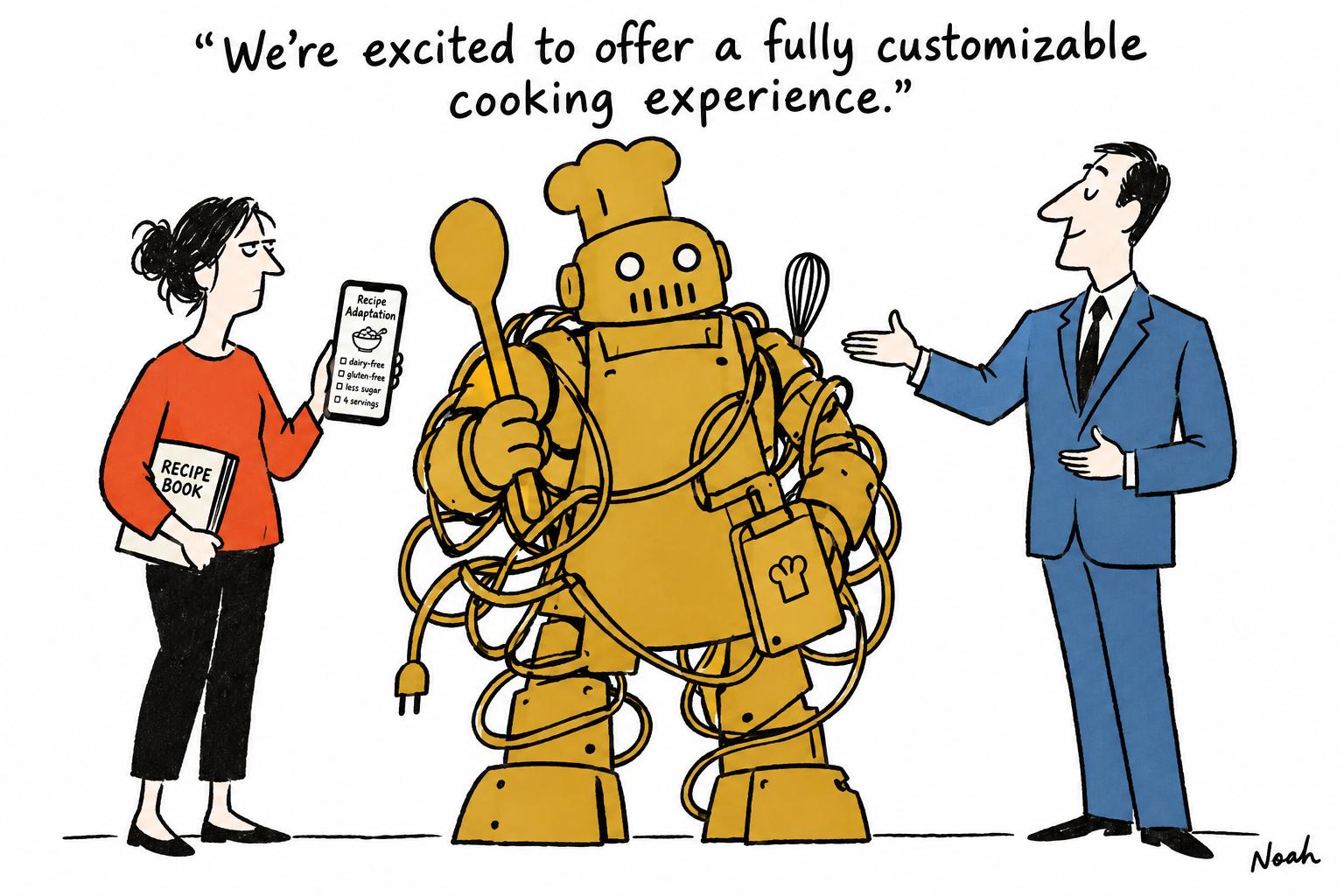
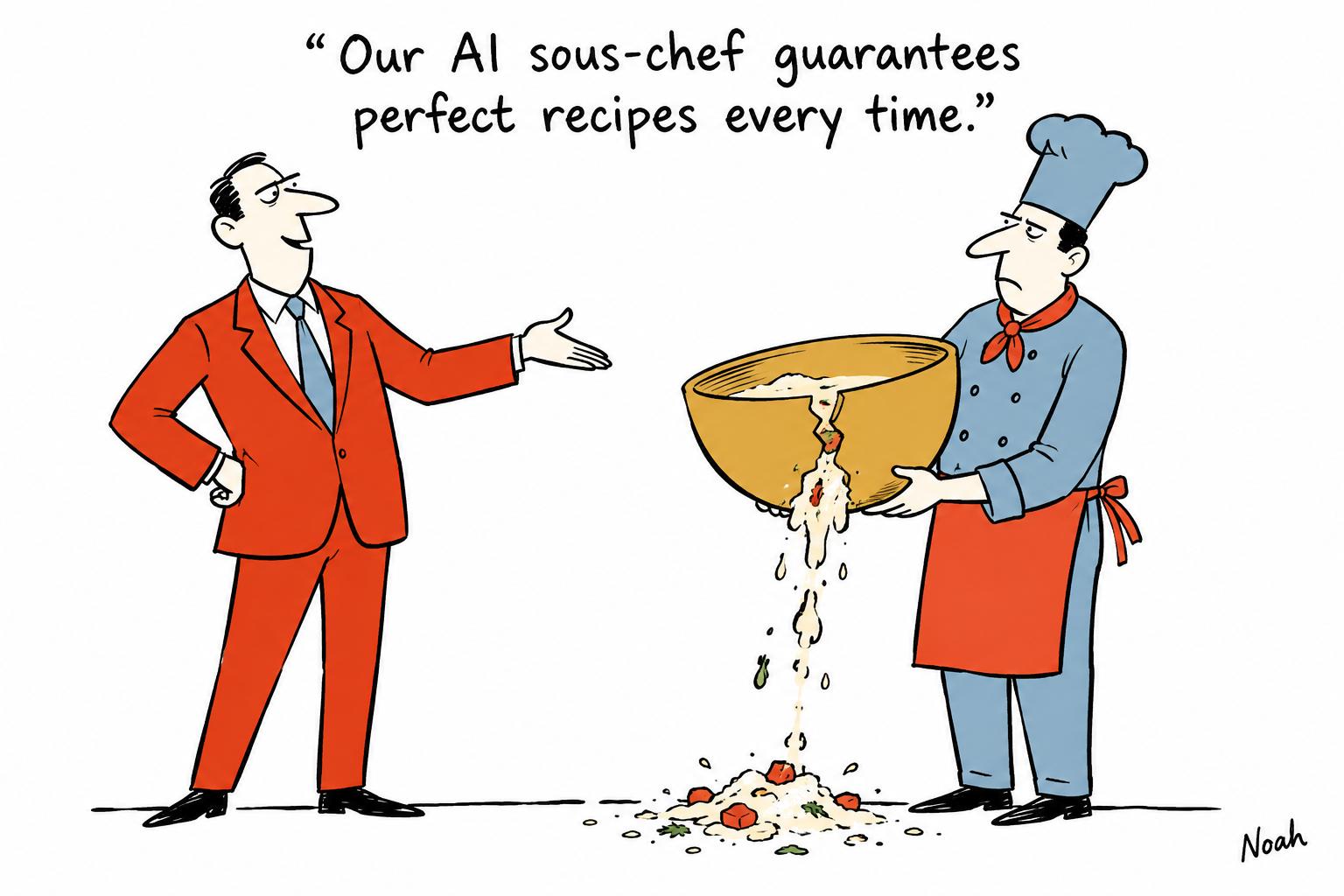
The New York Times is testing an AI tool that adapts recipes to users’ ingredients and needs, but subscribers say they want more control over its arrival in the Cooking app.

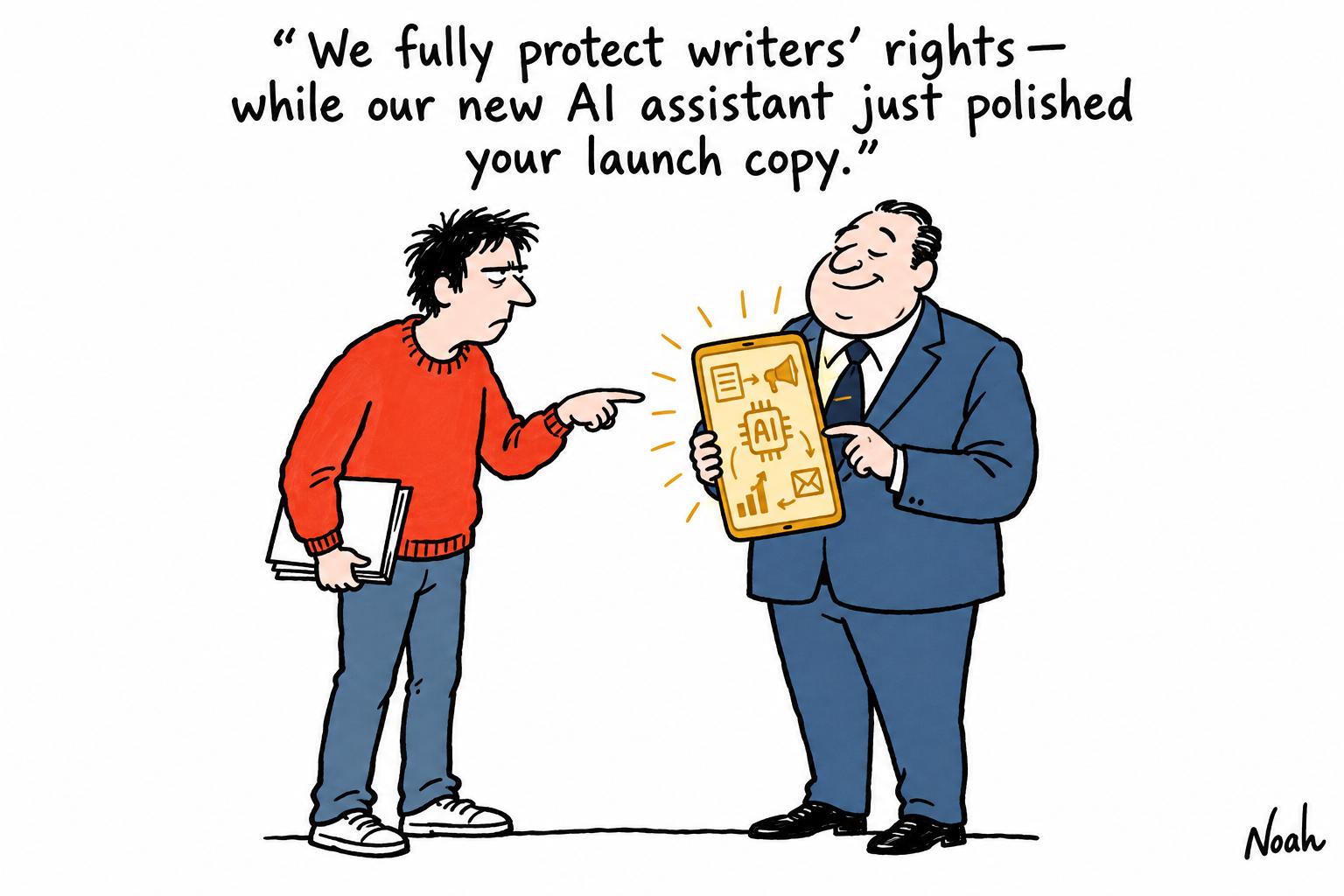
Writers say publishers are defending their rights against AI companies while using the technology to produce marketing and editorial work, deepening a crisis of trust across the industry.

Publishers warned that Google’s AI answers were eroding the economics of the open web. Now lower earnings from AI Mode are weighing on Google’s own search growth—and investors have delivered a brutal verdict.

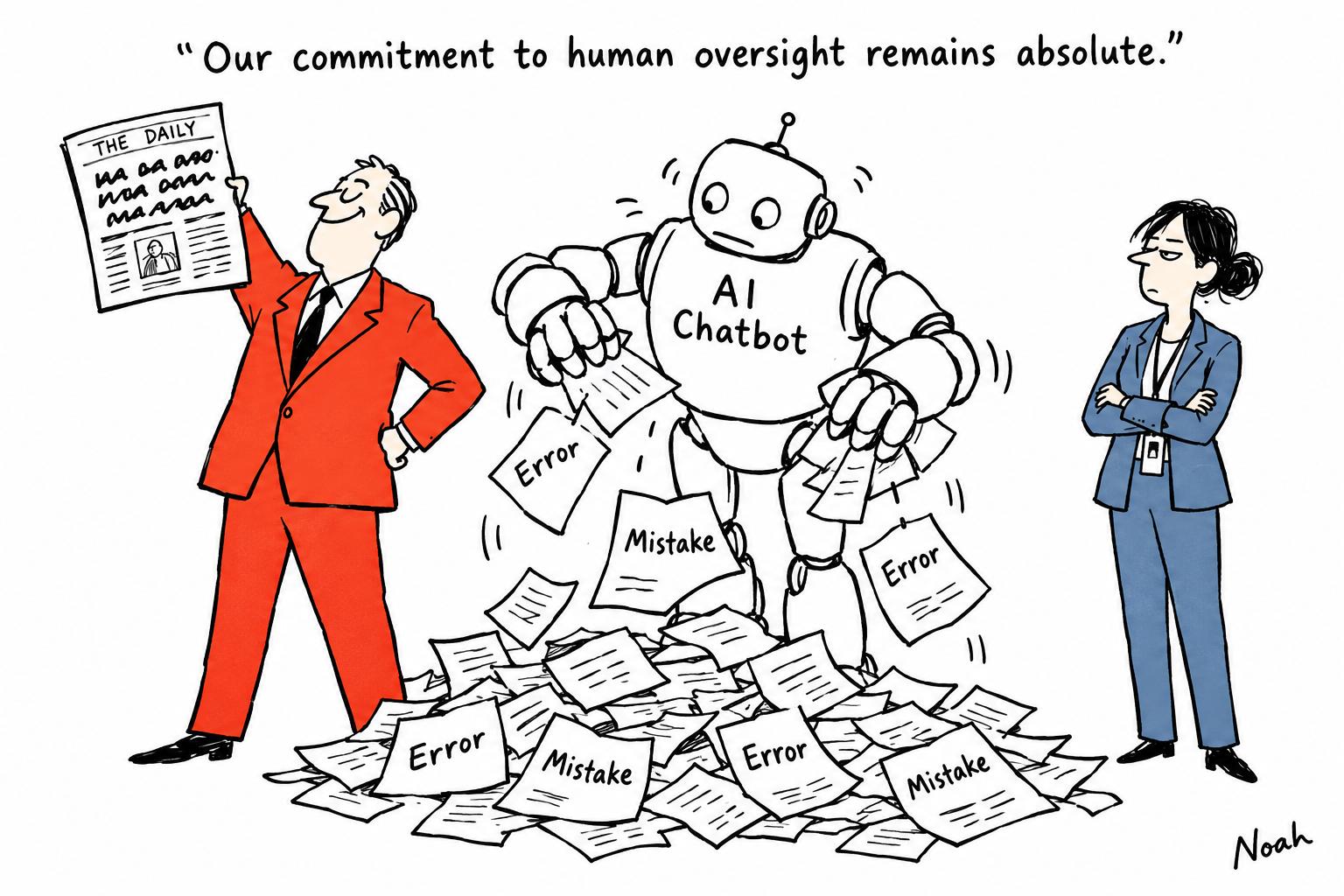
Unionised staff at two Ohio newspapers are withholding their bylines after an AI chatbot reportedly misidentified a murder suspect, accusing USA TODAY Co. of breaching its human-oversight rules.

The New York Times is testing an AI tool for recipe substitutions and adjustments, but many subscribers say it undermines the human expertise they value in NYT Cooking.

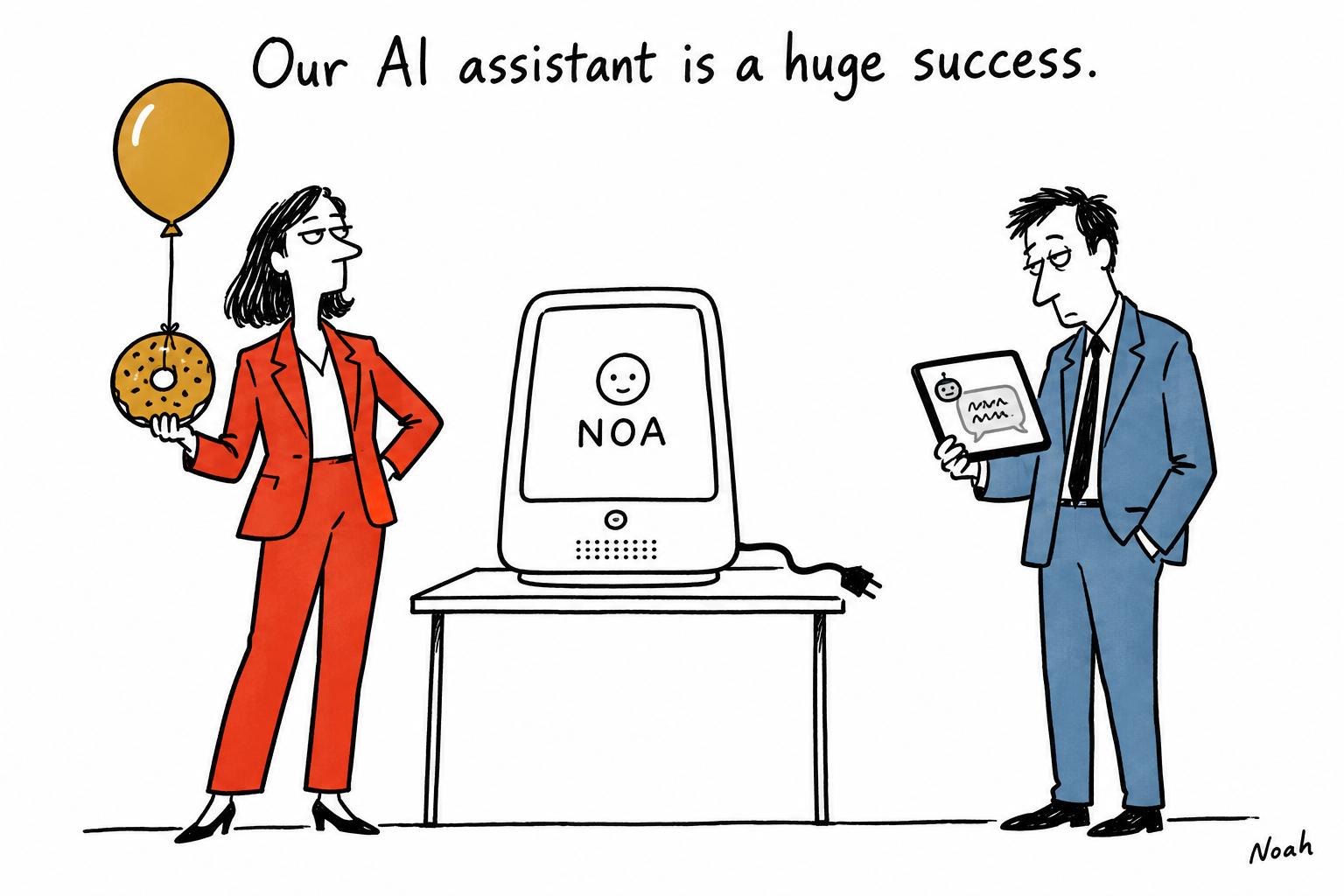
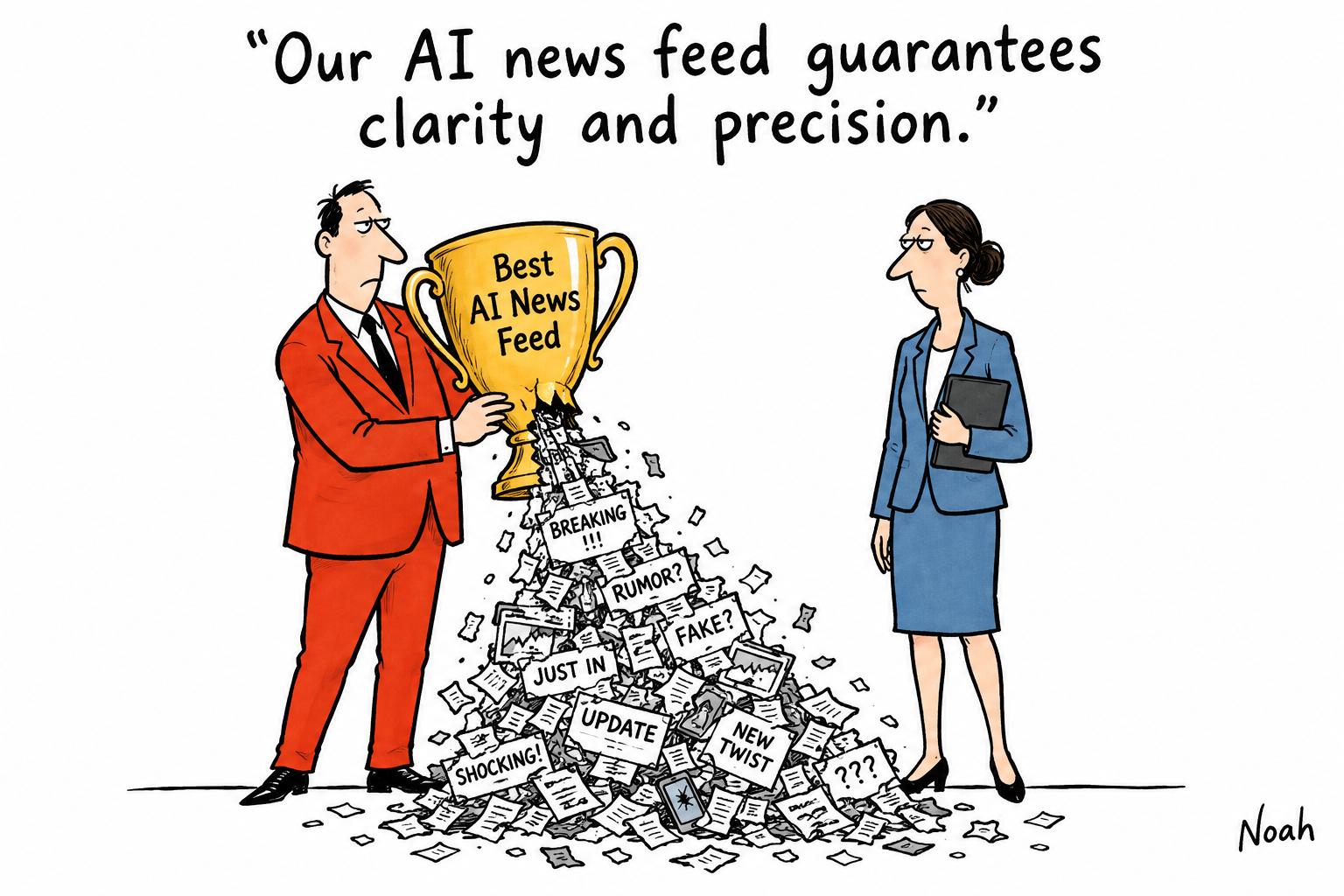
The publisher launched NOA with balloons, banners and doughnuts, but employees say the chatbot was unreliable, largely unused and ultimately abandoned.

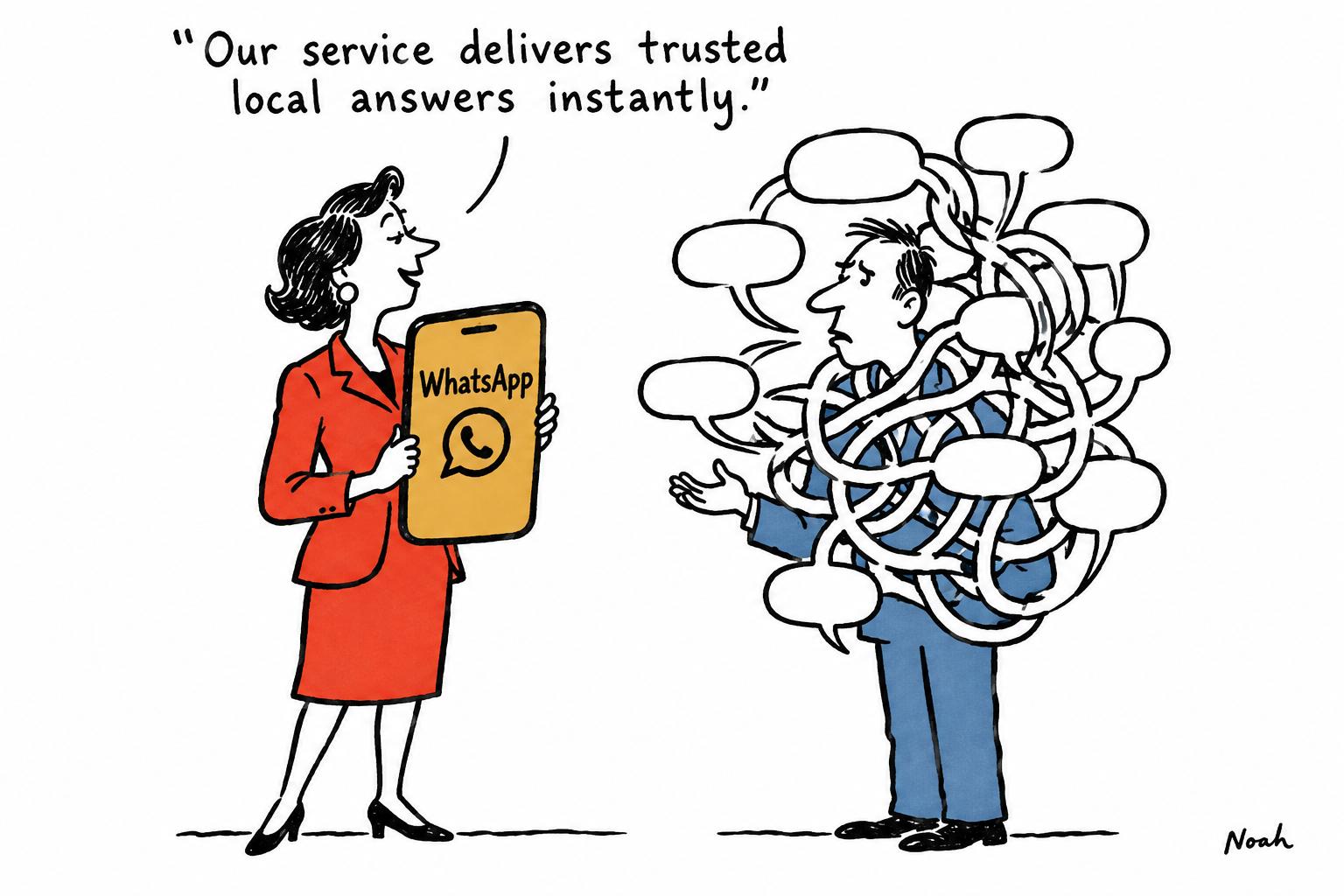
Readers can text or WhatsApp election questions to AsAmNews and receive answers drawn from its own reporting and selected partner outlets, with human oversight.

Staff at Swiss publisher Tamedia are protesting a new round of redundancies and warning that the drive to cut costs and expand AI use is hollowing out editorial ambition.

Future already sells AI visibility services. New research on ChatGPT’s partner summaries shows why publishers also need reliable measures of what their expertise earns—and reasons for readers to return.

As AI assistants increasingly mediate how people find information, publishers are testing structured feeds and machine-readable products to stay visible beyond the webpage.

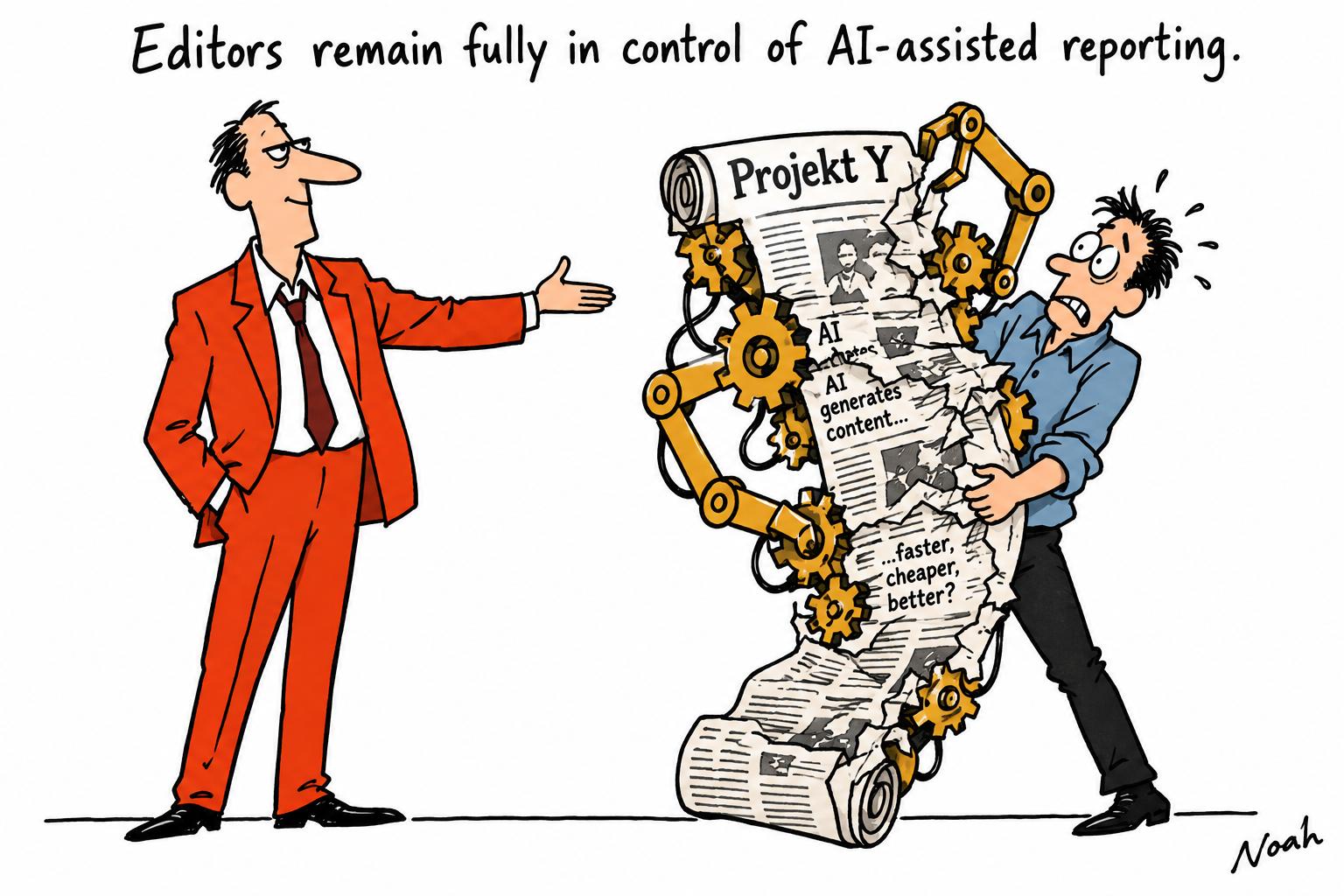
New Danish outlet Projekt Y says editors remain in control of its AI-assisted reporting, but researchers warn that unclear disclosure could leave readers unsure how much of each story is human-made.

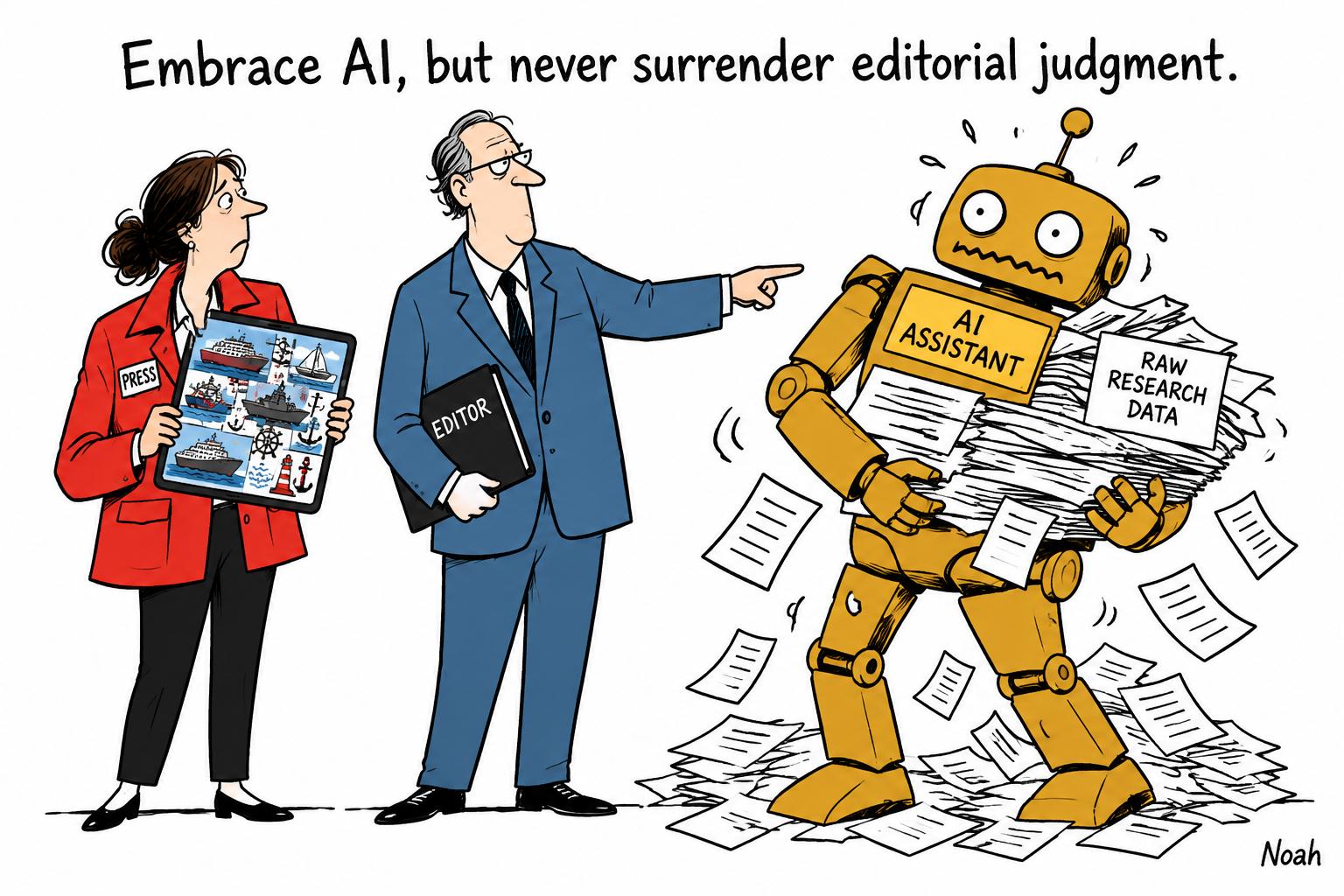
A Lagos training programme is helping maritime reporters use AI for research, analysis and production while guarding against misinformation, deepfakes and breaches of journalistic ethics.

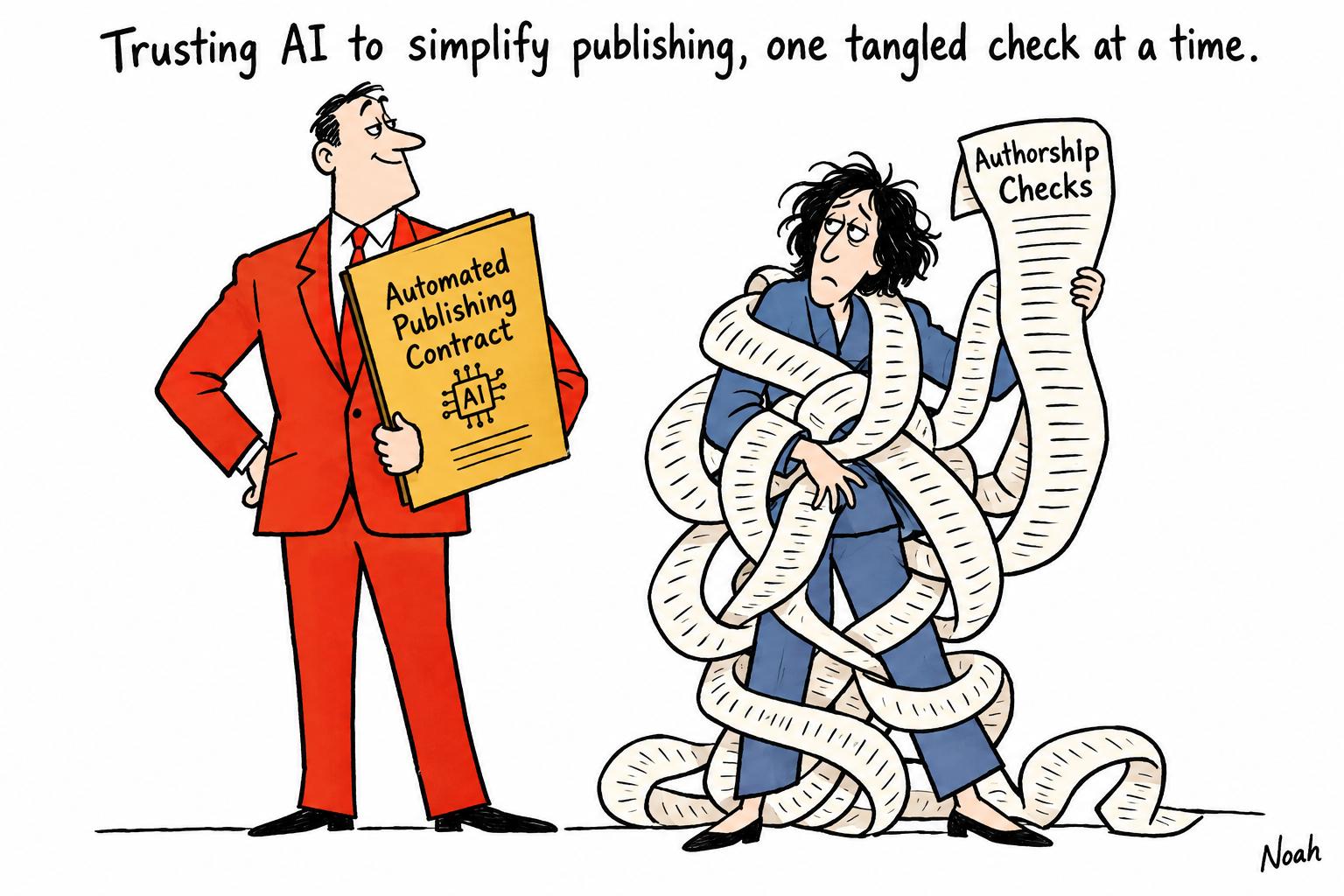
The Spanish start-up is automating checks, contracts and royalties for more than 100 publishers while controversies over machine-written manuscripts expose the limits of human declarations and AI detection tools.

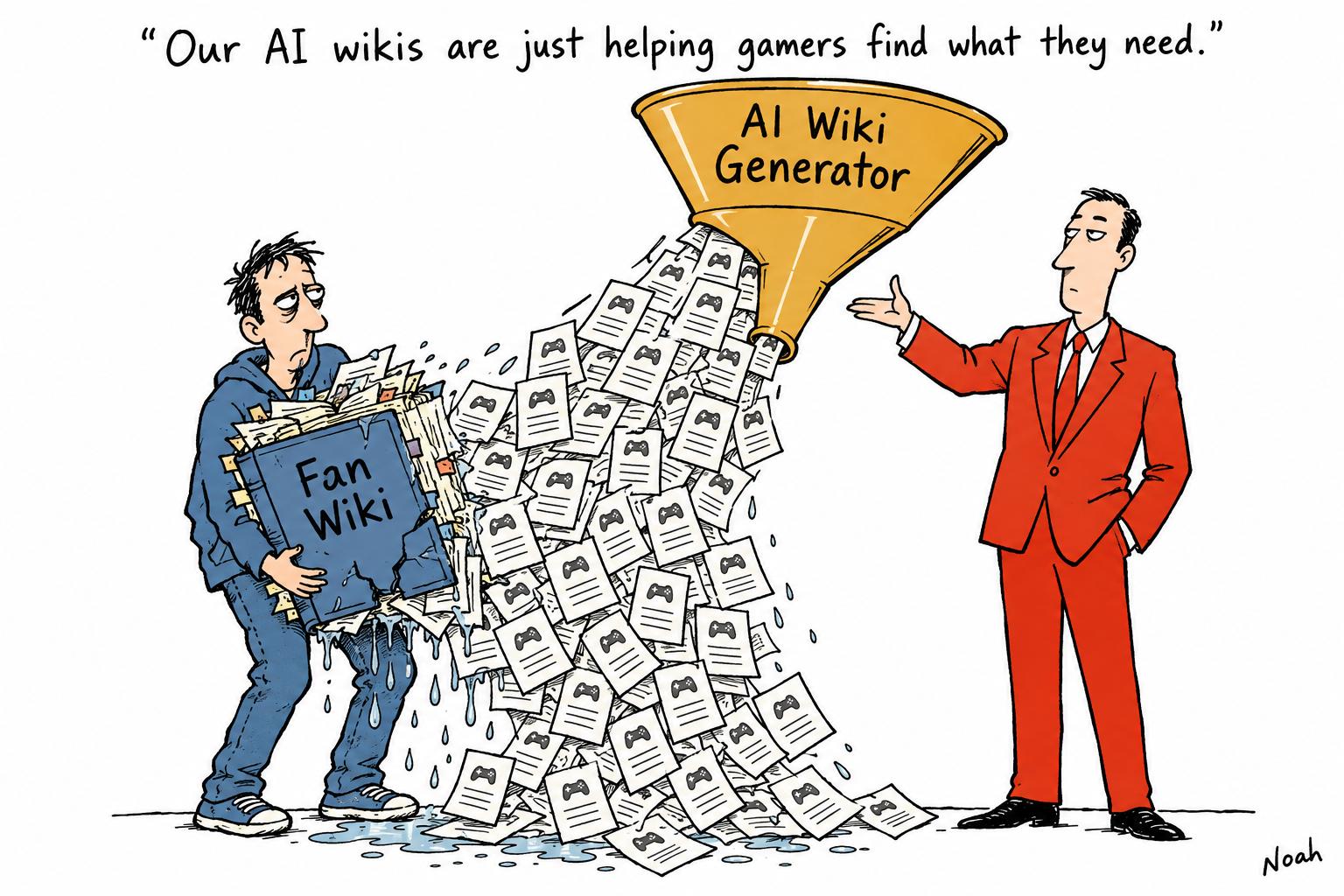
Fabricated walkthroughs and lore pages are targeting smaller games, diverting traffic from volunteer-run resources and driving up their hosting costs.

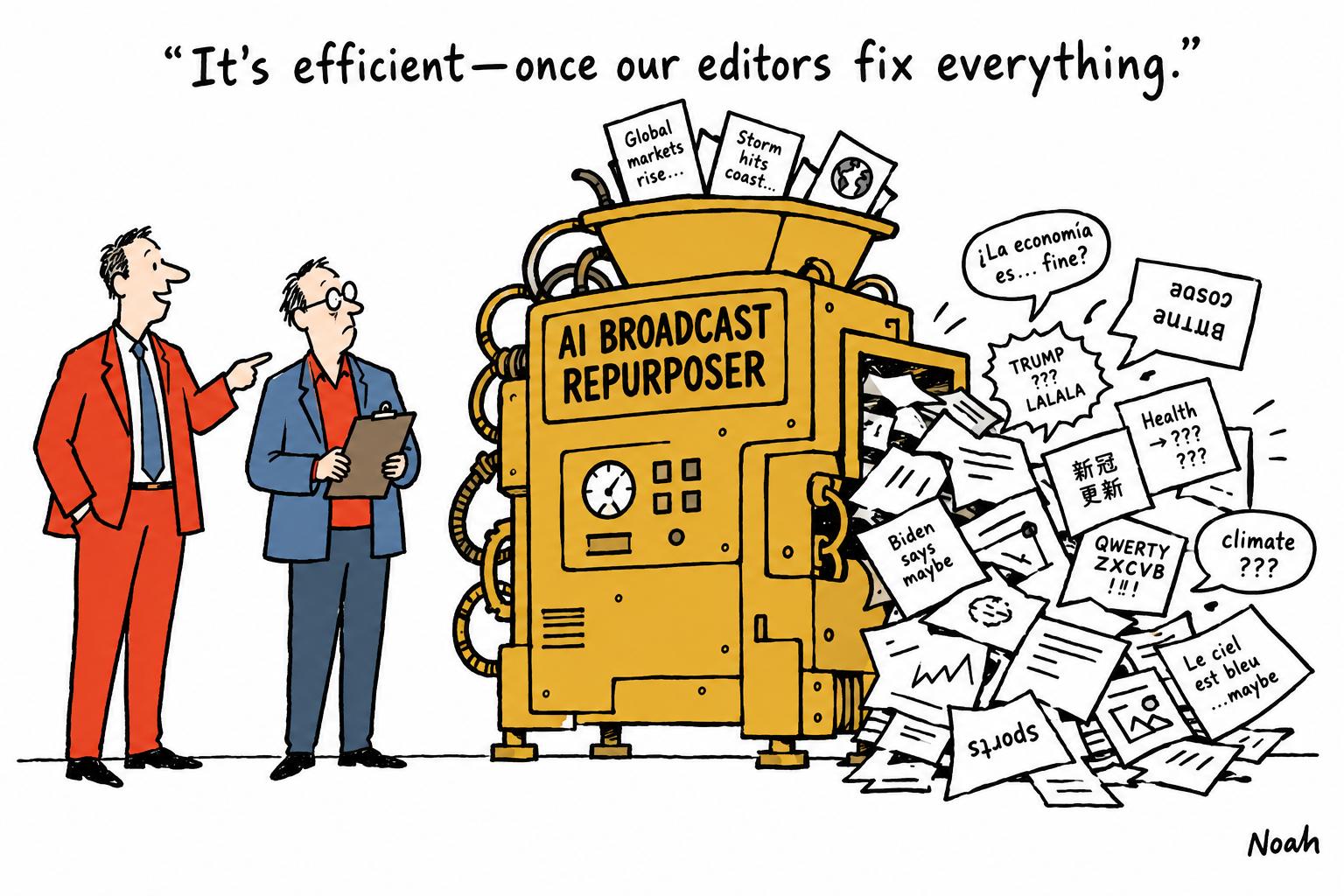
Automation platforms are helping broadcasters transcribe, translate and repurpose verified journalism for different audiences, while leaving editorial judgement with journalists.

An analysis of ChatGPT's search pipelines suggests content from OpenAI's publishing partners is supplied as pre-written summaries and placed ahead of ordinary web results.

Hidden metadata in Protégé downloads identifies files as AI-generated and unverified, even when users delete the system’s text and write the document themselves.

The Royal Society, Taylor & Francis and Rockefeller University Press show how shared screening is becoming publishing infrastructure. The next investment is in the people who turn warnings into sound editorial decisions.

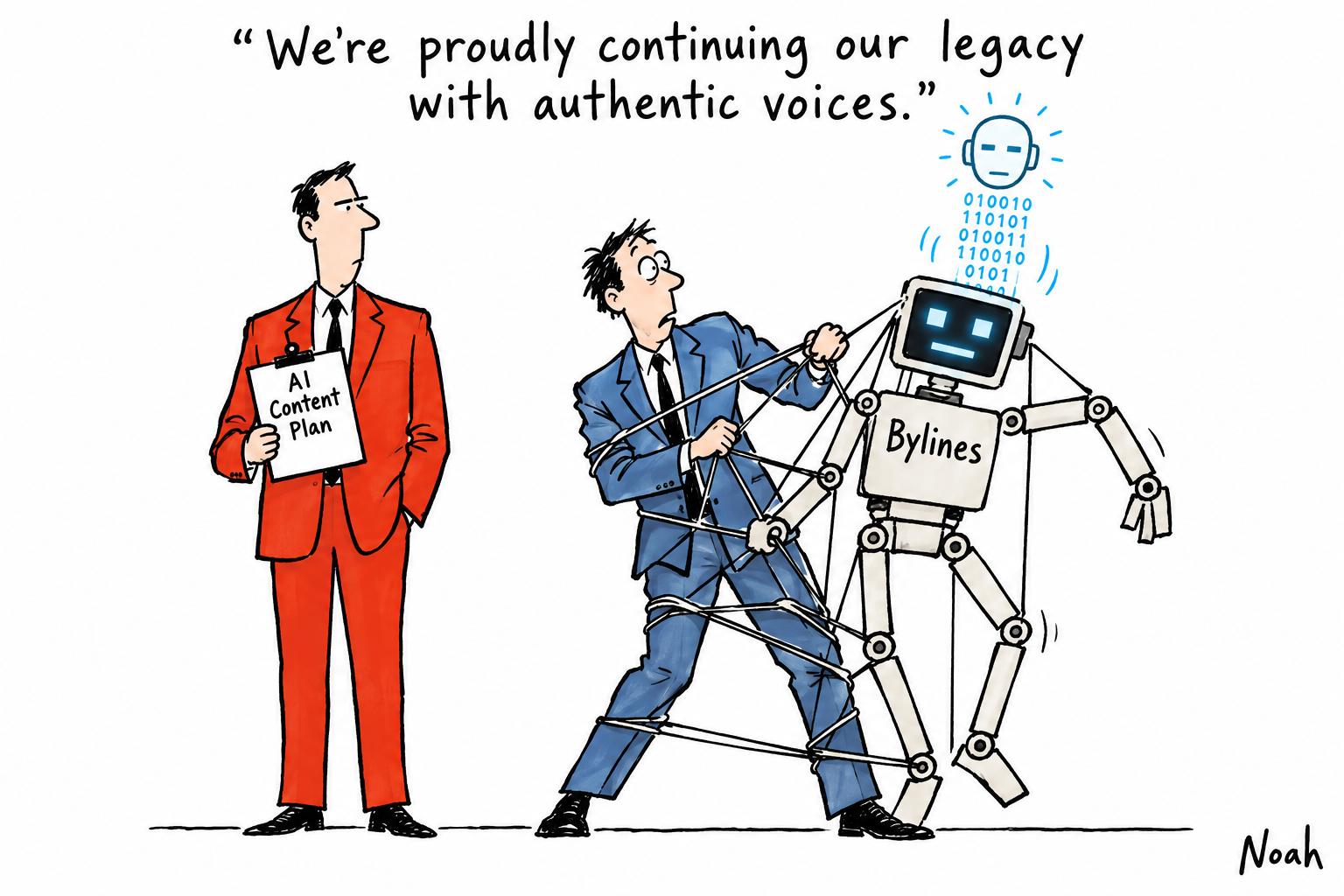
Former staff say gaming and esports sites linked to Clickout Media published AI-generated gambling articles under the names of journalists who had left, after Google penalties triggered editorial cutbacks.

Rest of World’s warning that it may need a new institutional home or shut as a standalone outlet highlights how AI search summaries, platform dominance and falling referrals are forcing publishers to rethink their business models.

Rockefeller University Press is using AI to detect image manipulation, reshape how readers find research and support manuscript checks, while keeping scholarly judgement at the centre of publication decisions.

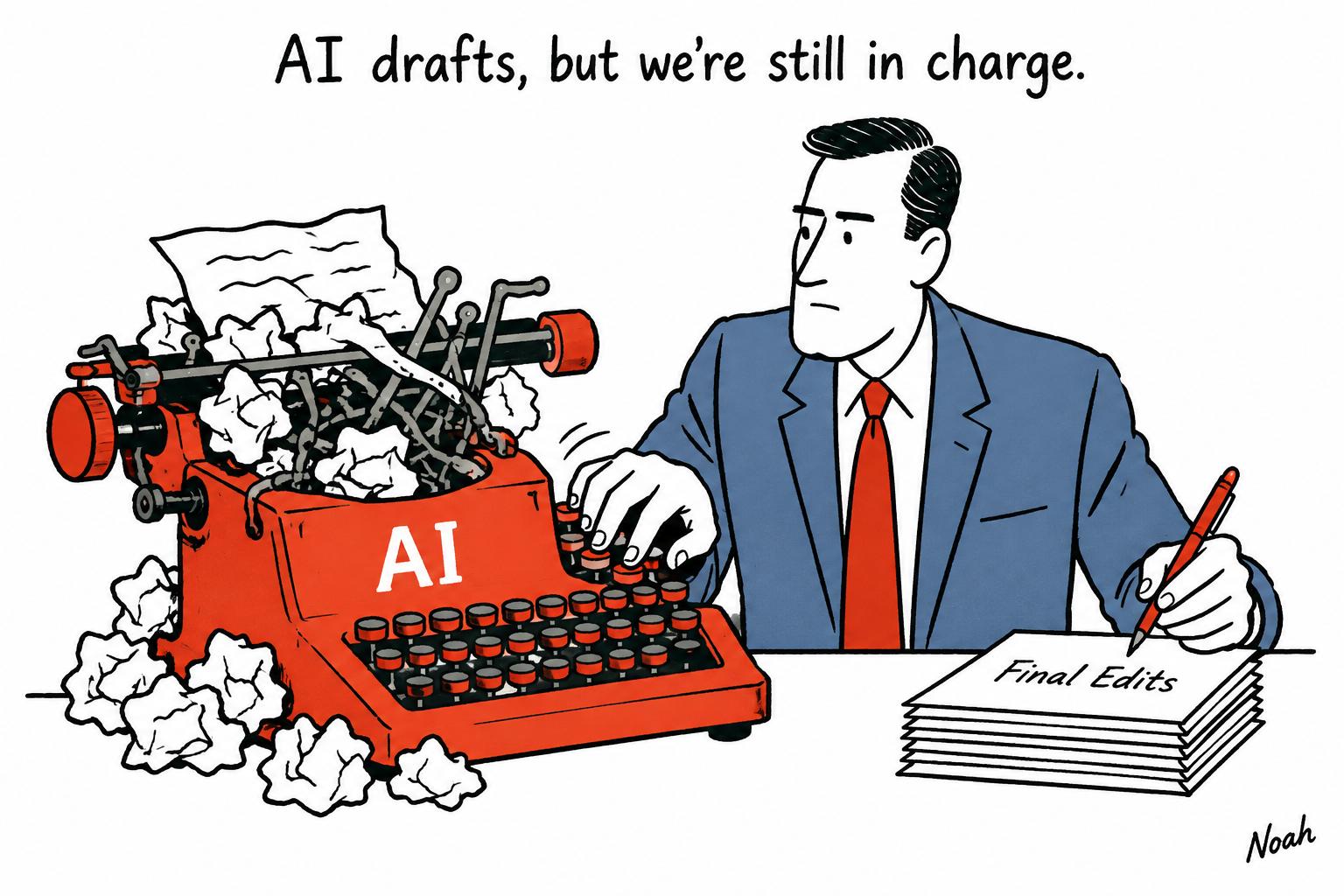
The centre-right Danish outlet will use AI to find stories and draft articles, while editors retain control over selection, framing and publication.

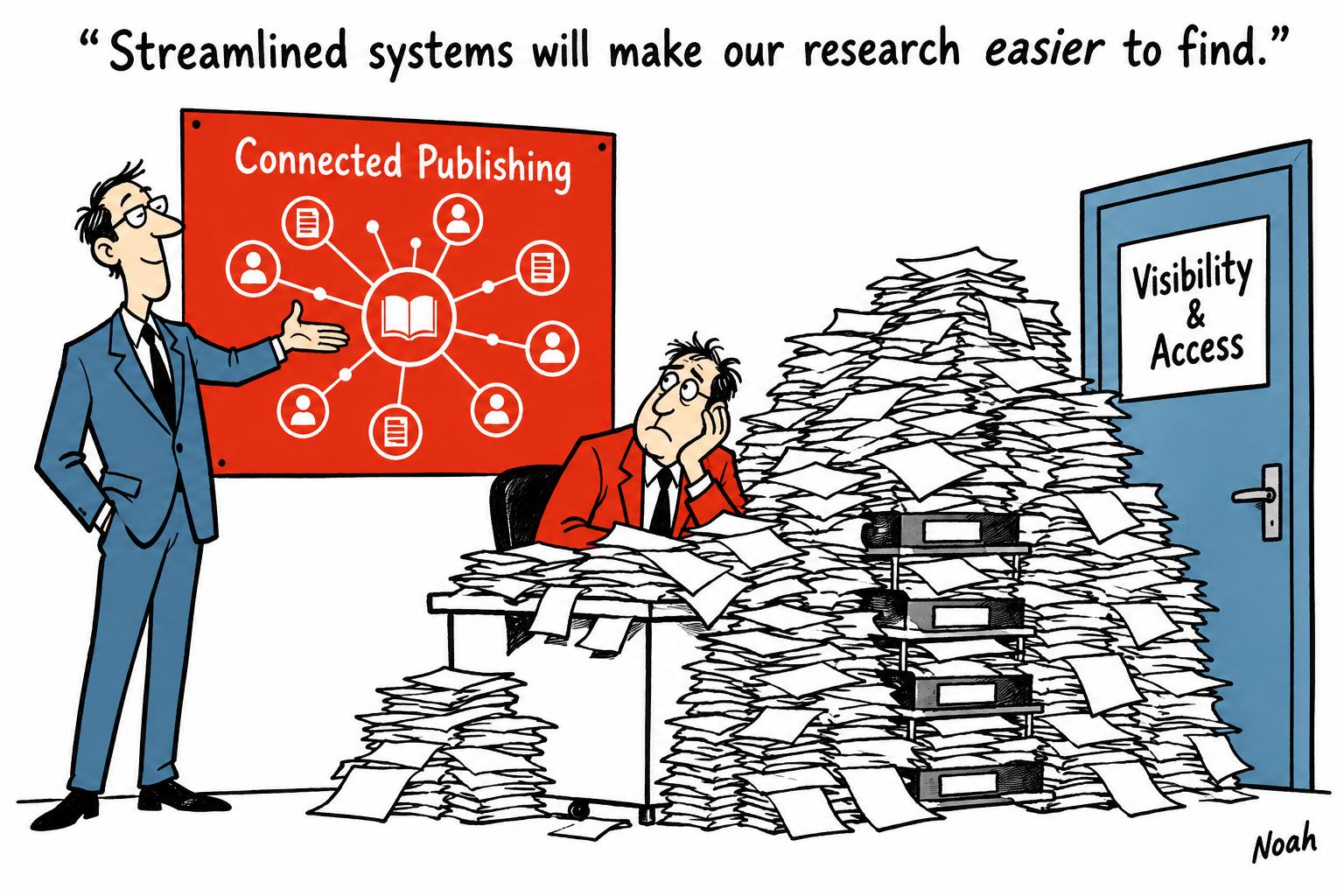
Integrating submission, peer review, production and distribution could ease administrative pressure while making African research more visible, accessible and discoverable.

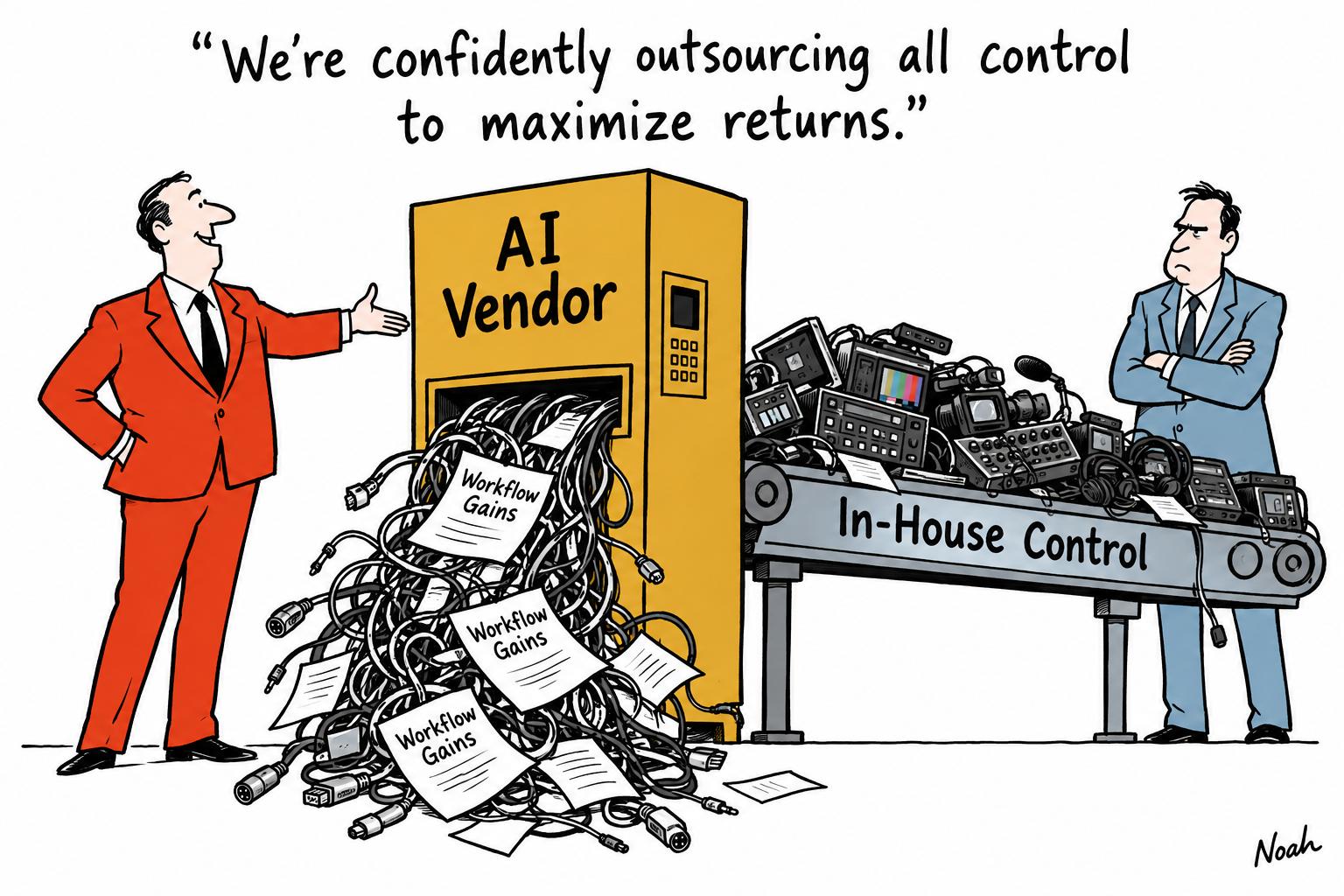
TV station groups are shifting the AI debate from adoption to execution, weighing in-house control against vendor expertise while targeting measurable gains in workflows, content and advertising.

The FT’s discussion experiment points to a useful reader product. As Discourse makes conversations easier for AI to consume, publishers need a stronger invitation for people—and a business case that goes beyond comment counts.
A weekly briefing for people shaping the future of publishing.
Free. Email requests are handled by our team.