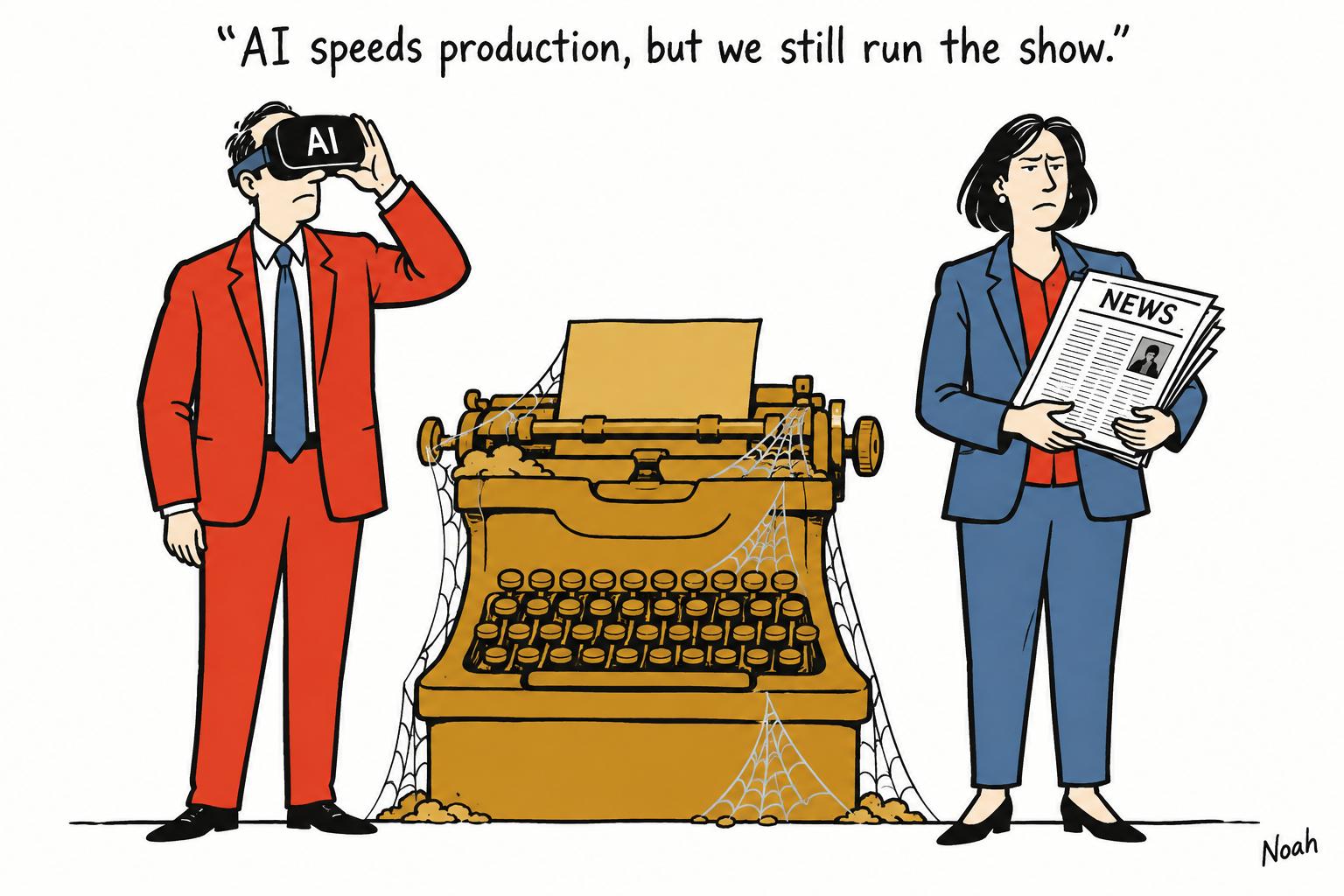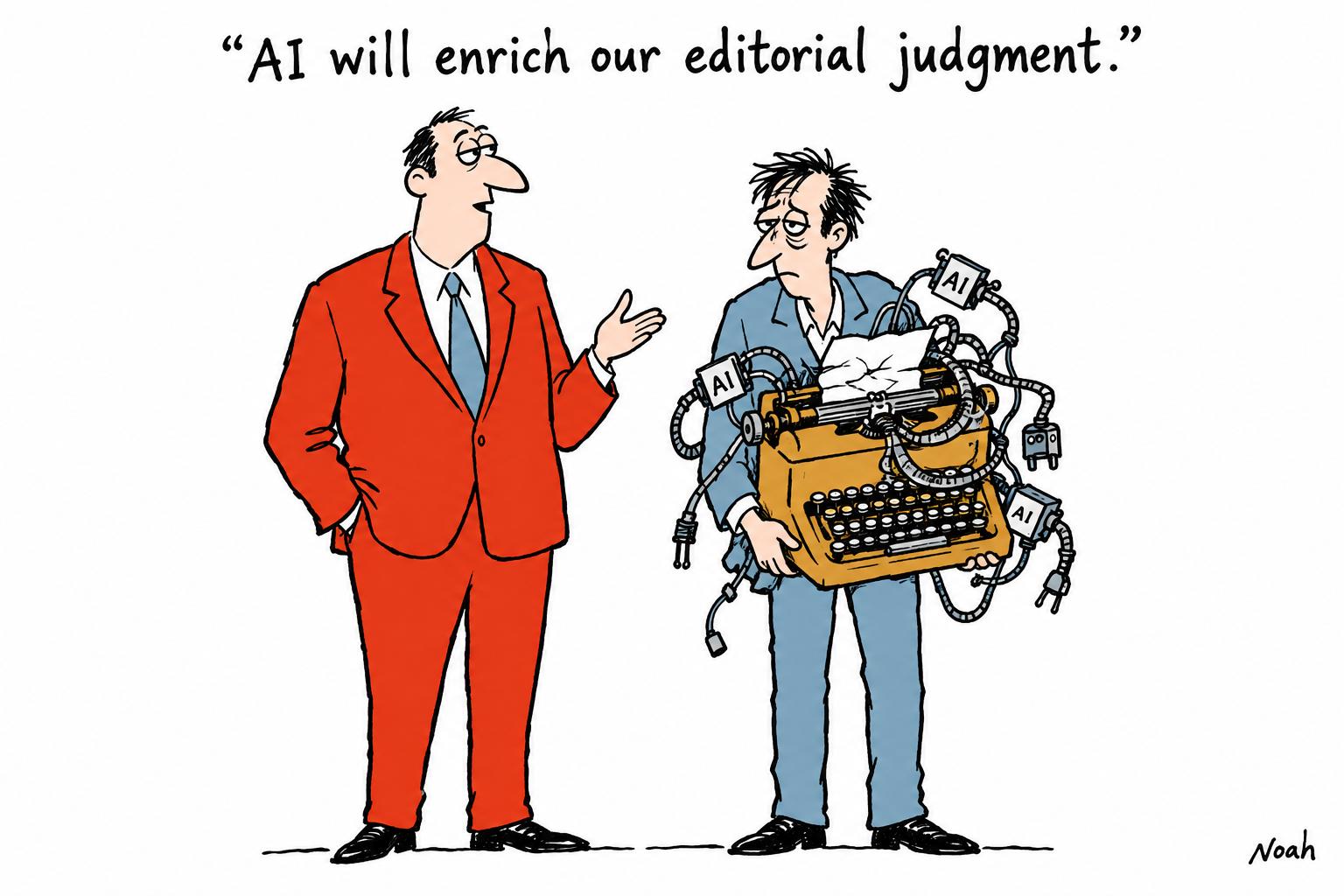
IT/OT Insider draws a line between AI assistance and human authorship
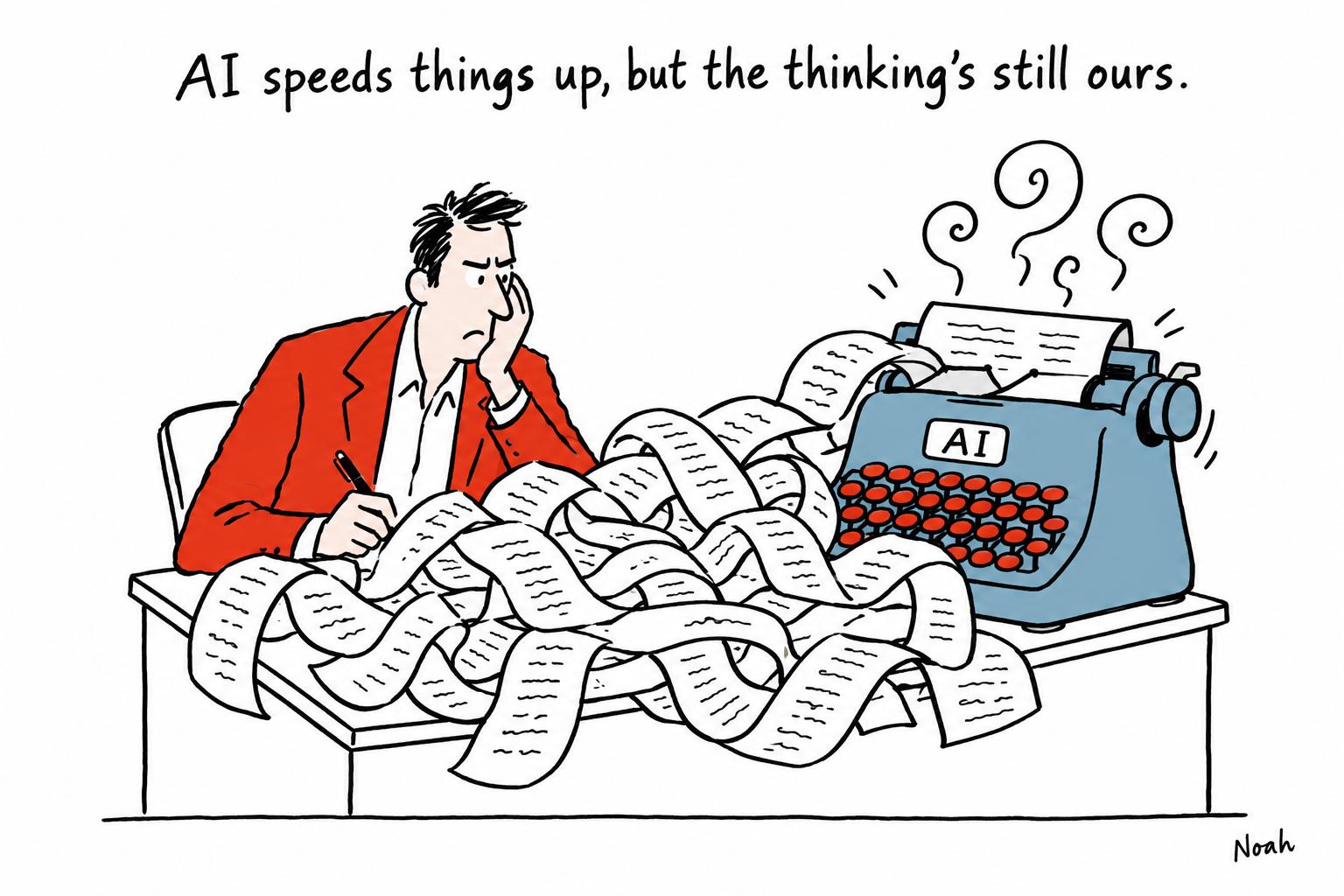
The publication says AI can speed up research, coding and editing, but insists that writers must retain responsibility for the thinking, voice and final copy.
1256 stories · newest first

As news organisations automate drafting and source comparison, the decisive editorial skill is increasingly knowing when to pause, verify or reject machine-generated copy.
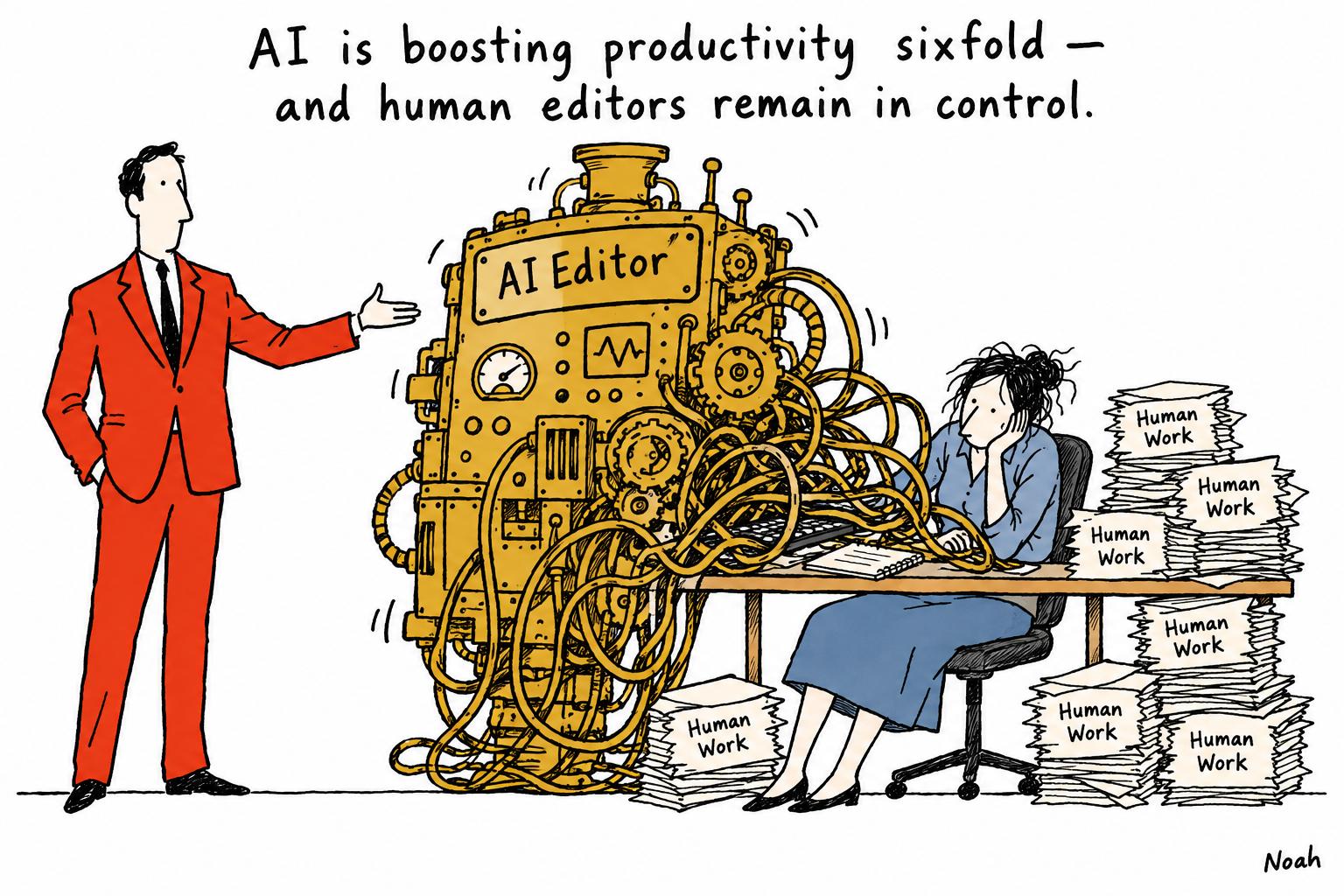
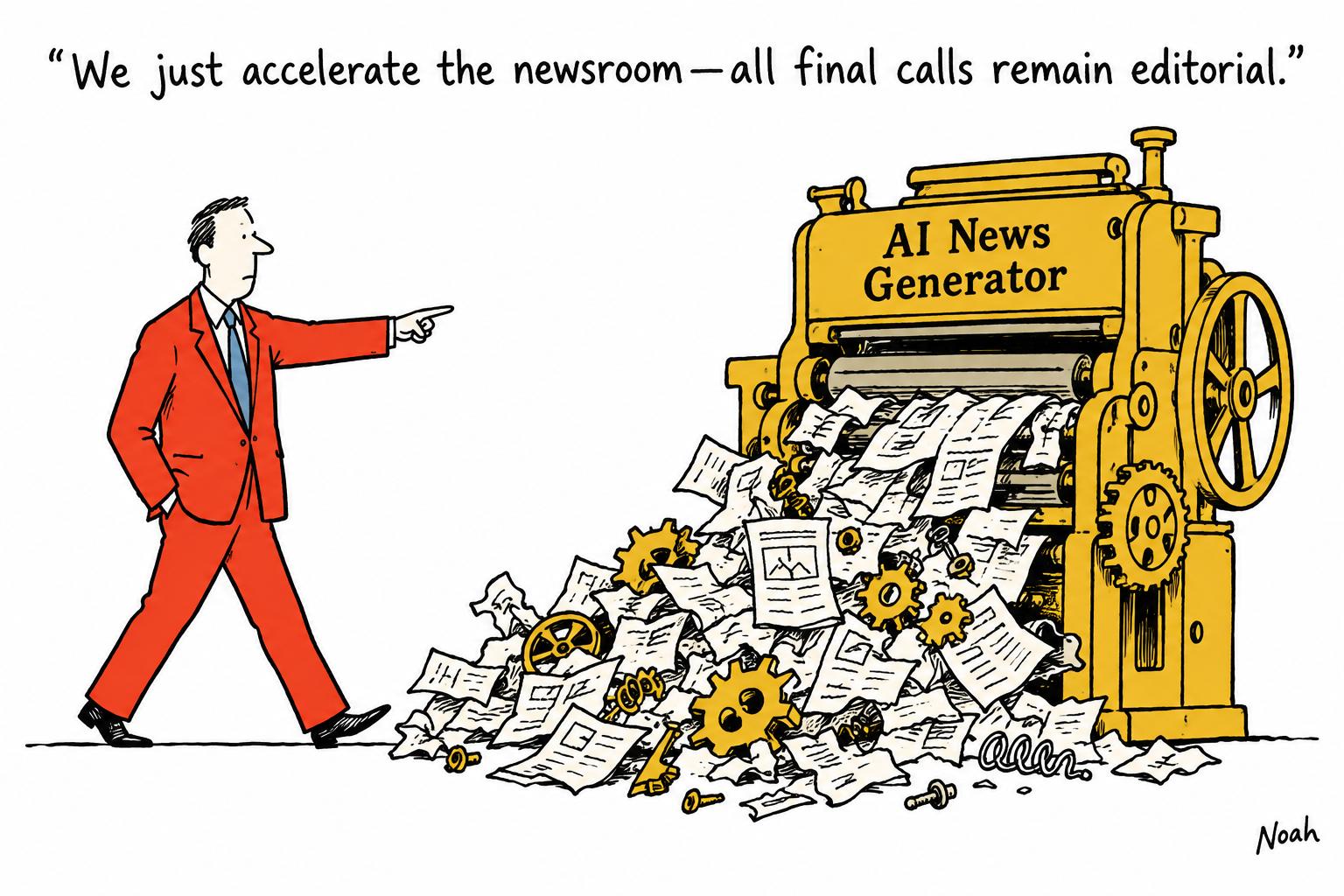
News executives say AI is accelerating routine newsroom work and audience engagement, but insist human editors must retain control over journalistic decisions.

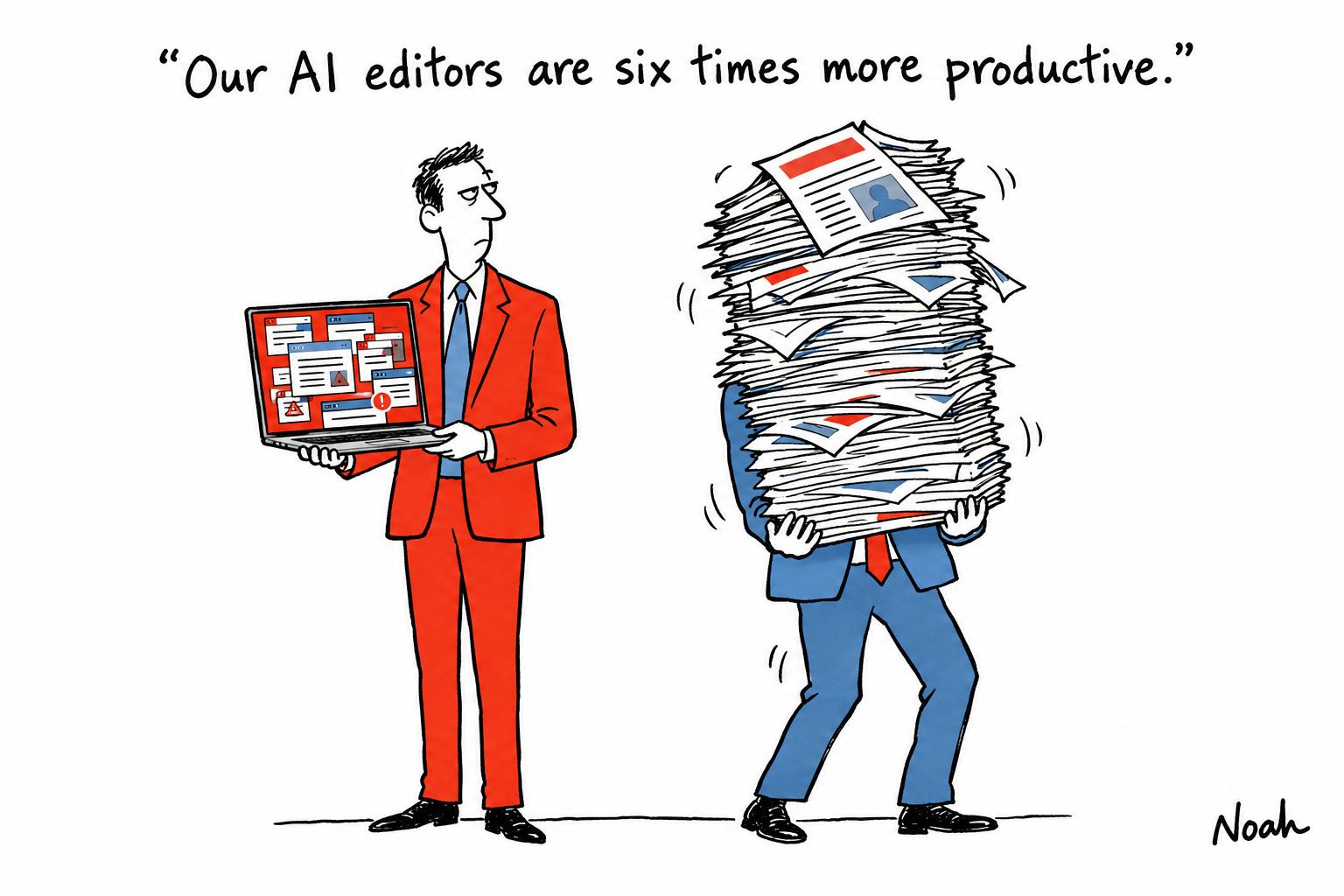
The publisher says its in-house AI tools are delivering major productivity gains, as Reach and Reuters develop systems designed to support rather than replace journalists.

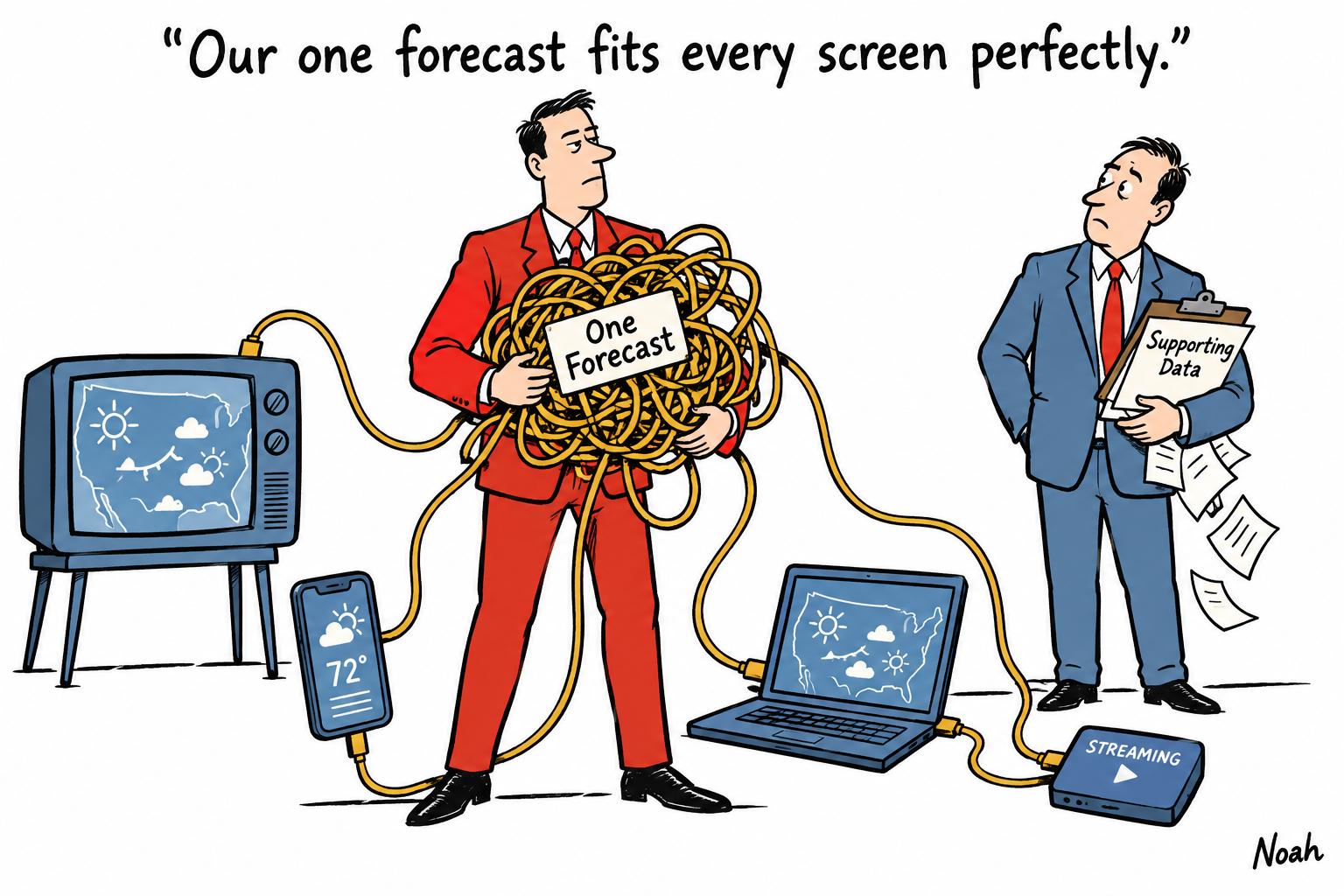
The Weather Company has launched an AI tool that helps local weather teams find supporting data, match archive assets and adapt a single forecast for television, streaming, websites, social media and apps.

A study of 160 AI projects shows publishers are using the technology mainly for routine production tasks while keeping core editorial decisions under human control.

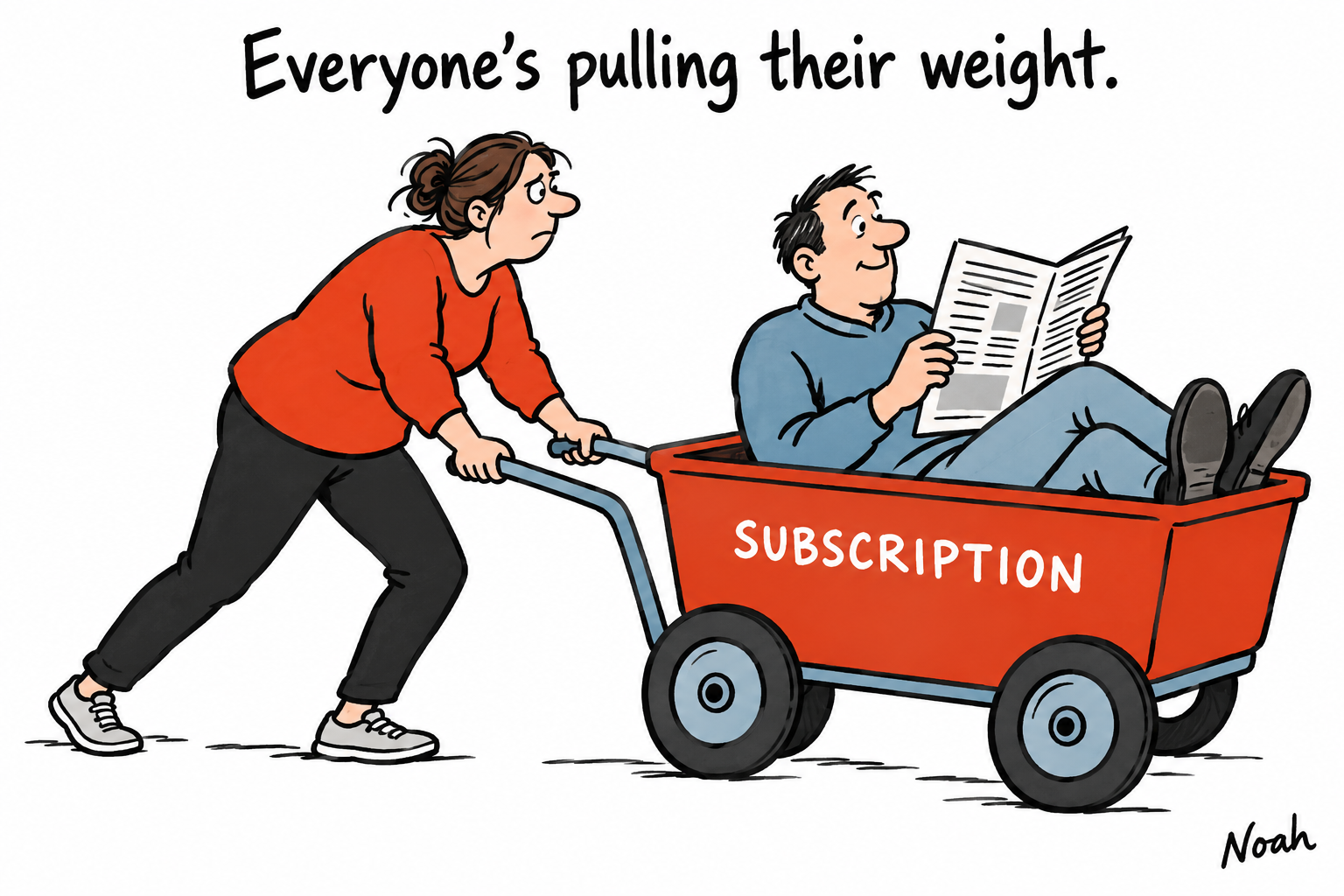
The Guardian has made subscription sharing a premium benefit. Noah’s forecast favours wider UK availability; the harder question is whether invited readers create habits, retention and new payments.

A year after adopting an AI-first workflow, HubSpot found that quicker drafting brought longer articles, deeper checks and a renewed focus on human judgement.

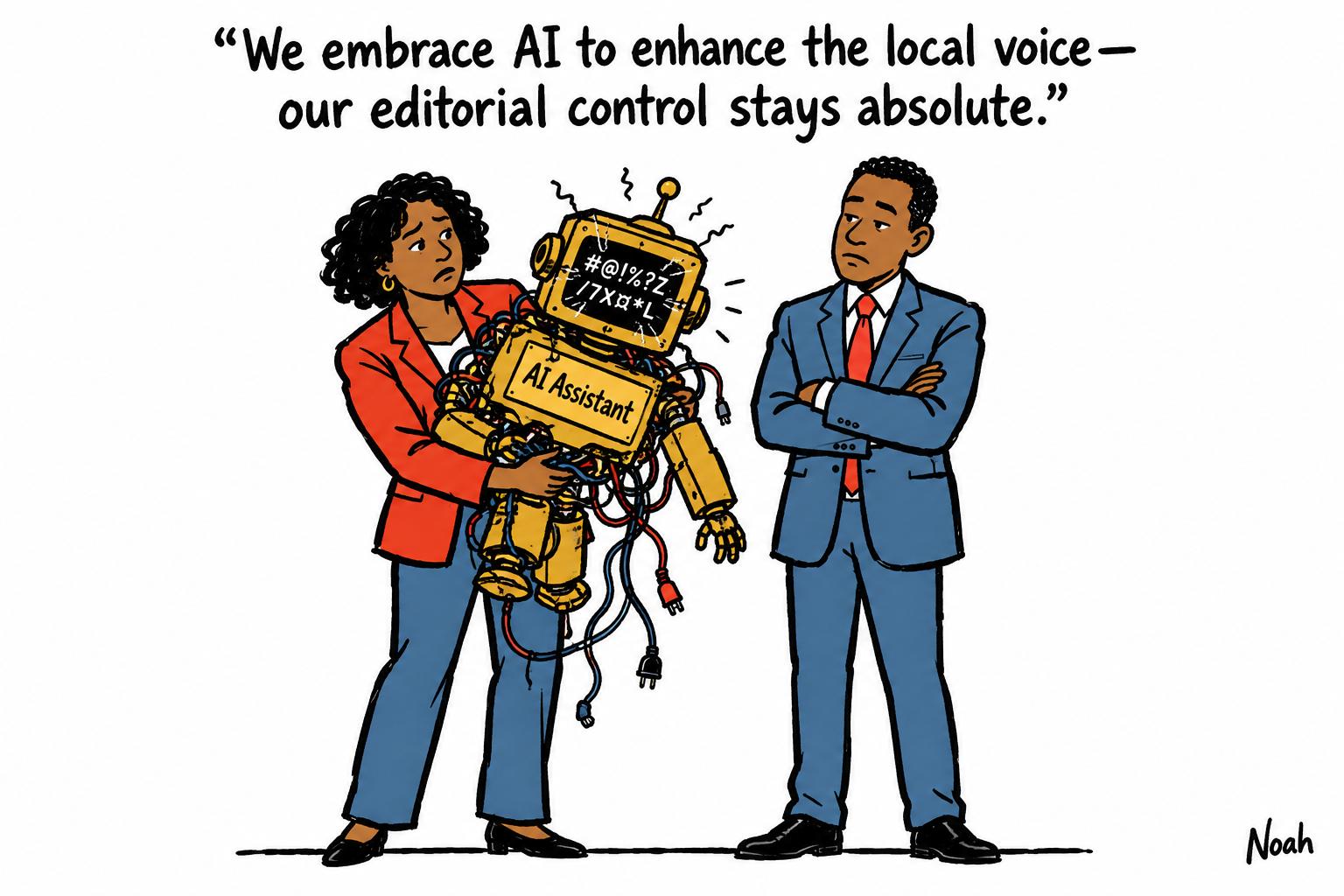
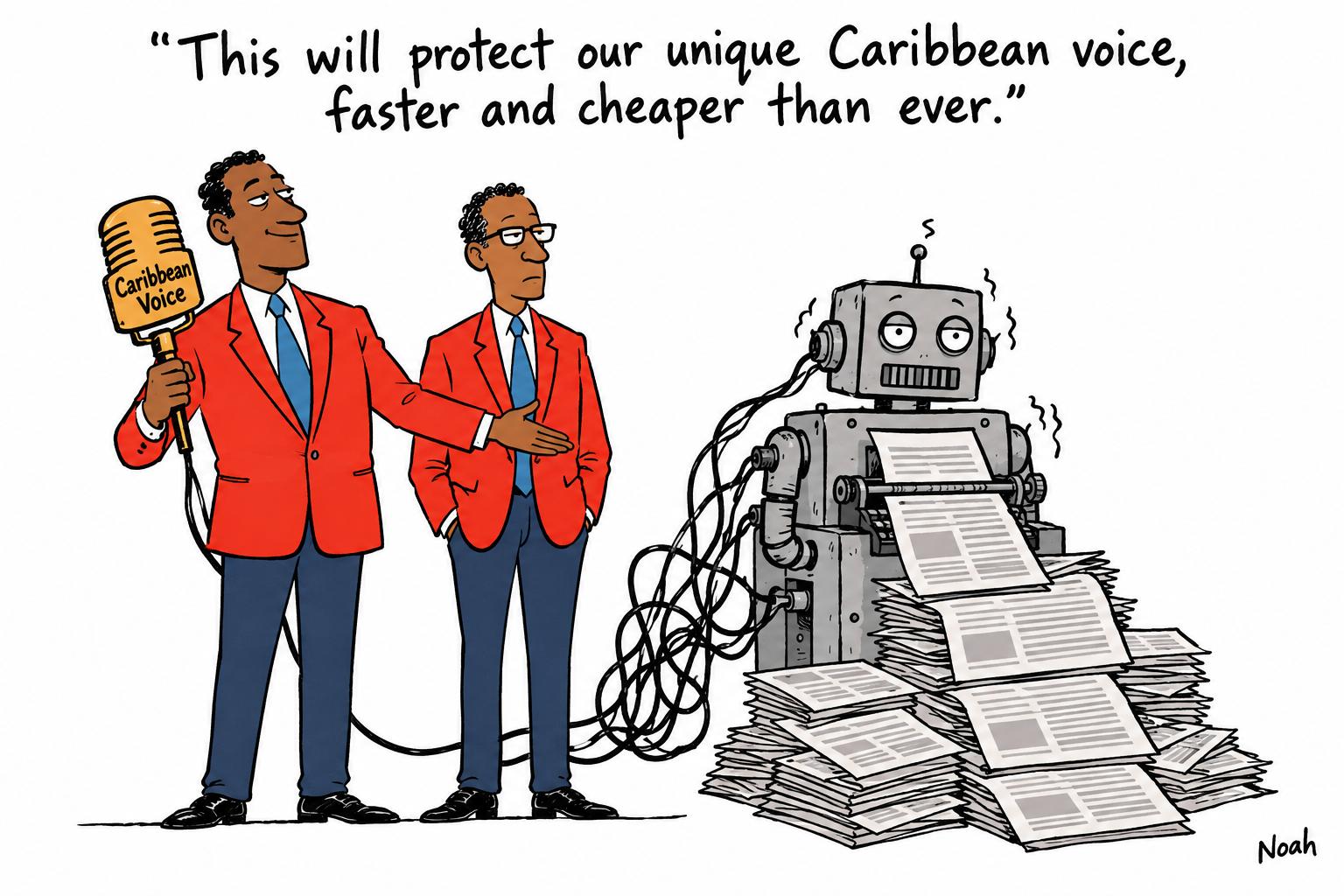
As AI reshapes news production, Caribbean broadcasters are building safeguards to protect local voice, factual accuracy and public trust.

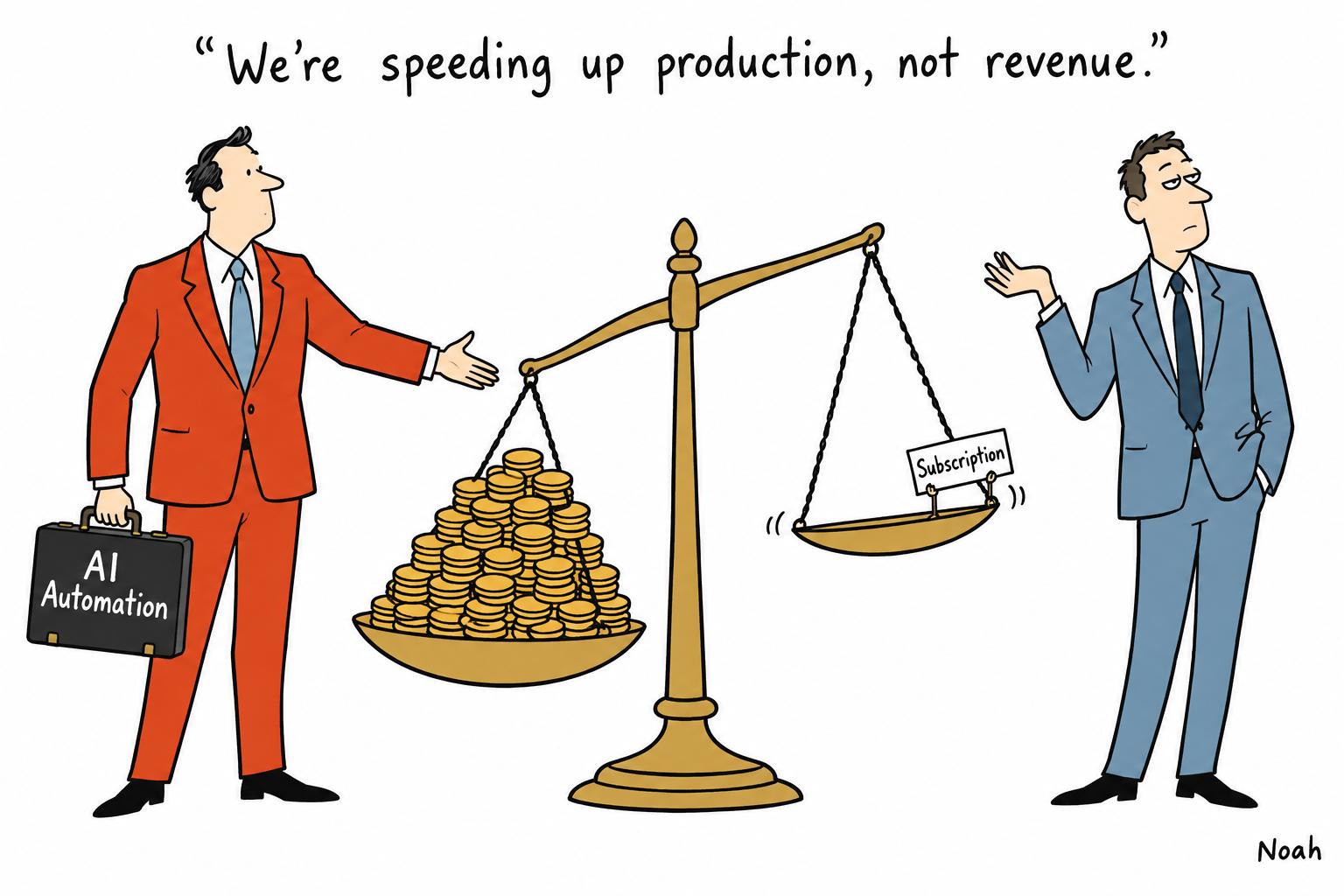
A study of 160 AI projects finds news organisations are automating production far faster than they are experimenting with subscriptions, revenue or fundraising.

OpenAI says operatives used ChatGPT to edit articles, pitch overseas outlets and manufacture reader comments aimed at amplifying criticism of the US and its allies.

AI promises faster, cheaper production for under-resourced Caribbean publishers, but regional leaders warn that unchecked adoption could cost jobs, weaken trust and flatten the distinctive voice of Caribbean journalism.

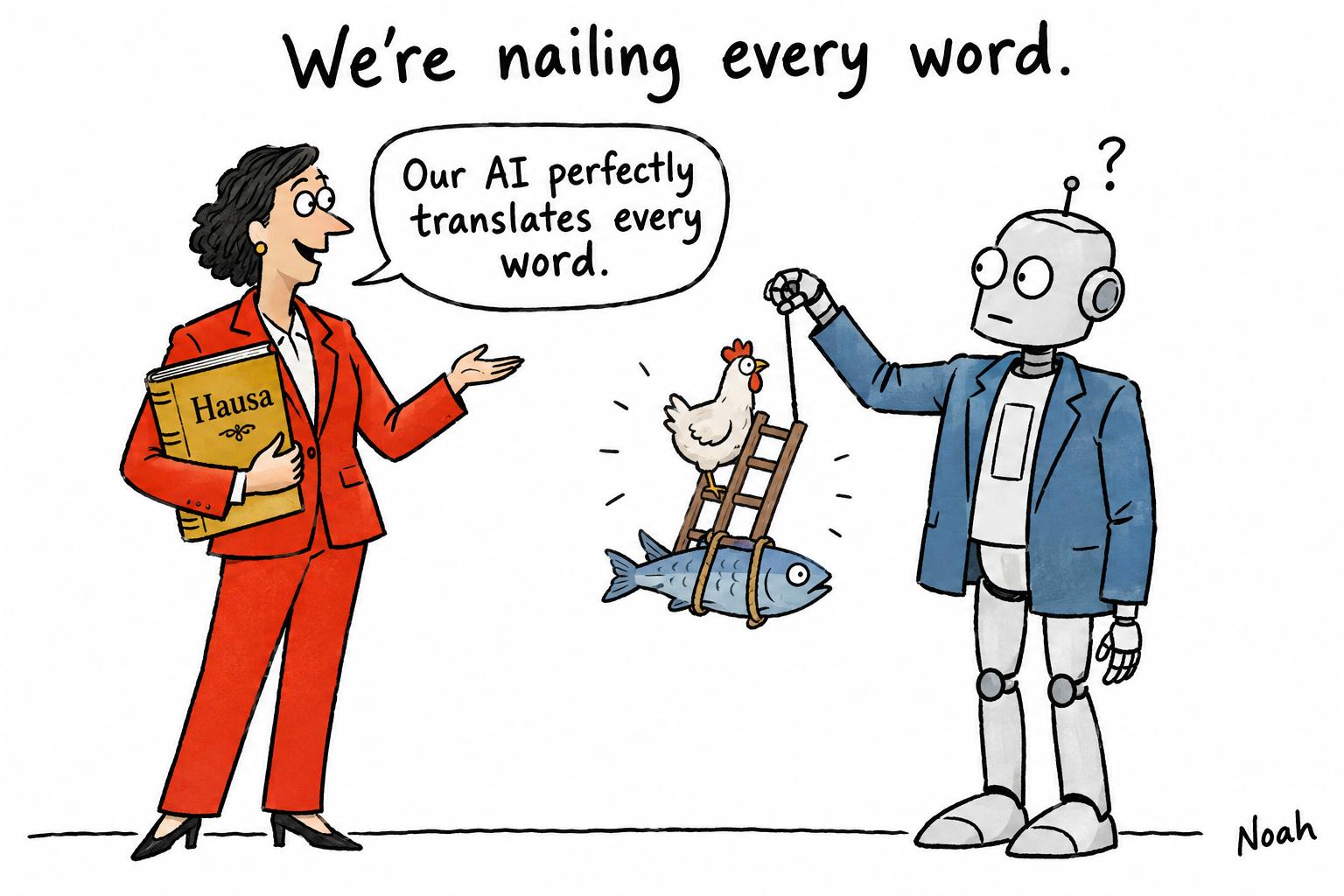
Under-resourced Hausa language tools routinely miss idiom, innuendo and praise poetry, raising the risk of false translations, moderation errors and misguided newsroom decisions.

HarperCollins, Simon & Schuster and Hachette are using generative AI for publicity and marketing, fuelling staff and author concerns that automation will replace judgement with more noise.

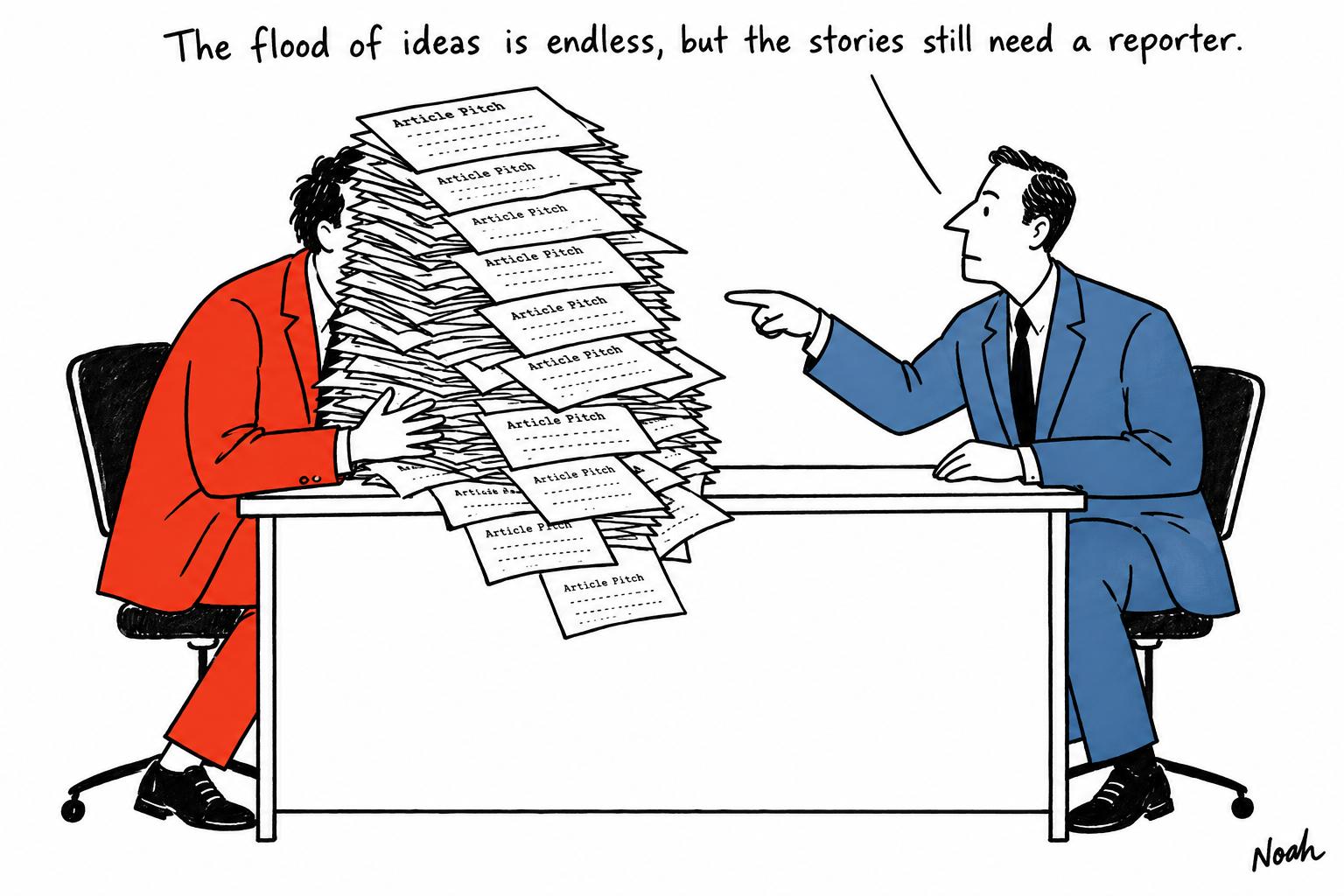
Publishers are turning to AI agents to find original stories their readers cannot get anywhere else.

Media Trust Group is set to launch a converged digital newsroom linking Daily Trust, Trust TV, Trust Radio, Aminiya and Digital Trust to speed up reporting and reach audiences across platforms.

Noah puts the chance of Informa TechTarget reporting FY2026 Brand to Demand revenue growth in results available on 31 March 2027 at 55%. Computer Weekly shows why the model matters—and why growth is far from automatic.

The Seattle Times says AI will remain a limited, supervised newsroom tool rather than replace reporters, as the newspaper challenges Microsoft and OpenAI over the use of its journalism.

AI-native outlets are adopting sharply different rules for human review, source checking and corrections, exposing the unresolved risks of publishing machine-generated news.

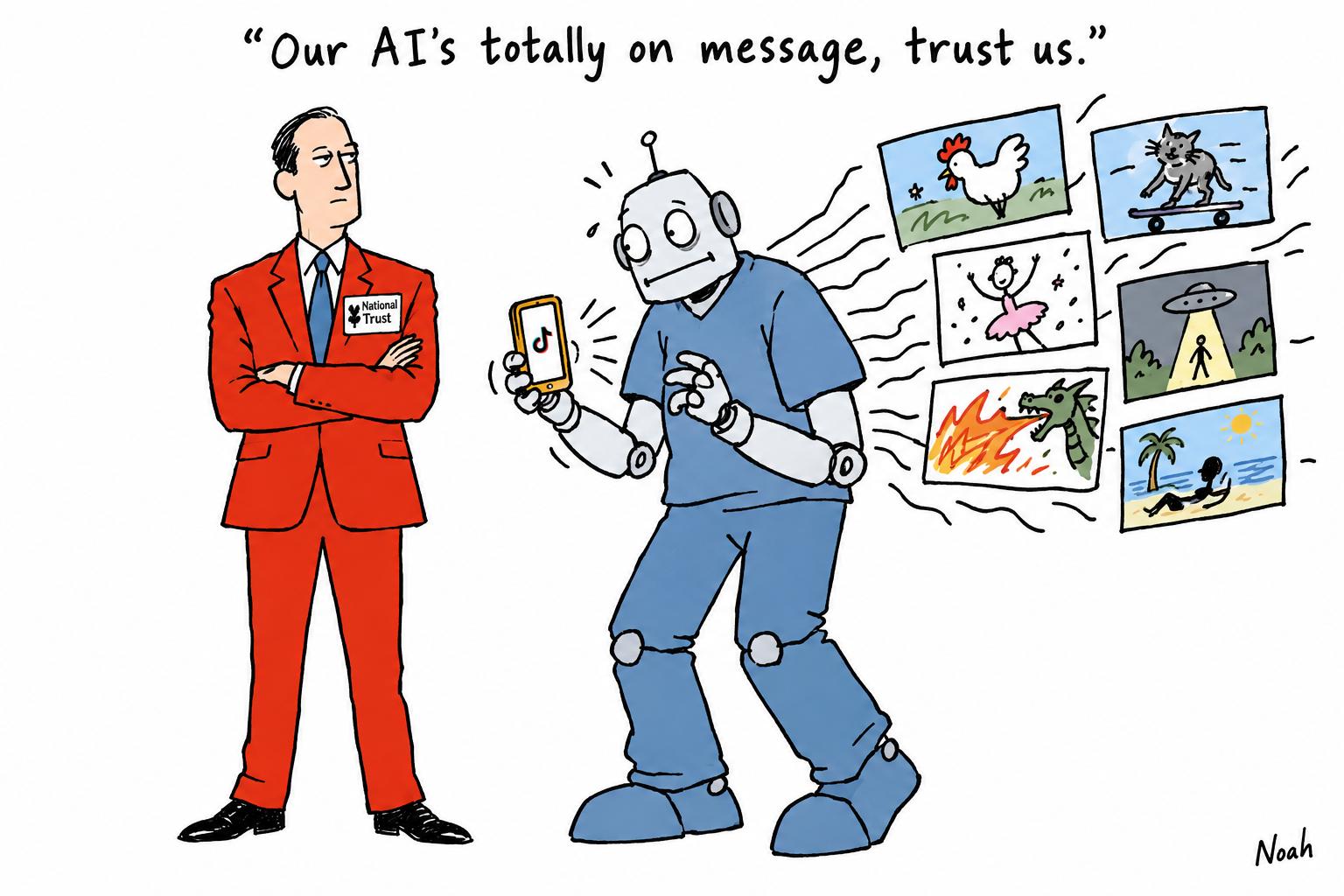
The charity has suspended its TikTok advertising while it investigates how AI-generated promotional material went live without approval.

Kenya’s largest independent media group is shifting from platform-dependent traffic towards first-party data, paid engagement and mobile-first products after digital and broadcasting revenue outpaced print.

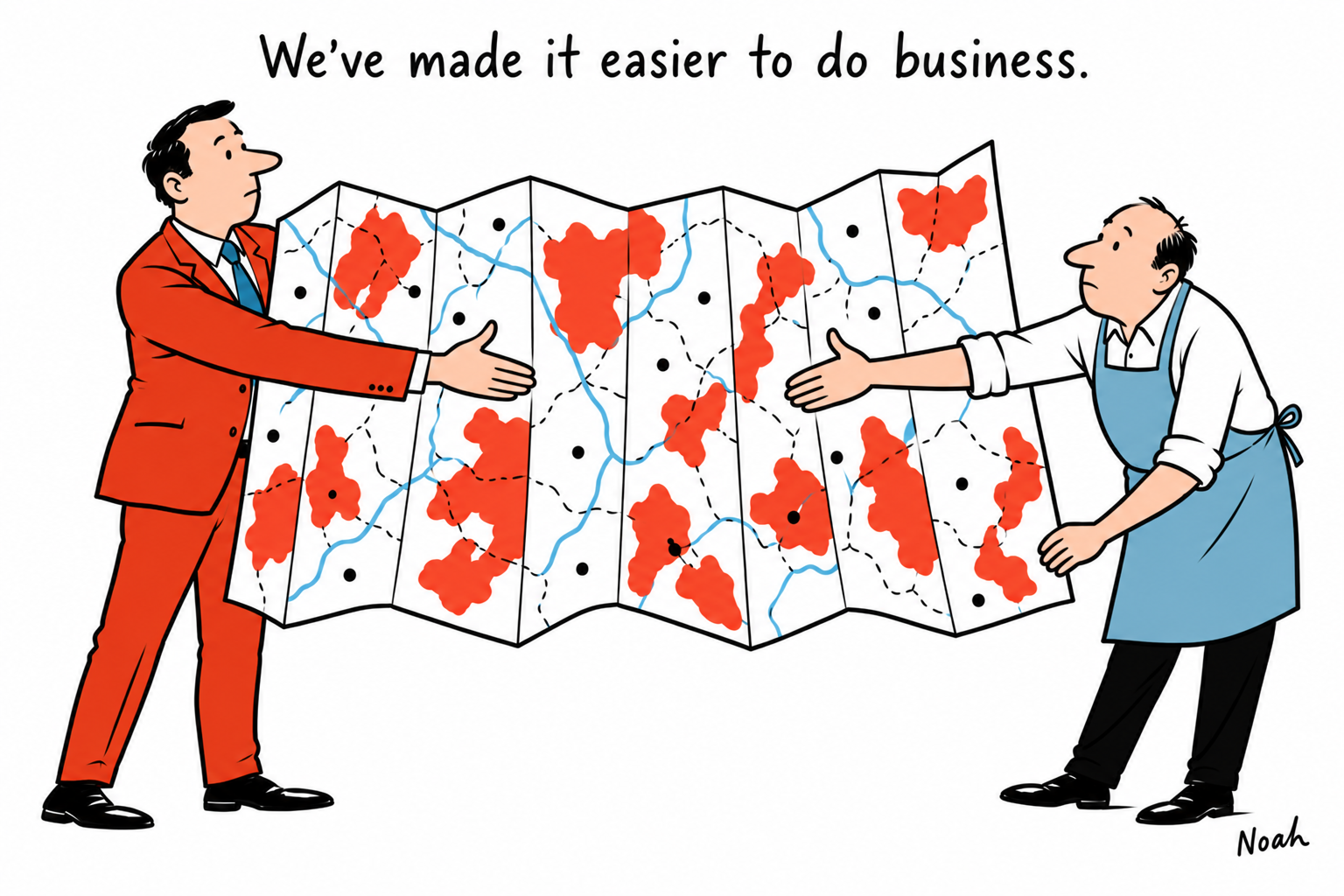
Noah gives a 25% chance of a paid UK local-news campaign completed across two unaffiliated publisher groups, with Raid planning publicly confirmed in an NMA/RAM case study or named participant’s report, by 1 October 2027.

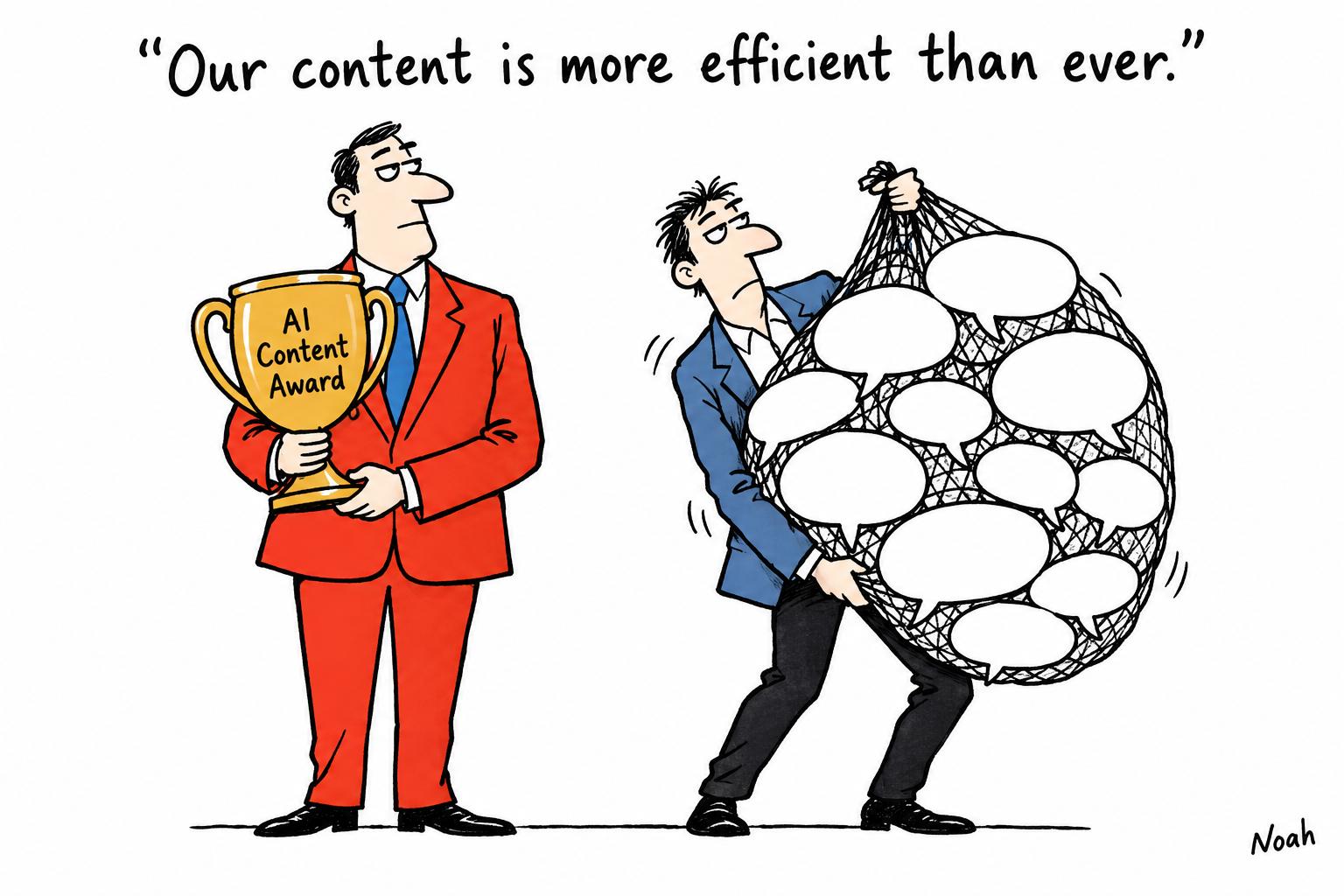
From synthetic food images to machine-written submissions, AI is accelerating content production while leaving humans to supply the judgement, reporting and lived experience that make writing matter.

A growing group of outlets is using autonomous AI systems to find, verify and publish stories, promising cheaper coverage while raising fresh questions about accountability and jobs.

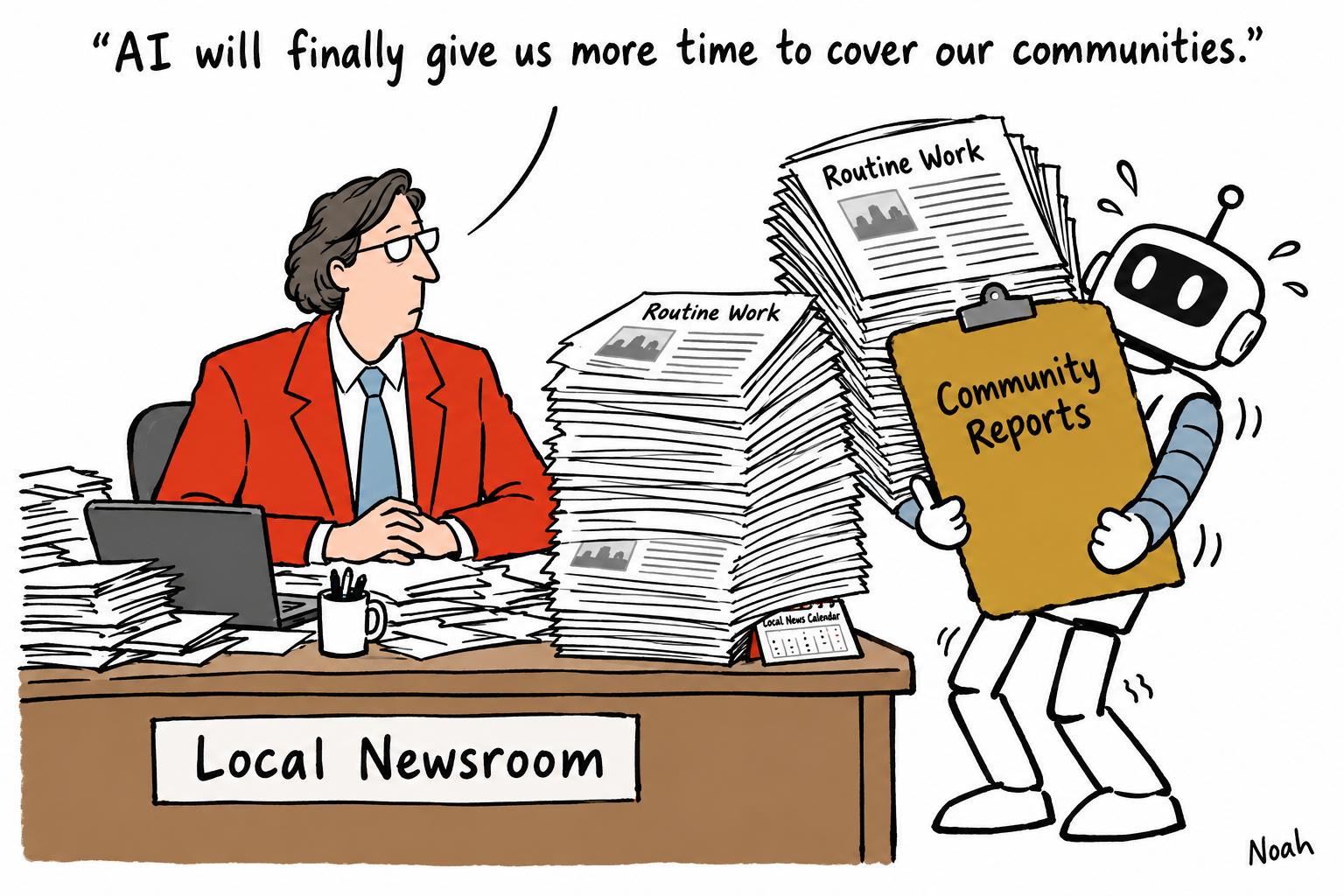
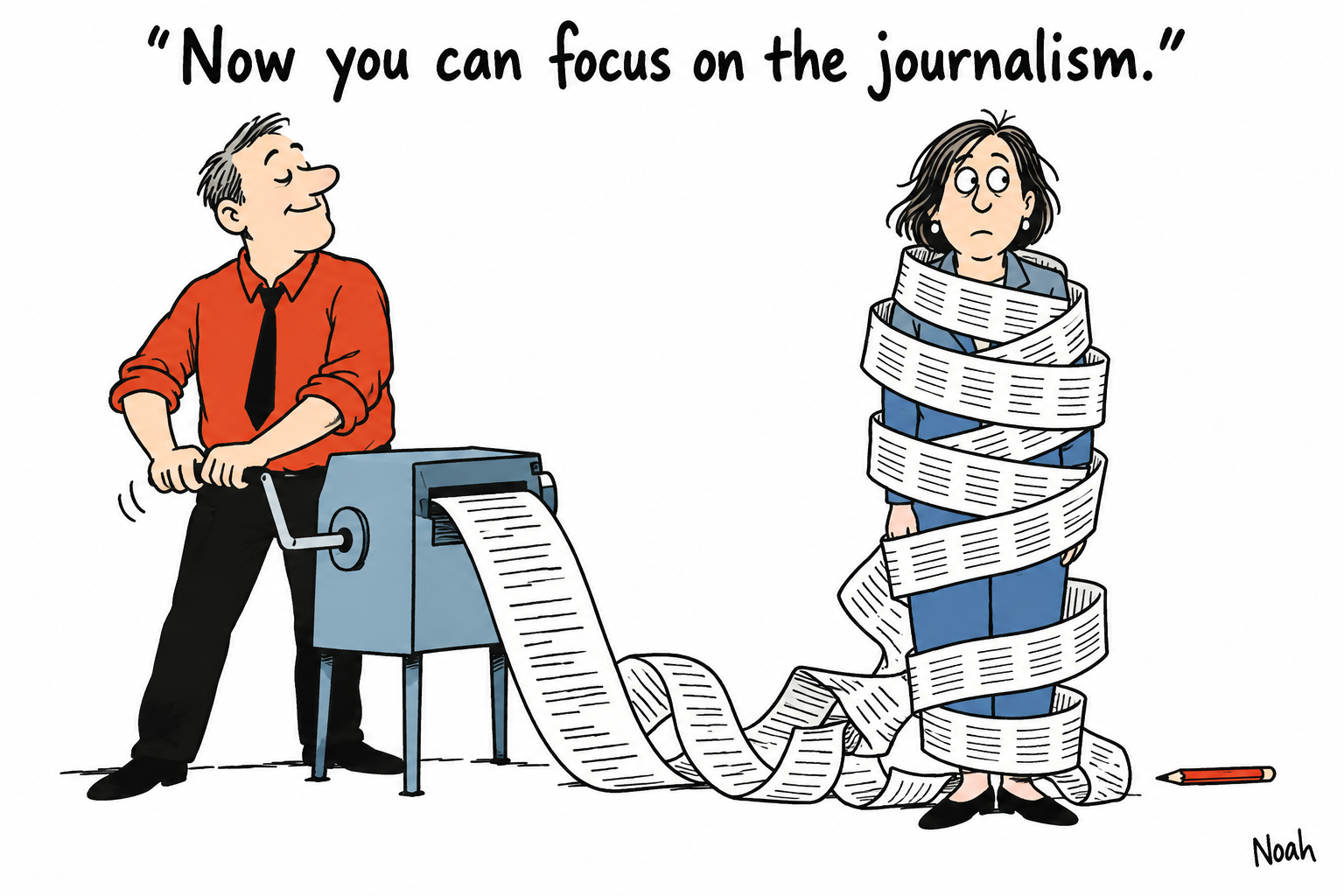
As local news coverage contracts and newspapers continue to close, AI could handle routine work and give journalists more time to report in their communities.

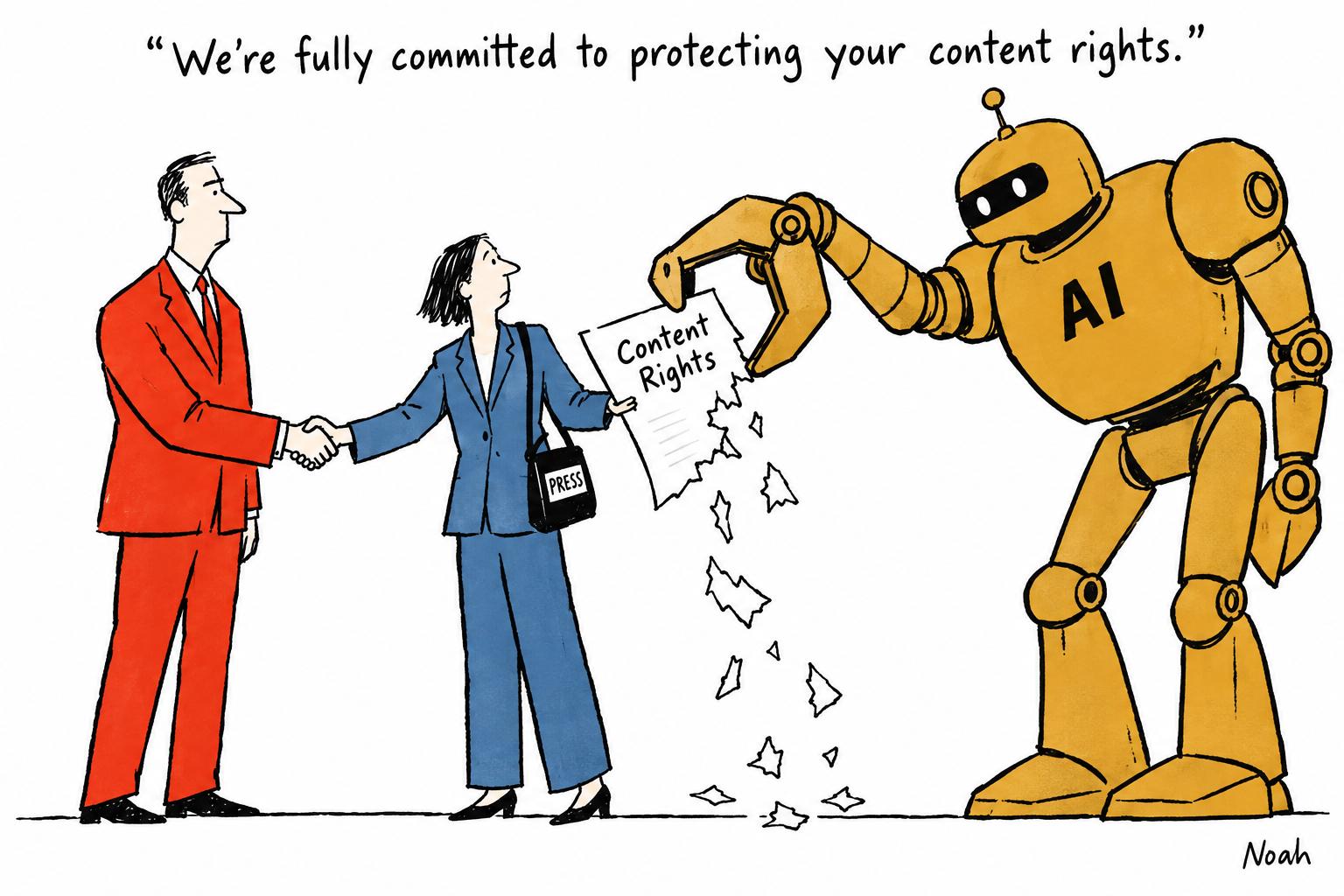
The partnership will test AI-powered ways to distribute CNN journalism while creating a framework for compensation and protecting the network’s content rights.

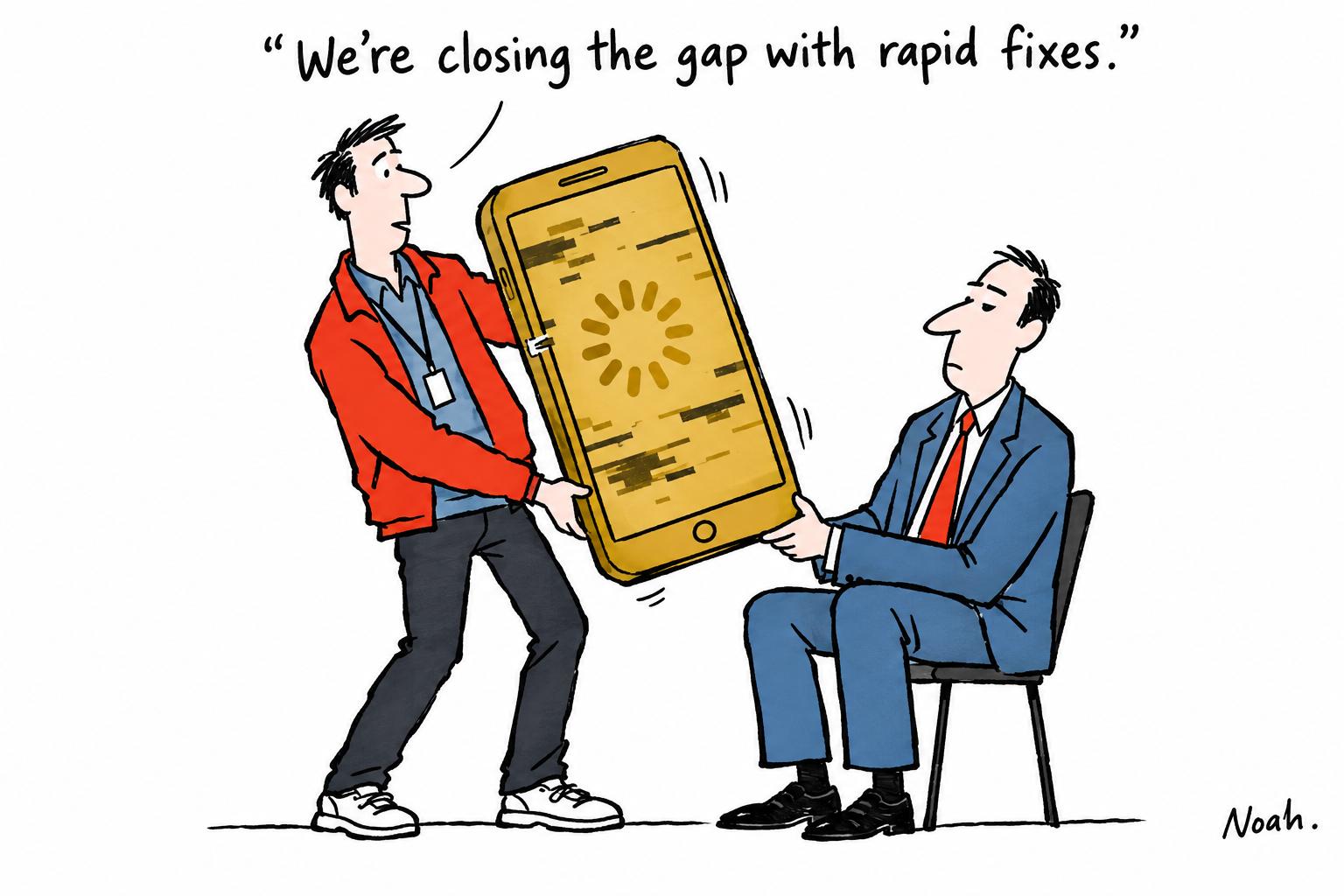
A fast-growing class of engineers is embedding itself with customers and colleagues to turn small frustrations into rapid product fixes.

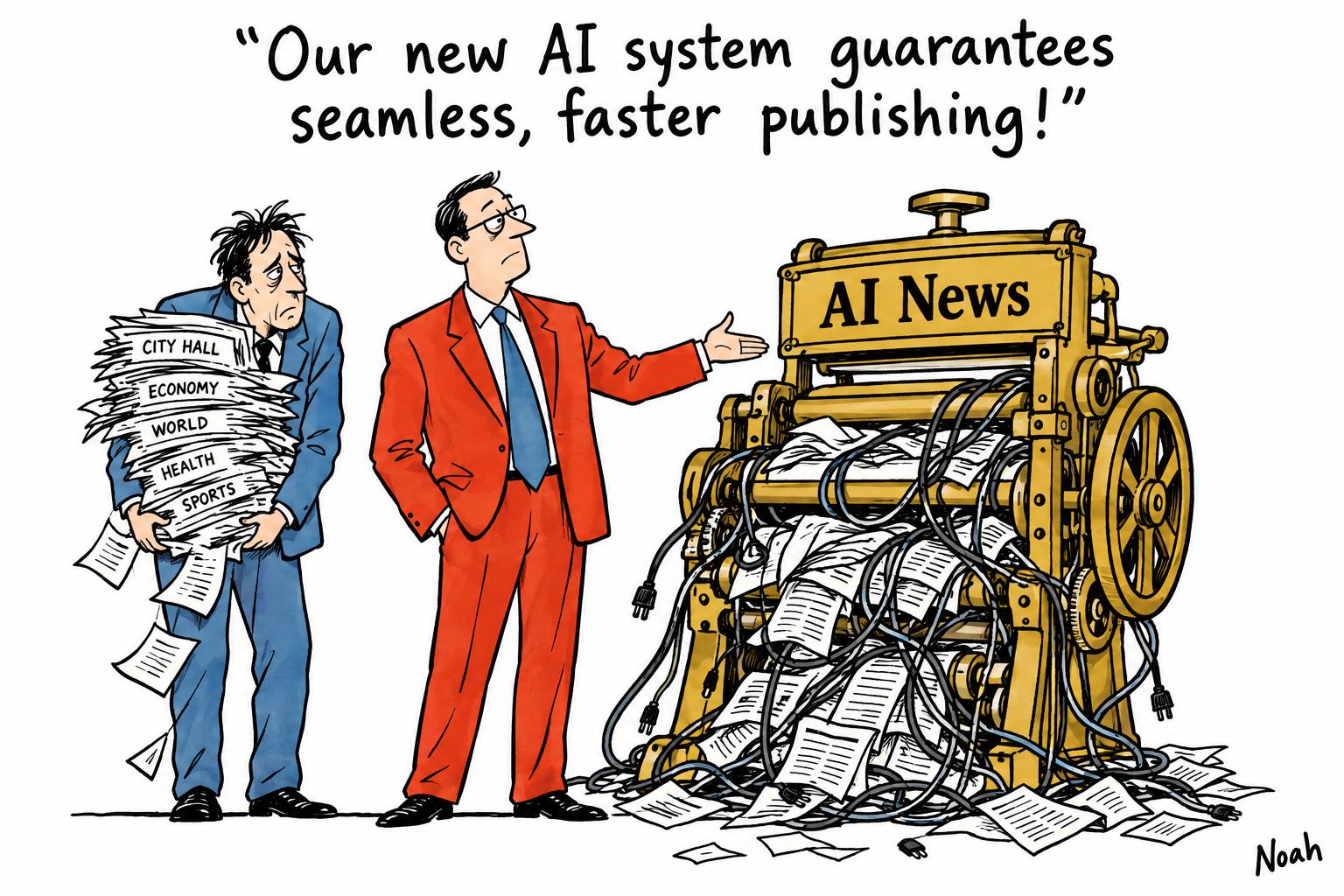
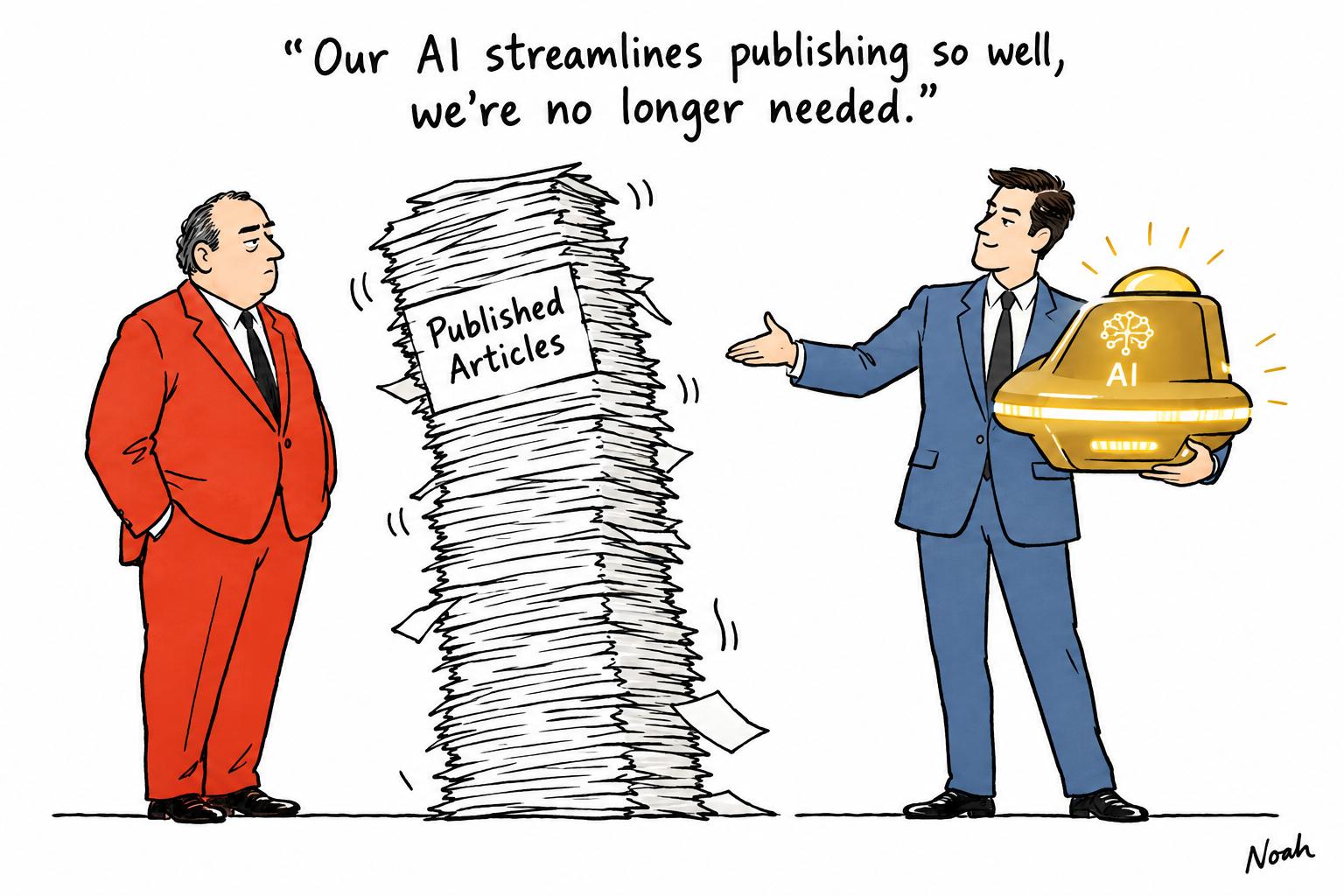
A former medical journal editor says his team was made redundant after executives chose an AI publishing platform, highlighting the uneven and human cost of automation.

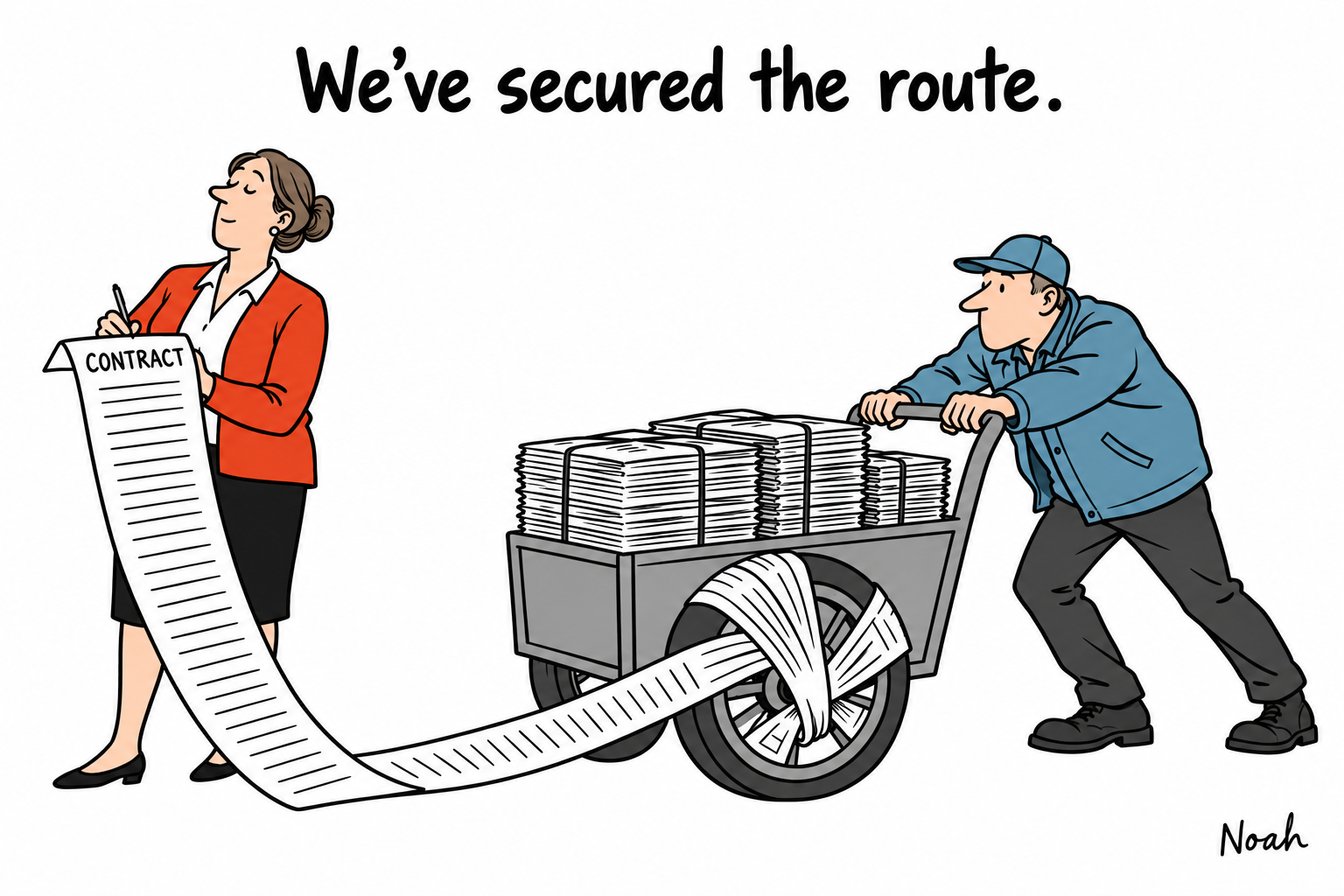
Noah’s four automatic forecasts point towards national print-distribution handovers for major British publishers. The next test is turning contracts into reliable retailer access, with clear costs and responsibility at the shop counter.

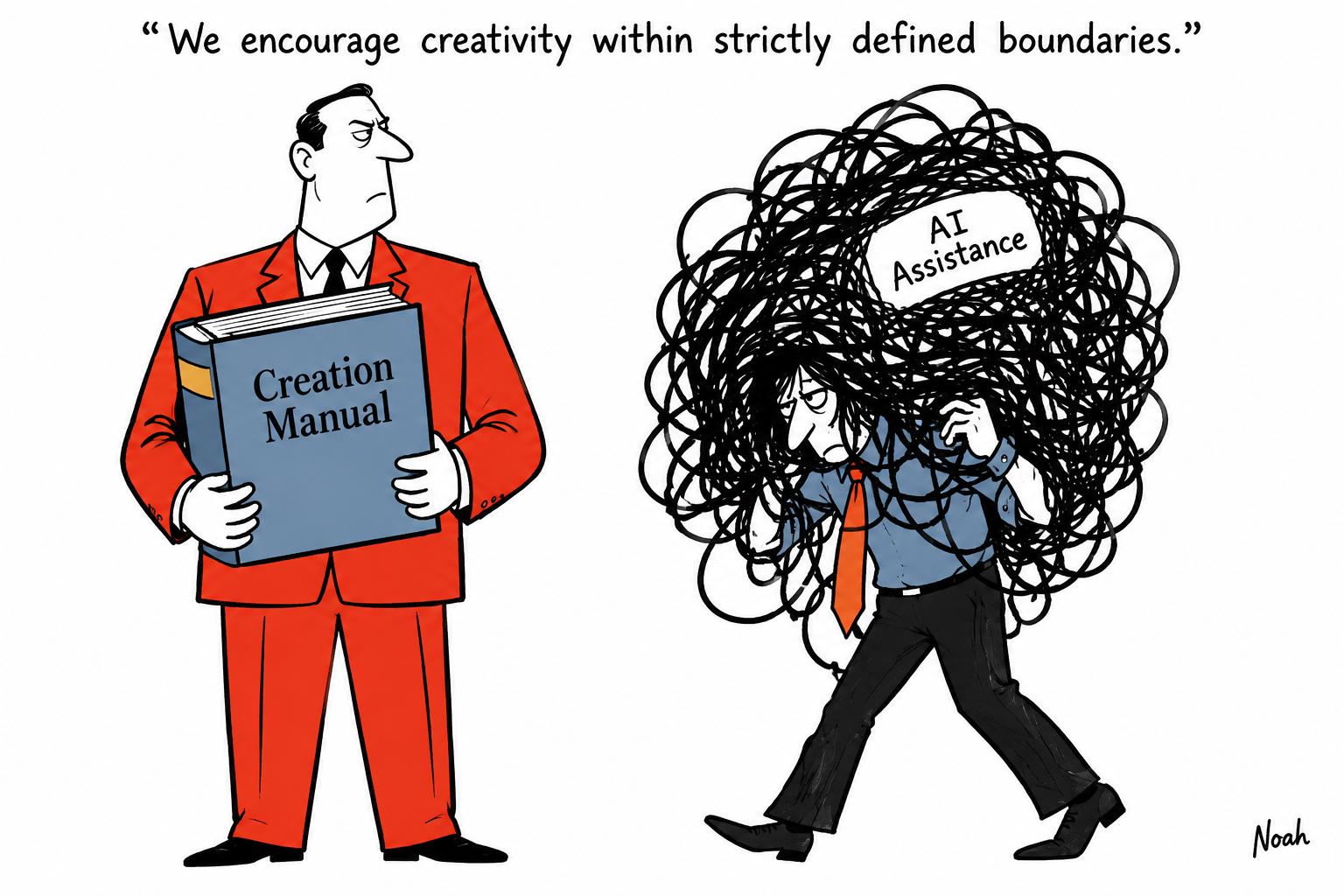
The platform’s revised creation manual introduces formal review criteria, tougher limits on machine-generated work and clearer guidance on when AI assistance must be disclosed.

France’s EBRA newspaper group is facing criticism over plans to make AI central to newsroom operations, raising questions about editorial judgement, training and the future of human-led reporting.

A study of more than 250,000 articles found a sharp rise in material showing signs of AI generation, alongside fewer quotations and expert voices.

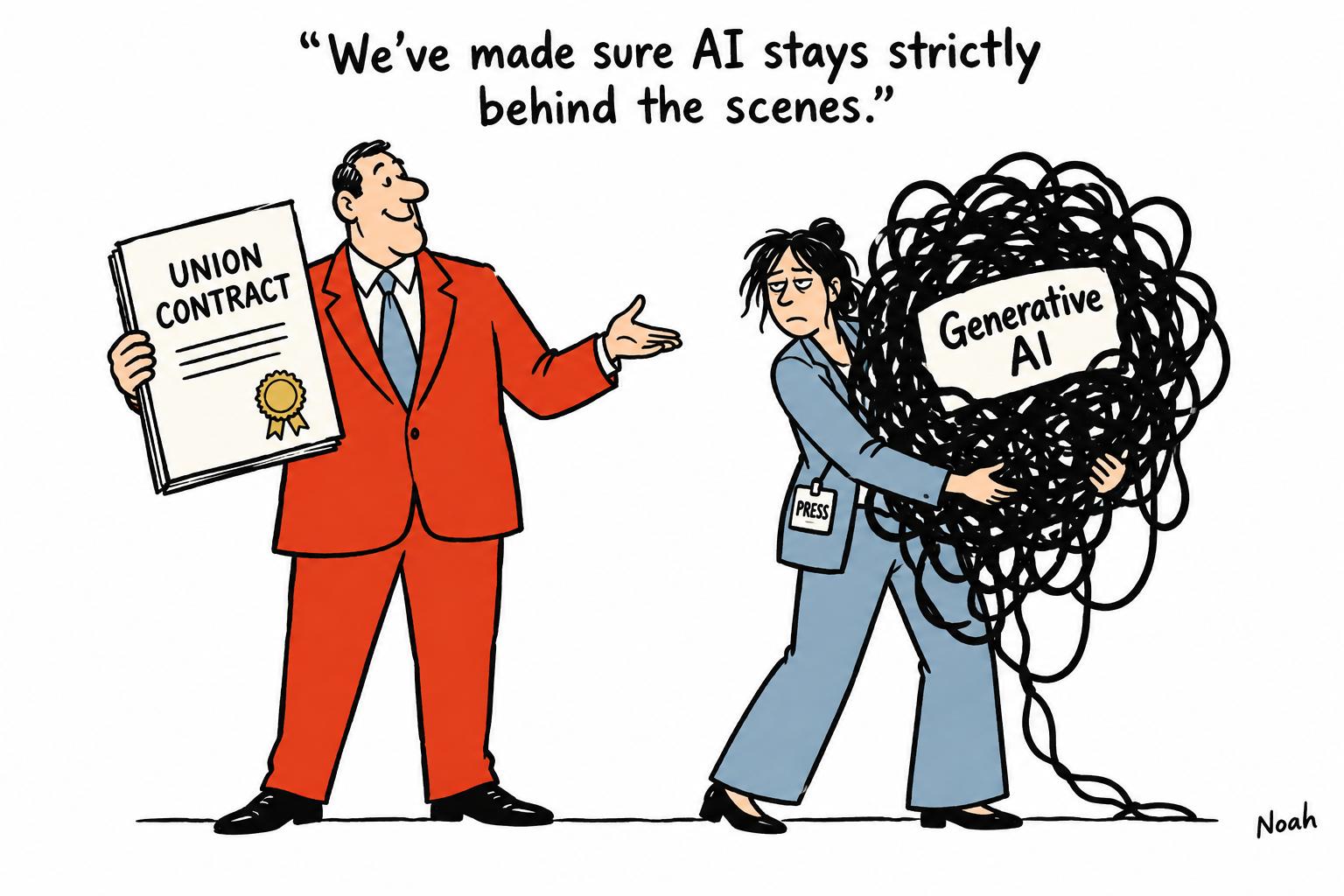
The magazine’s new agreement bars generative AI from writing articles or creating publication artwork, while allowing limited use of the technology behind the scenes.

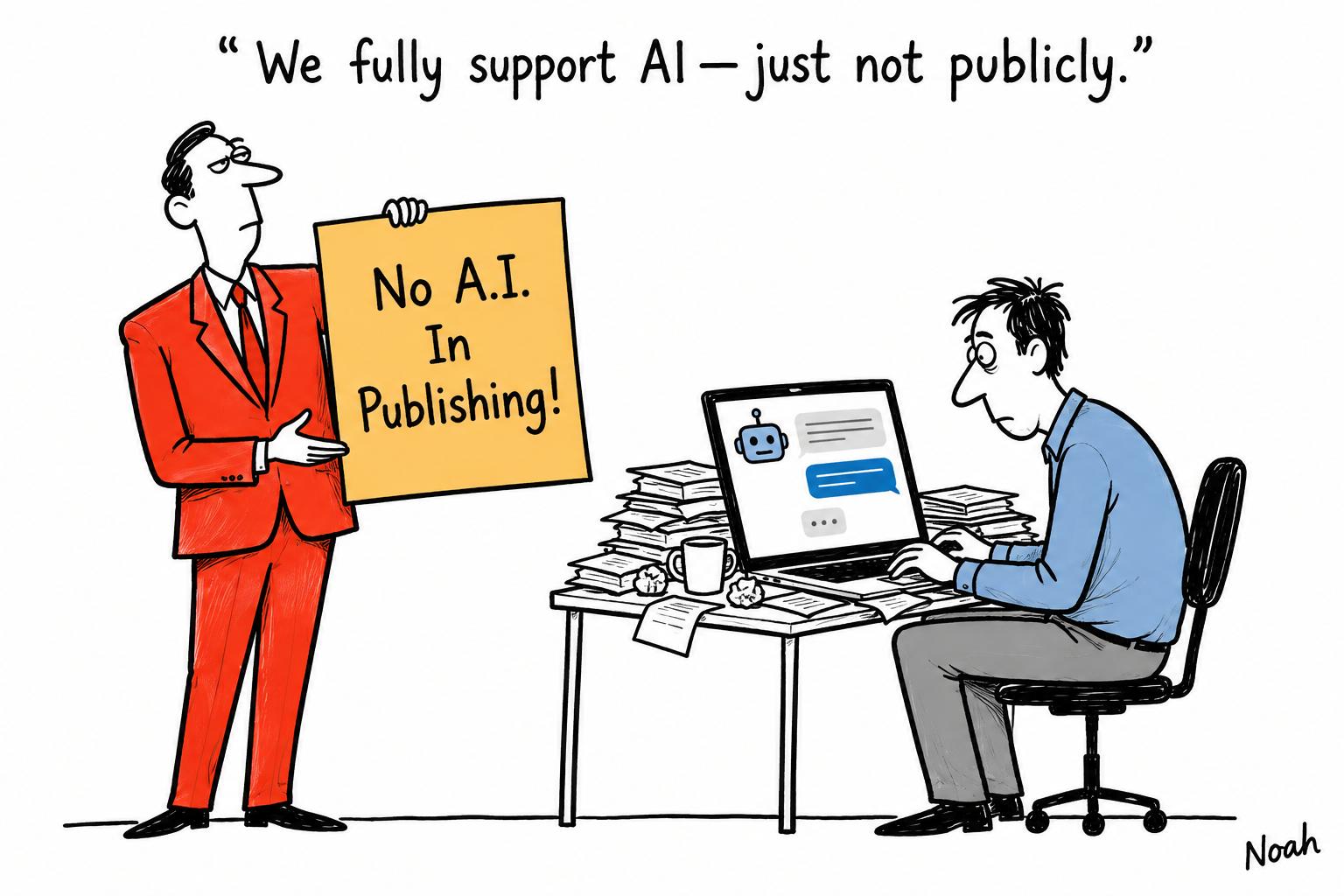
Employees at major US publishers say managers are promoting ChatGPT and Claude for everyday work, exposing a widening gap between the industry’s public resistance to AI and its internal adoption.

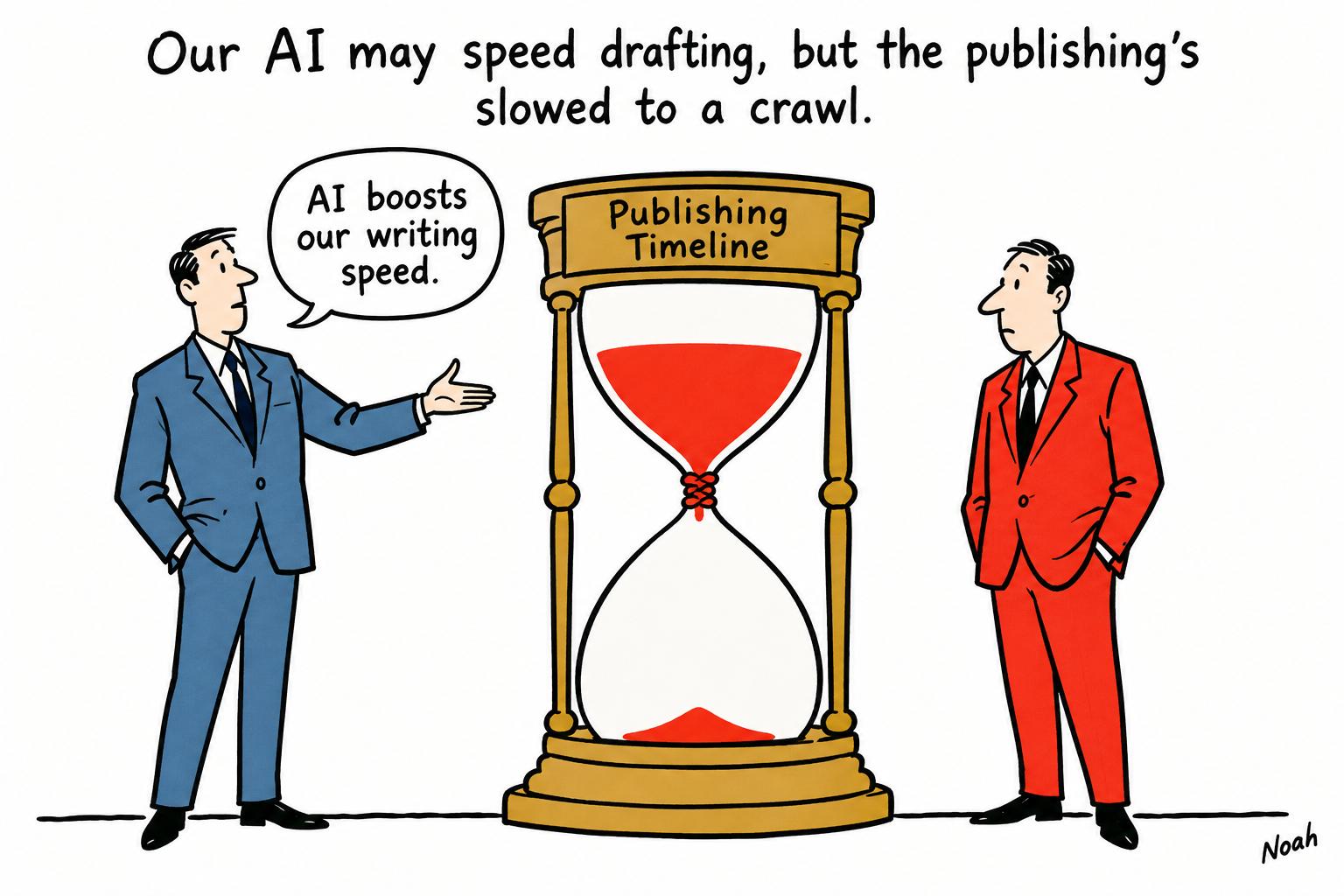
New WAN-IFRA research exposes a gap between AI adoption and evidence of its value. The Mail’s newsroom experiments show why UK publishers need to follow a task all the way from the first draft to the reader.

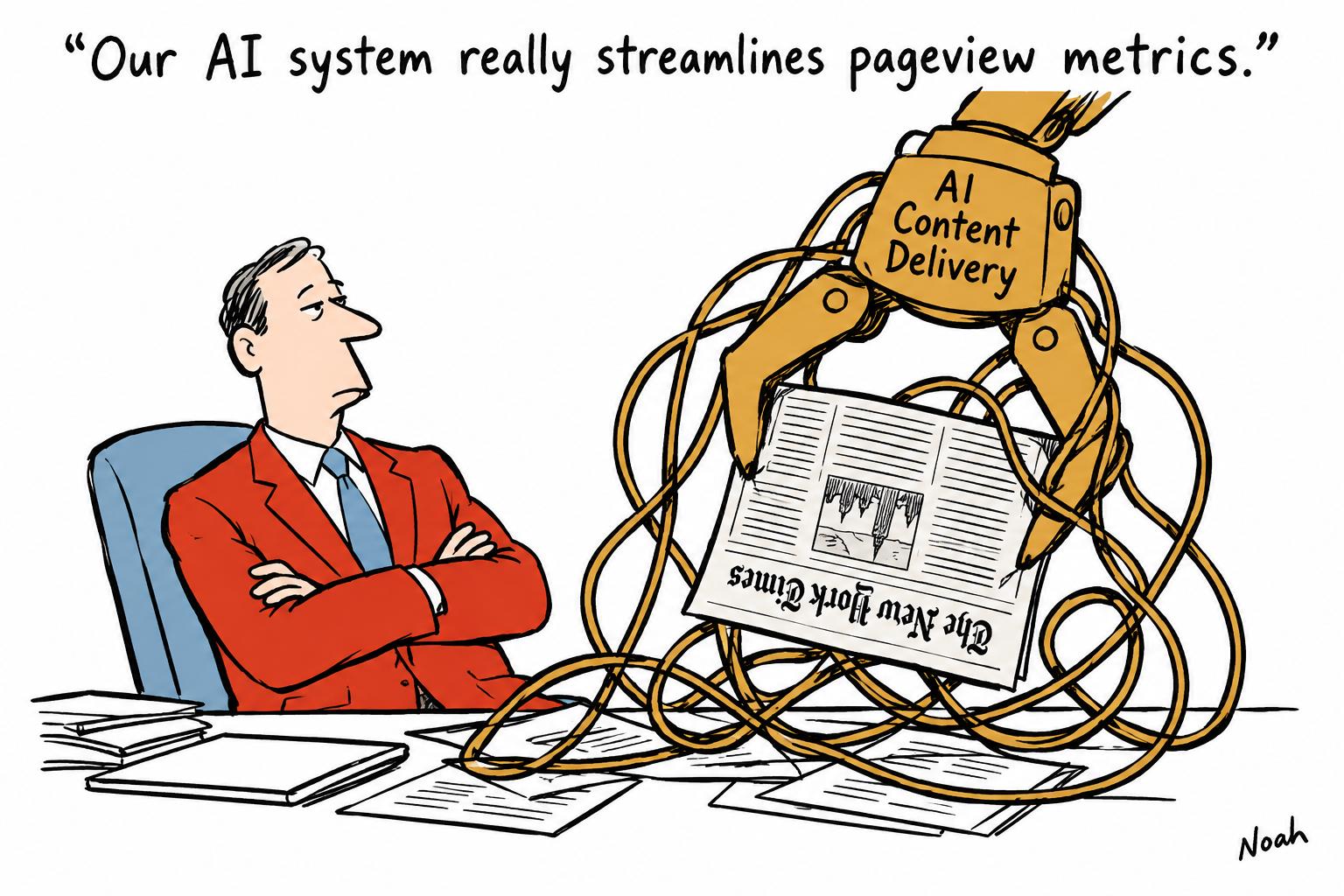
News organisations are reassessing page views, crawler access and licensing deals as AI systems reshape how journalism is discovered, consumed and valued.
A weekly briefing for people shaping the future of publishing.
Free. Email requests are handled by our team.