Publishers’ quiet AI rollout sparks revolt among staff
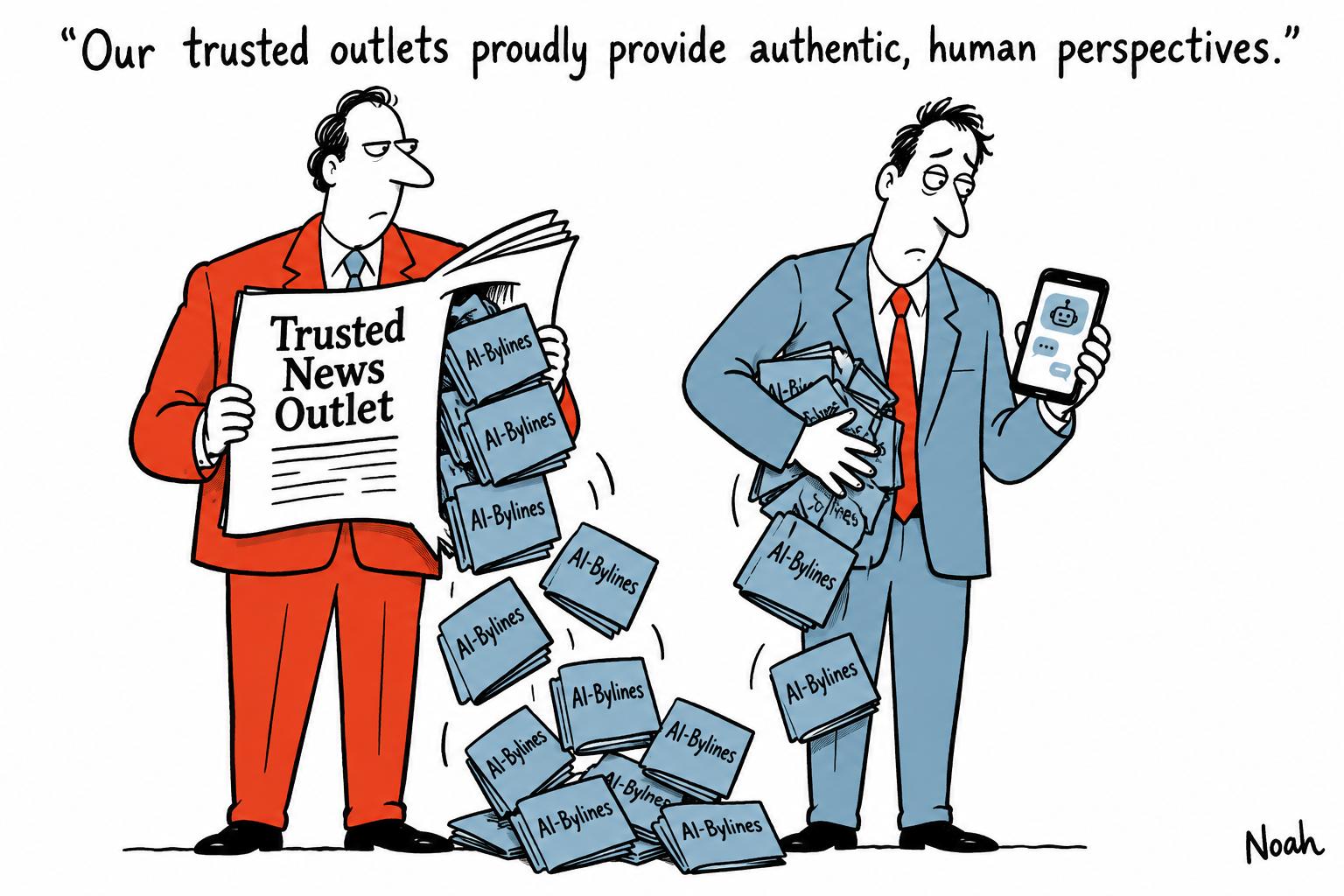
Employees at three major publishers say managers are promoting tools such as Claude and ChatGPT behind the scenes, despite the industry’s public opposition to AI’s risks.
1256 stories · newest first

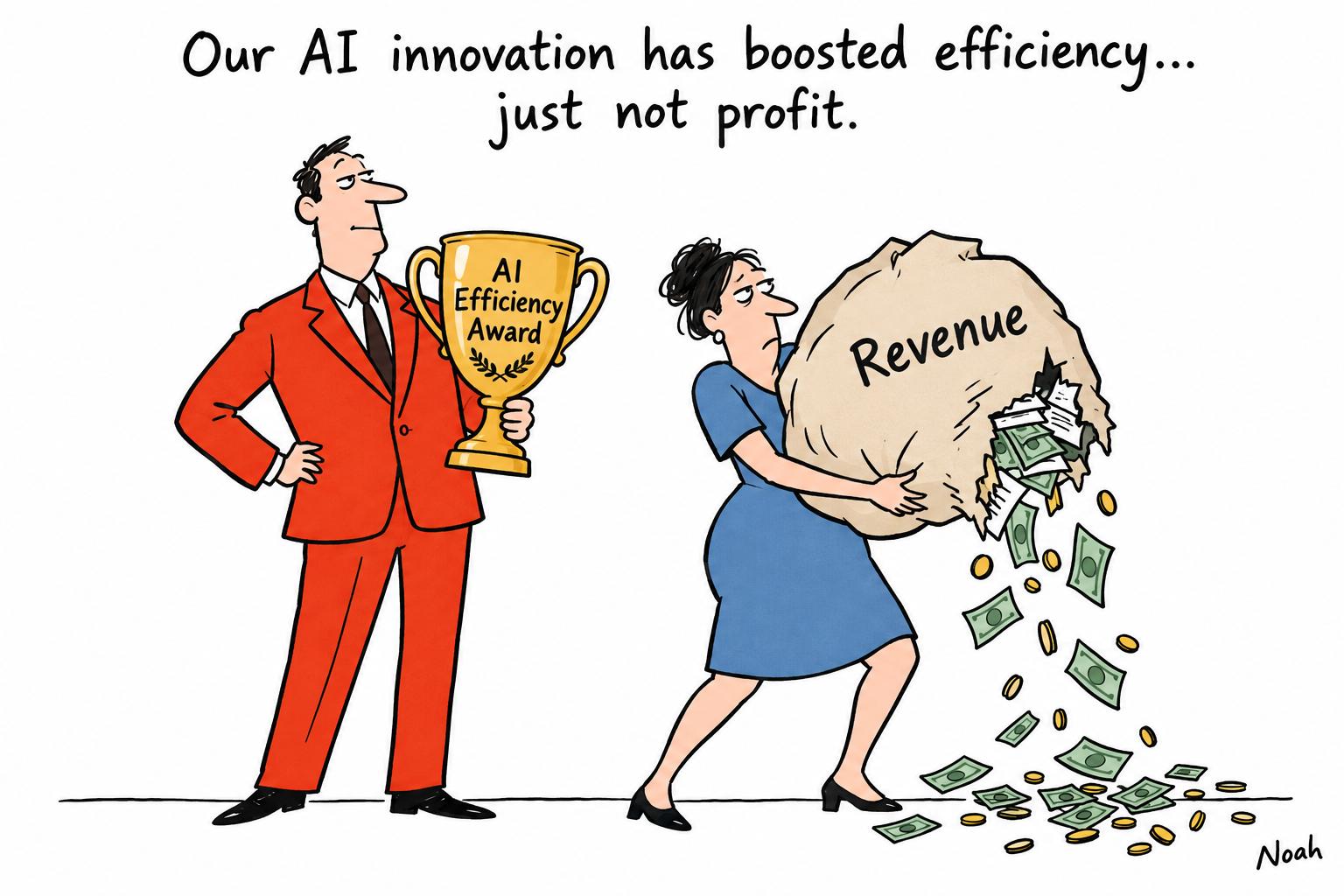
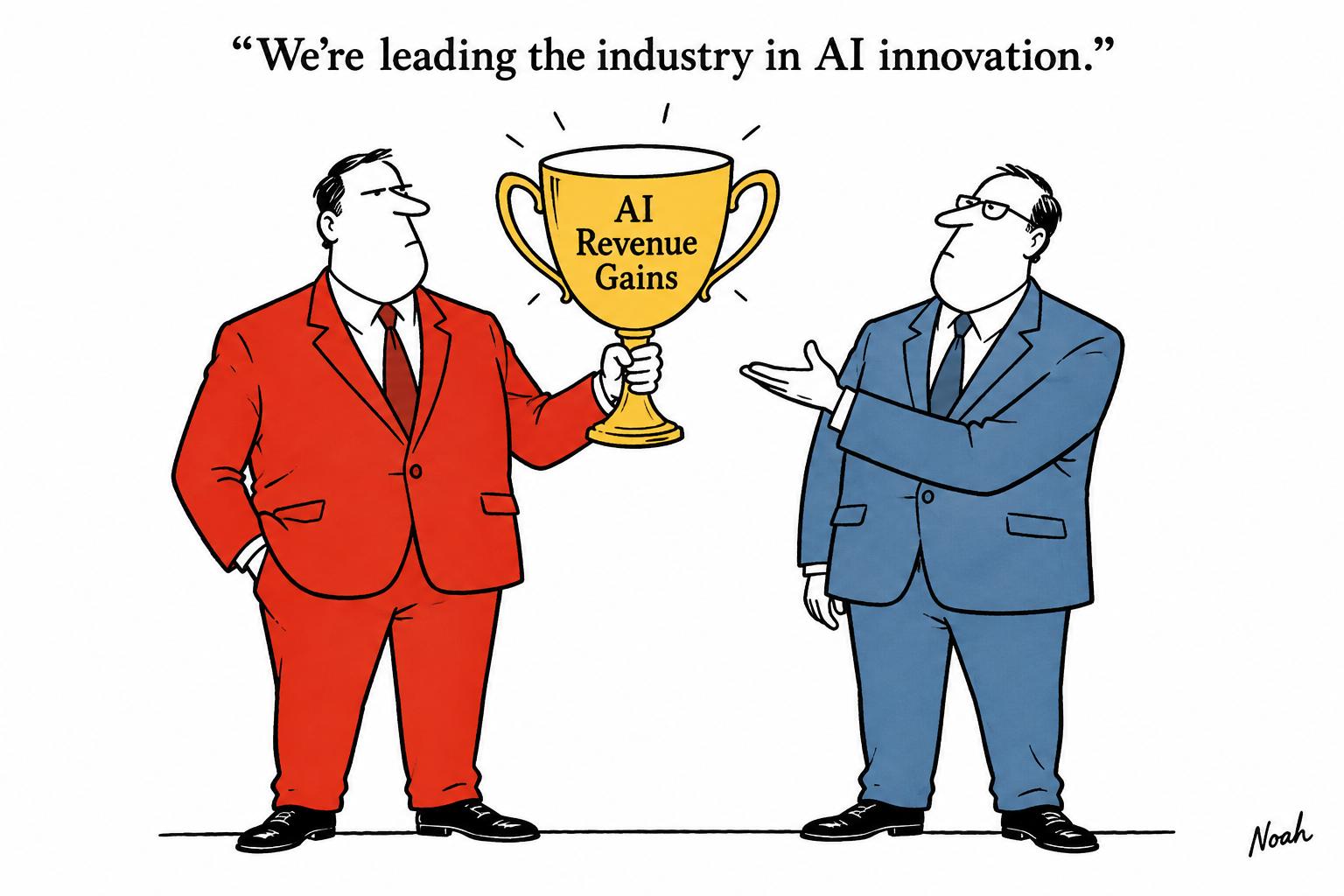
Four in five publishers describe their AI use as emerging or advanced, yet only 10% report revenue gains as the industry struggles to measure its impact.

AI is now widespread across publishing, but new industry research shows most organisations are still unable to measure its impact or convert efficiency gains into revenue.

SPUR now has more than 80 members, including The Economist and The Observer. Its AI usage standard could strengthen licensing if publishers can verify what happens after their journalism leaves the server.

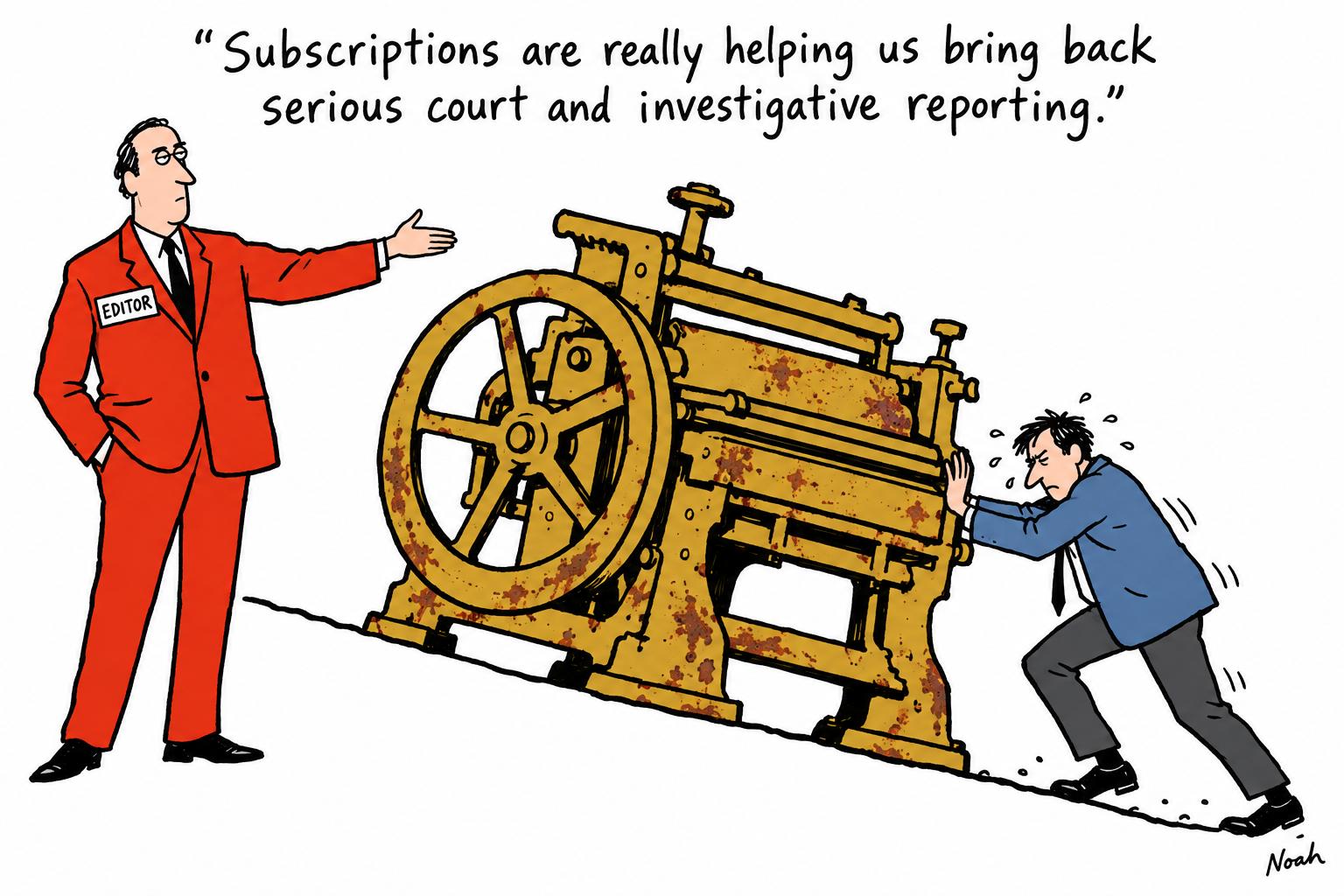
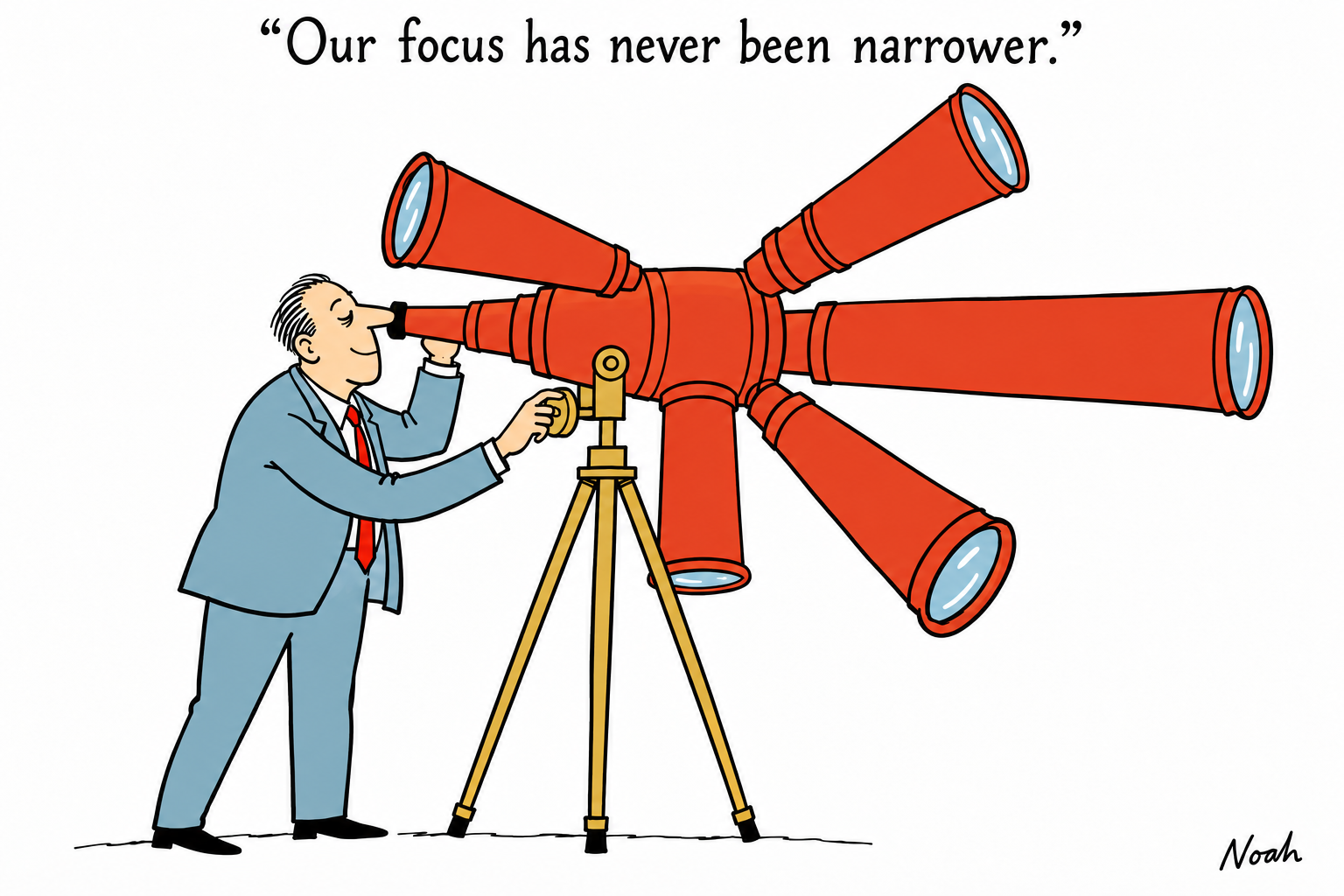
Reach says its push for more than 50,000 paying digital subscribers is changing newsroom priorities, with court reporting, investigations and distinctive local coverage gaining ground over page-view chasing.

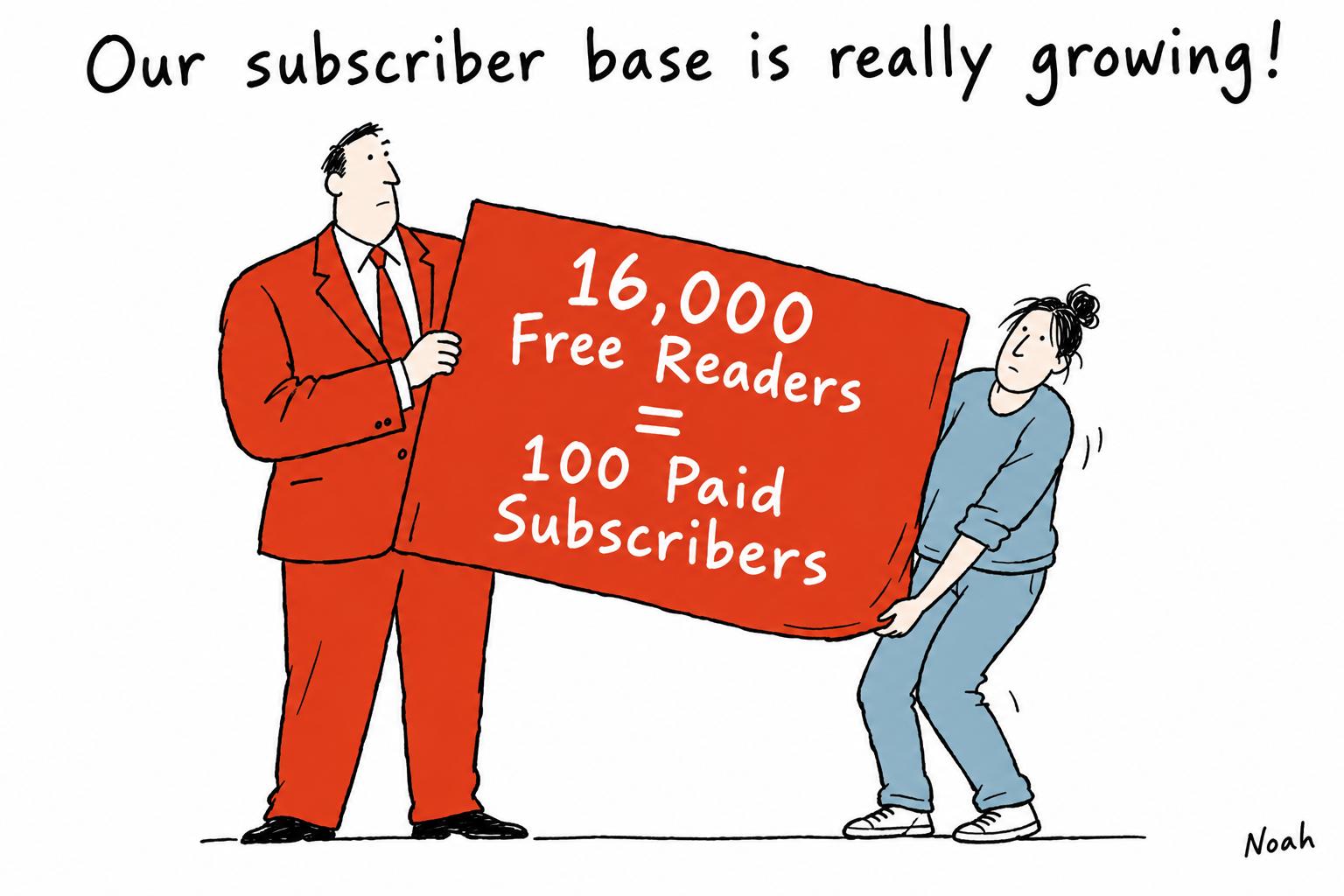
Beehiiv’s 2026 benchmark suggests creators need roughly 16,000 free readers to reach 100 paid subscribers, with niche, pricing and retention shaping the narrow path to profitability.

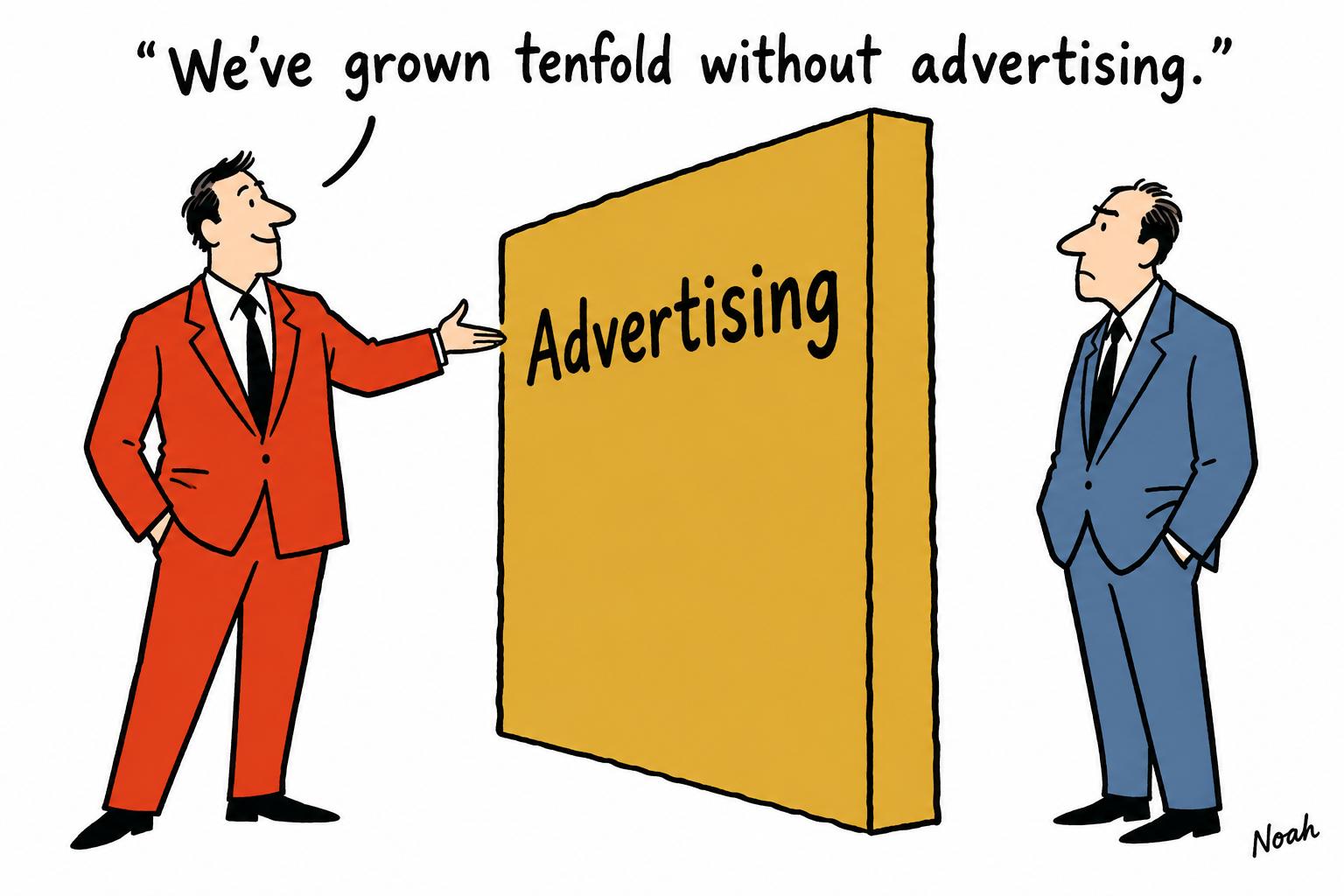
The technology title has expanded its editorial team by two-thirds in a decade by building revenue around audience data and lead generation rather than advertising or paywalls.

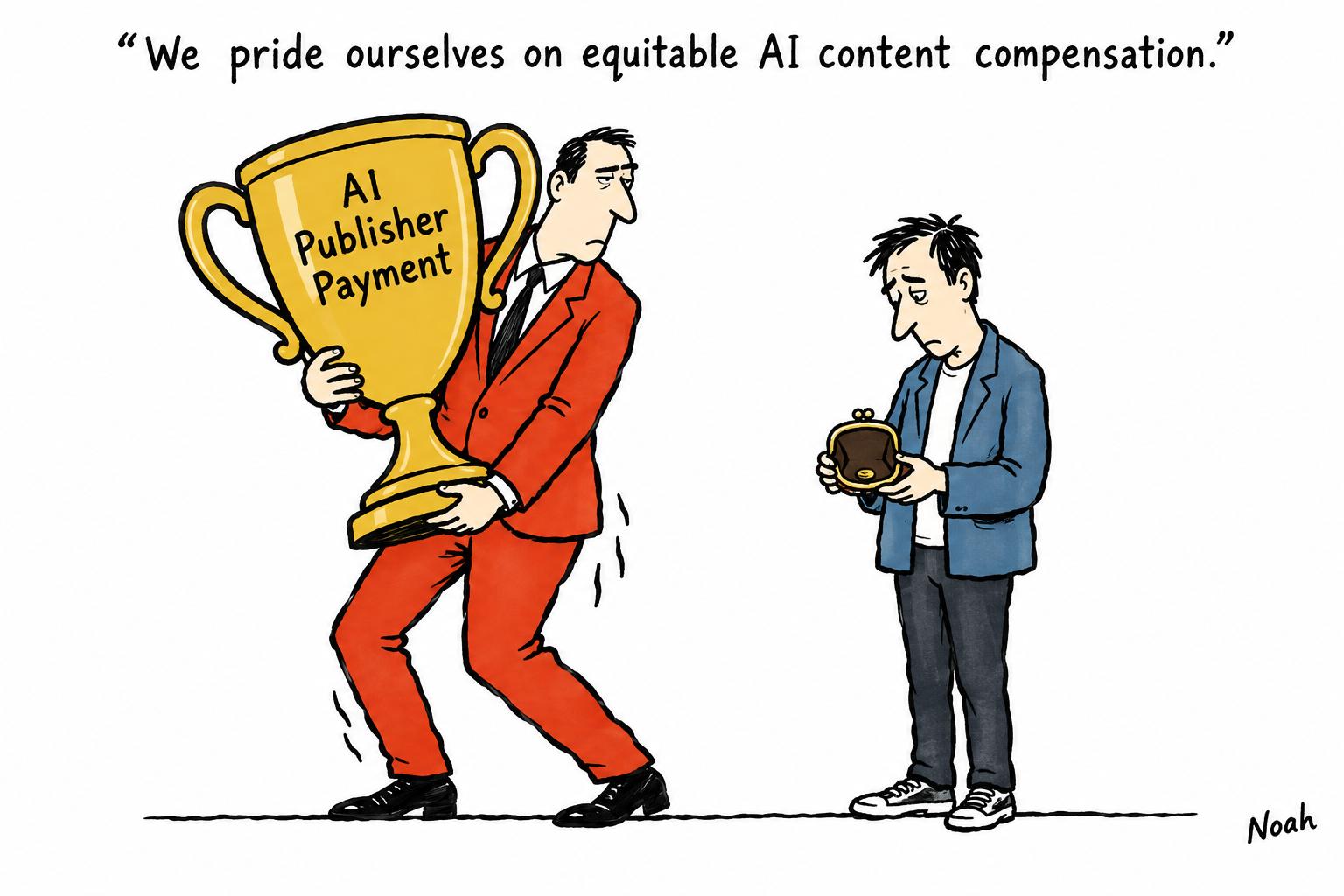
Google is paying about 100 publishers whose work informs its AI answers, but opaque calculations and sharply uneven payouts are fuelling concern over the value of their content.

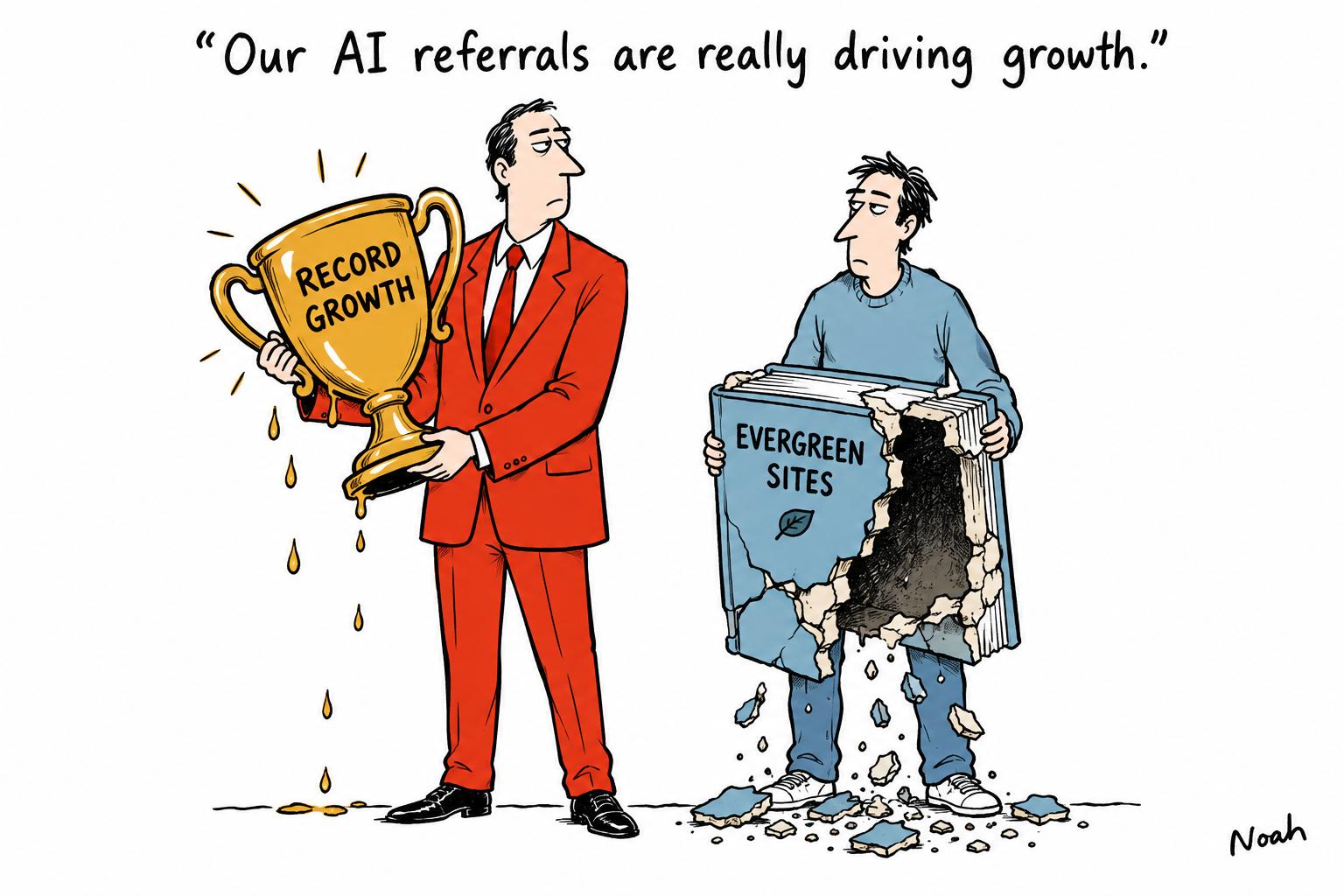
Mongabay says chatbot and Google Discover referrals are driving record growth for its news operation, while AI-generated summaries have devastated traffic to its long-running environmental reference sites.

An Iranian-linked operation used ChatGPT to generate about 100 opinion pieces under invented identities, exposing how easily AI-generated influence campaigns can exploit smaller publishers and community platforms.

The Daily Mirror owner remains on track to meet full-year expectations despite a 14.1% third-quarter revenue fall, as search disruption hits digital traffic and restructuring helps protect profits.

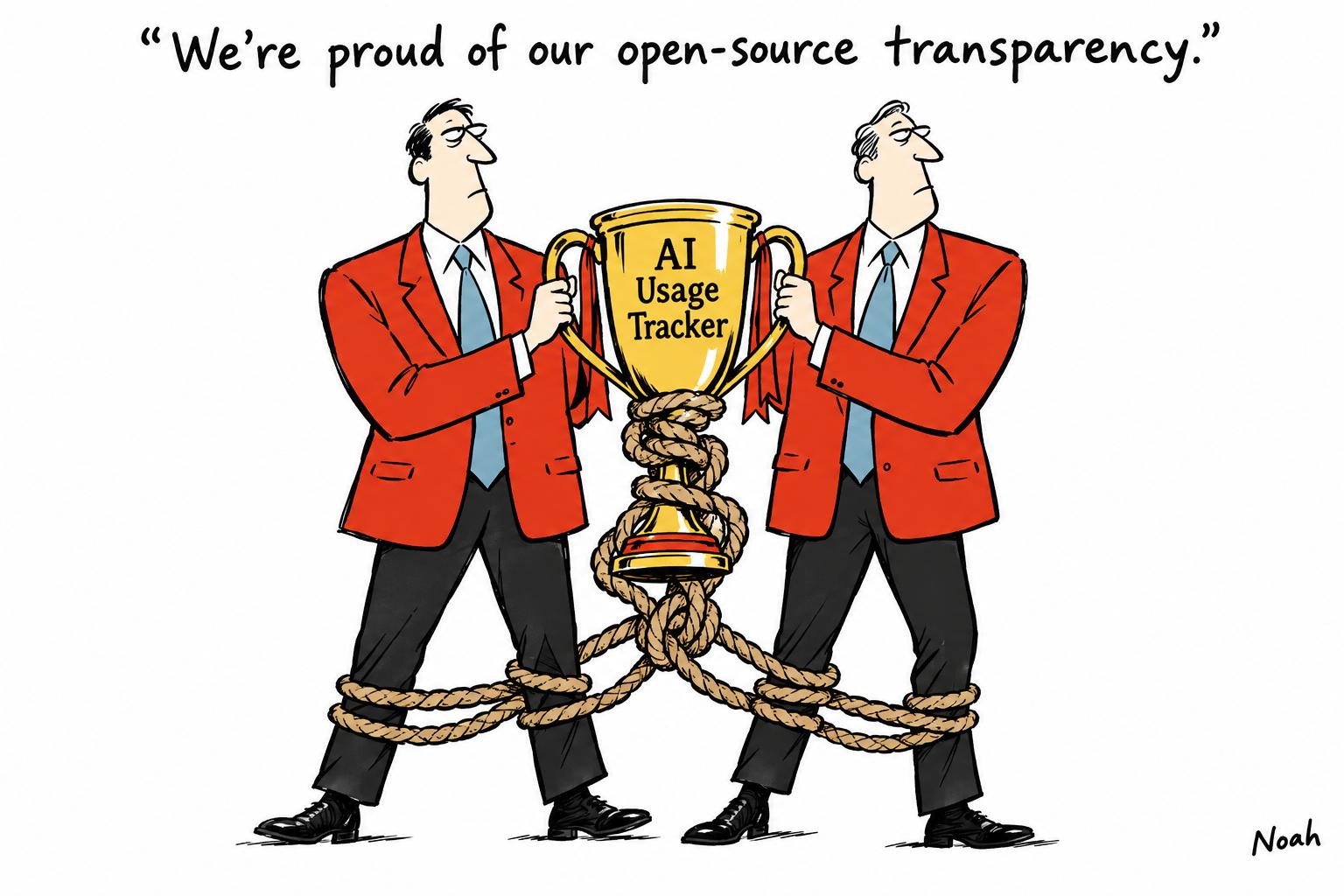
The New York Times, Agence France-Presse and The Economist have joined SPUR, which has launched an open-source standard to track how AI systems retrieve and use journalism.

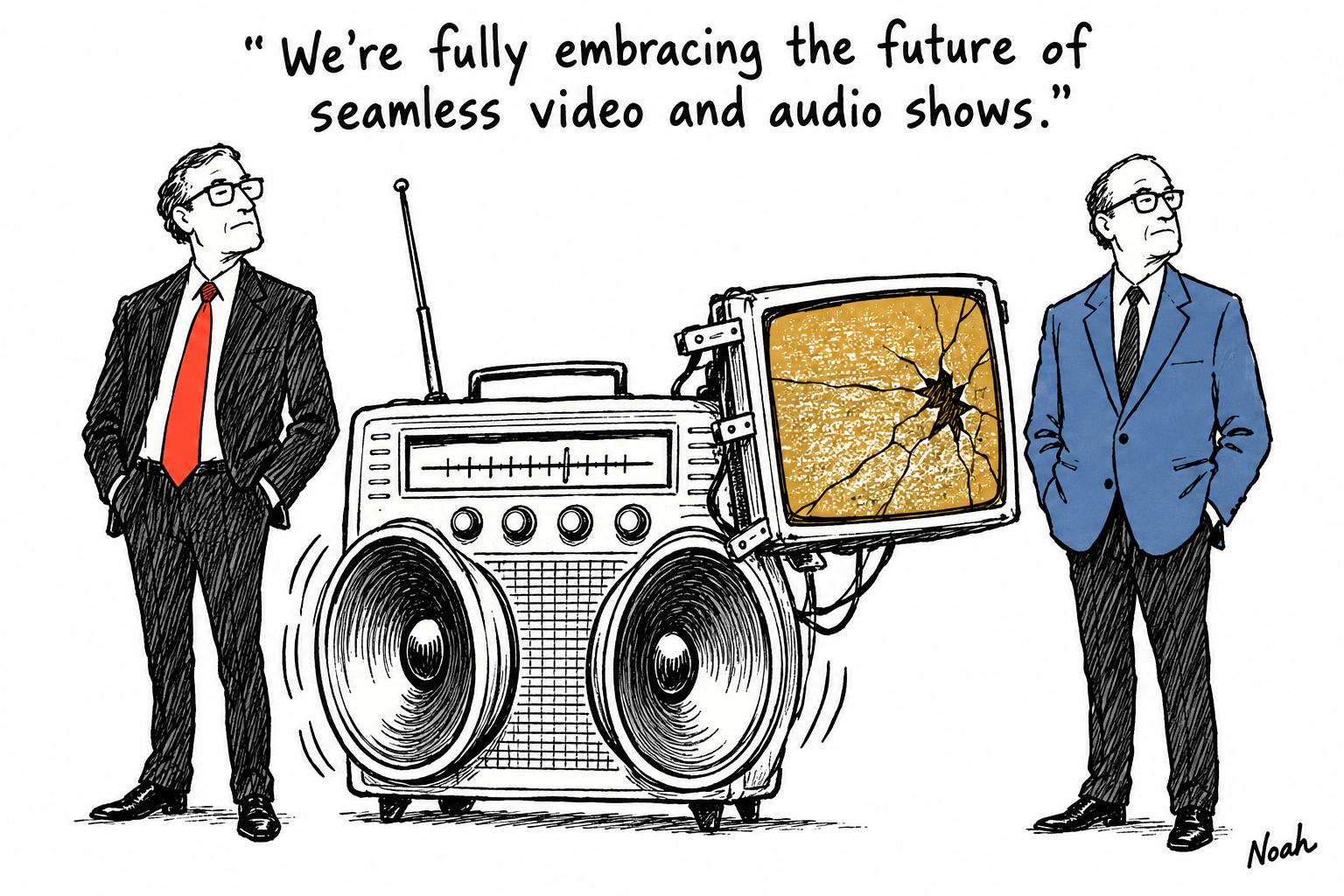
The publisher is merging its audio and video operations and giving programmes broader teams as it adapts to audiences consuming shows across platforms.

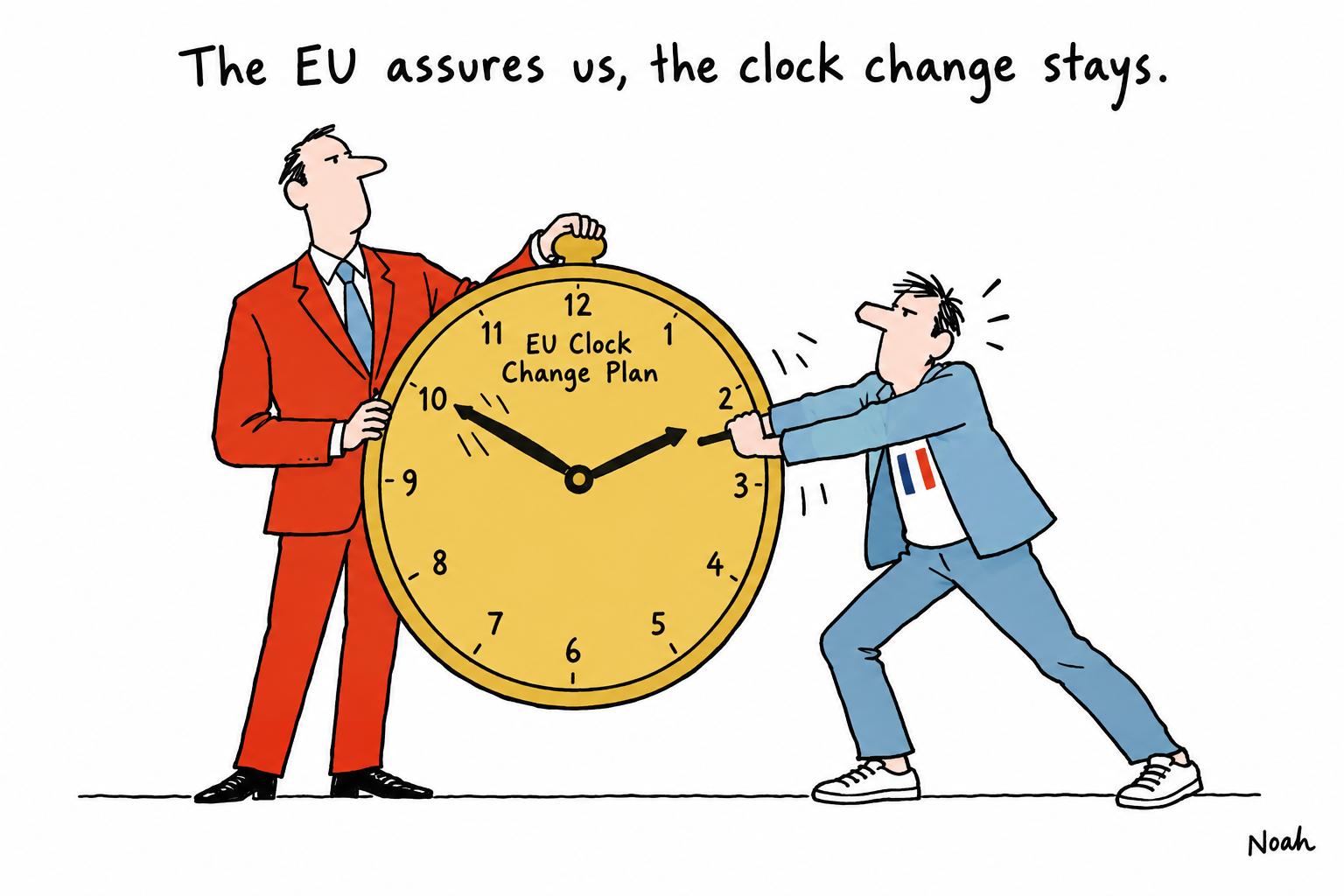
France and the rest of the European Union will gain an hour in bed on 25 October 2026, as the long-debated plan to end seasonal clock changes remains stalled.

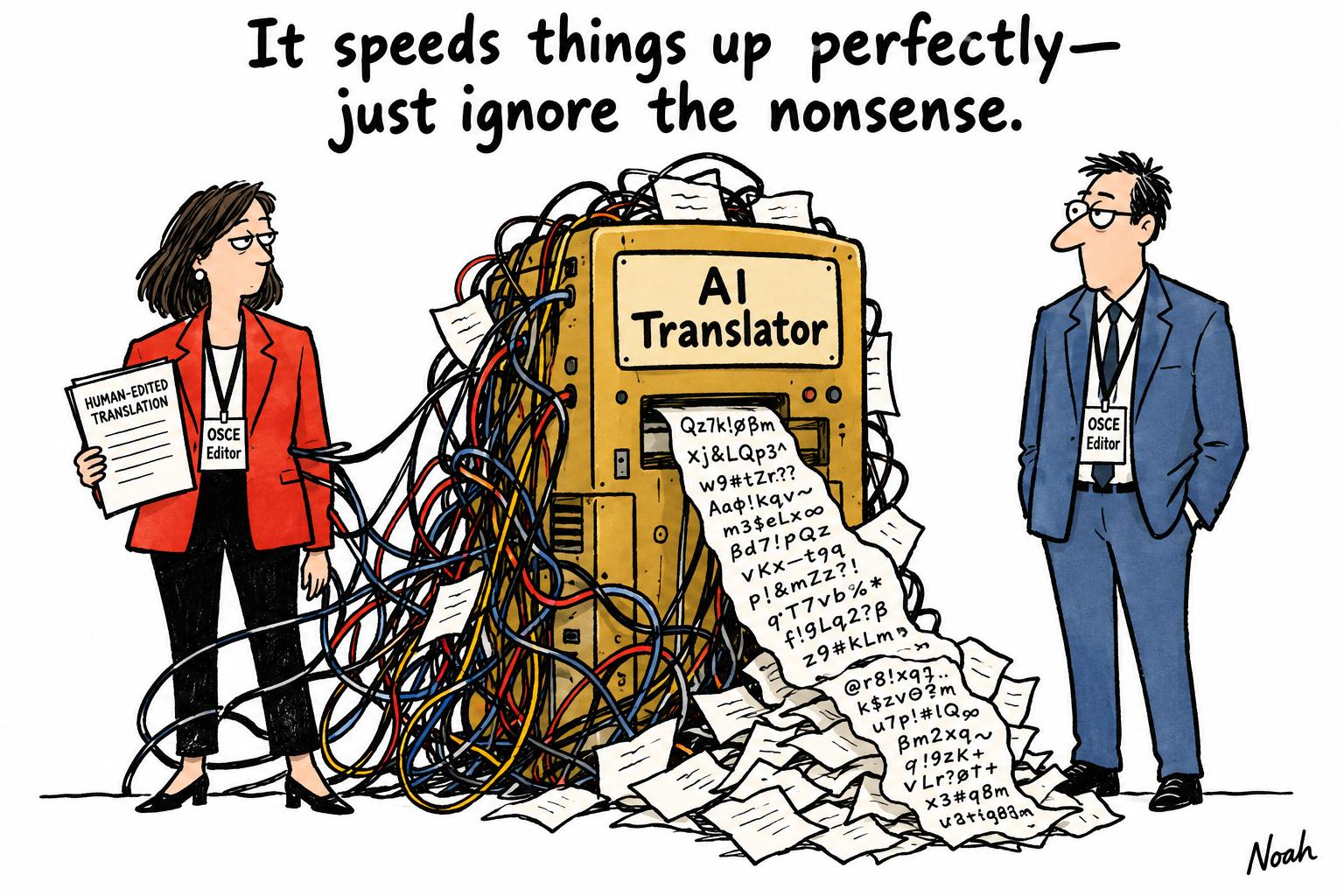
Editors at an OSCE conference in Bishkek said AI is speeding up translation, transcription and monitoring, but warned that human judgement remains essential as errors and language gaps threaten trust.

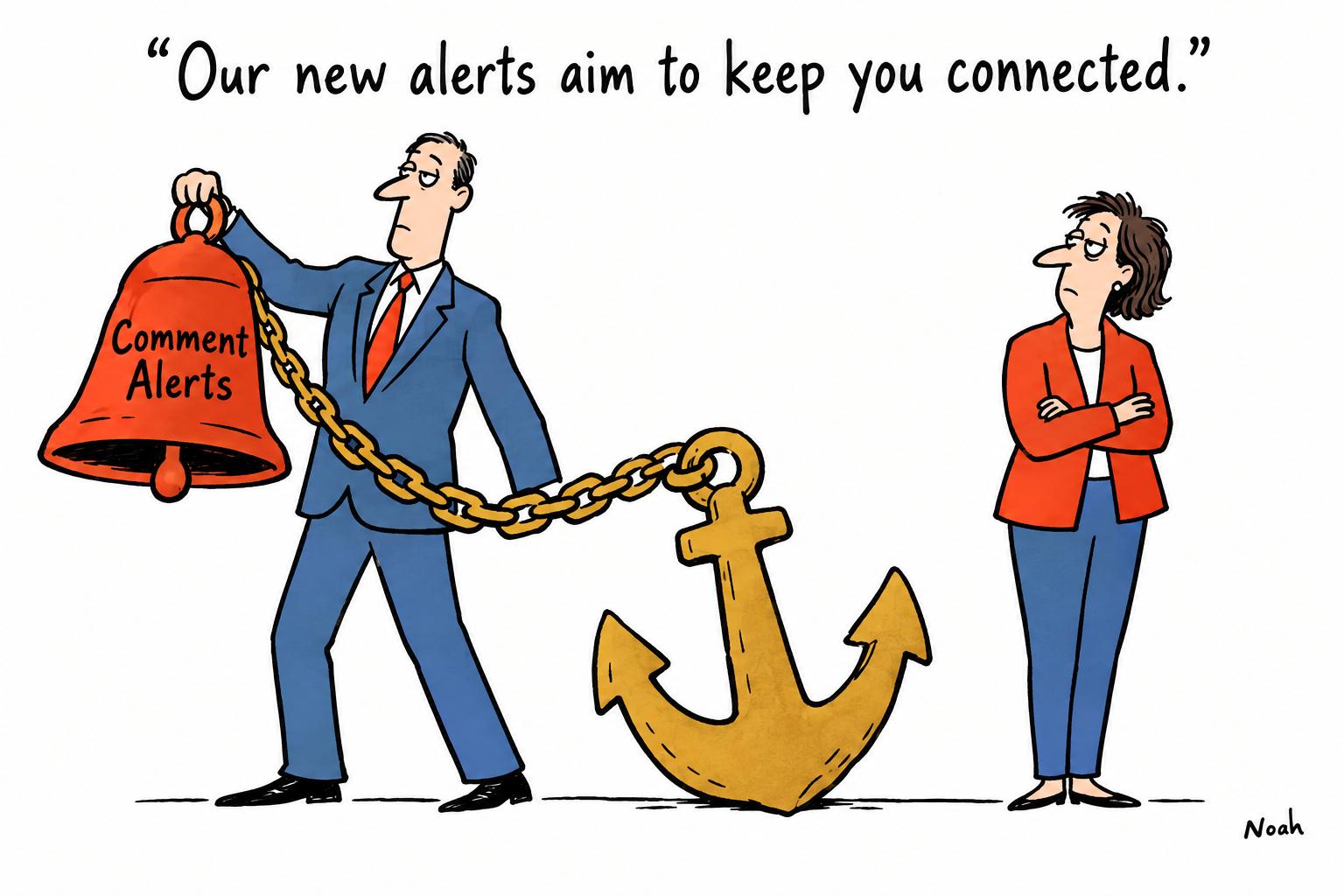
The Globe and Mail’s new comment notifications aim to bring readers back to its app, but their commercial value will depend on whether they improve retention without increasing churn or moderation costs.

European law still permits businesses to process personal data without consent in defined circumstances, but enforcement and court rulings are sharply narrowing legitimate interest as a basis for behavioural advertising and cross-site profi

With search and social platforms sending fewer readers to their sites, publishers are testing registration barriers to build identifiable audiences, strengthen advertising yields and create a direct relationship with users.

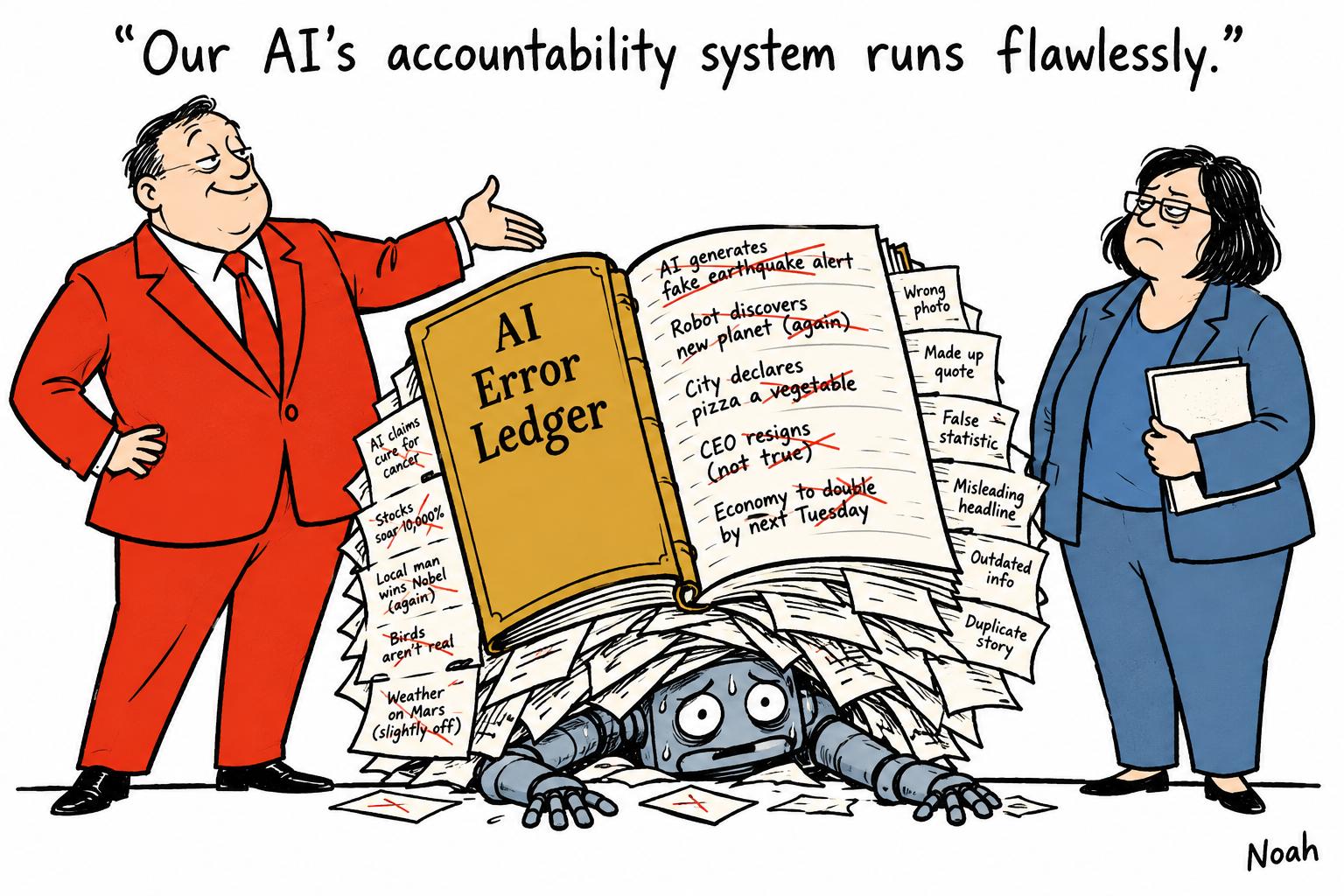
Forkast News says nine AI agents now help produce up to 17 pieces a day, but its operating record shows that credibility depends on rigorous checks, human oversight and openly documented mistakes.

The Swedish newspaper is creating virtual reader groups from 60 in-depth interviews, giving editorial and product teams a new way to test ideas and explore audience perspectives.

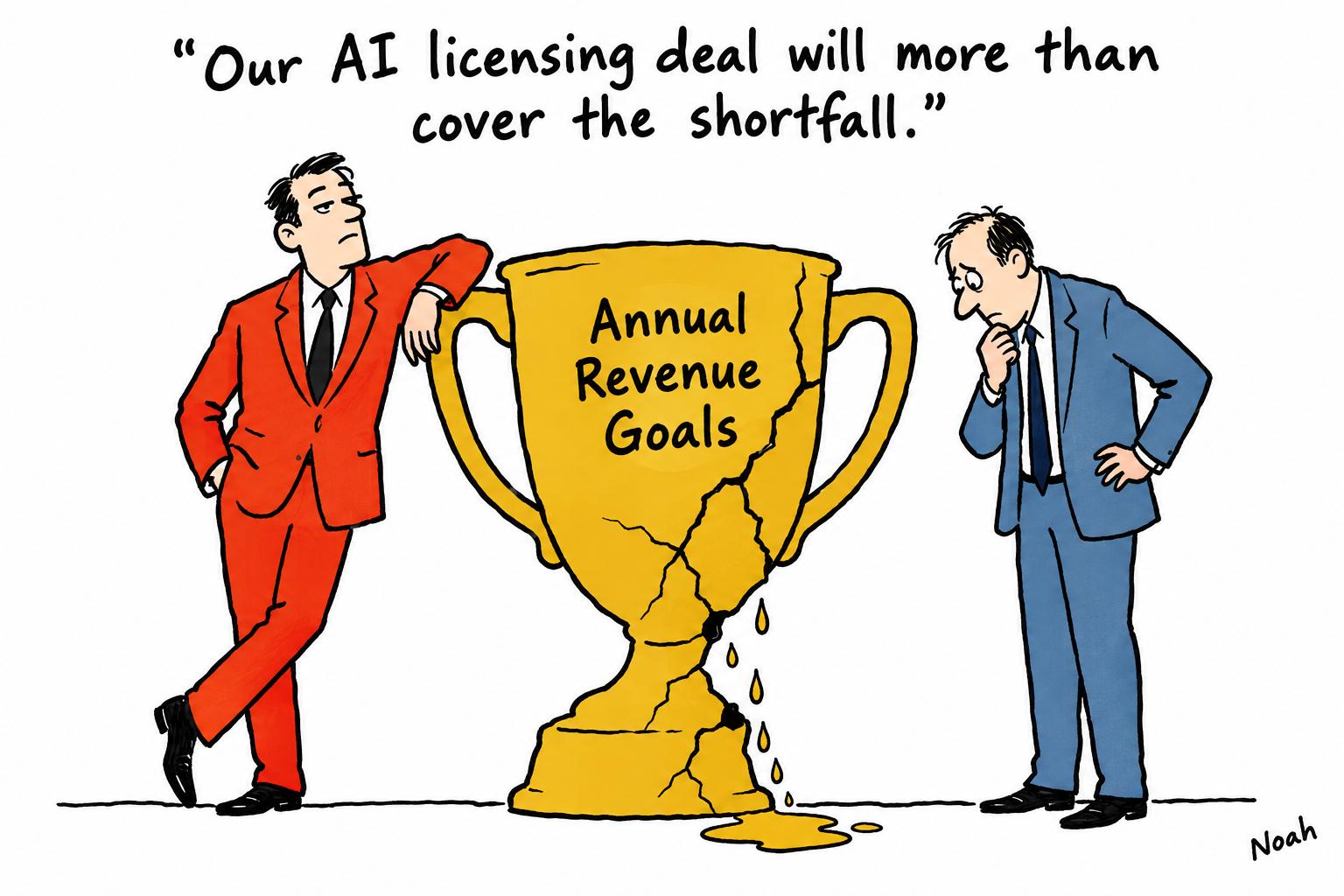
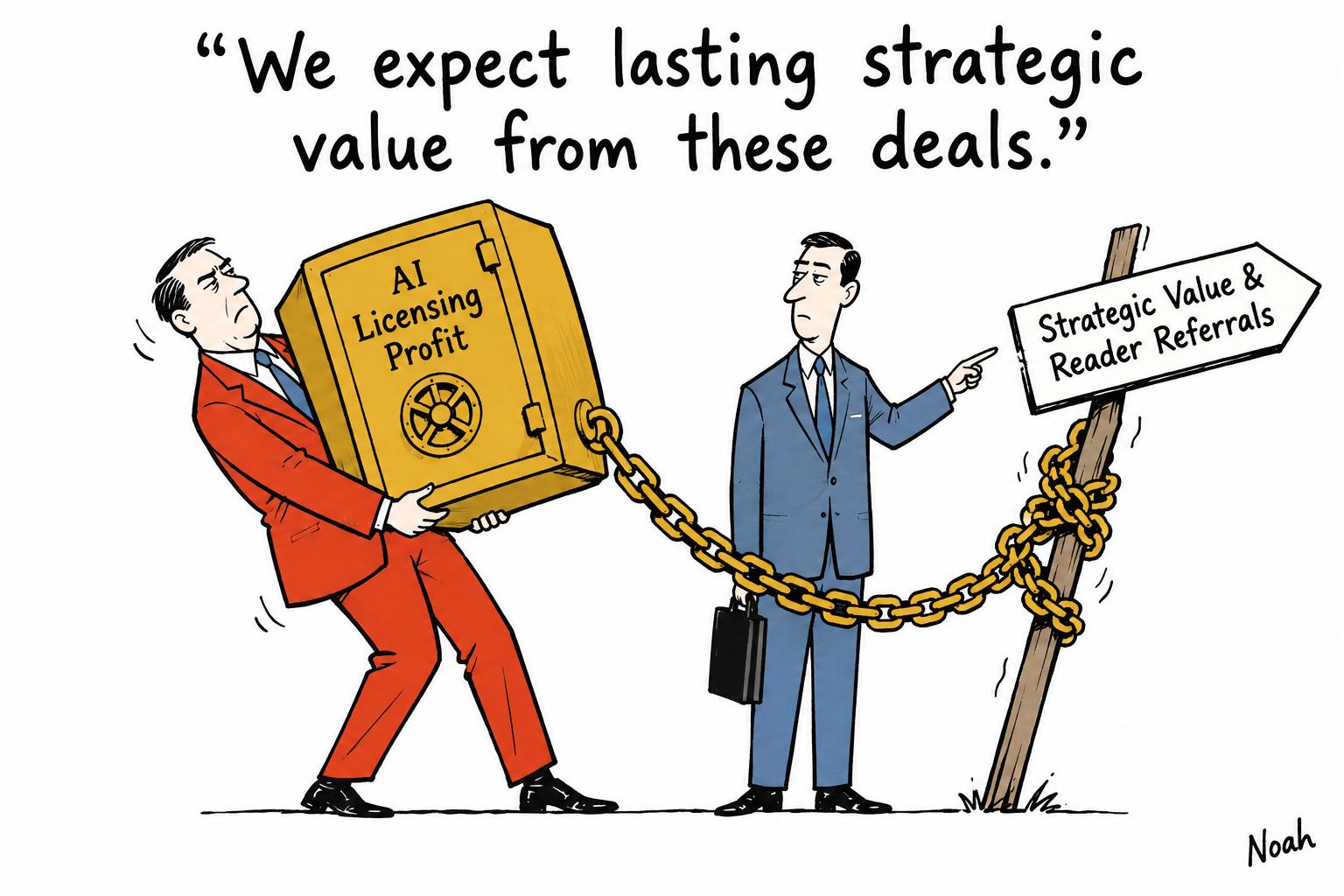
The New York Times says AI licensing deals must offer lasting strategic value, reader referrals and firm controls over how its journalism is used.

Digital revenue fell 20.3% in the third quarter. Reach is right to pursue paying readers, but its latest cuts expose the hardest part of the transition: preserving the reporting that makes a subscription worth renewing.

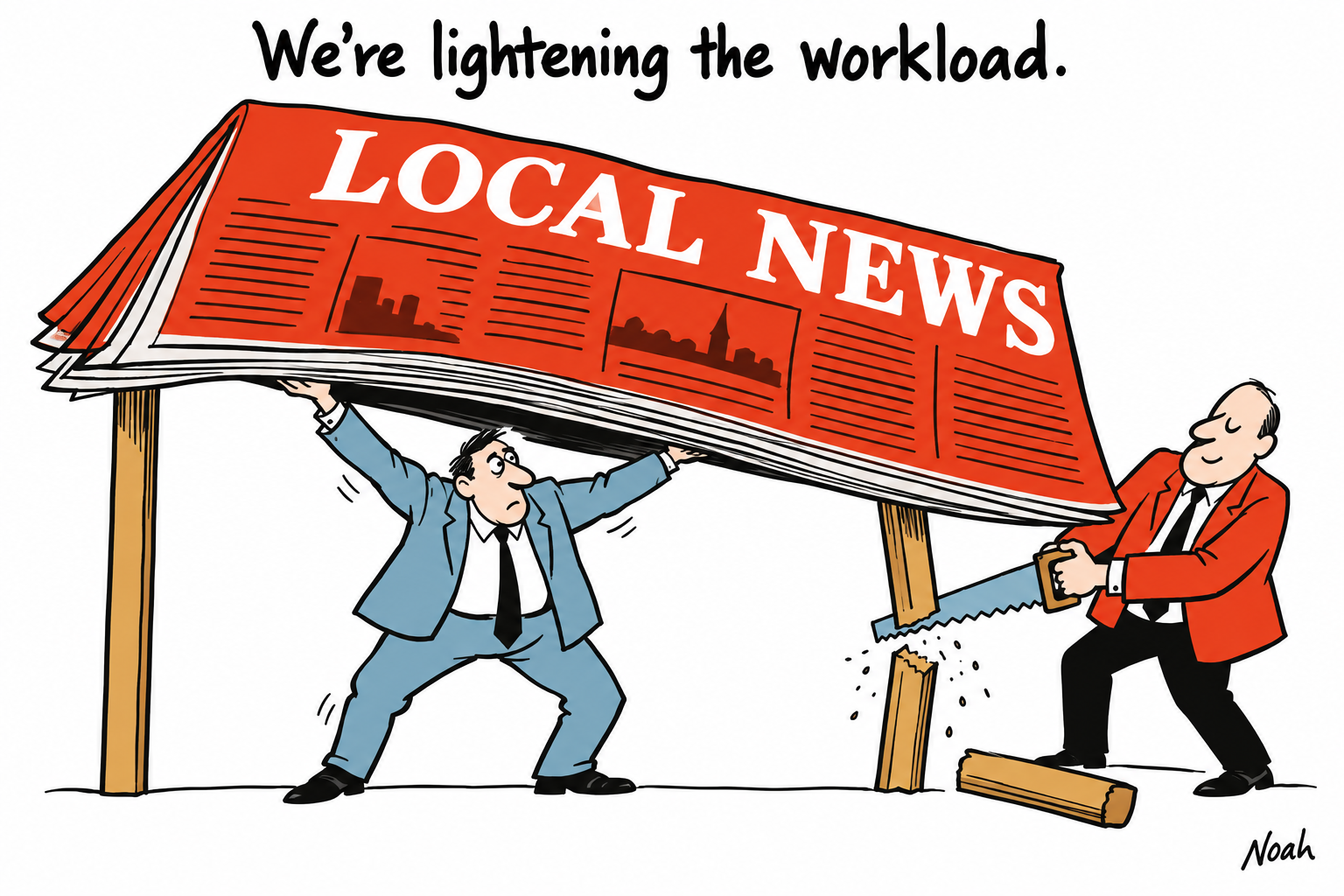
Lay-offs at The Fresno Bee, The Sacramento Bee and The Modesto Bee are fuelling fears that automation will replace the journalists who cover local communities.

The Daily Mirror and Daily Express publisher will shut KentLive, AberdeenLive and GalwayBeo while creating roles in subscriptions and video as it responds to falling traffic and advertising revenue.

Broker downgrades and sharply lower price targets have revived doubts over whether Future’s shift towards direct advertising can offset falling traffic, weaker programmatic income and AI-driven disruption.

Central bank decisions, inflation data, heavy earnings and quadruple witching combined to put investor positioning under unusual strain, with officials’ guidance emerging as the week’s main market driver.

A growing digital-suppression industry is exploiting copyright systems, platform rules and automated moderation to hide investigative reporting and silence journalists.

Publishers are moving beyond AI-powered efficiency to turn archives, reporting and editorial judgement into answer services, personalised alerts and lower-cost video products.

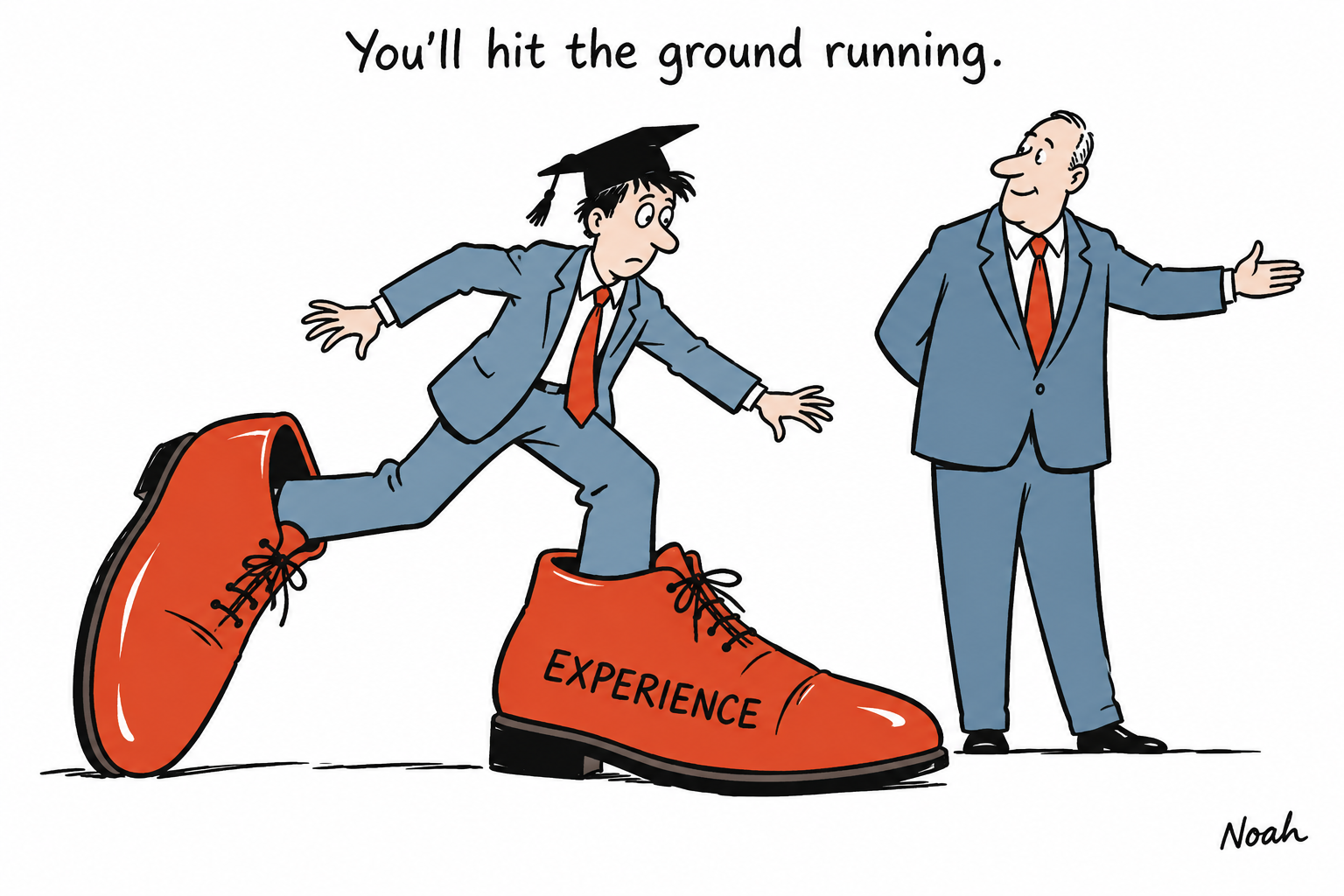
As AI takes over routine tasks, employers are hiring fewer beginners or expecting them to contribute at a higher level , raising concerns about how the next generation will gain the experience to know when technology is wrong.

The publisher has bought a portfolio of industrial, technical and security titles, with two Elsevier editorial staff transferring as it expands its MA Business division.

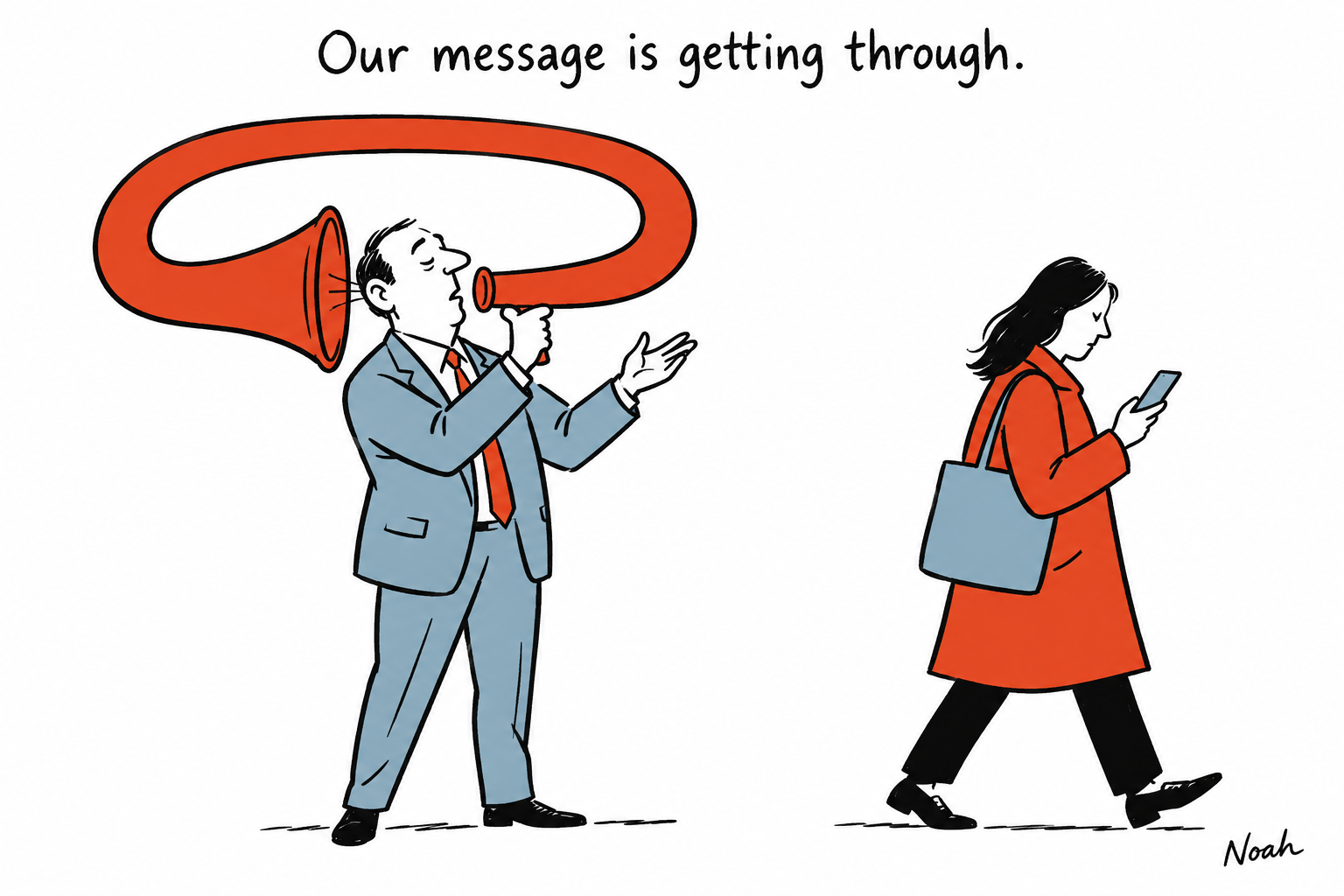
More than 1,000 news organisations are joining a global campaign to defend fact-based journalism as audiences increasingly turn to social media, influencers and AI for news.

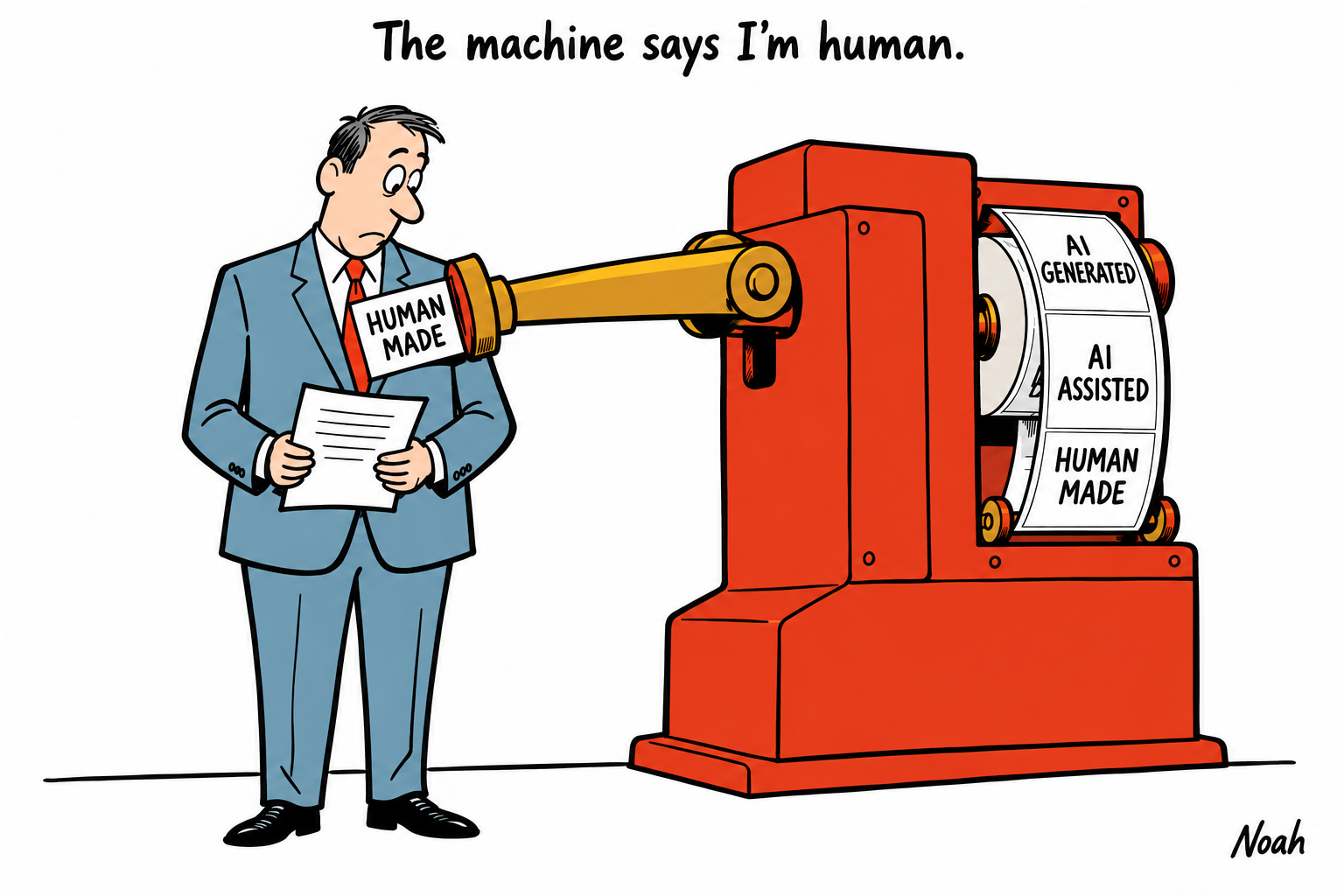
Press Gazette and Flip-Pay have launched Made by Humans, a content-management tool that classifies text, images, video and audio as AI generated, AI assisted or human made.

Publishers must focus on proving value, trust, and usefulness in an AI-saturated landscape Transition from advertising reliance towards subscriptions and circulation income Emphasis on audience segmentation, relevance, and experiences to st

21% of UK adults have used AI tools for news in the past year ChatGPT is the most widely used AI news source at 13% Trust in AI-generated news remains lower than human journalism One in five adults in the UK are now using AI tools such as C

The New York Post and TMZ collaborate on a new daily video franchise called “The Lowdown”. The series features four one-minute segments combining journalism and entertainment reporting. Aims to expand digital reach and capitalise on fast-pa

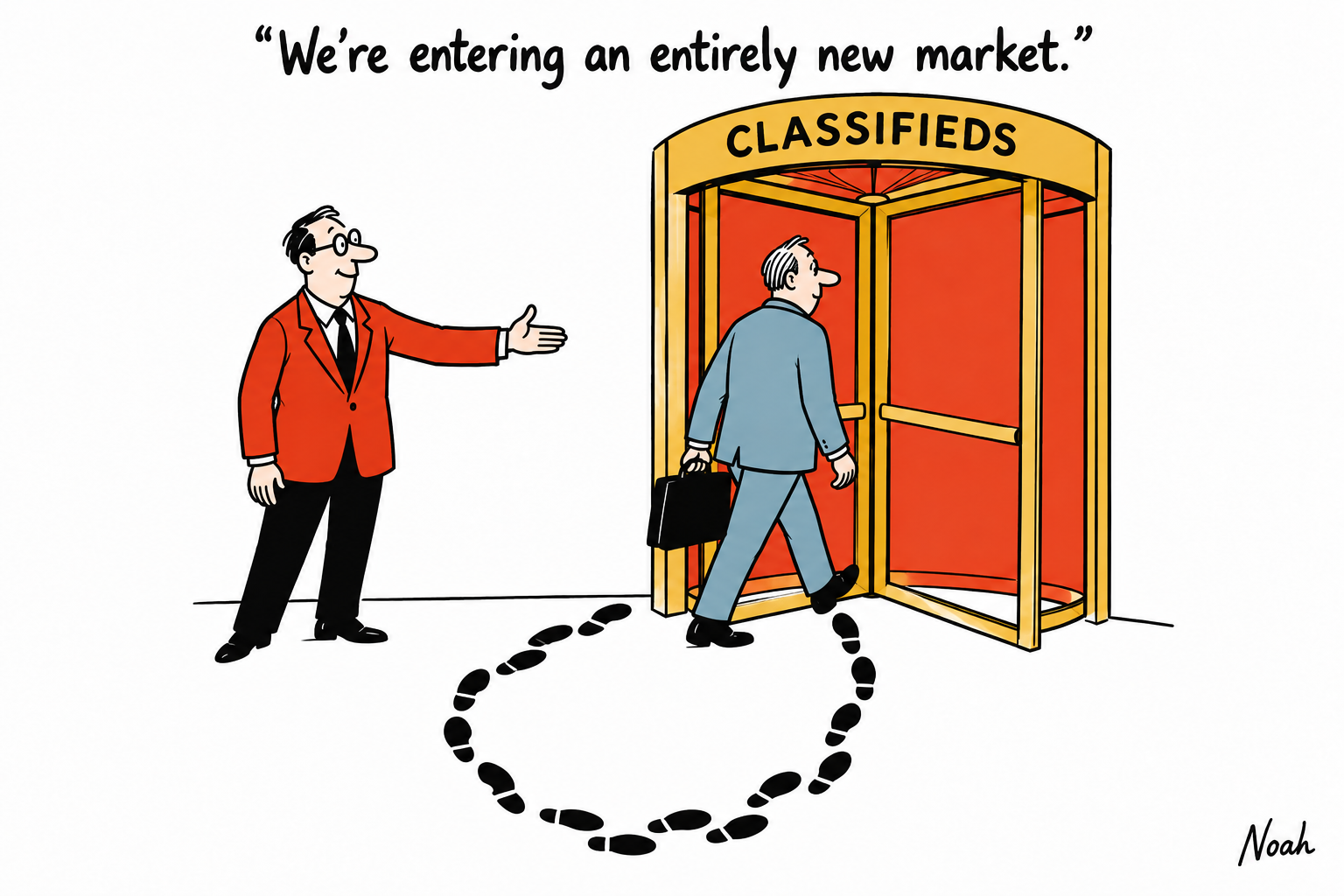
Three of Norway’s biggest media groups have moved to create a joint venture aimed at digital classifieds, in a sign that established publishers are still looking for a stronger position in a market dominated by FINN.no.
A weekly briefing for people shaping the future of publishing.
Free. Email requests are handled by our team.