Flourish tests find AI assistants can miss chart data and follow misleading figures
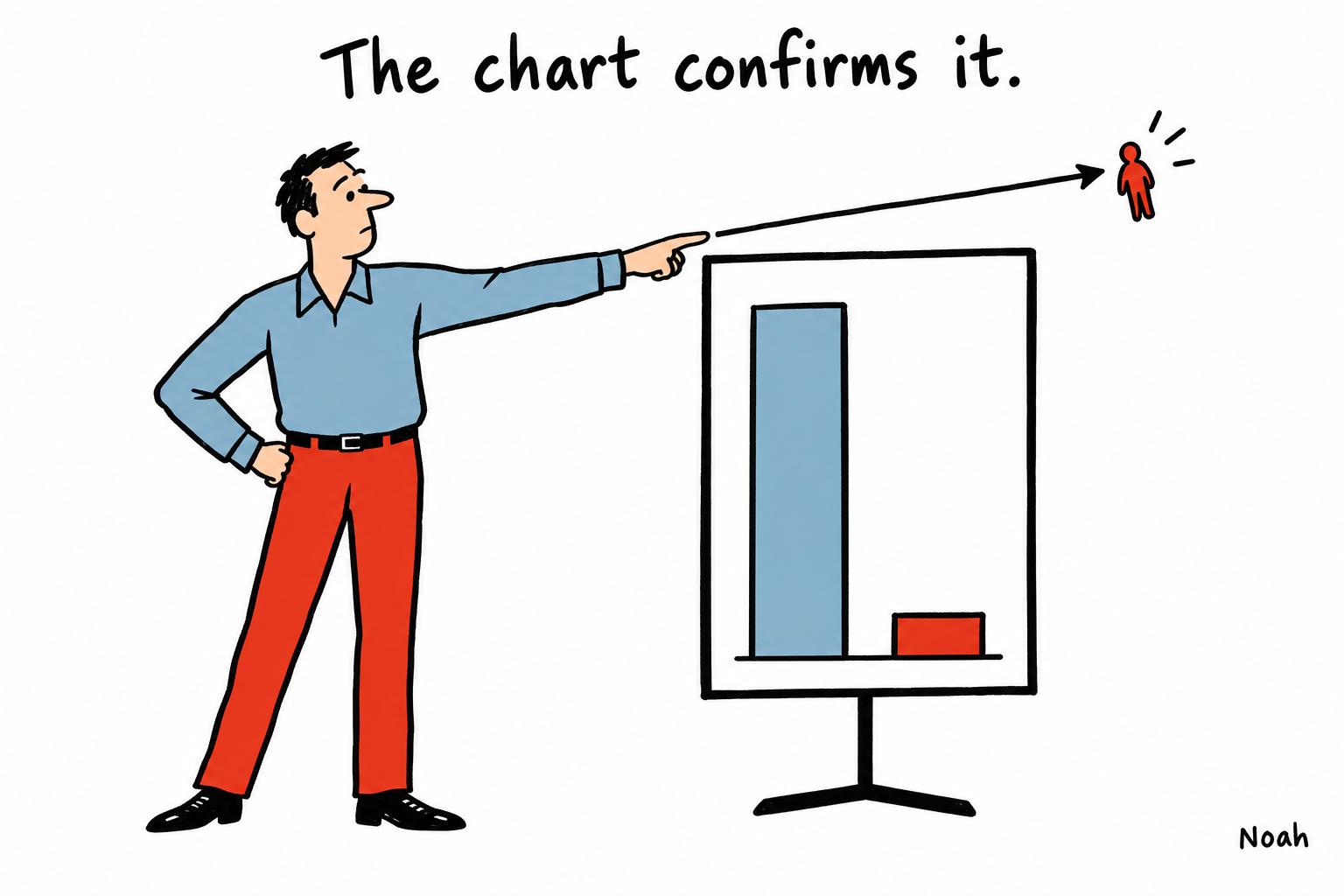
Cartoon · AI-generated
Tests by the visualisation company found seven AI tools sometimes reported decoy figures instead of data in interactive charts, prompting new options to make chart information machine-readable.
Flourish says its tests found that AI assistants could overlook interactive charts embedded on web pages, sometimes relying instead on misleading figures placed in the page’s initial HTML. The company tested seven tools, ChatGPT, Claude, Gemini, Perplexity, Copilot, Meta AI and Grok, using a page where the HTML figures differed from the chart’s data. According to Flourish, the tools failed to report the chart accurately, with some returning the decoy numbers.
The problem, Flourish argues, is that interactive visualisations are often drawn by JavaScript after a page loads, while many AI readers work from the initial HTML rather than rendering the page as a browser does. That distinction matters: Google documents that its Search systems can execute JavaScript, but this does not establish that AI assistants or other crawlers process pages in the same way. Google also says structured data such as JSON-LD can help its systems understand page content and support eligible enhanced search results; that is separate from whether a particular AI service can access a chart’s underlying figures.
Flourish’s first remedy is a hidden link in eligible chart embed code, pointing to a public, machine-readable file containing the visualisation’s data and settings. An AI tool that reads the page and follows the link can retrieve that information, while Flourish’s embed script hides the link when the chart loads for a normal visitor. The company says the option is enabled for new embeds on Free and Presenter accounts; administrators on Publisher and Enterprise accounts can switch it on in their settings.
A second approach places a description and a straightforward HTML table of the chart’s data directly in the surrounding page. This is intended for systems that read the page once and do not follow links to retrieve more information. Flourish recommends starting with the embed link, then adding rendered page content if wider visibility in AI search is a priority. Its developer guidance says existing embeds may need to be replaced or updated in a content-management template before the new fallback appears.
The fallback is not available in every setup. Flourish’s support and developer materials say password-protected visualisations do not include it, and charts created with the Flourish Live API lack the same published data file. In those cases, the company recommends putting the chart’s content into the page itself. Its documentation also lists other exclusions, including some embed formats, so publishers may need to check their implementation rather than assume every chart receives the feature automatically.
AI access to websites also involves different crawlers with different purposes. OpenAI, for example, distinguishes OAI-SearchBot, which helps surface sites in ChatGPT search, from GPTBot, which may collect material for model improvement; site owners can manage these uses separately through robots.txt. Flourish has reported substantial activity from AI-related crawlers on its hosted charts, but crawler visits alone do not show whether a system can interpret a visualisation correctly. The company’s test highlights why providing chart data in a readable form may matter, while its findings remain its own rather than an independent assessment of every AI service.
Inspired by headline at: [1]
Sources by paragraph: - Paragraph 1: [2] - Paragraph 2: [2], [5], [7] - Paragraph 3: [2], [3], [4] - Paragraph 4: [2], [4] - Paragraph 5: [3], [4] - Paragraph 6: [2], [6]
Source: Noah Wire Services · Original