
 3:51 pm - September 15, 2026


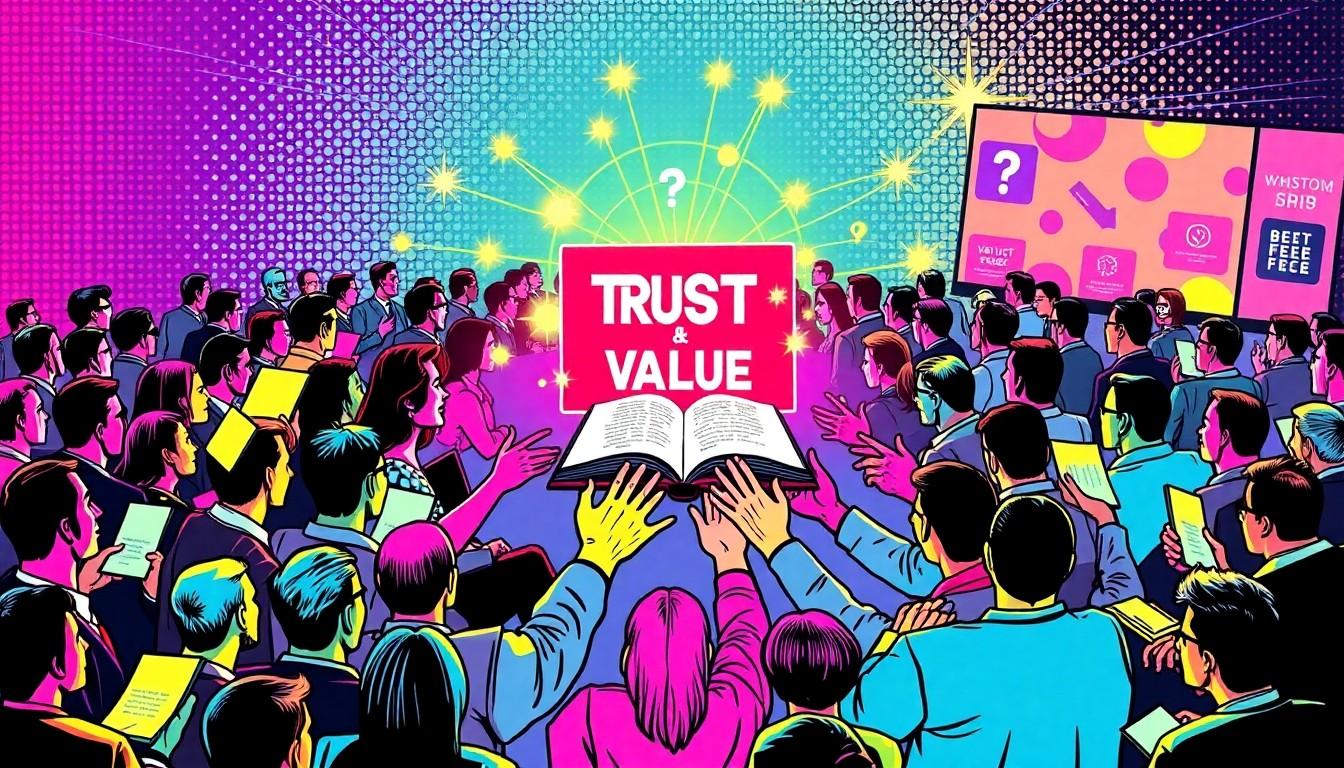
- Publishers must focus on proving value, trust, and usefulness in an AI-saturated landscape
- Transition from advertising reliance towards subscriptions and circulation income
- Emphasis on audience segmentation, relevance, and experiences to strengthen brand loyalty
At the Indian Printers Summit 2026, organised by WAN-IFRA, speakers returned repeatedly to a single point: in an age of plentiful AI-generated information, publishers will stand out less by producing volume than by proving value, trust and usefulness to audiences.
That message was set out in the opening keynote by Ashwin Padmanabhan, chief operating officer of WPP Media South Asia, formerly GroupM, who said the publishing business must adapt to a landscape in which credibility has become a commercial asset. The challenge, he argued, is not simply to add more stories to the pile, but to make journalism more valuable to the people it serves.
The same thinking shaped the summit’s CEO roundtable, where leaders from Sambad Group, Sakal Media Group and WPP Media South Asia discussed how publishers can better understand their readers and convert that knowledge into income. Monica Nayyar Patnaik, director of Eastern Media Ltd and Sambad Group, described audience data as central to monetisation, while Uday Jadhav, chief executive of Sakal Media Group and director of AP Globale, argued that Indian publishers still rely too heavily on advertising. He said the sector needs to shift towards a model in which subscriptions and circulation account for the majority of income.
The parallel sessions on advertising, distribution and printing showed how that strategic debate is beginning to affect day-to-day operations. Devika Shreyamskumar, director of operations at Mathrubhumi, spoke about moving beyond broad demographic categories and instead segmenting audiences by interest. Ashok Sharma, head of revenue, business strategy and planning at Amar Ujala, said advertisers increasingly want campaigns built around relevance, action and measurable return on investment.
On the production side, Debarshi Ray, technical director of The Times of India Group, set out a pragmatic case for artificial intelligence and Industry 5.0. His view was that publishers should begin with a clearly defined business problem, rather than technology for its own sake. He said manufacturers and media groups alike already have abundant machine data, but the harder task is turning that information into decisions, and then ensuring the underlying processes and data quality are strong enough to support automation.
For consumer sales and distribution, Deepak Bhatt, assistant vice-president for sales and distribution at India Today, identified five factors shaping purchasing decisions: value, reviews, trust, convenience and aspiration. He said the last of these matters particularly in Tier 2 and Tier 3 cities, where readers increasingly expect the same access and pricing standards as those in larger metros.
The summit closed with a keynote from Rajeev Jalnapurkar, former chief executive of Ramoji Film City, who highlighted the growing role of experiences in media and entertainment. For publishers, that points to opportunities beyond the printed page, with stronger brand relationships built through direct engagement, events and other forms of audience connection.
Source: Noah Wire Services
- https://wan-ifra.org/2026/09/whats-changing-in-print-takeaways-from-indian-printers-summit-2026/ – Please view link – unable to able to access data
- https://wan-ifra.org/2026/09/monetise-the-relationship-not-the-pageview-rethinking-news-publishing-in-the-ai-era/ – In an AI-driven world, information is abundant, but trust in its authenticity is crucial. Ashwin Padmanabhan, COO of WPP Media South Asia, emphasised that the future of news publishing lies not in producing more content but in delivering greater value to audiences. Publishers must focus on building trust and demonstrating the credibility of their journalism to maintain audience confidence.
- https://wan-ifra.org/2026/09/monetise-the-relationship-not-the-pageview-rethinking-news-publishing-in-the-ai-era/?lang=de – In einer von KI geprägten Welt ist Information reichlich vorhanden, aber Vertrauen in ihre Authentizität ist entscheidend. Ashwin Padmanabhan, COO von WPP Media South Asia, betonte, dass die Zukunft des Nachrichtenverlags nicht darin liegt, mehr Inhalte zu produzieren, sondern mehr Wert für das Publikum zu schaffen. Verleger müssen sich darauf konzentrieren, Vertrauen aufzubauen und die Glaubwürdigkeit ihres Journalismus zu demonstrieren, um das Vertrauen des Publikums zu erhalten.
- https://wan-ifra.org/2026/09/monetise-the-relationship-not-the-pageview-rethinking-news-publishing-in-the-ai-era/?lang=es – En un mundo impulsado por la IA, la información es abundante, pero la confianza en su autenticidad es crucial. Ashwin Padmanabhan, director de operaciones de WPP Media South Asia, enfatizó que el futuro de la publicación de noticias no radica en producir más contenido, sino en ofrecer un mayor valor a las audiencias. Los editores deben centrarse en construir confianza y demostrar la credibilidad de su periodismo para mantener la confianza de la audiencia.
- https://wan-ifra.org/2026/09/monetise-the-relationship-not-the-pageview-rethinking-news-publishing-in-the-ai-era/?lang=fr – Dans un monde dominé par l’IA, l’information est abondante, mais la confiance dans son authenticité est cruciale. Ashwin Padmanabhan, directeur des opérations de WPP Media South Asia, a souligné que l’avenir de la publication de nouvelles ne réside pas dans la production de plus de contenu, mais dans la fourniture d’une plus grande valeur aux audiences. Les éditeurs doivent se concentrer sur la construction de la confiance et démontrer la crédibilité de leur journalisme pour maintenir la confiance du public.
- https://wan-ifra.org/2026/09/monetise-the-relationship-not-the-pageview-rethinking-news-publishing-in-the-ai-era/?lang=it – In un mondo dominato dall’IA, le informazioni sono abbondanti, ma la fiducia nella loro autenticità è cruciale. Ashwin Padmanabhan, COO di WPP Media South Asia, ha sottolineato che il futuro della pubblicazione di notizie non risiede nella produzione di più contenuti, ma nel fornire un maggiore valore al pubblico. Gli editori devono concentrarsi sulla costruzione della fiducia e dimostrare la credibilità del loro giornalismo per mantenere la fiducia del pubblico.
- https://wan-ifra.org/2026/09/monetise-the-relationship-not-the-pageview-rethinking-news-publishing-in-the-ai-era/?lang=pt – Em um mundo dominado pela IA, a informação é abundante, mas a confiança em sua autenticidade é crucial. Ashwin Padmanabhan, COO da WPP Media South Asia, enfatizou que o futuro da publicação de notícias não reside na produção de mais conteúdo, mas em fornecer mais valor ao público. Os editores devem se concentrar na construção de confiança e demonstrar a credibilidade do seu jornalismo para manter a confiança do público.
Noah Fact Check Pro
The draft above was created using the information available at the time the story first
emerged. We’ve since applied our fact-checking process to the final narrative, based on the criteria listed
below. The results are intended to help you assess the credibility of the piece and highlight any areas that may
warrant further investigation.
Freshness check
Score:
10
Notes:
The article was published on September 15, 2026, detailing events from the Indian Printers Summit held on September 9–10, 2026. No earlier versions of this specific content were found, indicating high freshness. The content does not appear to be recycled from other sources.
Quotes check
Score:
9
Notes:
Direct quotes from Ashwin Padmanabhan and other summit participants are included. These quotes are consistent with statements made in other reports from the summit, suggesting they are accurately attributed. However, without direct access to the original speeches or presentations, full verification of the quotes’ authenticity is not possible.
Source reliability
Score:
10
Notes:
The article is published by WAN-IFRA, a reputable organisation in the media industry. The information aligns with other reports from the summit, indicating reliability. No signs of fabrication or bias were detected.
Plausibility check
Score:
10
Notes:
The claims made in the article are plausible and consistent with known industry trends, such as the emphasis on trust and value in news publishing. The information is corroborated by other reputable sources covering the summit.
Overall assessment
Verdict (FAIL, OPEN, PASS): PASS
Confidence (LOW, MEDIUM, HIGH): HIGH
Summary:
The article provides a timely and accurate summary of the Indian Printers Summit 2026, with information corroborated by other reputable sources. While some quotes cannot be fully verified without access to the original speeches, the overall content is consistent and reliable.
Register for Editor’s picks