The engineers closing AI’s widening gap with its users
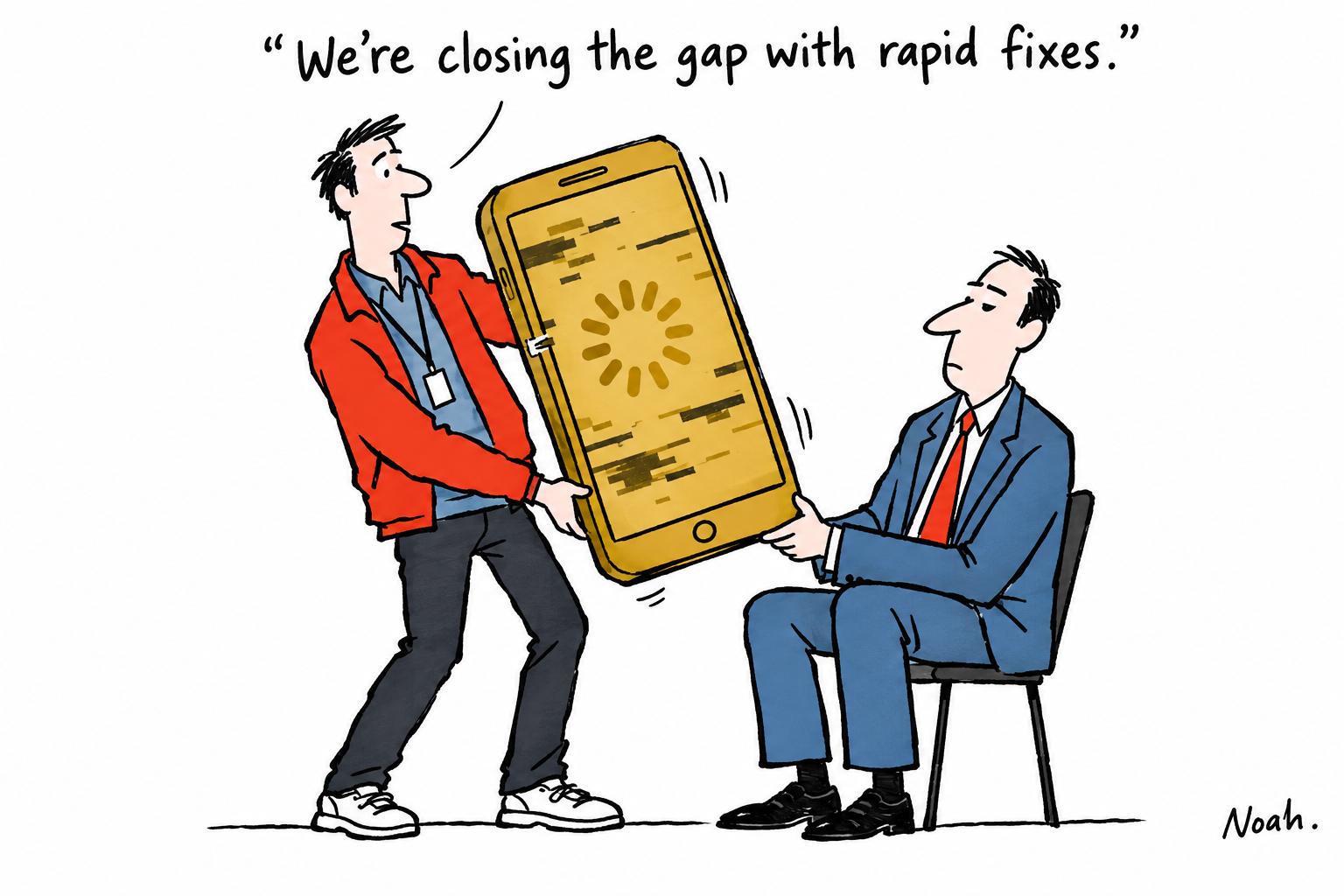
Cartoon · AI-generated
A fast-growing class of engineers is embedding itself with customers and colleagues to turn small frustrations into rapid product fixes.
The sudden appetite for forward-deployed engineers says as much about the state of modern software as it does about the companies hiring them. These are the engineers who work inside a customer’s environment, absorb complaints at close range and then build against what they hear. Recruiters and labour-market trackers say the role has expanded at remarkable speed: one analysis of public listings put median pay at about $202,000, while separate summaries of job-posting data suggest the category has multiplied many times over in just a few years.
That same idea of proximity sits at the heart of the newsroom experiment described in the lead essay. The writer built an AI tool for turning articles into graphics and, without the badge of the formal role, effectively worked as a forward-deployed engineer for colleagues across the business. When an editor spotted that the system was formatting Indonesian currency in an unfamiliar way, the problem was not dramatic enough to trigger any formal emergency process, but it was still the sort of friction that makes users feel ignored. The fix came quietly that evening, and the next day the newsroom was already using the tool again.
The episode helps explain why the title has become such a coveted one in AI. According to hiring guides and labour-market reports, forward-deployed engineers are expected to straddle product, support, implementation and consultative work, often spending much of their time with customers rather than at a desk far away from them. One guide said the role grew by 800 per cent year on year, while another described a 42-fold expansion between 2023 and 2025; a further market snapshot said US postings rose from fewer than 200 in 2023 to more than 7,300 in the first nine months of 2026. Pay has risen with demand, with one source citing a median of roughly $174,000 for mid-level roles and another reporting advertised salaries above $195,000.
Yet the essay’s larger point is not simply that the role is fashionable, but that being heard depends on two different tempos. Listening takes time, especially when a complaint looks minor to the people building the system. Response has to be quick enough that the user feels the difference before frustration hardens into distrust. As the forward-deployed model spreads, the most valuable engineers may be the ones who can collapse the distance between the bug report and the fix, without pretending that every issue deserves the same level of urgency.
Inspired by headline at: [1]
Sources by paragraph: - Paragraph 1: [2], [5] - Paragraph 2: [1] - Paragraph 3: [3], [5], [6], [7] - Paragraph 4: [1], [4], [6]
Source: Noah Wire Services · Original