










New York court rejects lawsuit from Raw Story Media and AlterNet Media alleging copyright infringement in AI training data use.
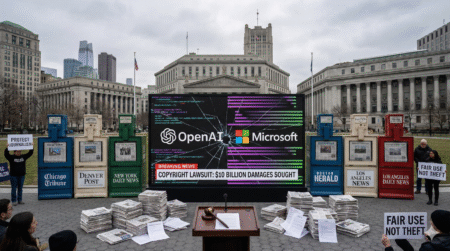
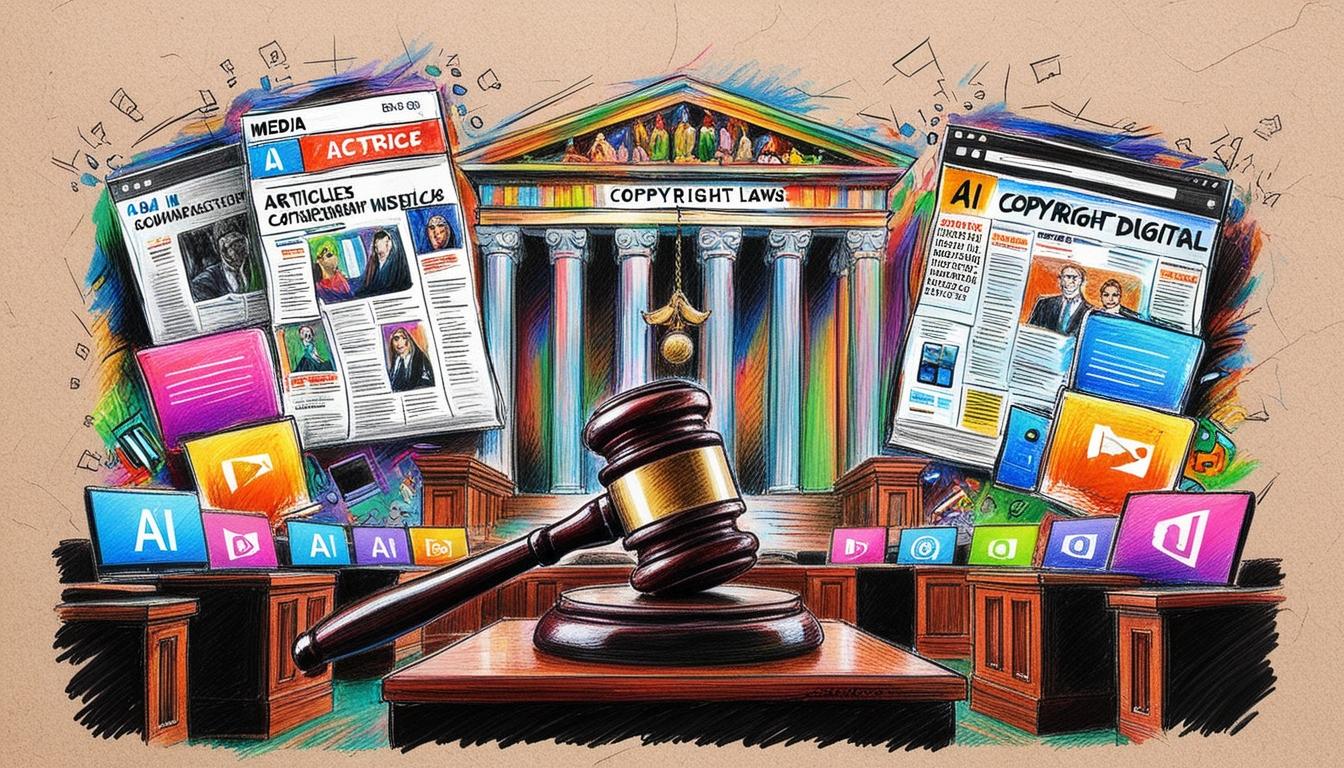
In a significant legal victory for OpenAI, the Southern District of New York has thrown out a lawsuit initiated by two media companies against the artificial intelligence developer. The lawsuit accused OpenAI of infringing copyright laws by utilising copyrighted articles from Raw Story Media and AlterNet Media as part of its training data for AI models.
The crux of the plaintiffs’ complaint centred around allegations that OpenAI had breached provisions of the Digital Millennium Copyright Act (DMCA). More specifically, they claimed that OpenAI “intentionally” stripped copyright management information from these journalistic works. This information typically includes essential details such as the title, author and the terms and conditions governing the use of the content.
Under the stipulations of the DMCA, it is illegal to remove or alter these details if doing so would promote or enable copyright infringement.
Raw Story Media and AlterNet Media conducted what they referred to as an “extensive review” of publicly accessible information. Through this examination, they suggested that “thousands” of their copyrighted works were utilised without proper attribution.
Judge Colleen McMohan, presiding over the case, ruled against the plaintiffs due to a lack of proof concerning any “concrete injury” they might have suffered. She expressed scepticism about the probability of ChatGPT generating content that could be considered directly infringing, given the vast amount of data involved in its training. “When a user inputs a question into ChatGPT, it synthesises relevant information in its repository into an answer,” the judge said, reinforcing her uncertainty over the likelihood of explicit plagiarism stemming from their articles.
This case is reminiscent of the ongoing legal dispute between The New York Times and OpenAI, in which the newspaper accused OpenAI of similar copyright breaches. The lawsuit, initiated last year, alleges improper use of numerous articles published by the outlet for AI training purposes. Reports have noted legal representatives from The New York Times are intricately examining ChatGPT’s source code in an attempt to determine how the AI interacts with and learns from creative content.
While the ruling in favour of OpenAI marks a major development in the discourse surrounding AI and intellectual property rights, it also highlights the ongoing complexities faced by media organisations and technology companies as they navigate the intersections of technology, copyright, and data utilisation.
Source: Noah Wire Services
More on this & verification
- https://www.siliconrepublic.com/business/copyright-dmca-openai-news – This article explains the lawsuit filed by Raw Story Media and AlterNet Media against OpenAI, alleging copyright infringement and the removal of copyright management information, and the judge’s ruling in favor of OpenAI due to lack of proof of concrete injury.
- https://www.siliconrepublic.com/machines/copyright-dmca-openai-news – This article provides details on the dismissal of the lawsuit by the Southern District of New York and the allegations of copyright law violation by OpenAI.
- https://news.bloomberglaw.com/ip-law/openai-defeats-raw-story-copyright-training-lawsuit-for-now – This article discusses the court decision and Judge Colleen McMahon’s ruling that removing copyright management information without dissemination does not qualify as an adverse effect needed to establish standing.
- https://www.law360.com/classaction/articles/2258433/openai-beats-copyright-suit-by-2-news-websites-for-now – This article reports on the dismissal of the lawsuit and the plaintiffs’ failure to prove concrete injury, as well as the ongoing legal disputes involving OpenAI and media outlets.
- https://www.siliconrepublic.com/business/copyright-dmca-openai-news – This article elaborates on the DMCA provisions and the plaintiffs’ claims that OpenAI intentionally removed copyright management information, including titles, authors, and terms of use.
- https://news.bloomberglaw.com/ip-law/openai-defeats-raw-story-copyright-training-lawsuit-for-now – This article details the plaintiffs’ motion for leave to replead without prejudice and the judge’s order for an explanation on why the proposed amendment wouldn’t be futile.
- https://www.siliconrepublic.com/business/copyright-dmca-openai-news – This article explains that the plaintiffs sought $2,500 in damages per violation and the judge’s skepticism about the likelihood of ChatGPT generating plagiarized content from the plaintiffs’ articles.
- https://www.law360.com/classaction/articles/2258433/openai-beats-copyright-suit-by-2-news-websites-for-now – This article mentions the court decision delivered on 7 November and its impact on the compensation claims sought by the plaintiffs.
- https://www.law.com/legaltechnews/2024/03/01/openai-swings-wide-in-its-motion-to-dismiss-nyt-copyright-suit/ – This article discusses another ongoing legal dispute between The New York Times and OpenAI, involving similar allegations of copyright breaches for AI training purposes.
- https://news.bloomberglaw.com/ip-law/openai-defeats-raw-story-copyright-training-lawsuit-for-now – This article highlights the legal complexities faced by media organizations and technology companies in navigating the intersections of technology, copyright, and data utilization.
- https://www.siliconrepublic.com/business/copyright-dmca-openai-news – This article explains how large language models like ChatGPT synthesize information from their repository to generate answers, rather than reproducing work directly.