










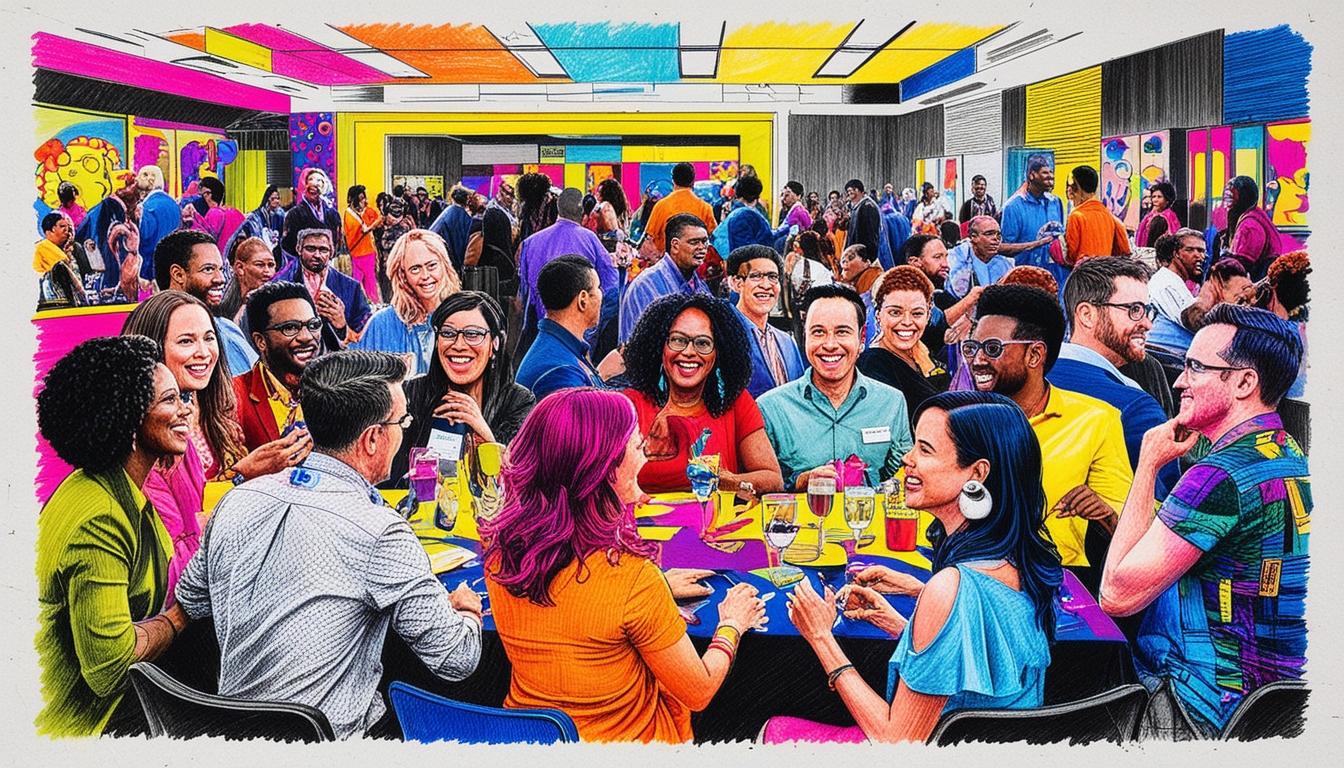
Niche events are a low-risk way of entering the events space, and can be the harbinger of bigger things.
Niche publishing is a trend that is proving resilient and profitable as the media landscape continues to undergo seismic shifts. By focusing on the specialist needs, interests and passions of their users, creator, consumer and B2B media can build and unlock opportunities built around highly engaged communities.
One such opportunity is virtual and in-person events, arguably the purest form of direct audience engagement that publishers can develop.
Niche media is far from a new phenomenon, but its enduring value remains clear. It is demonstrated by, for example, the resilient B2B sector, the rising creator class and the power of smaller players within ecosystems dominated by a few large, broad-interest players (The Streaming Wars Didn’t Kill the Smaller Guys. In fact, They’re Thriving – The New York Times, November 2024).
Today, much of the attention on niche publishing can be traced to our increasing ability to gather audience data, and refine strategies based on what we learn from that data. It has put the trend on proverbial steroids. AI and personalisation will add further impetus to our ability to focus publishing.
Niching, or verticalisation, is about honing in on what really matters to particular audiences — whether that’s a specific interest, hobby, passion or professional field. Audience-first publishing, reader-revenue models and creator media are all tied to this shift.
And so are event trends.
As publishers continue to diversify revenue streams, events are among the top choices. In a recent Flashes & Flames newsletter, its founder Colin Morrison refers to the phenomenon in the context of existing trade show companies. “The growth of competition from deep-dive industry specialists (eg high-value niche events from new-wave information verticals) suggests that trade show companies may need to become increasingly versatile. Once again, digital change is predicted (gradually) to break down the demarcation between ‘channels’ – and reward specialists who know their markets best.”
While the revenue component is important, the role of events extends beyond an additional revenue stream. They are a powerful mechanism for audience engagement, brand authority and content reinforcement. By bringing highly targeted communities together in person, publishers create immersive experiences that deepen trust and position themselves as essential hubs of knowledge and connection.
Events also act as a feedback loop, providing real-time insights into audience interests and challenges, which can inform future editorial strategies and product development.
Finally, in a landscape where digital media can feel transactional, live gatherings foster a sense of belonging and exclusivity, strengthening the publisher’s role as an indispensable partner in its niche.
Niche events serve as a lower-risk entry point into the events space. They offer a controlled way to test concepts, build event expertise and refine audience engagement strategies without the upfront risk and financial burden of large-scale productions. They allow publishers to experiment with formats, pricing and content while staying closely aligned with their core audience.
The targeted nature of these events often means higher engagement levels, stronger brand alignment and a clearer value proposition for attendees and sponsors — elements that can be harder to achieve with broader, more generalist events. Plus, with the right approach, they can be scaled. A successful niche event can become a flagship series, expanded
into multiple regions, or developed into a full-blown larger-scale conference or festival.
In short, it’s a smart way to de-risk event expansion while building a sustainable revenue stream.
Here are some examples of publisher niche events that you might want to try:
1 Exclusive member-only & subscription-based events
These events deepen engagement with a publisher’s most dedicated audience by offering exclusive access to content, speakers or networking opportunities. They can include private Q&As, behind-the-scenes sessions or VIP access within larger events. They also enhance the value of subscriptions, strengthening audience loyalty.
Examples: The Economist’s and The Information’s subscriber-only events.
2 High-value conferences & summits for targeted audiences
Tailored industry summits, focused meet-ups and expert-led conferences provide deep engagement for niche communities. Whether in-person or virtual, these events allow publishers to showcase thought leadership and create valuable networking opportunities for professionals in specialised fields.
Examples: The New York Times’ Dealbook Summit, The Atlantic’s Health Summit, Wired’s The Big Interview, and Flashes & Flames’ Monetising B2B Information and Events summit.
3 Community-driven events & networking experiences
Live events designed to foster community engagement and networking allow niche audiences to interact, exchange ideas and connect with like-minded individuals. These can take the form of in-person meet-ups, fan-driven experiences or structured networking sessions.
Examples: Substack’s Office Hours webinars, The Ringer’s Live Podcast Events and Mind The Product’s ProductTank meet-ups.
4 Skills-building & educational workshops
Workshops and training sessions cater to audiences eager to develop expertise in specific areas, whether it’s professional skills, hobbies or emerging trends. These events can be monetised through ticket sales, sponsorships or partnerships with educational and other institutions.
Examples: Vogue College of Fashion and FT Strategies’ GNI programmes for the news media sector.
5 Experiential & immersive brand activations
Hands-on, interactive experiences allow niche audiences to engage deeply with brands, products and creative storytelling. These events often combine entertainment with product education, making them highly engaging for attendees while offering unique sponsorship opportunities.
Examples: Food & Wine Classic, NatGeo’s live experiences, and for inspiration, albeit on a bigger scale, TimeOut’s markets.
6 Pop-up events & limited-time experiences
Pop-up events provide a way for publishers to create buzz and exclusivity around a specific theme, location or audience. These temporary events can focus on emerging trends, cultural moments or experimental formats, allowing publishers to reach new audiences without committing to a large-scale event.
Examples: The Verge’s Vergecast at CES and The Rebooting at Cannes Lions.
Niche events — whether exclusive member gatherings, skill-based workshops or pop-ups — offer another layer of value and deepen audience relationships. They are not just a nice add-on. They are part of a wider strategic trend where consumers flock to those that address interests that matter most to them. Those who understand their niche and build real-world experiences around it will drive deeper engagement, loyalty and revenues.
Taking inspiration from the DDB VW Beetle ad in the 1950s that dared Americans to think differently about cars, I’ll end with the following words…
Think Small. Win Big.
*Cobus Heyl *is a media, tech and events executive and founder of That Coalition, a fractional events-as-a-service and content agency. Current clients include Flashes & Flames, FIPP – Connecting Global Media, Internet Retailing, Atlas, Prospect, Joseph Rowntree Foundation and OEUK. That Coalition’s free That Event Stack on Substack is available *here*. Cobus is also part of a triumvirate that publishes a free AI in European Media newsletter *here*.
- https://www.nytimes.com/2024/11/01/business/media/streaming-wars-smaller-players.html – This article supports the idea that smaller players in media ecosystems can thrive despite competition from larger entities, aligning with the resilience of niche publishing.
- https://www.publishersweekly.com/pw-by-topic/industry-news/publishing-trends/article/93451-publishing-trends-2024.html – Although not specifically for 2025, this article discusses trends in publishing that can be extrapolated to include niche publishing and audience engagement strategies.
- https://www.eventbrite.com/blog/academy/2024-event-trends/ – This resource highlights trends in event planning, which aligns with the article’s focus on events as a key component of niche publishing strategies.
- https://www.theguardian.com/media/2023/jul/24/niche-publishing-media-industry – This article explores the concept of niche publishing and its relevance in the media industry, supporting the article’s claims about its value.


